


National Engineering Day: The Engineers of 2076



Thought leadership
For National Engineering Day, led by the Royal Academy of Engineering, we spoke to Andy Smith about his vision for the future of engineering and what lies ahead for the industry.
Andy Smith, Vice Principal - Advanced Manufacturing TEC
When I think about what engineering will look like in 2076, I think about how much the industry will have changed and the opportunities this will create for future generations. Technology is evolving rapidly, and the engineers of tomorrow will face challenges that we may not even be able to imagine today. However, while the technologies and skills required will continue to develop, the importance of curiosity, creativity and a willingness to learn will remain at the heart of engineering.
Preparing the engineers of 2076 starts with the education and experiences we provide today. We need to equip learners with the technical knowledge they need to succeed, while also encouraging them to think differently, embrace change and recognise that learning doesn't stop when they leave the classroom.
Encouraging the next generation into engineering
One of our biggest priorities should be encouraging more young people to consider a career in engineering. I believe we need to showcase engineering as a creative, innovative and rewarding industry, with opportunities that extend far beyond what people might initially expect.
There are so many different career paths available, including engineering, operations, procurement, HR and marketing. Where someone starts their career and where they eventually end up can be very different, and that flexibility is something we should celebrate.
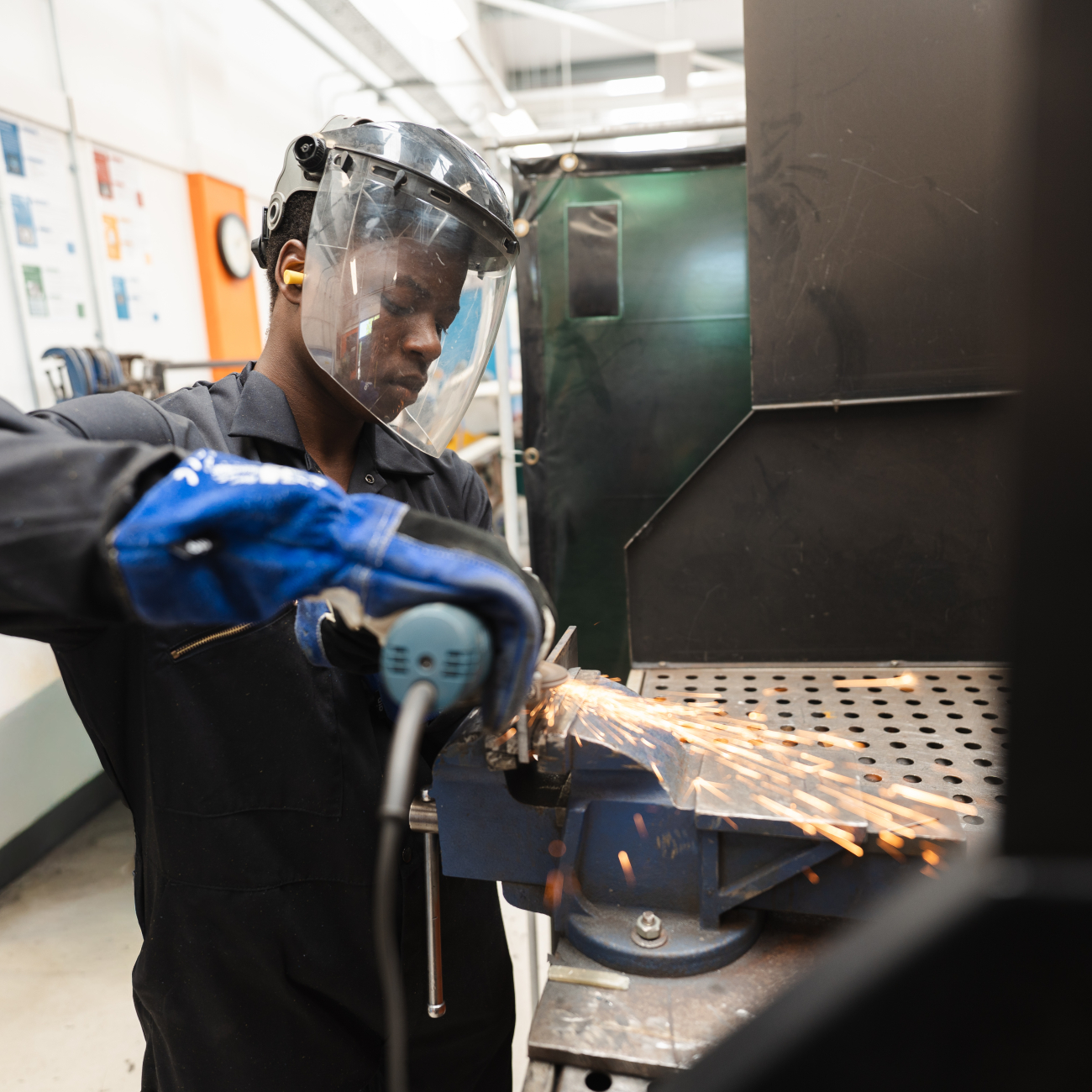
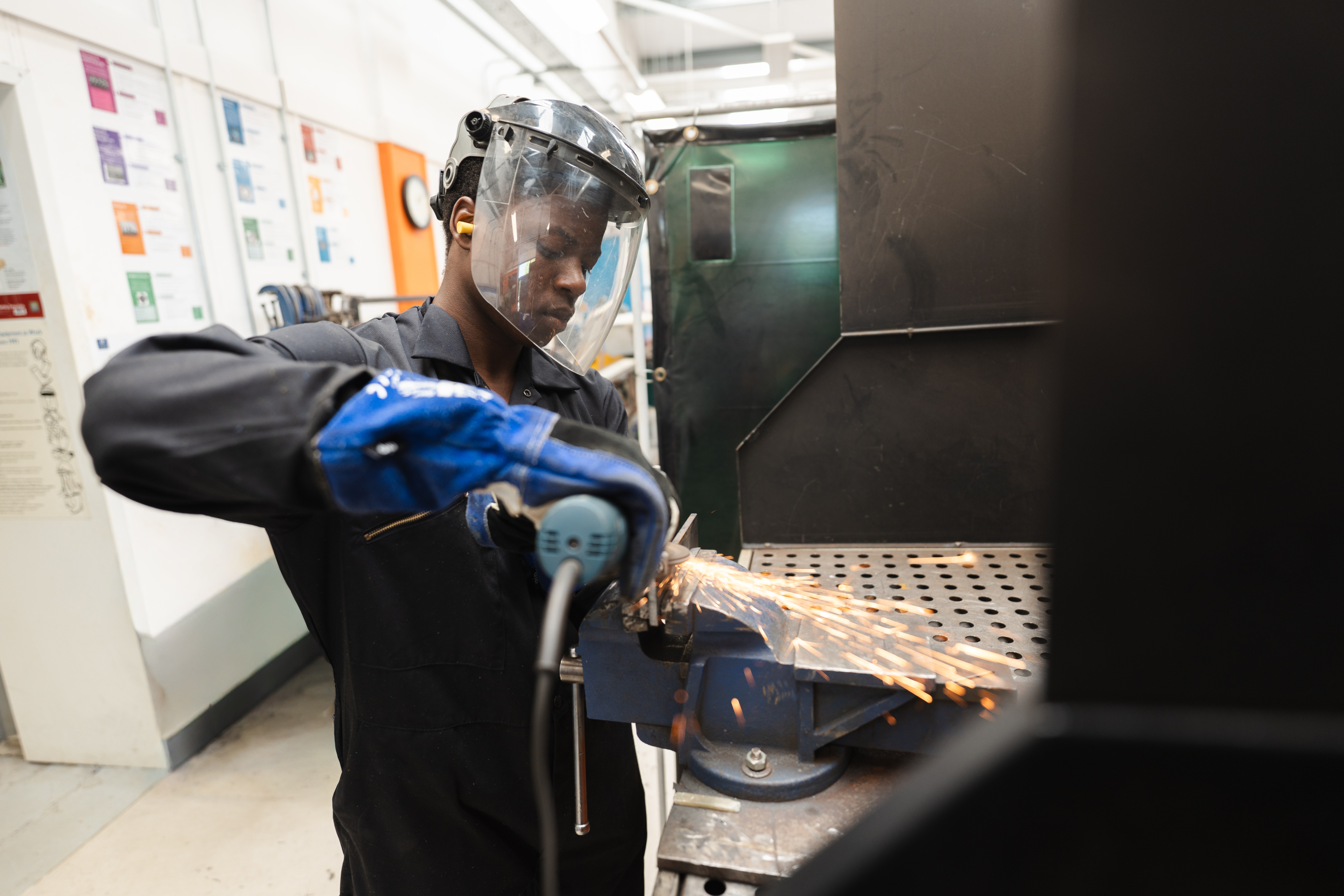
Giving young people opportunities to get hands-on with engineering is particularly important. Working on practical projects, seeing products being manufactured and understanding how engineering works in the real world can be incredibly inspiring. It helps learners connect what they study with the possibilities available to them and gives them a clearer understanding of the industry.
The challenges facing the engineers of 2076
Looking ahead over the next 50 years, I expect engineers to play a vital role in addressing some of the world's most complex challenges. Sustainability, clean energy, advanced manufacturing, automation, artificial intelligence and resource management will all influence how the industry develops.
There will also be difficult balances to strike. We need to consider how we develop cleaner technologies and more sustainable manufacturing processes while meeting global demands, including the need to travel and transport goods around the world. Engineers will need to think critically about these challenges, question existing approaches and develop solutions that consider both innovation and environmental responsibility.
Technology will undoubtedly have a significant impact. Artificial intelligence, advanced robotics, additive manufacturing, computing, advanced composites, renewable energy systems, autonomous technologies and smart materials are all likely to transform the way engineering is carried out. These developments could improve productivity, support sustainability and create entirely new industries and career opportunities.
However, the ability to use new technologies will only be part of the picture. Future engineers will also need to understand how these technologies work together, recognise their limitations and make informed decisions about how they are applied.
Why creativity, problem-solving and adaptability matter
As we enter this new phase of technological development, skills such as creativity, problem-solving and adaptability will become increasingly important. Engineers will need to work with unfamiliar tools, tackle complex challenges and adapt as industries and technologies evolve.
I believe one of the most important things we can teach learners is to maintain an open mindset. Things change, and we need to be prepared to adapt, rethink and approach problems from different perspectives. We cannot assume that the methods we use today will always be the right ones tomorrow.
I often think about it as climbing a hill and then finding a bigger one to climb. There will always be something new to learn, another challenge to overcome or a better way of doing something. That is what makes engineering such an exciting industry, and it is a mindset we need to encourage from the very beginning of a learner's journey.
Alongside creativity and adaptability, future engineers will need stronger skills in data analysis, artificial intelligence, digital technologies, cybersecurity and sustainability. Human-to-machine collaboration will also become increasingly important as engineers work alongside more advanced automated systems. Commercial awareness will remain essential, too, helping engineers understand the wider business implications of their decisions. This is an area that is important today and will continue to feature in engineering education.
Preparing learners for careers that don’t exist yet
One of the challenges for education providers is preparing learners for jobs that may not yet exist. We cannot predict every technology or role that will emerge over the next 50 years, so our focus cannot be solely on teaching the systems and processes used in industry today.
Instead, we need to build strong foundations that learners can take with them throughout their careers. Critical thinking, practical problem-solving, digital skills, teamwork and adaptability will all help people respond to unfamiliar situations and learn new technologies as they emerge.
Sustainability awareness and the ability to work across different disciplines will also be essential. Engineering challenges rarely exist in isolation, and future engineers will need to understand how their work connects with wider industries, businesses and society.
Ultimately, we need to develop people who are confident in what they know but equally willing to recognise what they don't know. Staying curious, asking questions and being prepared to learn from mistakes are all important parts of that process. The importance of apprenticeships and industry partnerships
I believe apprenticeships are one of the best ways to learn engineering because they bring together the academic knowledge and practical experience needed to succeed in the workplace.
At AMTEC, our Advanced Manufacturing Technical Excellence College, we have classrooms alongside machinery, engines and other industry equipment. This means we can teach the academic principles behind a process and then demonstrate how that learning applies in practice. Learners can see the theory come to life, helping them understand how their knowledge translates into real engineering situations. This approach also supports different learning styles and allows learners to develop confidence through practical experience.
However, effective training goes beyond the equipment and facilities available. The strongest programmes are built through genuine partnerships between colleges and employers.
Employers need to be involved in shaping curriculum content, providing industry projects and sharing their knowledge of emerging technologies and changing skills requirements. Colleges, in turn, need to ensure learners develop the technical knowledge, practical abilities and professional behaviours required to succeed.
Regular collaboration allows training to keep pace with industry and ensures learners are developing relevant skills for the workplace they are entering. It also helps education providers understand where new technologies, processes and commercial priorities may influence future training needs.
By bringing education and industry closer together, we can create learning experiences that prepare people not just for their first job, but for the changes they will encounter throughout their careers.
What will the engineer of 2076 look like?
I imagine the engineer of 2076 as a highly skilled problem-solver who works alongside advanced digital technologies and artificial intelligence systems. Their role could involve designing sustainable solutions, managing complex automated systems and helping society respond to global challenges that are difficult to predict today.
They will need to combine technical expertise with commercial understanding, creativity and the ability to work collaboratively across disciplines and cultures. They will also need to recognise when technology can provide a solution and when human judgement, experience and innovation are required.
Although the tools and technologies available to engineers will change dramatically, I believe the fundamental purpose of engineering will remain the same: improving lives through innovation.
My advice to the engineers of tomorrow
If I could give one piece of advice to someone starting their engineering education today, it would be to stay curious, never stop learning and take every opportunity to gain experience.
Don't be afraid to step outside your comfort zone. You will make mistakes, but those mistakes are part of your learning journey. Keep an open mind, be prepared to adapt and remember how much you enjoy the industry and why you chose it in the first place.
We have an important role to play in developing the engineers of 2076, and that responsibility starts now. Through practical, industry-focused education, strong employer partnerships and a commitment to lifelong learning, we can help prepare the next generation for a future that will look very different from the world we know today.
Andy Smith
Vice Principal - Advanced Manufacturing TEC