


Previous
Next

START YOUR CAREER IN HEALTH AND SOCIAL CARE

Health and Social Care provides a huge range of services to all people in a community. This could include in their own homes, in residential homes, hospitals, or a number of other locations. For various reasons and at different stages of life, people need assistance to maintain independence, dignity and control.

Use this page to discover more about the healthcare industry, the careers out there today and the courses that can get you there...
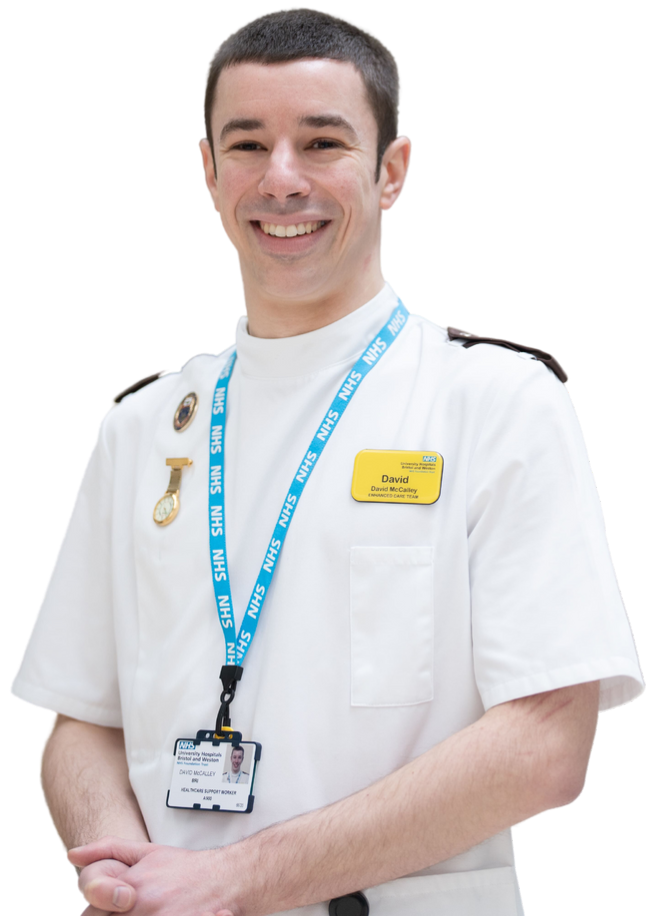
cut out of paramedic apprentice smiling with hands in front of him

FIND YOUR FUTURE IN HEALTHCARE

Type of health worker: what's the difference?

×

Clinical Scientist

Clinical scientists research and develop techniques and equipment to help prevent, diagnose and treat illness. 

To enter this career, you will need to either complete a university course (achieving a first or upper second class honours (2:1) in a related subject) or an apprenticeship. 

Average salary: £48,000 

A typical day could include: 

There are 4 main areas of clinical science. You could work in clinical bioinformatics, life sciences, physical sciences and biomedical engineering or physiological sciences.  

Depending on your area you could: 

  • Research, develop and test methods of diagnosing and treatment 

  • Collect and analyse complex data to help develop treatments 

  • Assess different parts of the body to diagnose abnormalities 

  • Advise medical staff of how to use products and equipment 

  • Investigate the causes of illness or death 

  • Study cells or diagnose and analyse blood disorders. 

You could work in an NHS or private hospital, in a laboratory or at a university. 

×

Dietitian

Dietitians diagnose and treat people with nutrition problems and help people make healthy lifestyle and dietary decisions. 

There are several ways in which you can become a dietitian. You can gain a degree, complete an apprenticeship or work towards the role in other positions such as Dietetic Assistant. 

Average salary: £37,000 

A typical day could include: 

  • Assessing the nutritional needs of individuals, families or groups 
  • Creating treatment plans to improve nutrition and overall health 
  • Giving practical and sensitive dietary advice, tailored to people's needs 
  • Monitoring people's progress towards healthy eating targets 
  • Creating and update confidential clinical records 

In a hospital, you could: 

  • Specialise in an area like children's health, renal dietetics or cancer care 
  • Run clinics for people with diabetes or eating disorders, like anorexia or bulimia 
  • Work with catering services to create menus for patients with a range of dietary needs 

In the community, you may: 

  • Raise awareness of the importance of healthy eating 
  • Run health promotion workshops 
  • Advise people who lack confidence, are experiencing mental illness, or are on a low income 
×

General Practitioner (GP)

General practitioners (GPs) are doctors who provide medical services to people in their local community. 

To become a GP you will need to complete a university degree or an apprenticeship. You might also need to complete entry tests, which will test skills such as critical thinking, problem solving, communication and scientific knowledge. 

Average salary: £75,000 

A typical day could include: 

  • Giving general health advice to patients in person or on the phone 
  • Diagnosing patients' symptoms and referring to specialist consultants if needed 
  • Prescribing medicines, recommending treatments and carrying out minor surgery 
  • Doing research and help to train other healthcare professionals 
  • Organising and leading clinics for specific groups of patients or medical conditions. 

In this role, you could work at a GP practice, at a health centre or at a client's home. 

×

Health Visitor

Health visitors work with families with a child aged 0 to 5 to identify health needs, promote healthy lifestyles and prevent illness. 

You can get into this job through an apprenticeship or by working toward this role. 

Average salary: £40,000 

A typical day could include: 

  • Advising new parents on baby feeding, hygiene, safety and sleep 
  • Supporting parents with their children's development needs 
  • Coordinating child immunisation programmes 
  • Organising clinics or drop in centres 
  • Working with social services and other organisations to safeguard and protect children 

You could work at a client's home, at a health centre or at a GP practice. 

Your working environment may be physically and emotionally demanding, and you'll travel often. 

×

Healthcare Assistant

Healthcare assistants look after patients in hospitals or sometimes at a patient's home. 

You can get into this job by completing a college course, an apprenticeship or working towards this role. 

Average salary: £23,000 

A typical day could include: 

  • Helping patients shower and get dressed 
  • Helping people eat 
  • Making beds 
  • Using equipment to lift and move patients 
  • Talking to patients and reassure them 
  • Helping patients to use the toilet 
  • Tidying the ward or patients' homes 
  • Taking patients' temperature or pulse 
  • Attending meetings with other healthcare professionals 

You could work in an NHS or private hospital, at a client's home, at an adult care home or at a hospice. 

×

Midwife

Midwives support pregnant women and their babies before, during and after, childbirth. 

You can get into this job through completing a university degree, an apprenticeship, or a specialist course run by a professional body. 

Average salary: £37,000 

A typical day could include: 

  • Advising pregnant women and check they are healthy 
  • Running classes about pregnancy and parenting 
  • Managing labour and deliver babies 
  • Advising on ways to manage pain during labour 
  • Giving advice after the baby is born 
  • Visiting homes to check on parents and the baby 

In this role you could work at a client's home, at a health centre, at a GP practice or in an NHS or private hospital. 

×

Nurse

Nurses care for adults who are sick, injured or have physical disabilities. 

You can get into this job through a university course or an apprenticeship. 

Average salary: £35,000 

A typical day could include: 

  • Taking temperatures, blood pressures and pulse rates 
  • Giving drugs and injections, treat wounds and set up drips 
  • Monitoring the progress of patients and update records 
  • Handover information to colleagues at the end of a shift 
  • Working with doctors and other healthcare professionals to decide what care to give 
  • Giving advice to patients and their relatives. 

In this role, you could work in an NHS or private hospital, at a health centre, at a hospice, at an adult care home, at a client's home or in a prison. 

×

Paramedic

Paramedics respond to emergency call-outs and give people life-saving medical help. 

You can get into this work through a university course, an apprenticeship, working towards this role, or applying for a trainee scheme. 

Average salary: £35,000 

A typical day could include: 

  • Responding to emergency calls 
  • Assessing situations when you arrive and check details with others at the scene, like the police 
  • Working calmly and quickly to stabilise patients 
  • Using a defibrillator to revive patients 
  • Giving patients medicines and injections 
  • Helping to deliver babies 
  • Attending non-emergency calls and deciding whether patients need to go to hospital 
  • Checking equipment regularly and keep accurate records 
  • Reassuring family and members of the public who are on the scene. 

You could work on an ambulance, at a client's home or in the community. 

Industry Facts

Discover things you didn't know about the Health and Social Care industry!

20% of the workforce is aged 55 or over 

16% of Adult Health & Social Care workers are male 

Due to an aging population, Health & Social Care is one of the fastest growing sectors in the UK 

The number of Health & Social Care jobs is predicated to grow to around 2.6million by 2025 nationally 

      
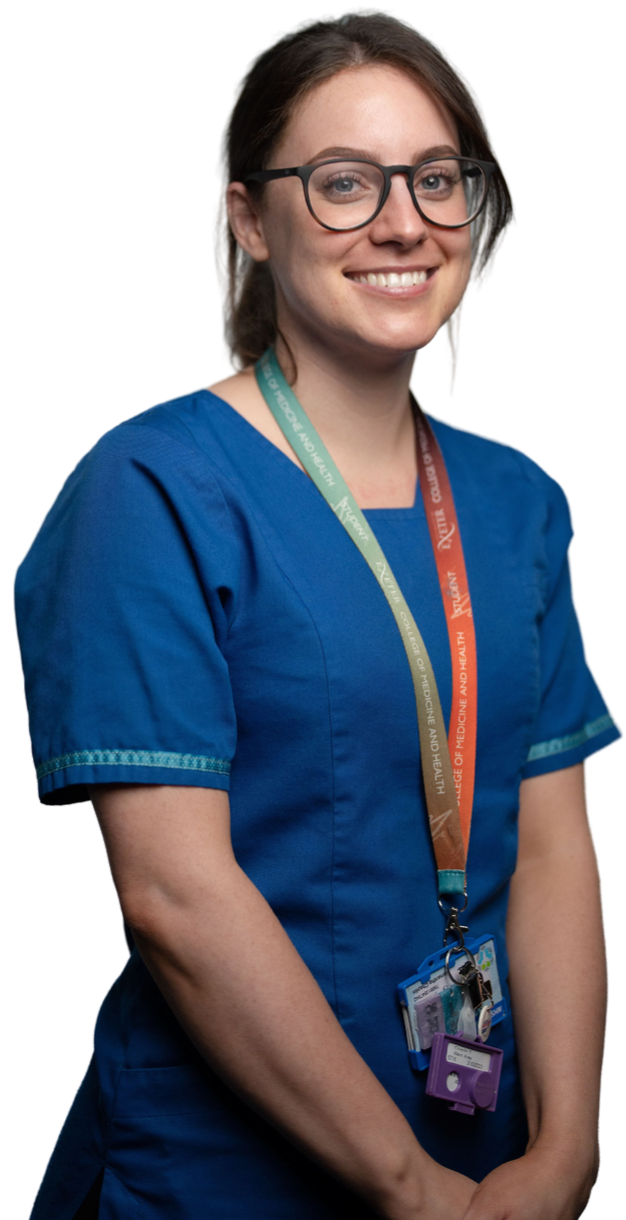
cut out female nurse apprentice smiling

HEAR FROM CURRENT HEALTH WORKERS

Apply or find out more


Marketing Permissions

We’d love to keep you informed about vacancies, courses, and updates we think you’ll find valuable. You can unsubscribe or opt out at any time.
Your personal information will be handled in accordance with our Privacy Policy.

Please let us know how you’d like to hear from us:

Email

By submitting this form you are consenting to Weston College recording and processing the personal information on this form, for any purposes of the college associated with the provision of advice and guidance to potential students on the range of courses available to them, college facilities and any other associated information. In accordance with the Data Protection Act 2018, the information will only be used for the above mentioned purposes.

You will need to complete a full enrolment form prior to starting your course.

CAPTCHA
This question is for testing whether or not you are a human visitor and to prevent automated spam submissions.

One Message, Different Voices

Take a look at this powerful film made by the staff of Weston College to show how important it is for everyone from different backgrounds to be included. The film shares heartfelt stories and interviews with a diverse group of staff, showing how accepting different identities and backgrounds can make a big difference. Its purpose is to encourage viewers to think about their own biases and work towards making our community more welcoming to all. We invite everyone, regardless of their background, to join us and be a part of our journey toward a more inclusive future.

Halo workplace logo

Our workplace champions the right of staff to embrace all Afro-hairstyles. We acknowledge that Afro-textured hair is an important part of our Black employees’ racial, ethnic, cultural, and religious identities, and requires specific styling for hair health and maintenance. We celebrate Afro-textured hair worn in all styles including, but not limited to, afros, locs, twists, braids, cornrows, fades, hair straightened through the application of heat or chemicals, weaves, wigs, headscarves, and wraps. In this workplace, we recognise and celebrate our colleagues’ identities. We are a community built on an ethos of equality and respect where hair texture and style have no bearing on an employee's ability to succeed.