


News and events
We aim to keep you up-to-date with the very latest Weston College news and events. Take a look below at what's going on at the College!
Got news you want to share with us? Email marketing@weston.ac.uk
Got news you want to share with us? Email marketing@weston.ac.uk
Take a look at this powerful film made by the staff of Weston College to show how important it is for everyone from different backgrounds to be included. The film shares heartfelt stories and interviews with a diverse group of staff, showing how accepting different identities and backgrounds can make a big difference. Its purpose is to encourage viewers to think about their own biases and work towards making our community more welcoming to all. We invite everyone, regardless of their background, to join us and be a part of our journey toward a more inclusive future.

Our workplace champions the right of staff to embrace all Afro-hairstyles. We acknowledge that Afro-textured hair is an important part of our Black employees’ racial, ethnic, cultural, and religious identities, and requires specific styling for hair health and maintenance. We celebrate Afro-textured hair worn in all styles including, but not limited to, afros, locs, twists, braids, cornrows, fades, hair straightened through the application of heat or chemicals, weaves, wigs, headscarves, and wraps. In this workplace, we recognise and celebrate our colleagues’ identities. We are a community built on an ethos of equality and respect where hair texture and style have no bearing on an employee's ability to succeed.
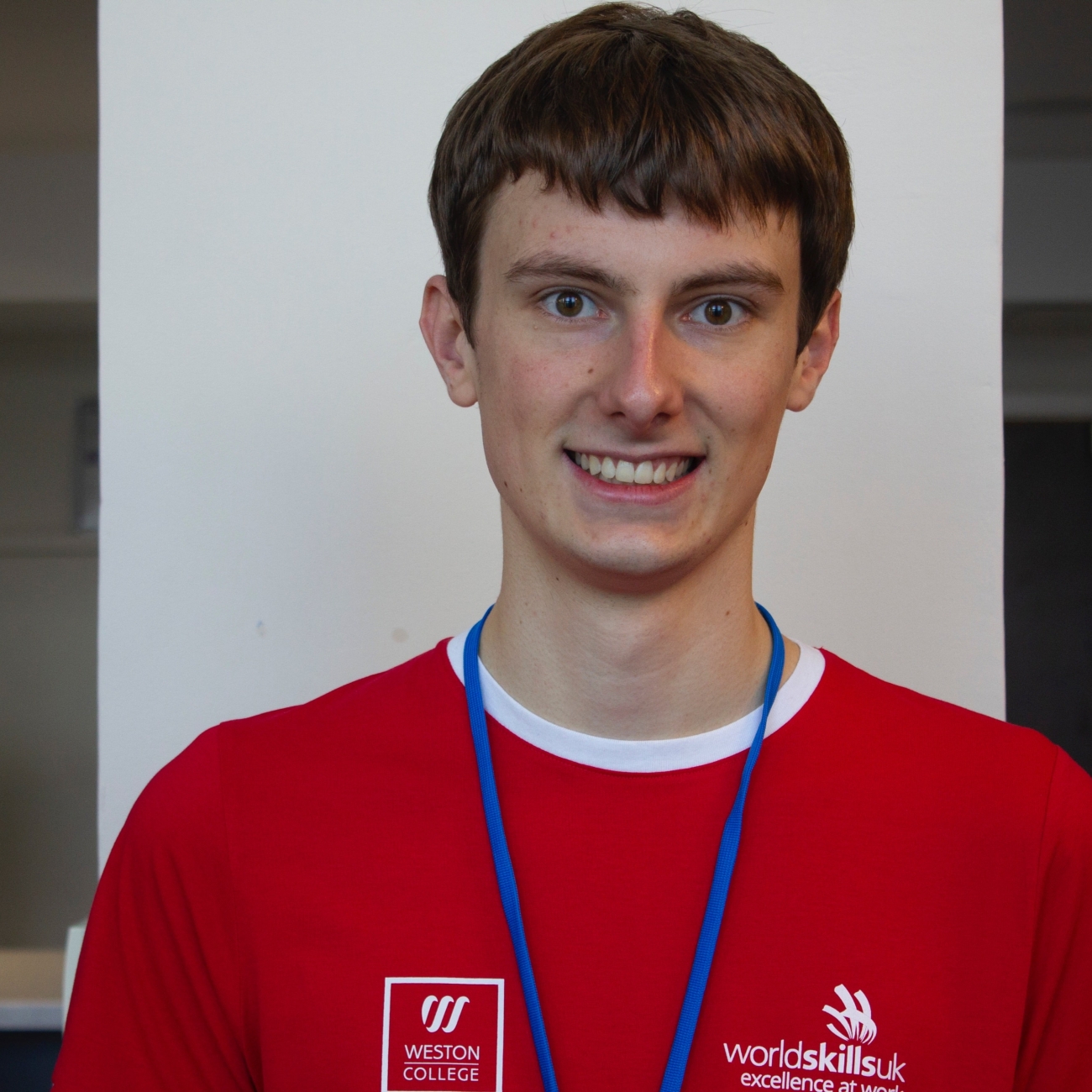
University Centre Weston (UCW) computing learner, Jack Kimmins, will be representing the UK after recently being announced as the gold medal winner at the national WorldSkills Web Design finals.
WorldSkills UK is an independent charity that works with employers, education and governments, supporting young people across the world via competitions-based training, testing their ability to achieve world-class standards in the biennial ‘skills Olympics’.
Over 3,000 learners registered to take part in the UK-wide competitions in March 2021 and Jack was just one of four hundred who made it into the finals, which was split into 64 disciplines.
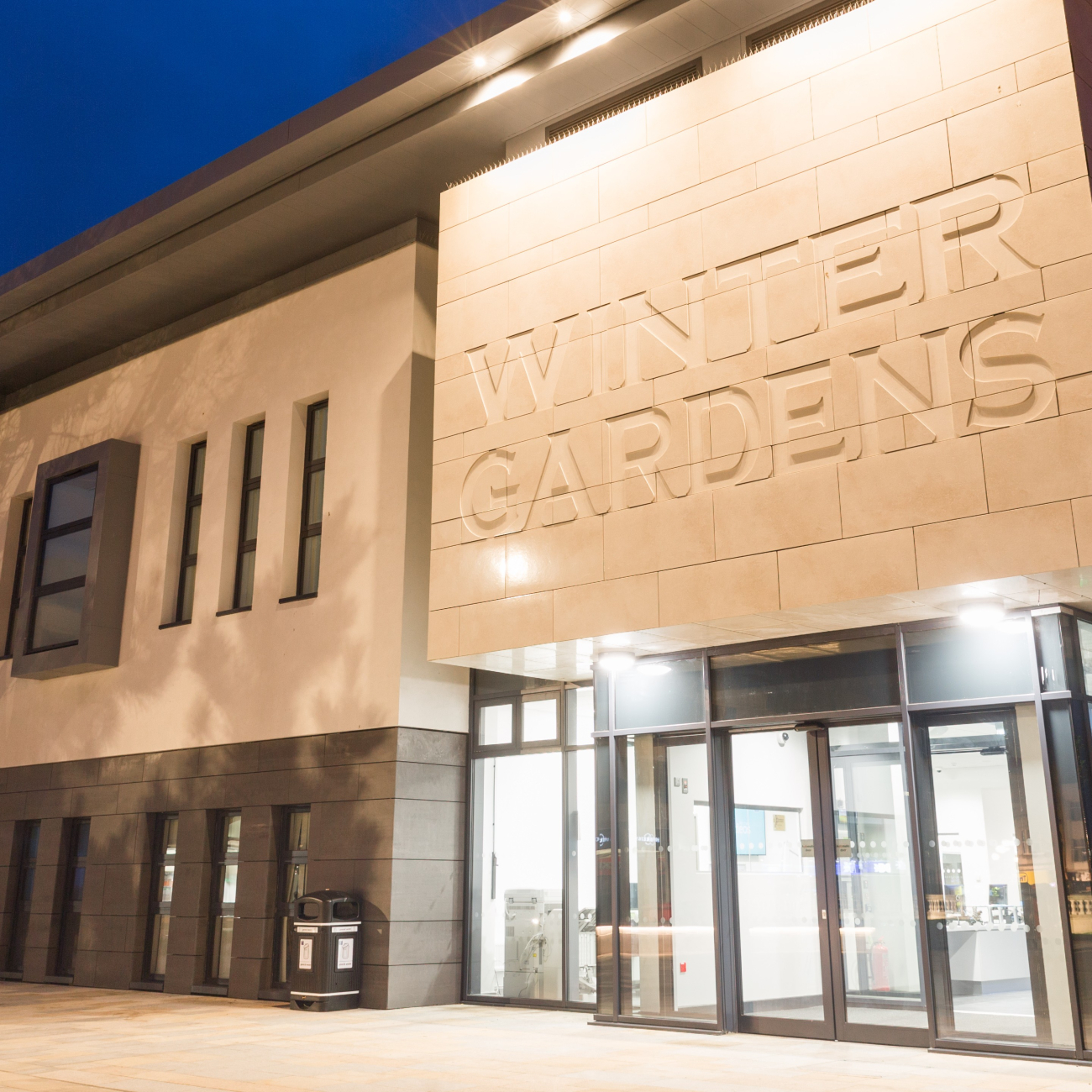
The Web Design category finals, hosted by the Weston College Group at The Winter Gardens in Weston-super-Mare, was between nine competitors from across the country and took place over two days. The finalists were tasked with building a website, employing their skills of html, JavaScript and front/back-end coding to bring the detailed brief to fruition. The final products were then anonymously judged by a panel of digital experts from renown organisation Jisc, Airbus and the UK Hydrographic Office.
After the challenging finals were completed, the winners were announced at a virtual ceremony hosted by TV presenter Steph McGovern from her Channel 4 “Packed Lunch” studio on Friday 26 November. It was here that Jack was announced as the national gold medallist. Also Level 3 Apprentice Luke Merchant a Weston College student was named as the Silver medallist in the Automotive Technology finals.
Congratulations also goes to Weston College students Mircea Ionescu and Amelia Lee who also competed in the Web Design and Beauty Practitioner finals respectively.
Currently in his third year, Jack is studying Applied Computing BSc (Hons) at UCW. This degree level course is part of the West of England Institute of Technology, a collaborative partnership between education providers and businesses from across the West of England, collaborating to design and deliver flexible, higher-level technical learning.
Jack commented: “I feel very proud, I was really shocked when my name was read out! My web development knowledge has grown throughout doing this project as well as my time management skills.
“The finals were a really memorable occasion and I’m looking forward to training for the next stage.”
Learners that achieve the gold medals at the national finals then get invited to join the UK WorldSkills Squad. Not dissimilar to Team GB for the Olympics, the gold medallists will be then go on to compete in the international finals which will take place in France in 2022.
Jack continues: “I will be now representing the country in the field of Web Design. I feel very proud doing so and I’m going to try my absolute hardest.
“The staff at UCW have helped me immeasurably. I’d like to thank my tutor Jason Hill for all his hard work and help. I’d recommend everyone gives it a go and tries to push themselves with this opportunity.”
Weston College’s involvement with WorldSkills is just one of the exclusive opportunities available to learners through their newly launched Career Excellence Hubs.
At the College each subject area forms its own specific Career Excellence Hub, endorsed by relevant sector employers which help to create a study programme with lots of career boosting benefits, including WorldSkills competing opportunities.
Weston College Group Principal and Chief Executive, Dr Paul Phillips CBE added: “Many congratulations to all of our WorldSkills winners. I am so proud of all of you, representing our college and confirming your amazing talents. We wish Jack the very best of luck with the international stages, it truly is a fantastic achievement.”
Deputy CEO of WorldSkills UK, Ben Blackledge, says that success in UK-wide finals is a litmus test for the future of the economy.
“These young people are a real inspiration. They are an example to us all and are to be congratulated. To have excelled after such a difficult year shows their dedication and drive is second to none.
“Skills are the lifeblood of every economy, creating high quality jobs, rewarding careers, inward investment and growth.”
A huge congratulations to all of our WorldSkills finalists and medal winners. We are so excited to follow Jack’s journey to represent the UK in France for the WorldSkills finals!
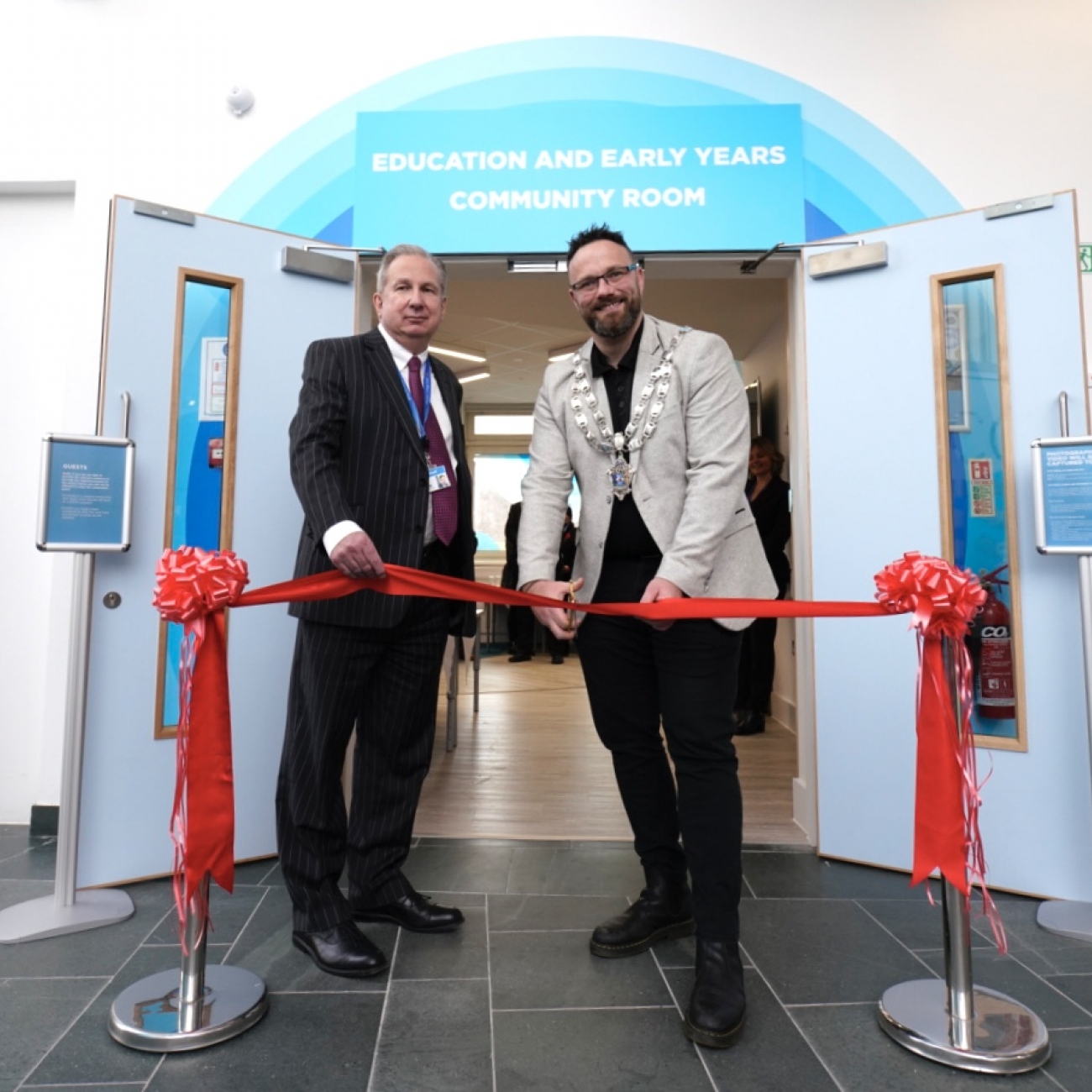
Today members of local council, ESFA, ETF, schools and nurseries, all joined Dr Paul Phillips CBE, Principal and Chief Executive of Weston College and the Mayor of Weston-super-Mare, Councillor James Clayton, who together, officially opened the new Education and Early Years facilities at Weston College.
This new hub will meet the growing demand from employers both locally and regionally to train staff of the future, preparing them ready to join a growing industry.
The Education and Early Years facilities have been developed in conjunction with the Career Excellence Hub employers: Busy Buddies, Little Bears, DaisyChain, Mendip Green, YMCA and Storal Learning, who ensure not only that the course content includes insights of industry leaders, but also that the new facilities will be industry standard to give them real-life experience.
The grand opening included a tour of the brand new £600k Education and Early Years hub that includes:
Sandra Bull, Dean of the Faculty said: “The new hub is really impressive, I’m so pleased it’s come to fruition. It’s really important for us that all learners get real-life experience to ensure they are equipped with the skills and knowledge they need to get ahead in the modern jobs market.”
These new facilities are matched with an exciting portfolio of study programmes. For school leavers there will be full-time college-based courses, apprenticeships plus the new flagship T Level – the gold-standard in qualifications where learners can follow a college-based programme and gain sector experience through an industry placement. Plus, a range of options for adults for those who would like to upskill or re-train as an early years practitioner or teaching assistant.
Dr Paul Phillips CBE, Principal and Chief Executive, Weston College added: “It was a privilege to officially open the new facilities today. This is just one element of a College-wide initiative to ensure we are making aspirational careers a reality for all our learners regardless of their starting point in life.”
The build is co-funded by T Level Capital funding, awarded by the Department for Education.
Find out more
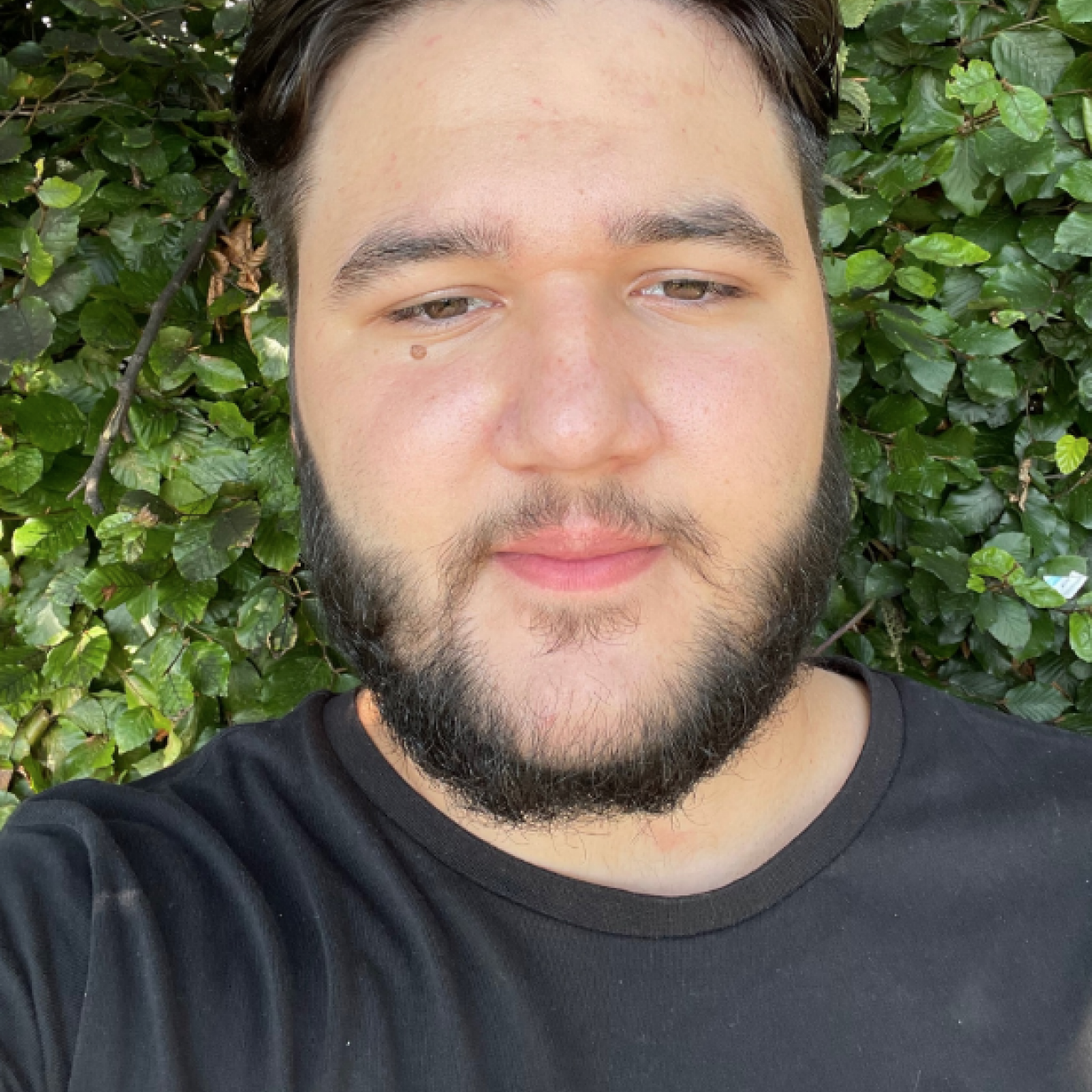
On 11th and 12th of November 2021, Level 3 Computing learner Mircea Ionescu will be competing in the grand finals of the prestigious WorldSkills national competition!
WorldSkills UK is a biannual ‘skills olympics’ that supports young people by testing their ability to achieve world-class standards. This national event normally takes place in the Birmingham NEC, however this year the 64 different competition areas are being hosted separately at across the country.
Mircea is one of nine students across the country to have made it to the finals in Web Design, which will be hosted by Weston College at The Winter Gardens Pavilion in Weston-super-Mare.
We caught up with the Nailsea School alumni who added:
This exciting news is just one of the fantastic career enhancing opportunities available at the college, through the newly launched Career Excellence Hubs.
At the College each subject area forms its own specific Career Excellence Hub, endorsed by relevant sector employers which help to create a study programme with lots of career boosting benefits, WorldSkills competing opportunities is one of these.
Mircea will also be joined in the finals by University Centre Weston (UCW) student Jack Kimmins.
After finishing his Level 3 course, Mircea plans on staying with the team at Weston to study the BSc Applied Computing degree course at UCW.
The winners of all WorkdSkills competitions will be crowned at a ceremony hosted by TV presenter Steph McGovern from her Packed Lunch studio on Friday 26 November.
We'd like to wish Mircea the very best of luck!
Click here to learn more about our Computing courses and Career Excellence hubs