


Celebrating Learners with SEND During National Awareness Week


Weston College is proud to take part in The Power of Specialist FE Awareness Week, running from 1st to 5th December 2025. This national campaign, led by Natspec, celebrates the vital work that specialist further education (FE) providers deliver for young people and adults with the most complex needs.
While over 1.7 million children and young people across England are identified as having special educational needs and disabilities (SEND), discussions about support often focus on schools. Yet it is specialist FE and inclusive further education settings like Weston College that help 16 to 25-year-olds with SEND transition into adulthood, build independence, gain employability, and contribute meaningfully to their communities.
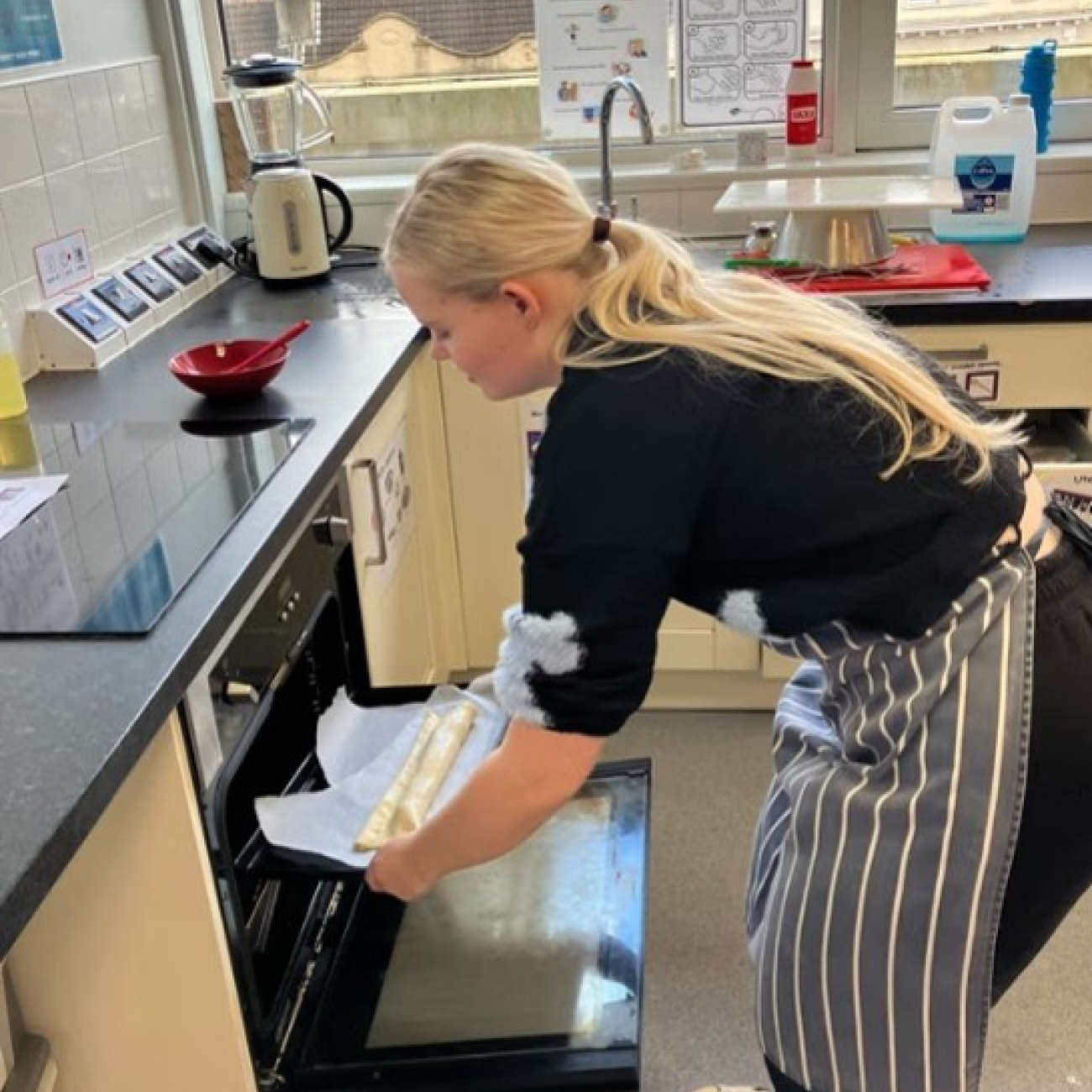
At Weston College, we support learners with a broad range of support needs. Our Foundation Learning programmes and pathways are highly individualised and include specialist teaching, ensure students have a wide range of experiences in preparation for adulthood. Sessions include functional skills, communication and personal development, independent living skills, accessing the community, and vocational modules such as catering, horticulture, performing arts, and more. Leaners are involved in the student union and represent themselves as part of the student ambassadors giving their voice as part of the whole college learner voice capture.
This week, in line with the Power of Specialist FE campaign, we will be celebrating our learners’ achievements and sharing powerful stories of their journeys. Among them, we are proud to showcase:
- Morgan – now employed as a permanent Teaching Assistant, having progressed from Foundation Learning through Level 1 Early Years, an apprenticeship, and a Level 3 Teaching Assistant qualification. Morgan is now a SEND advocate in her workplace, caring for six key children and using her own experience to support others.
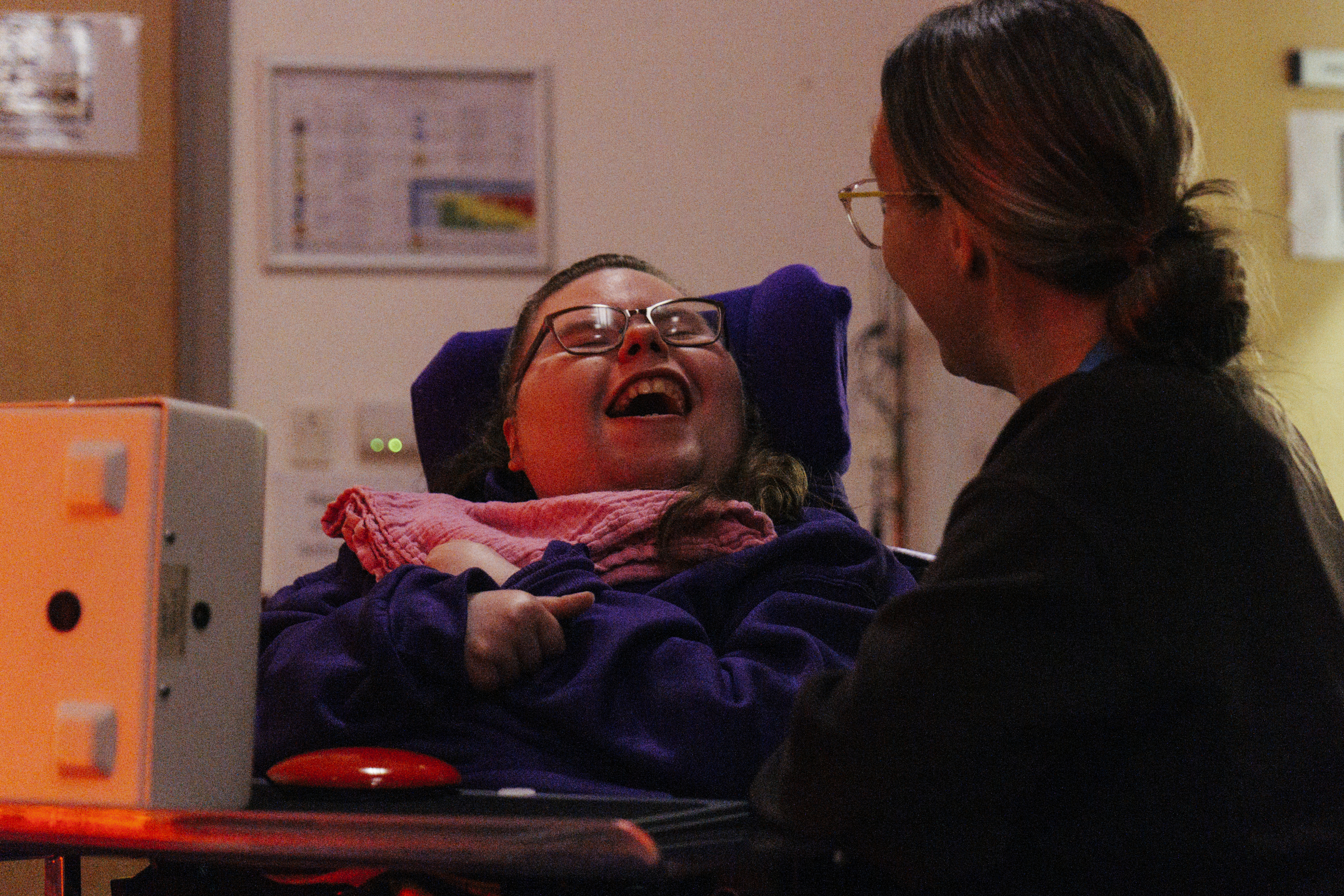
- Caitlin – joined Weston College’s Pathways to Supported Adulthood from Briarwood Special School and has worked hard to build her communication through signing and an AAC (Augmentative and Alternative Communication) device. She has grown in independence, gradually moving from 2:1 support to more group and community settings, forming meaningful relationships and developing social confidence.
- Lucy – studied on our Preparation for Life course, achieving Level 2 English, progressing in maths, and learning to travel independently. Through our "Autism and Me" curriculum, she developed self-regulation strategies, resilience, and independence. She now takes part in animal care enrichment and has completed a placement at Noah’s Ark Zoo Farm, planning next to do a Level 1 in Animal Care.
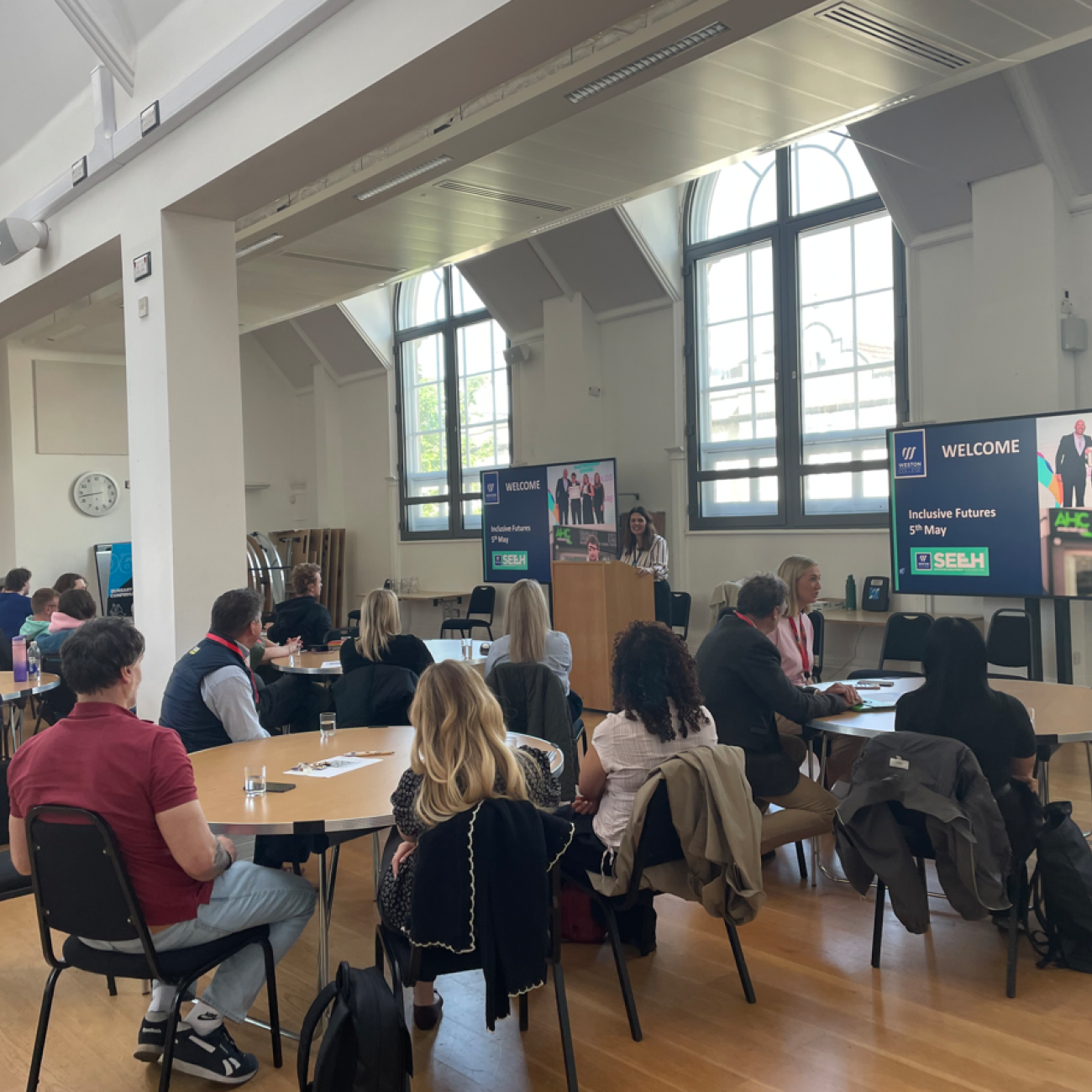
In addition to our 16–24 provision, our Faculty of Inclusive Practice provides a range of professional development programmes for Inclusion and SEND, allowing staff and community members to upskill through training from Level 2 onwards.
On the higher education front, University Centre Weston (UCW) offers a BA (Hons) in SEND and Inclusive Practice, designed to prepare graduates to work with and support children and young people with SEND and their families. This degree enables students to develop a deep understanding of SEND needs, inclusive approaches, systems thinking, and organisational context. We also provide short courses (Levels 4–5) for those seeking to develop or refresh their expertise in areas such as autism support.
Clare Howard, Chief Executive at Natspec, said:
“Specialist FE is about unlocking potential and creating positive futures. Our colleges give young people, many with very complex needs, the skills, confidence and independence they need to succeed in their adult lives. They are critical to the government’s mission to create an inclusive education system, where no learner is left behind. Yet despite this, the sector is too often overlooked by policy makers. Through The Power of Specialist FE awareness week, we are shining a light on this vital provision to ensure that it is recognised, valued and fully included in future policy making.”