


How Titan Roc Is Supporting the Next Generation of Game Developers


Blogs and Vlogs

Employers
Through his company Titan Roc, UCW lecturer Craig Smith is giving T Level students studying Digital Production, Design & Development the opportunity to gain hands-on experience in the games industry, contributing to the development of a commercial video game while building valuable skills for their future careers.
Can you introduce yourself and your company?
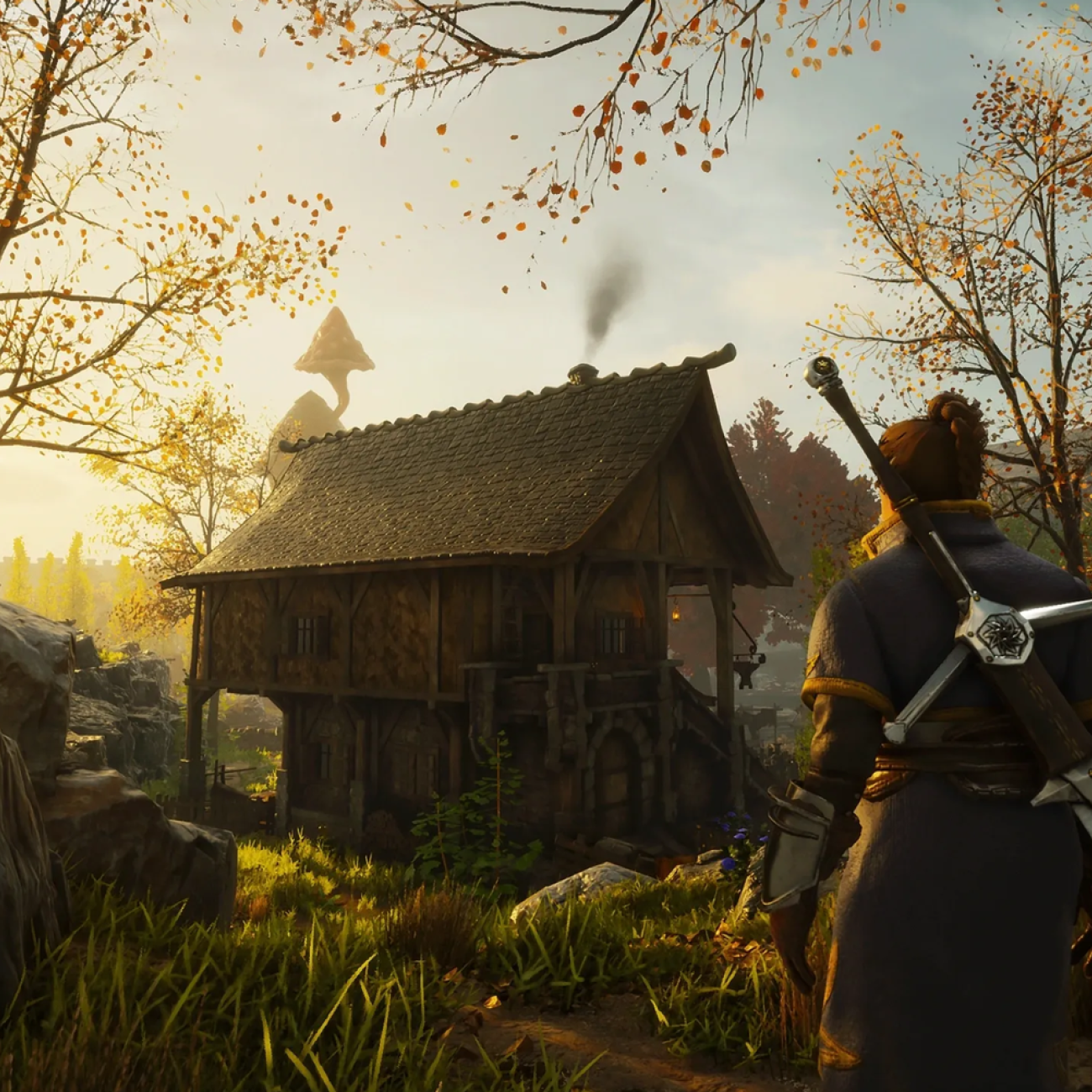
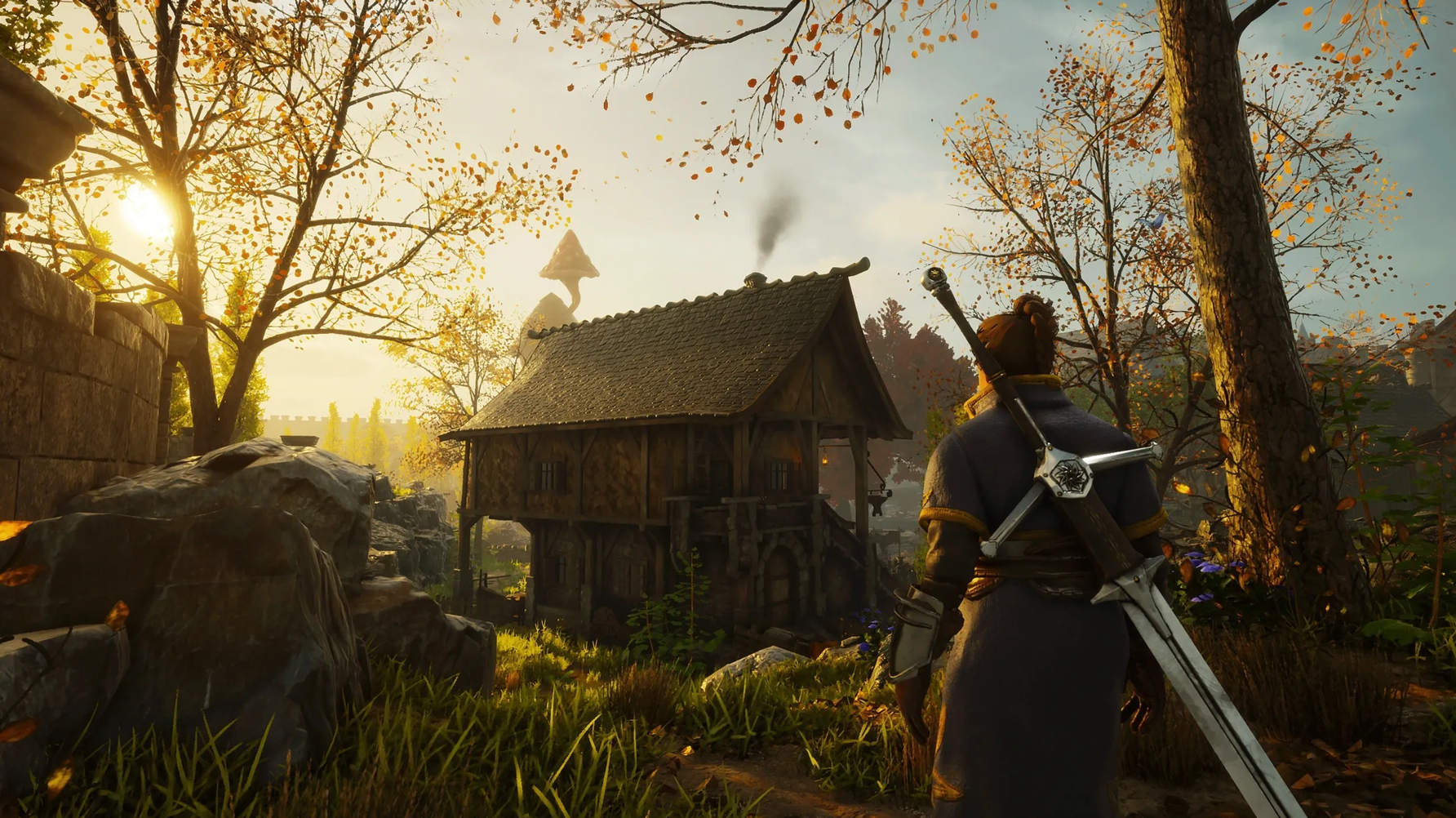
My name is Craig Smith, and I'm both a lecturer at UCW and director of Titan Roc, a video game development company. We've recently released our first major commercial video game, Forsaken Realms: Vahrin's Call.
How has Titan Roc supported T Level students?
Vahrin's Call was a mammoth undertaking for our company, taking 12 years in total to complete. Due to the sheer size of the game, it created lots of excellent opportunities for students to get involved and gain hands-on, real-world industry experience, whilst genuinely contributing to the release of a commercial video game.
What type of work do students get involved with during their placements?
The students have primarily been involved in QA testing for Vahrin's Call.
This involves playing through the game with a critical eye, identifying bugs, spotting gameplay issues, and providing feedback on the overall player experience.
It's not just about playing video games. It's about understanding how games work, recognising when something isn't right, and communicating those findings clearly so the development team can investigate and make improvements.
It's a great introduction to the development process and shows students just how much work goes into making a game. In many cases, their feedback and critique have genuinely helped shape the final product.
What skills do learners develop by undergoing a placement at Titan Roc?
I think one of the biggest skills students develop is attention to detail. When you're testing a game, you need to notice things that other people might miss. They also develop communication, teamwork, and analytical thinking skills.
It's extremely fun playing through a video game for the first or second time, maybe even more, depending on the type of game. However, when it starts to feel like a job, after the third or fourth playthrough, that's when their analytical skills really come into play. They have to look beyond simply enjoying the experience and start thinking critically about how everything works.
We'd like to think they also gain confidence working in a professional environment and develop a better understanding of the expectations and responsibilities that come with working in the games industry.
How does working with T Level learners benefit Titan Roc?
We're a small company, so having T Level students involved has been incredibly beneficial for us. Having additional people testing our game and looking at it from different perspectives is extremely valuable.
When you've been working on a game for such a long time, you become so familiar with it that you inevitably start overlooking certain things. Bringing in students gives us fresh eyes and different ways of approaching the game, often highlighting things we might never have considered ourselves.
We're also not just getting support with our project; we're giving young people an opportunity to gain experience and potentially discover a career path they're passionate about.
We're always on the lookout for our next colleague, after all!
Are there any standout moments or success stories from your placements?
There was a moment just before Christmas last year when the team had been working tirelessly towards a major production milestone. The T Level students had successfully completed their own targets, which were directly linked to the team achieving that milestone.
We had a meeting to sign everything off, and I tasked the students with breaking down everything they'd experienced and outlining, completely honestly, everything they would change about the game if money and time were no object.
I wanted them to forget about the usual constraints of development and just tell us what they really thought, without holding anything back.
That was, without a doubt, some of the most valuable feedback we've ever received, and we've run tons of playtests over the years.
It really demonstrated just how much value students can bring when you give them the opportunity to contribute and take their opinions seriously.
What advice would you give to employers considering offering industry placements?
Honestly, just give it a go.
I think some businesses might worry about the time involved or whether students will have the skills needed to contribute, but you might be surprised by just how much value they can bring, especially if you give them meaningful work.
You don't need to overcomplicate things. Give them real responsibilities, support them where needed, and make them feel like part of the team. You might be surprised by what they can achieve.
I think T Level industry placements are a fantastic opportunity for both students and employers.
The games industry can be quite difficult to break into, especially when you're just starting out, so giving young people the chance to experience real development work is incredibly important.
There's often a big difference between learning about an industry and actually working in it, and placements like these help bridge that gap.
The earlier students gain that experience and understanding; the sooner they can develop the skills and confidence needed to reach the level the industry expects of them.