


Making the Most of Work Experience




Thought leadership
As employers, we’re always thinking about how to future-proof our businesses, from developing existing teams to nurturing the next generation of talent.
Creating a strong talent pipeline can feel overwhelming, with so many pathways available: apprenticeships, internships, T Levels, work placements, and more. But one of the most powerful and accessible starting points is work experience.
Is Work Experience the Same as an Industry Placement?
Not quite. While both work experience and industry placements are valuable tools that benefit learners and employers alike, they serve slightly different purposes.
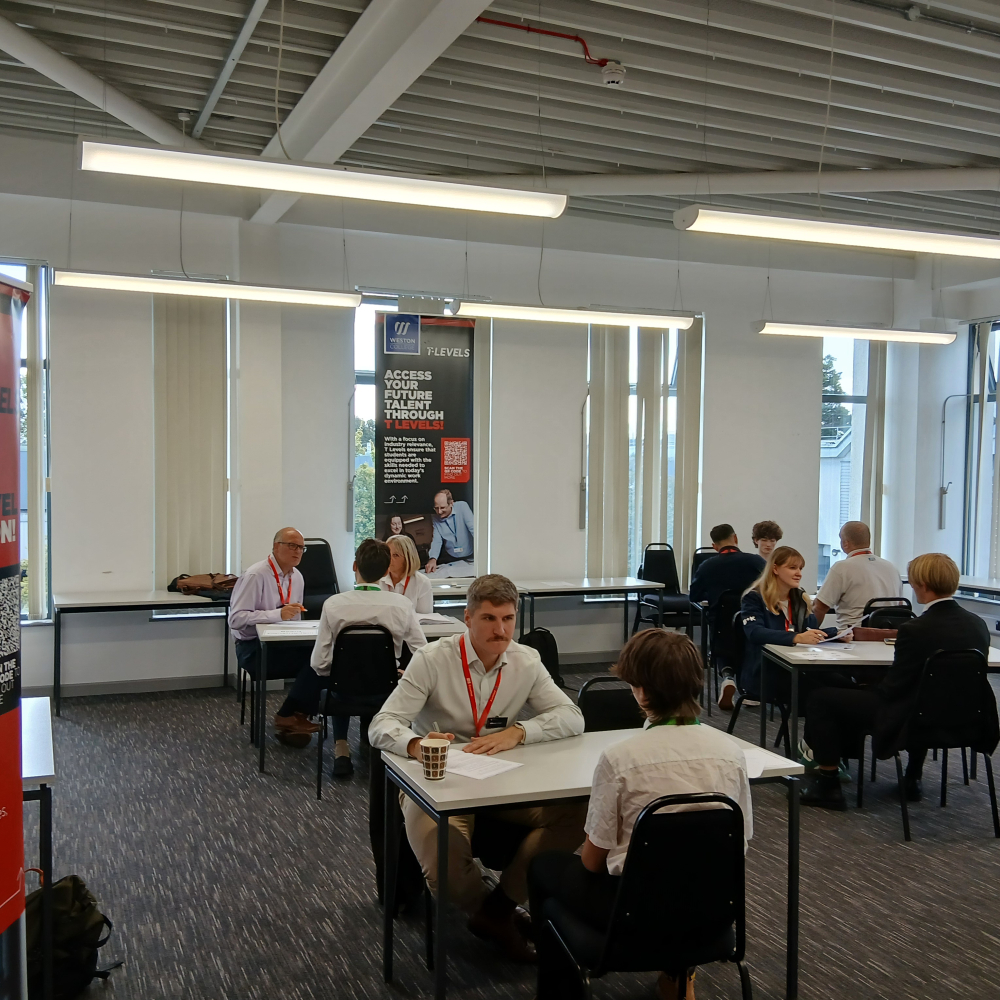
Work experience provides learners with a short-term opportunity to explore a career area, gain insight into the world of work, and develop essential employability and soft skills, such as: communication, teamwork, and confidence. It helps young people make informed choices about their future, while giving employers a chance to inspire and engage the next generation.
Industry placements, on the other hand, are typically longer-term and form an integral part of a qualification, such as a T Level. They allow learners to apply their classroom learning in a real-world environment, while employers gain support from students who are developing skills directly aligned with their industry. In many cases, these placements act as a bridge between education and employment, helping businesses shape and grow future-ready talent.
Why Work Experience Matters
Work experience gives employers the chance to meet motivated young people who might not yet have the perfect skillset, but who demonstrate the curiosity, drive, and mindset to grow within your organisation.
At Weston College, we see time and again how successful work experience placements evolve into apprenticeships or permanent roles. This not only strengthens retention but also builds a culture of loyalty and development within the business.
The Real Benefits for Employers
Work experience is far more than a goodwill gesture – it’s a strategic opportunity that delivers tangible benefits, including:
- A recruitment pipeline: Access a pool of potential talent who already understand your organisation.
- Staff development: Enable existing employees to develop leadership, mentoring, and communication skills.
- Fresh perspectives: Gain new ideas and insights from young people who bring creativity and curiosity.
- Project support: Benefit from additional help on short-term tasks or initiatives.
- Community impact: Contribute to your corporate social responsibility goals by supporting local young people.
These benefits sound compelling on paper – but the real impact is best seen in action.
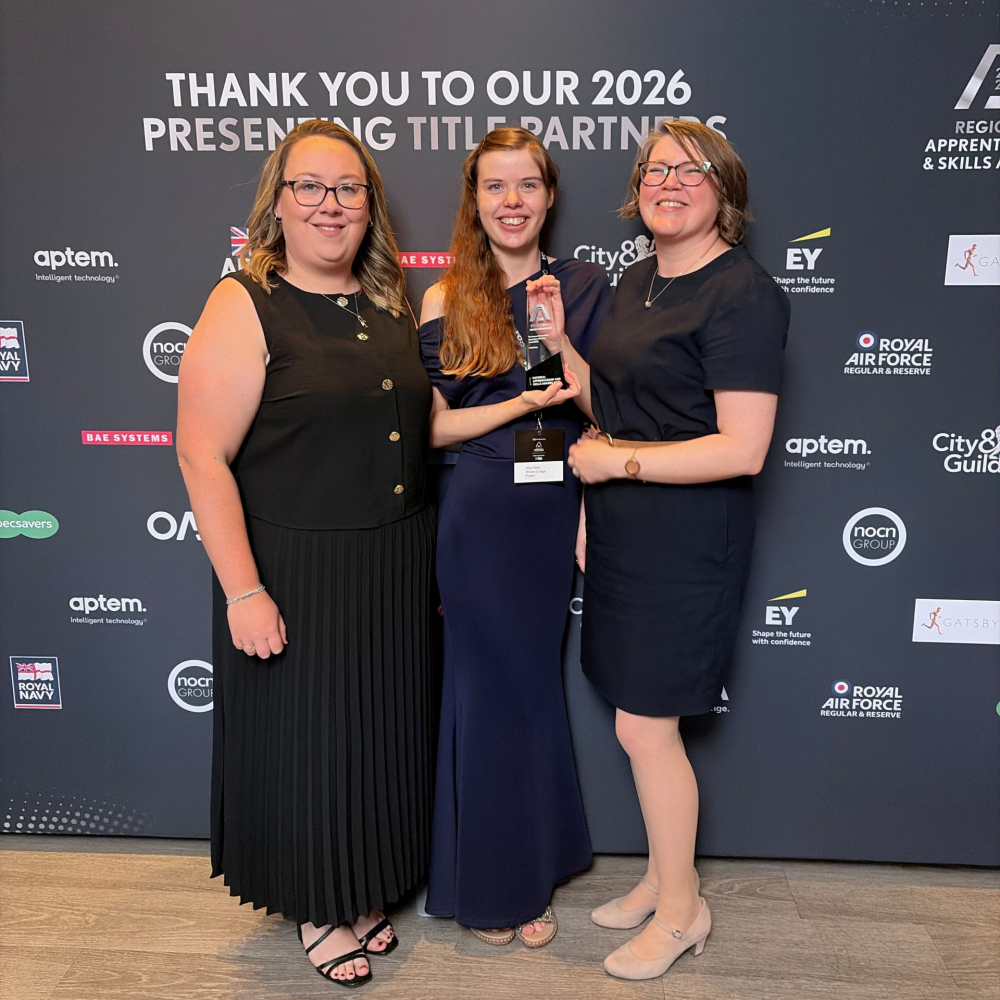
At the Weston College Business Awards, we heard first-hand from learners and employers who have transformed each other’s futures through work experience.
From Work Experience to Industry Innovation
It can be easy to look at the impact in the moment, but it also important to look at the longer term picture, and how work experience can be beneficial in unearthing new talent.
One shining example is Jack Lewis, who completed his work experience with Singer Instruments. Jack made such an impression that he was offered the company’s first-ever degree apprenticeship upon completing his studies.
Since then, he’s introduced cutting-edge 3D printing technologies that reshaped the company’s manufacturing processes – reducing costs, improving safety, and minimising environmental impact. Jack’s innovations, including a redesign of microscope components that cut costs from £24 to just 17 pence, demonstrate the powerful long-term impact of giving young people their first opportunity.
Jack was named Somerset Apprentice of the Year and is now shortlisted for the National Apprentice of the Year Award at the Association of Colleges Awards – a testament to what’s possible when employers invest early in emerging talent.
Different Routes to Get Involved
There’s no one-size-fits-all approach to work experience. Weston College offers a range of flexible routes to help you find the right fit for your organisation:
The King’s Trust Programmes – Supporting young people not currently in education, employment, or training to gain vital workplace experience.
T Levels – Two-year courses equivalent to three A Levels, combining classroom learning with an industry placement of at least 45 days (315 hours).
Work Experience Placements – Short-term placements (typically one week) across all curriculum areas, allowing learners to put their skills into practice.
Supported Internships – Designed for young adults with SEND, supported by highly qualified professionals to create inclusive workplace experiences that benefit both learners and employers.
Partner with Us to Shape the Future Workforce
We know that understanding the different pathways can feel daunting but you don’t have to navigate it alone. Our team at Weston College is here to help you find the route that best aligns with your business needs, culture, and long-term goals.
Together, we can create meaningful opportunities that empower young people, strengthen our local economy, and ensure your business is ready for the future.
Contact us, to find out how we can support you and your business.
Antonia Travers
Director of Student Experience and Personal Development