


DfE Visit Highlights Inclusion and Support for Learners


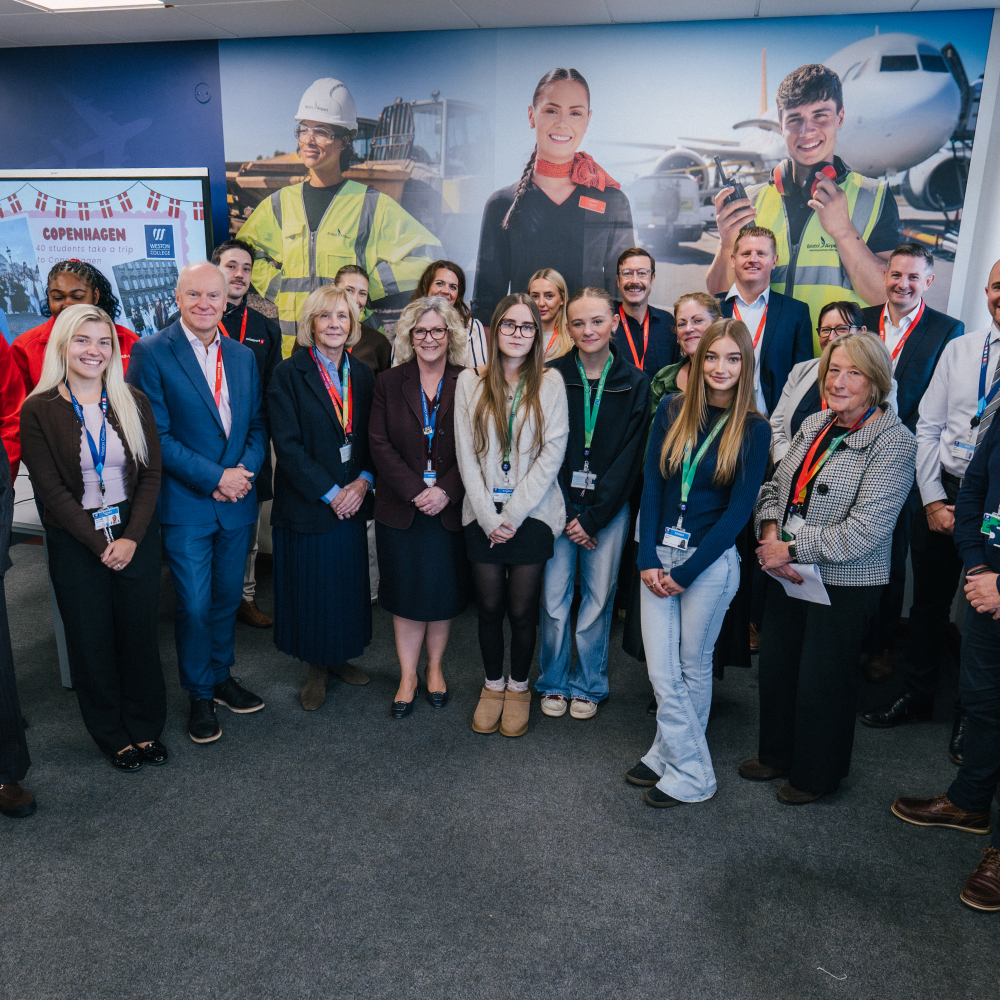
Weston College recently welcomed colleagues from the Department for Education (DfE) to showcase its inclusive approach to supporting learners with special educational needs and disabilities (SEND), those experiencing disadvantage, and learners requiring mental health support.
The visit gave the DfE the opportunity to see how inclusion is embedded across the College, from specialist SEND provision and supported employment pathways to mental health support and strong partnerships with local communities and external organisations.
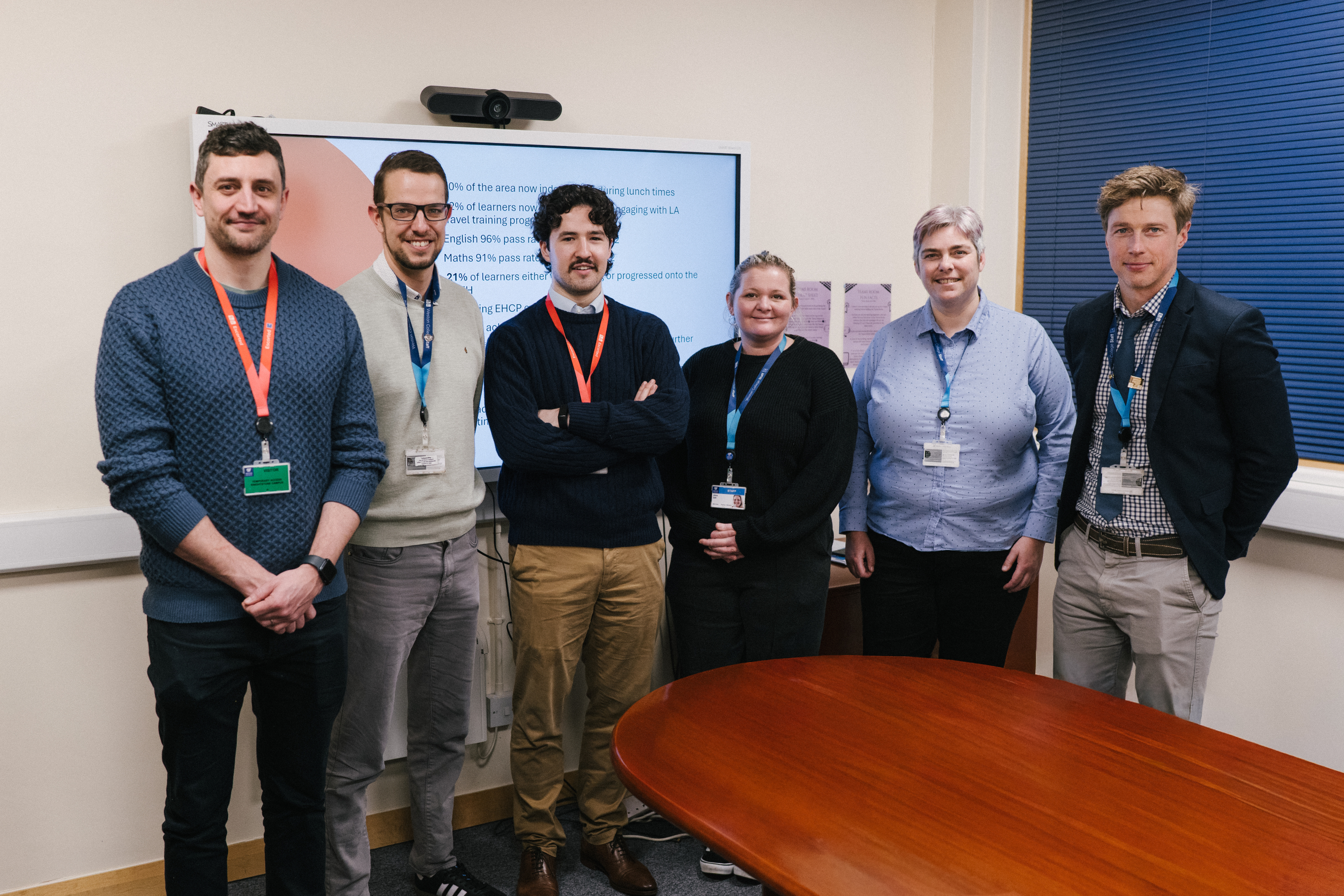
DfE visitors Paddy Breeze, Post-16 SEND Policy Adviser, and Mike Lewis, Mental Health Policy Adviser, both from the Social Justice and Disadvantage Division, met with staff and learners to hear more about how Weston College is translating national priorities into practical, day-to-day support for young people.
During the visit, the College highlighted several key initiatives designed to improve outcomes, wellbeing and progression for learners. These included the Five Cs for a Compassionate College, the Equity in Education Framework, and the impact of its specialist SEND curriculum and Supported Employment Excellence Hub. Together, these initiatives reflect a whole-college commitment to equity, inclusion and opportunity.
The visit was particularly timely, coming soon after the launch of Weston College’s Inclusion Strategy and Inclusion Promise in January, as well as the introduction of the new Ofsted inspection framework with its increased focus on inclusion. It also aligns with national discussions ahead of the expected publication of the new SEND White Paper.
Ben Knocks, Deputy Principal at Weston College, said:
“We were really pleased to welcome colleagues from the Department for Education and to share the work we are doing across the College to support SEND learners and those facing disadvantage. Inclusion is not a bolt-on for us – it sits at the heart of everything we do. Our Inclusion Strategy and Inclusion Promise are about making sure every learner and member of staff feels supported, understood and able to succeed, whatever their starting point.”
The visit provided a valuable opportunity for discussion and shared learning around inclusion, SEND and mental health support in further education, and how national priorities are being reflected in practice at college level.