



Egbert the Emu Arrives at Weston College


Animal Management are delighted to introduce the newest addition to the team: baby Emu, Egbert. Egbert’s carers have been spending lots of quality time with the little chick, in the hopes that he would imprint on them.
This is something that Emus do in the wild in order to learn and identify with their caregivers, in Egbert’s case this is the wonderful Animal Management team.
The incredible staff and students have had great success, with Egbert following them around everywhere and becoming a popular and beloved member of the family.

Animal management students to benefit from Puxton Park link
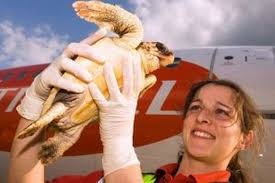
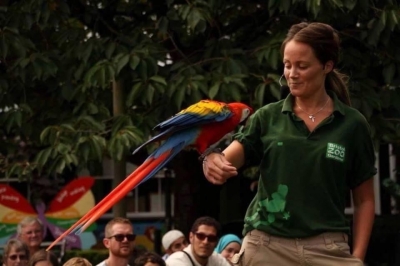
Weston College students will get the chance to work with an exciting new range of animals thanks to a partnership with one of the region’s top visitor attractions.
The College has joined forces with Puxton Park, which will enable students to develop industry-specific skills working with the park’s specialist facilities and animals.
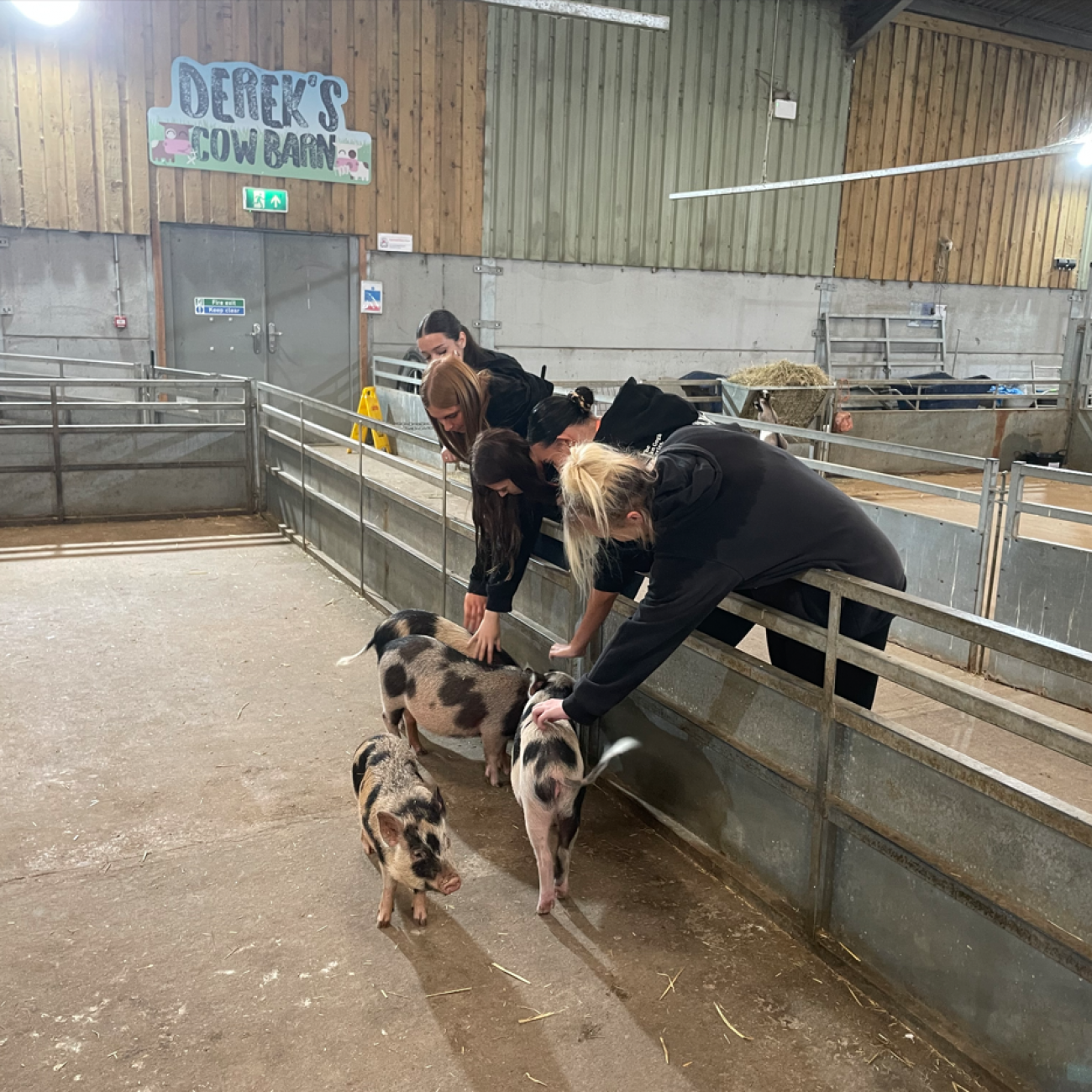
Puxton’s range of domestic, farm and exotic animals include tortoises, parrots, reindeer, owls, meerkats, donkeys, goats, ponies, rare pigs, alpacas, cattle, emus and stick insects.