


News and events
We aim to keep you up-to-date with the very latest Weston College news and events. Take a look below at what's going on at the College!
Got news you want to share with us? Email marketing@weston.ac.uk
Got news you want to share with us? Email marketing@weston.ac.uk
Take a look at this powerful film made by the staff of Weston College to show how important it is for everyone from different backgrounds to be included. The film shares heartfelt stories and interviews with a diverse group of staff, showing how accepting different identities and backgrounds can make a big difference. Its purpose is to encourage viewers to think about their own biases and work towards making our community more welcoming to all. We invite everyone, regardless of their background, to join us and be a part of our journey toward a more inclusive future.

Our workplace champions the right of staff to embrace all Afro-hairstyles. We acknowledge that Afro-textured hair is an important part of our Black employees’ racial, ethnic, cultural, and religious identities, and requires specific styling for hair health and maintenance. We celebrate Afro-textured hair worn in all styles including, but not limited to, afros, locs, twists, braids, cornrows, fades, hair straightened through the application of heat or chemicals, weaves, wigs, headscarves, and wraps. In this workplace, we recognise and celebrate our colleagues’ identities. We are a community built on an ethos of equality and respect where hair texture and style have no bearing on an employee's ability to succeed.
My name is Jason, and I am the General Manager at the Club and Spa Cadbury House. DoubleTree by Hilton Cadbury House is the South West’s finest four-star boutique hotel and spa, and provides event spaces for weddings, private parties, business events, spa breaks or dining experiences. My role at the business is to oversee the day-to-day running of the Health Club and Spa.
We have worked with Weston College for a number of years, as we can see that the students get the best possible help, support and training from the excellent team of tutors available, and we trust the judgement from them on the students that they recommend to us.
We have regularly employed students from the college in various departments of the business as well as giving many students the opportunity for work experience. We find work experience is extremely beneficial as it allows the learner to see first-hand how a business operates in their first steps before employment. We have regular communication with the tutors and business team, to make sure the relationship is always strong.
Working with the college has given students the opportunity to apply for various positions within the Heath Club and Spa. We have recruited many college leavers in the 16 years that I have been in charge, which has really helped us to grow our business. By having regular contact with the Weston College Team and a close working relationship, I know each leaver has been trained to the highest of standards from the excellent tutors and will provide us the experience that our guests expect. Furthermore, this is also beneficial in helping with a career for the individual.
I would highly recommend the College whatever course someone chooses; we have an amazing relationship and long may it continue!
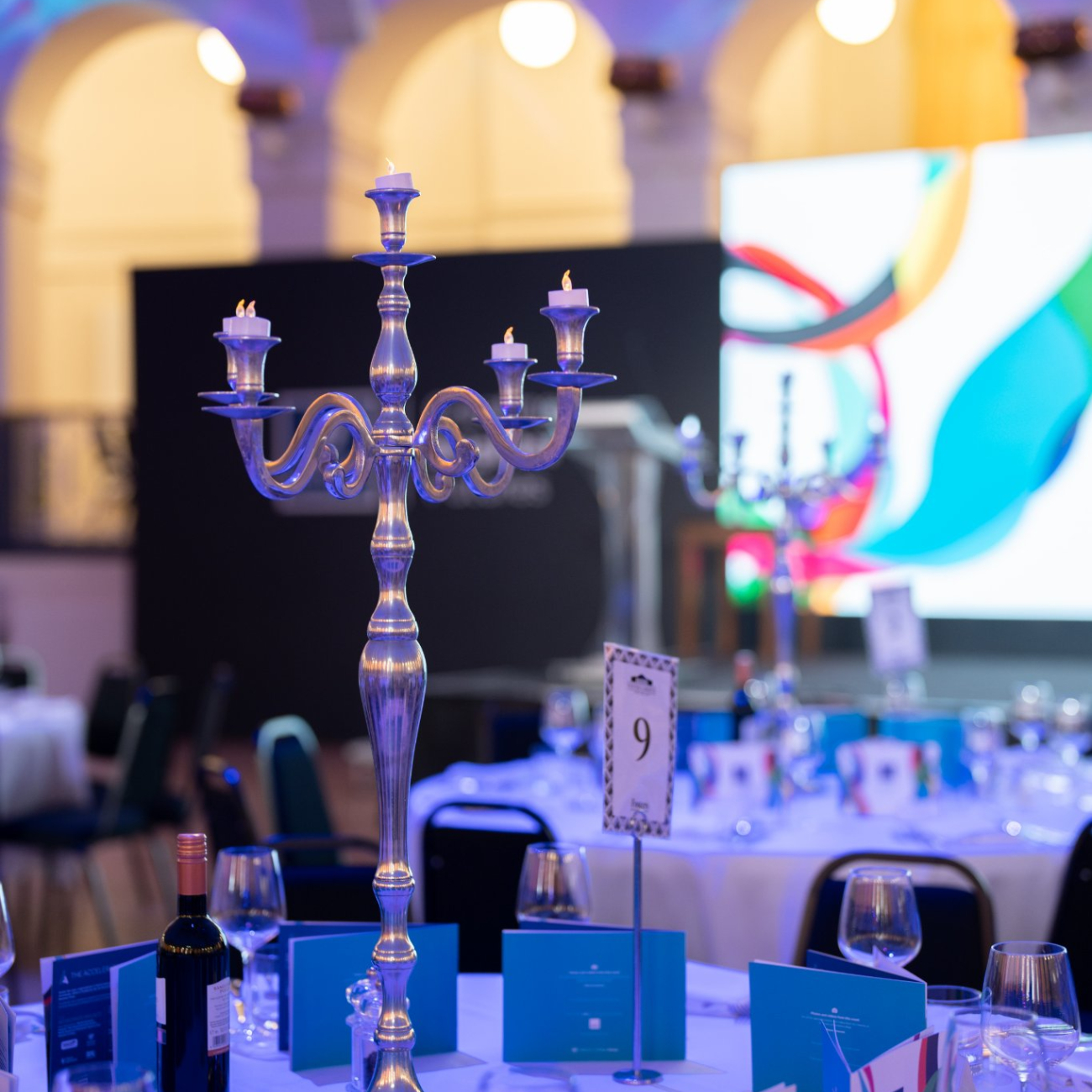
With Weston College's Annual Business Awards less than 5 weeks away, we’re excited to be bringing you the third of many employer award nominees articles!
In this article we’ll be talking through our nominees for the Industry Placement Employer of the Year award. Nominated are: Real Group Ltd, Little Waves Nursery and University Hospitals Bristol and Weston NHS Foundation Trust.
Good luck to all that have been nominated! Award winners will be announced on Thursday 30th June. Stay updated by following our Facebook, Twitter and Instagram pages or by following #WestonCollegeBusinessAwards2023.
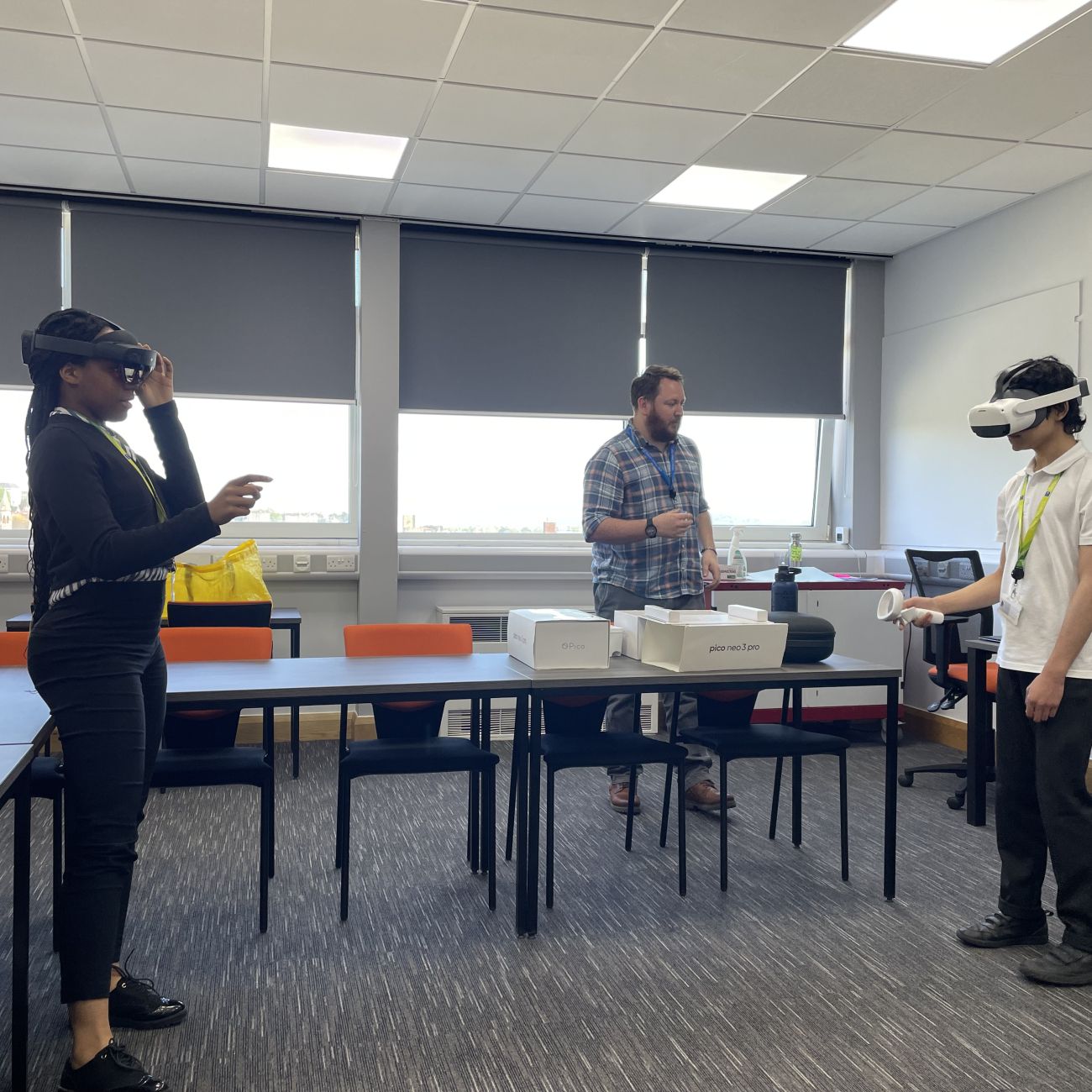
This week two learners from Priory School had the opportunity to gain work experience with the Marketing Department at Weston College.
We asked Chimdiya and Erick to share their experiences, and give us a behind the scenes look into work experience with Weston College:
Work experience for me was an enjoyable experience and a lot of skills were learnt. We had a tour of the campus and we got to see some of their facilities and classrooms where their courses take place.
The staff made me feel very welcome and gave clear instructions on what to do and aided me whenever I was unsure about certain tasks. During the week I was given a series of tasks which I enjoyed doing. We were given an opportunity to experience virtual reality (VR) and augmented reality (AR) where we were able to view holograms in real- world settings.
We were given a 1-hour lunch break where we could go to the cafeteria to buy some food; they had really good paninis.
The most enjoyable part of my work experience was how everyone was so welcoming and how everyday was so different and enjoyable.
As the days went by, I was given a bigger task like finding different platforms for different companies and businesses for the business awards, reviewing the past prospectuses of the college and conversing about the differences and similarities. which I found challenging at first, but as time went on, I eventually understood.
Chimdiya
Hi my name is Erick, I am 14 years old and have been doing Work Experience for the past three days with Weston College.
I’ve mostly been learning about the different departments in marketing and what it is like in the life of someone who does Marketing at Weston College.
So far I’ve designed some web design ideas, watched how people record footage for their advertisement videos, written about how the website can be improved to target a certain audience, finding Twitter Tags of companies and researching local events which might clash with key openings or other events.
I even got to try out how VR is being implemented into learning at Weston College and other places of education! I’ve been finding it to be quite a unique interesting experience of being able to work at this place as a part time job.
Especially being given tasks which probably the normal person who works at Marketing would get.
I also get one free hour of lunch and get to go off to the canteen! The food is pretty good, especially the Paninis. I will always remember them and buy them at any opportunity.
Weston College seems to be an amazing place to go especially with all the courses you can take! You can literally get your dream job and start here.
The facilities are all well designed and kept extremely tidy, being extremely suited for certain subjects!
So overall an amazing place and I’ve been enjoying it while I work here for work Experience!
Erick