


How Bristol Port and Weston College Are Shaping Future Talent



Employers
How has Bristol Port worked with Weston College to support staff development and upskilling across the business?
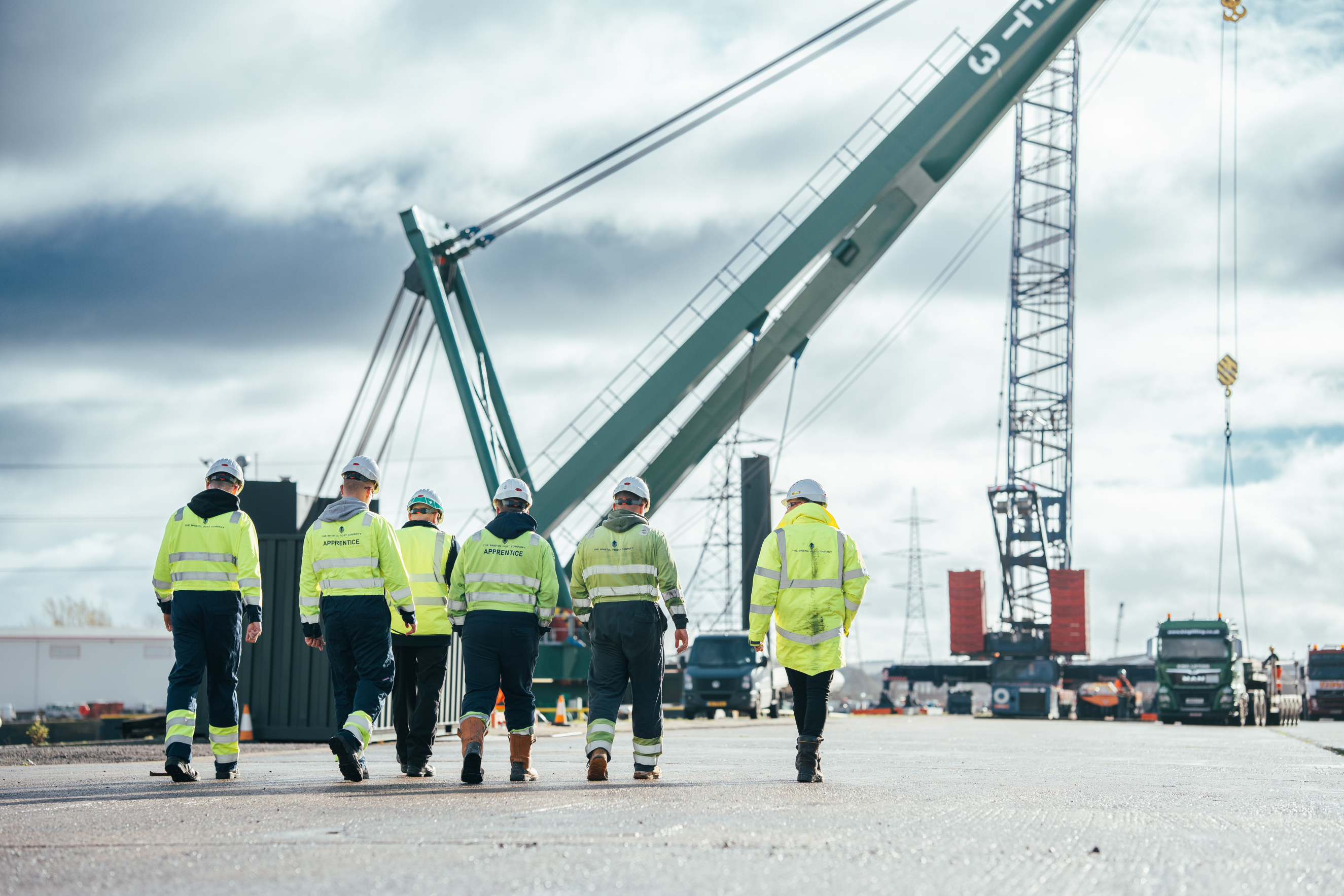
Weston College has worked closely with Bristol Port Company across a wide range of learning and development initiatives to support staff development and upskilling throughout the business. This has included apprenticeships in Engineering, Marine, IT, HR and Stevedoring, helping employees build practical skills and long-term careers within the Port.
The partnership has also delivered leadership apprenticeship training through ILM Level 3 and Level 5 programmes for more than 60 employees, supporting the growth of leadership capability across the organisation. In addition, Weston College has supported the development and delivery of new Port induction programmes, as well as crane contractor inductions.
Weston College has also designed and delivered a number of bespoke training courses tailored to the Port’s operational needs, including Train-a-Trainer programmes, Dignity training and ILM Level 2 qualifications.
What types of training programmes have been most beneficial for your workforce?
ILM training has been particularly beneficial in supporting Bristol Port’s leadership teams, enabling employees to unlock their potential through a deeper understanding of both the business and its leadership requirements. These programmes have helped strengthen management capability and develop confidence across teams.
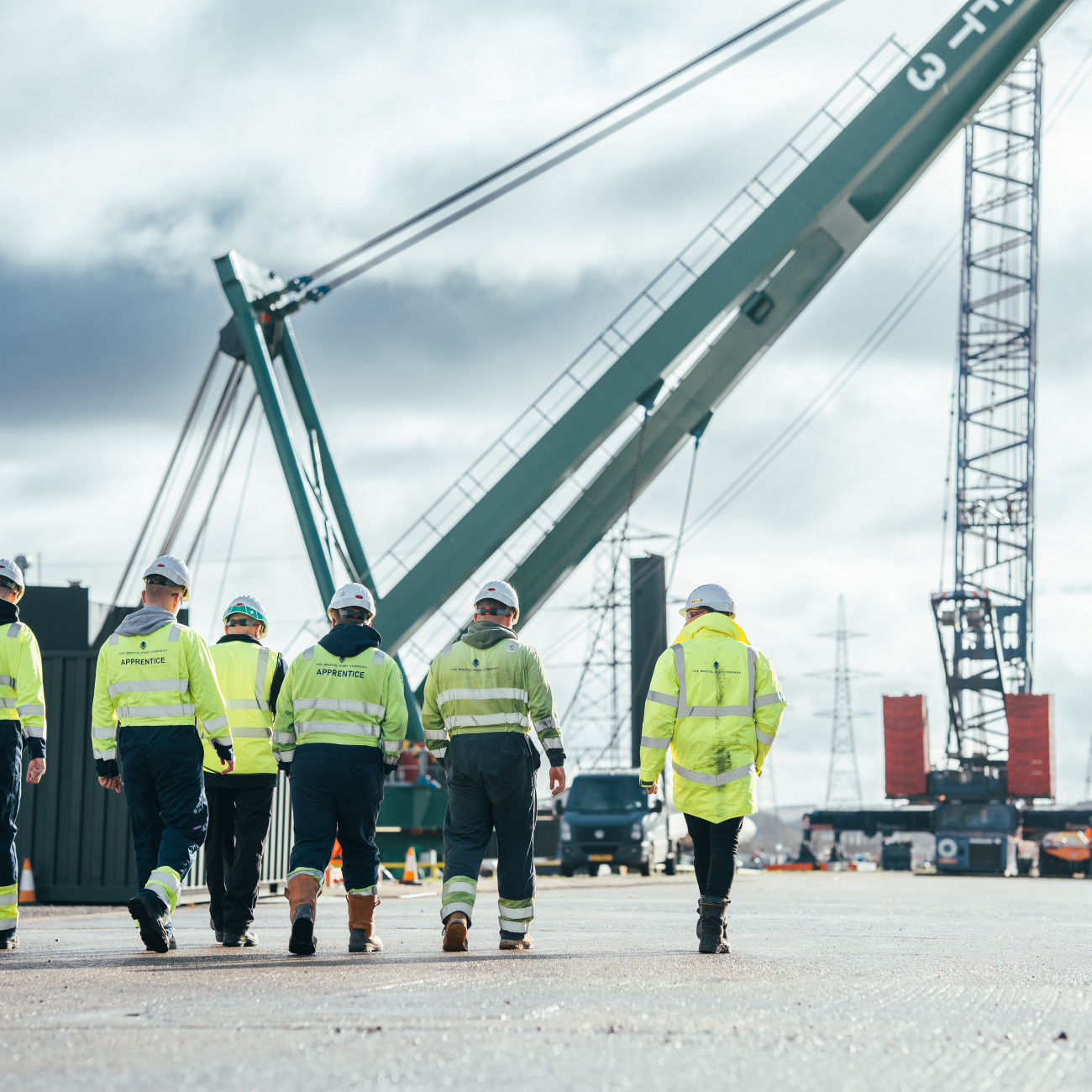
Weston College has also worked with Bristol Port to deliver high-quality apprenticeship programmes, providing employees with the broadest possible foundation for long-term careers at the Port. These apprenticeships combine practical experience with recognised qualifications, helping to build a skilled and adaptable workforce for the future.
Bristol Port has completed ILM Level 2, Level 3 and Level 5 apprenticeships with Weston College. What impact have these leadership and management qualifications had on staff and the wider business?
Bristol Port’s ILM Level 2, 3 and 5 apprenticeships with Weston College have had a significant positive impact across the business by strengthening leadership and management skills at all levels.
Employees who have completed the apprenticeships have gained greater confidence, improved communication skills and stronger team management abilities. The qualifications have also provided staff with recognised professional development opportunities and clearer pathways for career progression, helping to create a more capable and motivated workforce.
How have apprenticeships supported workforce development at Bristol Port?
Apprenticeships have played a critical role in workforce development at Bristol Port by enabling employees to gain practical skills, industry knowledge and recognised qualifications while working. They are helping to develop the Port’s future managers and leaders by building capability from within the organisation.
For employees, apprenticeships provide valuable hands-on experience, structured training and the opportunity to earn while they learn, supporting long-term career development. For the business, apprenticeships help attract new talent, support succession planning and ensure the workforce has the skills needed to meet future operational demands.
Bristol Port is now undertaking a second round of “Train the Trainer” programmes with Weston College. What has made this training successful enough to continue expanding it?
Training and development have been a priority for Bristol Port from the very beginning, with a dedicated training department established in the company’s first year of business to ensure high standards are maintained across operations. Instructors play a vital role within the Port by delivering the practical skills required to support trade and operational activity.
As the business has grown and trade commodities have evolved, there has been an increasing demand for new skills to meet customer requirements. The success of the initial Train the Trainer programme has therefore led to a second round of training, helping the Port continue expanding internal expertise and capability.
Can you talk about the process of identifying staff training needs and how Weston College helps provide the right solution for those requirements?
Bristol Port identifies staff training needs through regular discussions with trade managers, performance reviews and ongoing assessments of operational and future business requirements. Skills gaps, succession planning and changes within the industry all help shape the company’s training priorities.
Weston College supports this process by providing flexible, industry-relevant training solutions tailored to the Port’s specific needs. By working closely with staff and maintaining a strong partnership approach, the College is able to respond effectively to changing requirements and deliver training that has a direct impact on the business.
How does partnering with a local college help Bristol Port stay competitive and future-focused as an employer?
Partnering with a local training provider such as Weston College allows Bristol Port to respond quickly to changing workforce demands and develop training programmes that are tailored to specific operational needs.
This investment in people helps the business remain future-focused by improving staff retention, strengthening workforce capability and building a strong pipeline of talent for the future. The partnership also ensures employees have access to high-quality development opportunities close to home, supporting both individual career growth and long-term business success.
Is there anything you would like to add?
The relationship with Weston College is one of true partnership in every sense of the word. The college cares deeply about our employees and no challenge has been too difficult.
Benjamin Franklin said “An investment in knowledge pays the best interest”. This quote could not be more true in our case.