


Learners Take Part in Safety Talks and Workshops to Gain Understanding of County Lines



Employers
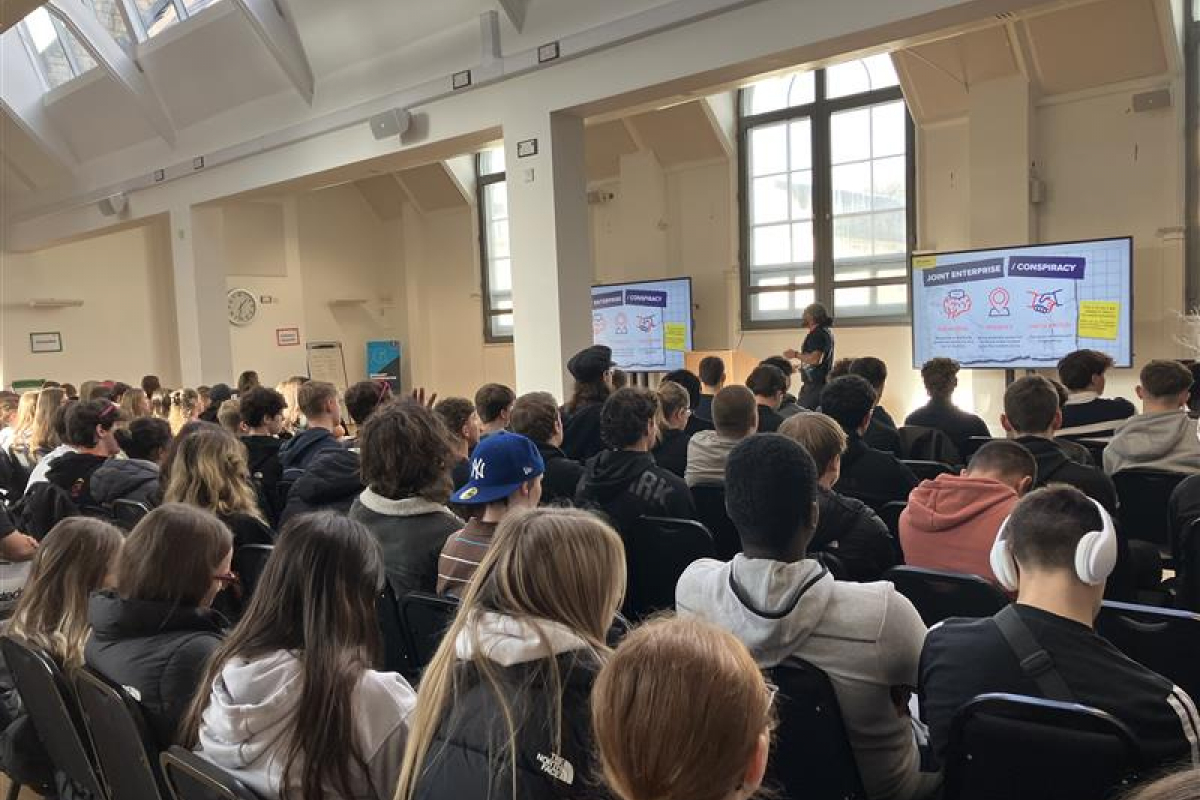
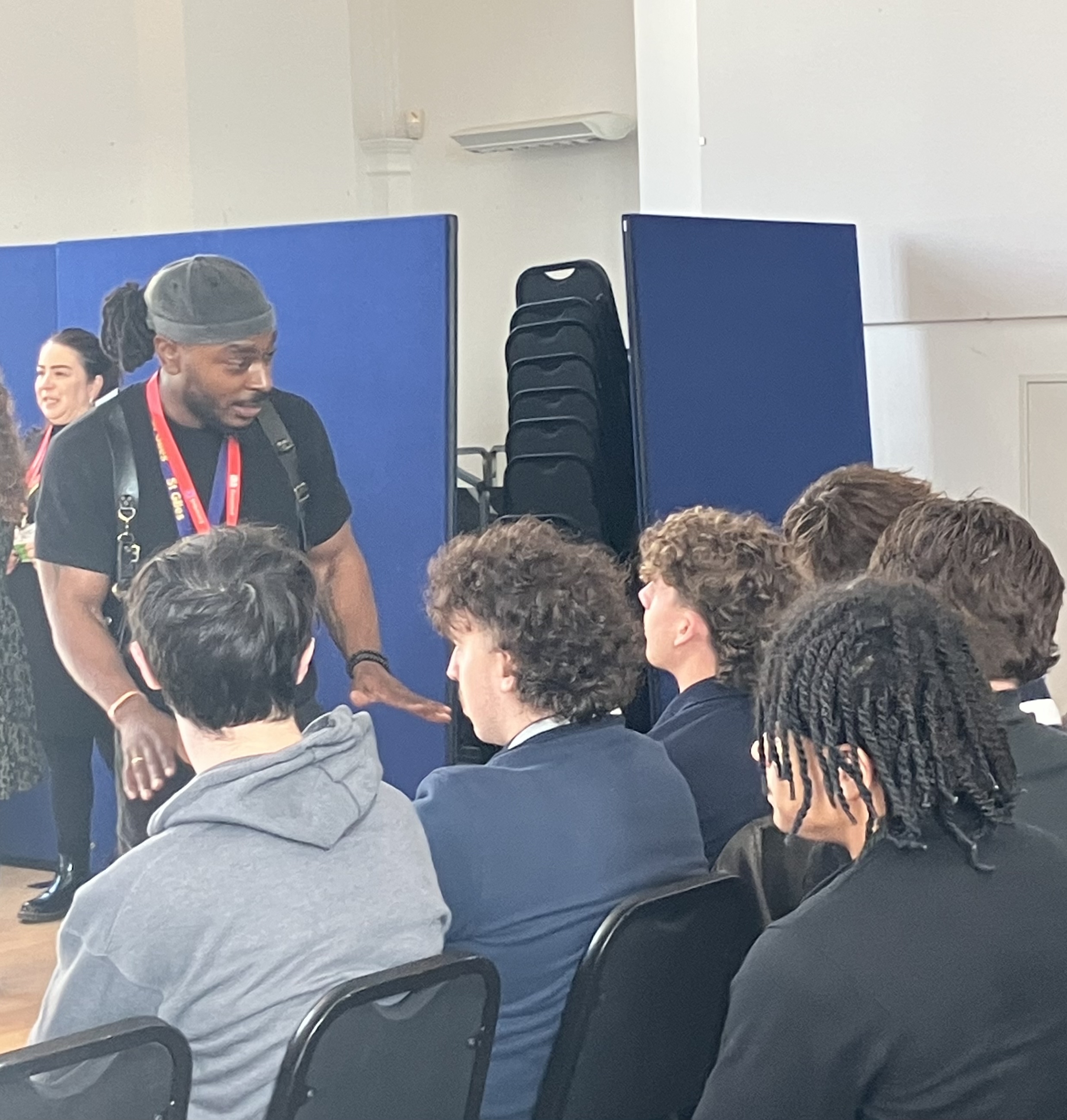
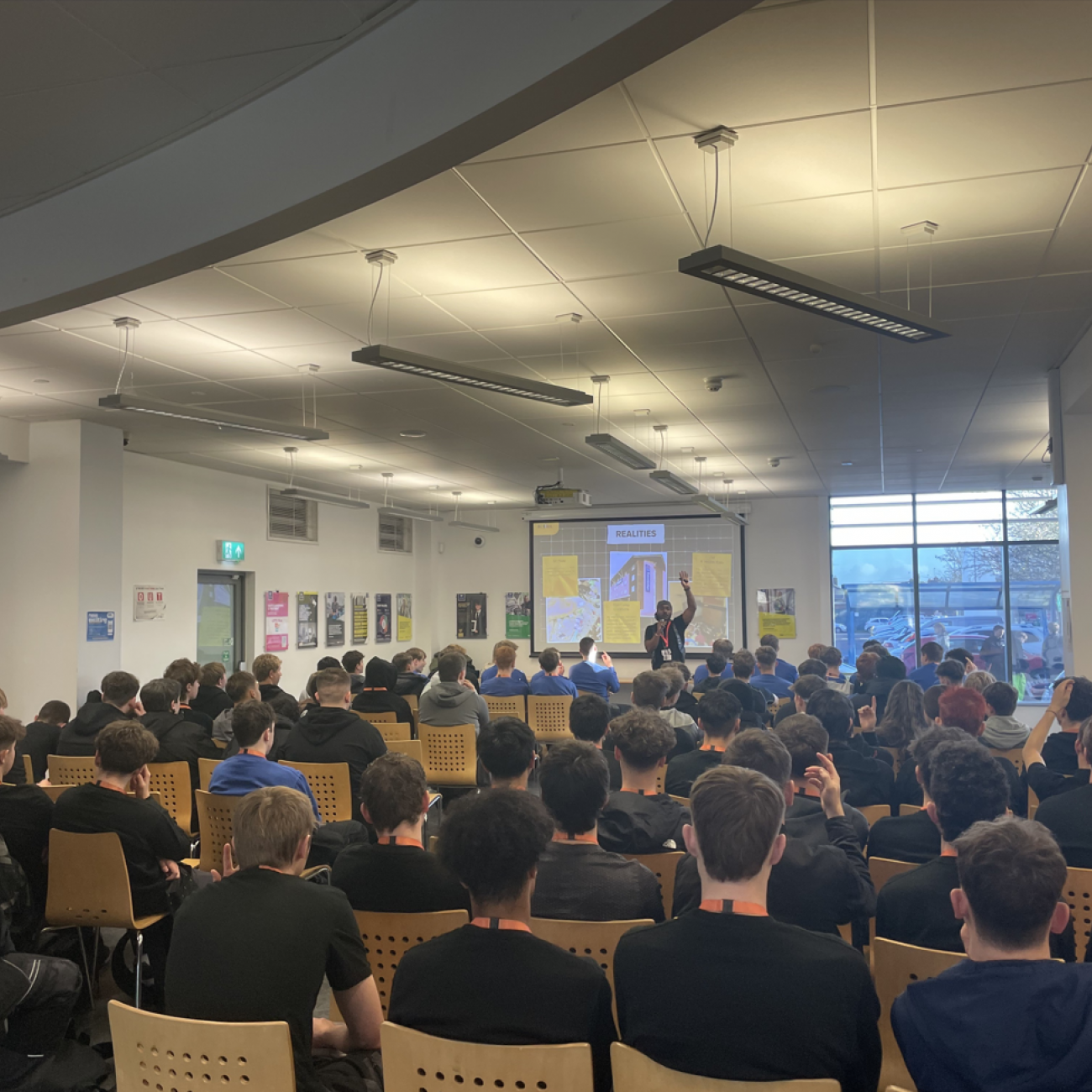
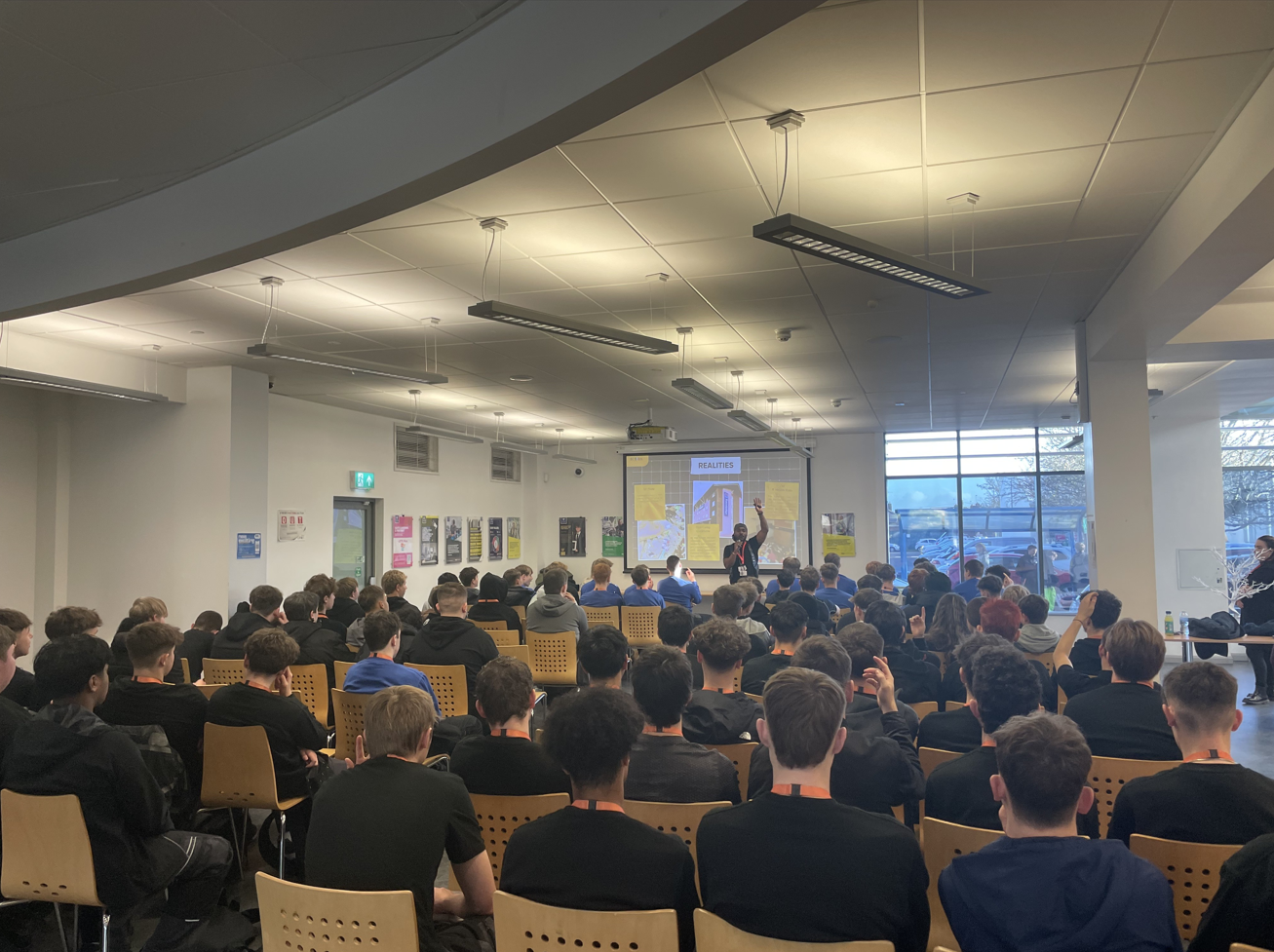
Learners across all Weston College campuses recently took part in a series of impactful workshops delivered by St Giles Trust in partnership with the local authority Violence Reduction Partnership (VRP) as part of the Home Office delivery plan. Focusing on the realities of county lines, knife crime, and youth exploitation, the sessions aimed to equip students with the knowledge, confidence, and practical strategies needed to make safe and informed decisions about their futures.
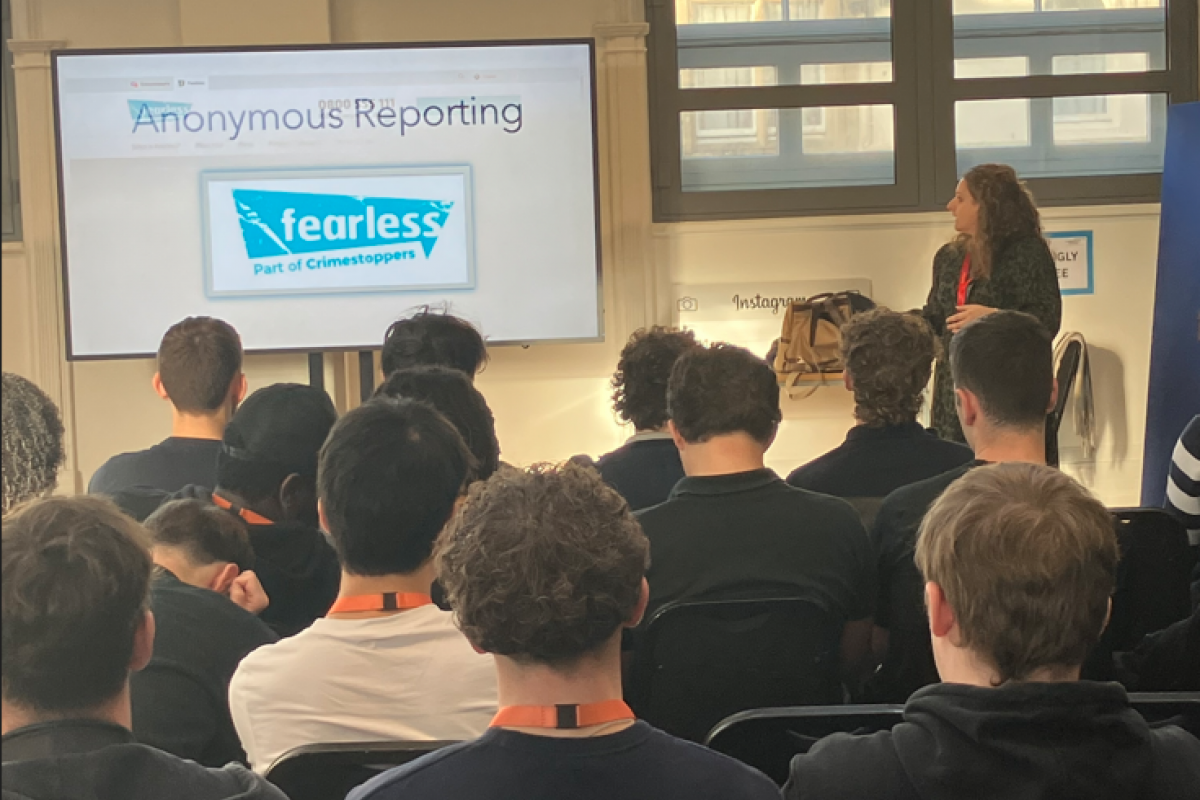
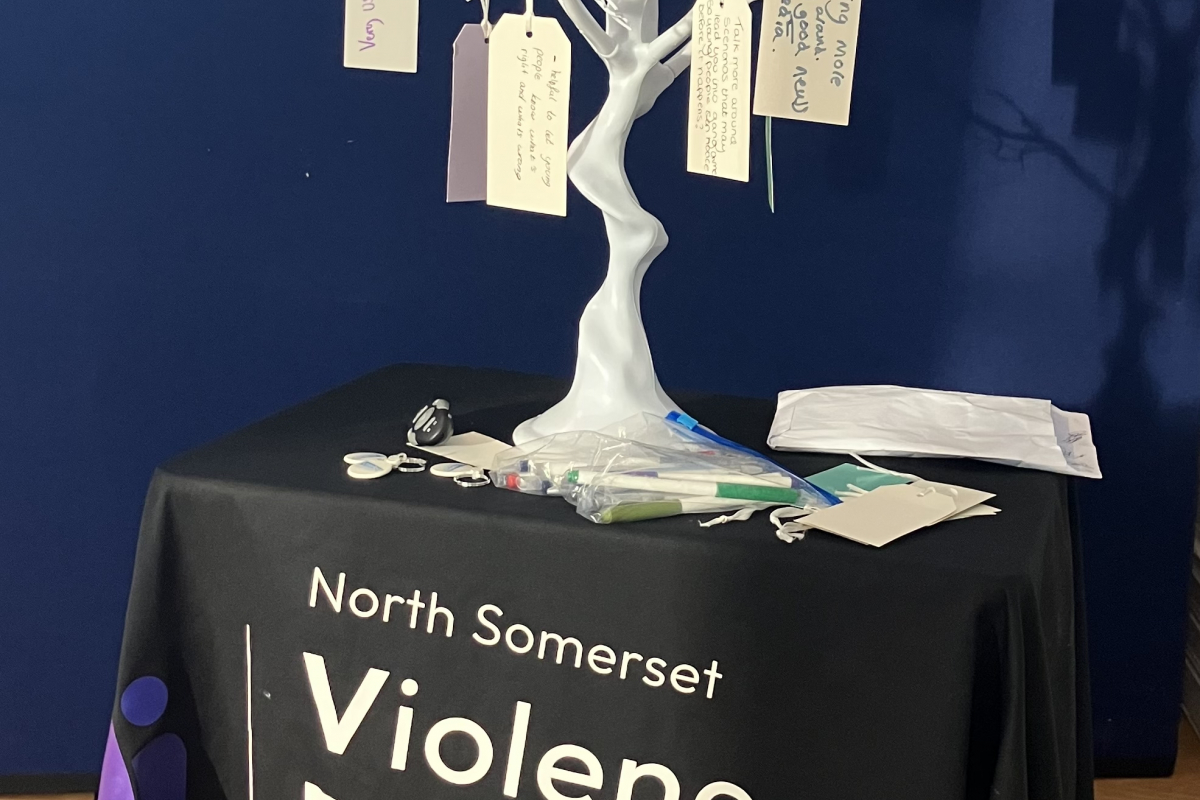
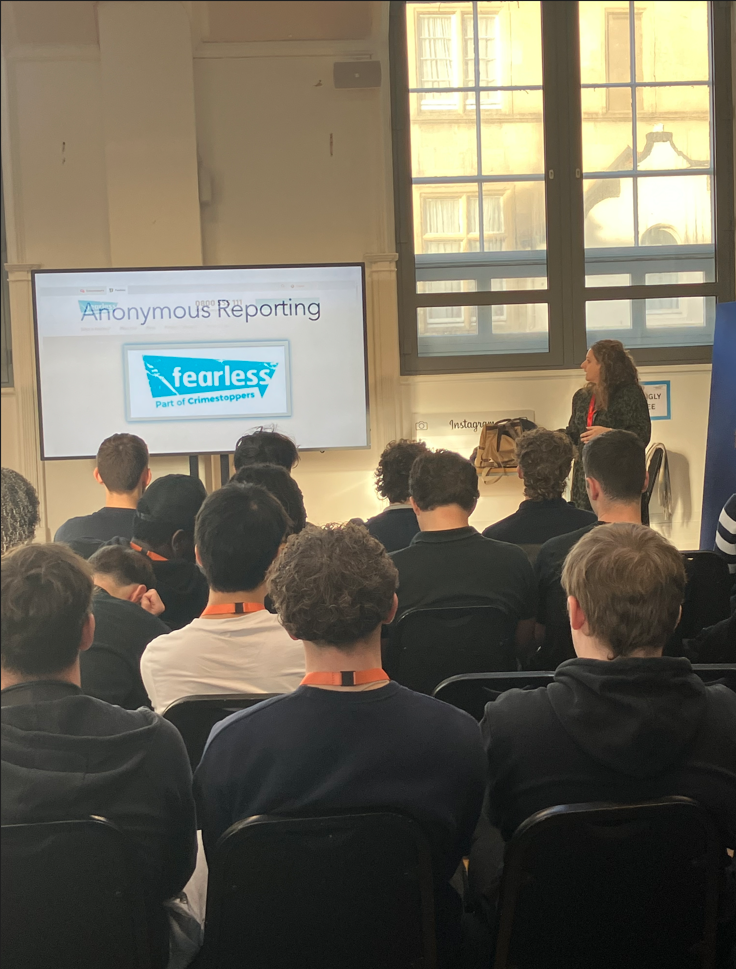
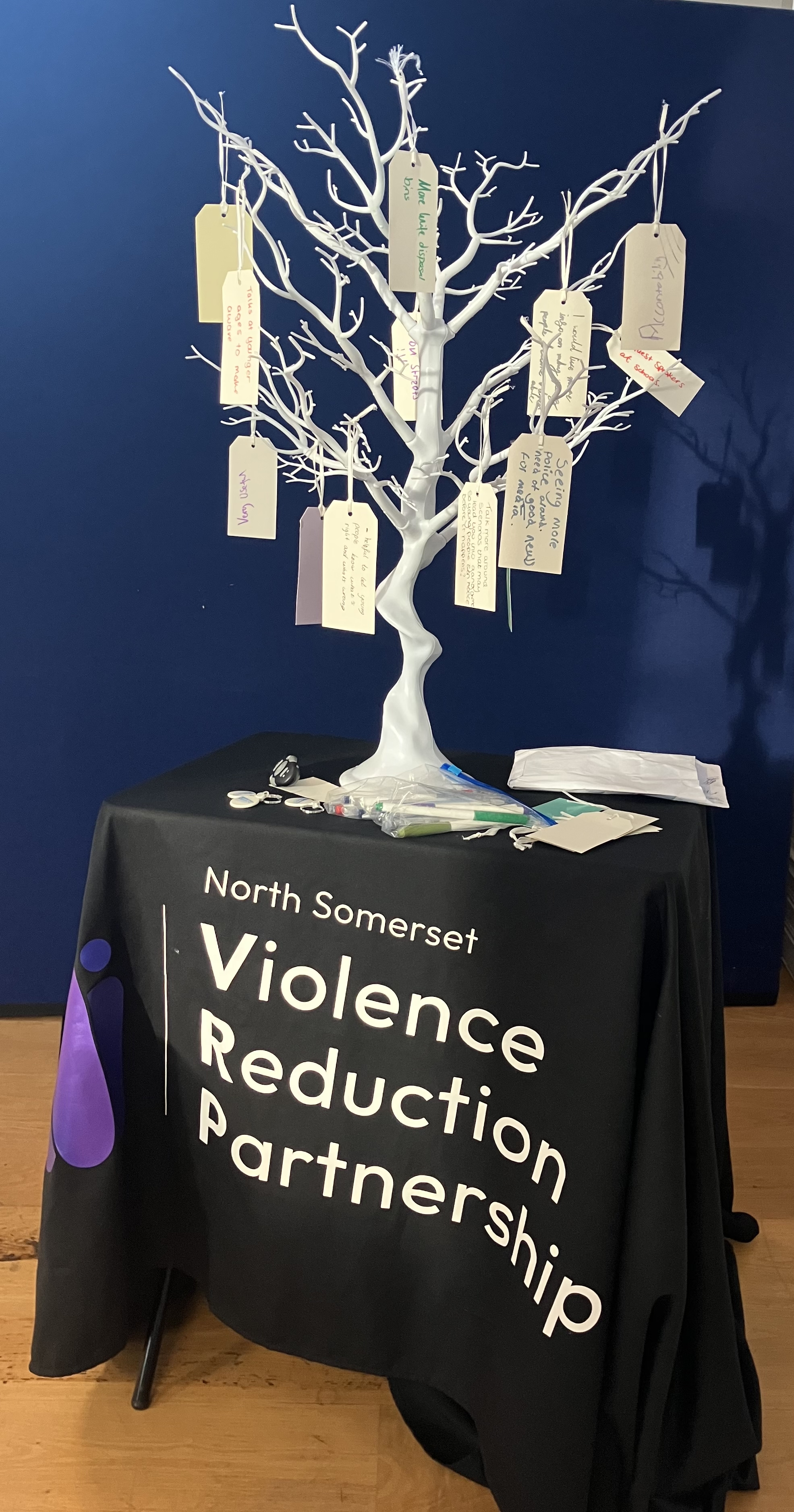
Weston College work closely with the VRP, who delivered this session both to educate learners and to gather their feedback on what is needed to improve violence reduction in North Somerset. St Giles Trust led the initial talk, which was followed by a workshop by VRP who gave helpful tips and guidance including the ability for people to report concerns about violence and knife crime anonymously on the “Fearless” website.
Drawing from real-life experiences, St Giles opened the talk with an honest dialogue about the dangers young people may face, and the tactics used by organised crime groups. By sharing personal stories and frontline insights, they helped learners understand how individuals can be groomed into criminal activity, often without recognising the warning signs until it is too late.
A key part of the workshop broke down the four stages of the grooming process:
- Targeting - identifying vulnerable young people or those perceived as easy to influence.
- Friendship Forming - building trust through attention, gifts, or offers of support.
- Loving Relationship - creating a sense of loyalty, obligation, or emotional dependence.
- Abusive Relationship - introducing threats, coercion, and control to force involvement in illegal activity.
Through this structure, learners gained a clear understanding of how gangs manipulate and exploit young people, often blurring the lines between friendship, favour, and criminal expectation.
The sessions also demystified what county lines means, highlighting how drugs are transported and sold across regions, the hierarchy of involvement, and the perspective of those involved in dealing. Emphasis was placed on the harsh realities and long-term consequences of participation, countering the myth that county lines activity offers quick or easy money. St Giles Trust stressed the concept of “short-term gain, long-term pain”, showing how short-lived rewards are far outweighed by the physical, legal, and emotional risks.
Learners were guided through practical strategies for conflict resolution, helping them recognise safer ways to navigate difficult situations without resorting to violence or carrying a weapon. The St Giles team reinforced that there are always alternatives to retaliation, and that seeking support from college staff, trusted adults, or specialist services can be a proactive step towards staying safe.
Each session concluded with practical advice and guidance, empowering students to identify exploitation, protect themselves and their peers, and access help if they are worried about themselves or someone else.
The workshops were well received across the college, contributing to Weston College’s ongoing commitment to safeguarding, awareness, and student wellbeing.