


Luke’s Journey - From Weston College to Bristol City Football Club



Alumni Trailblazers
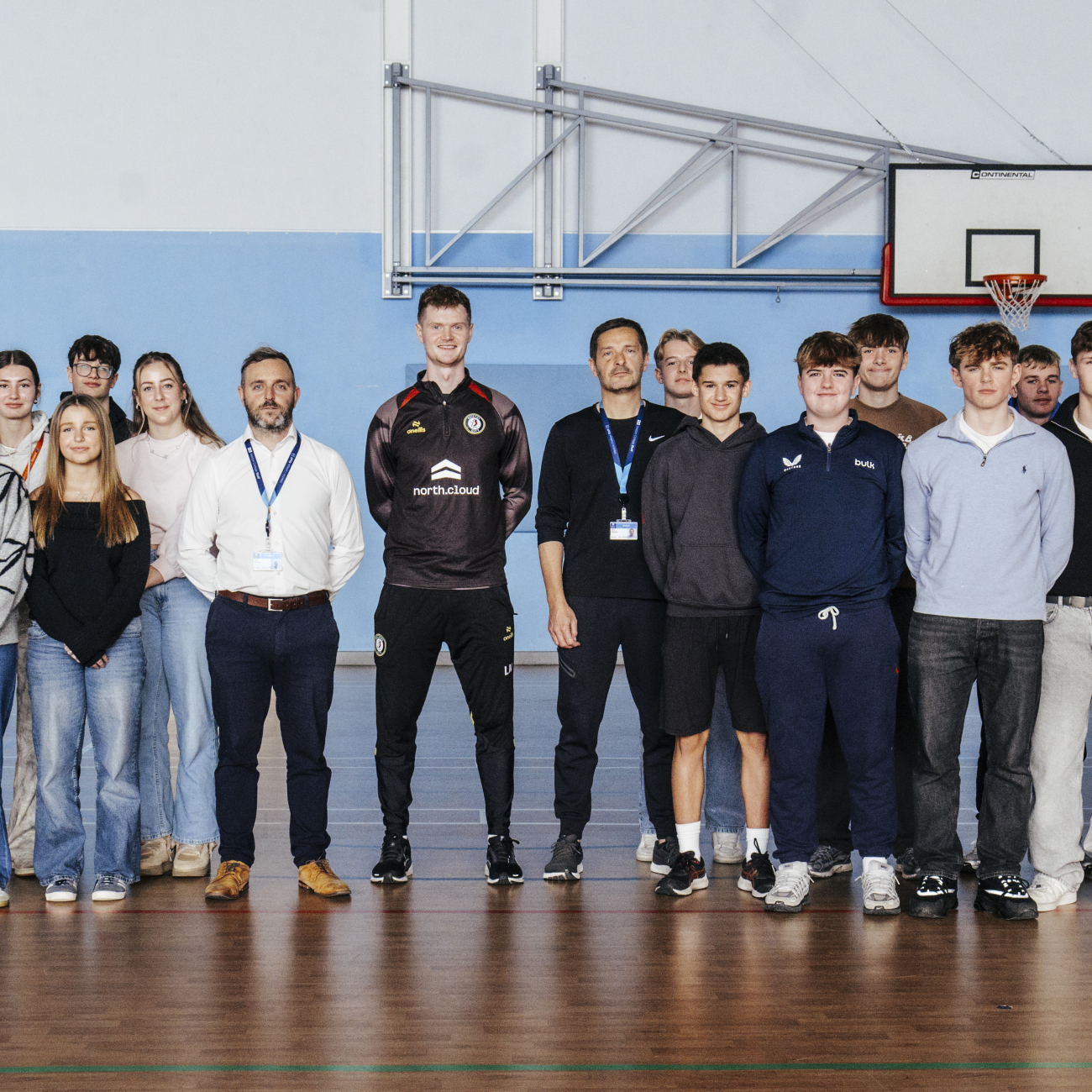
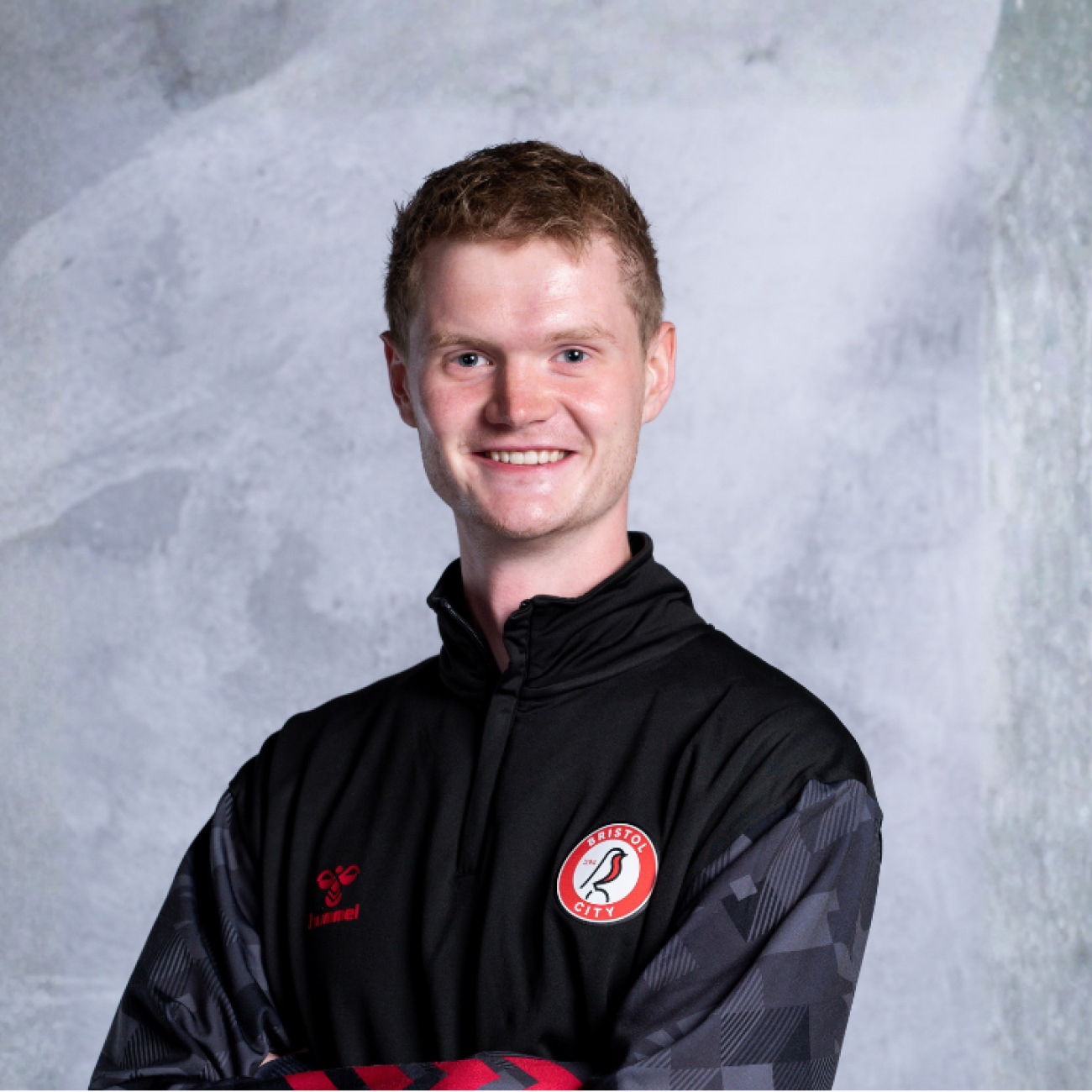
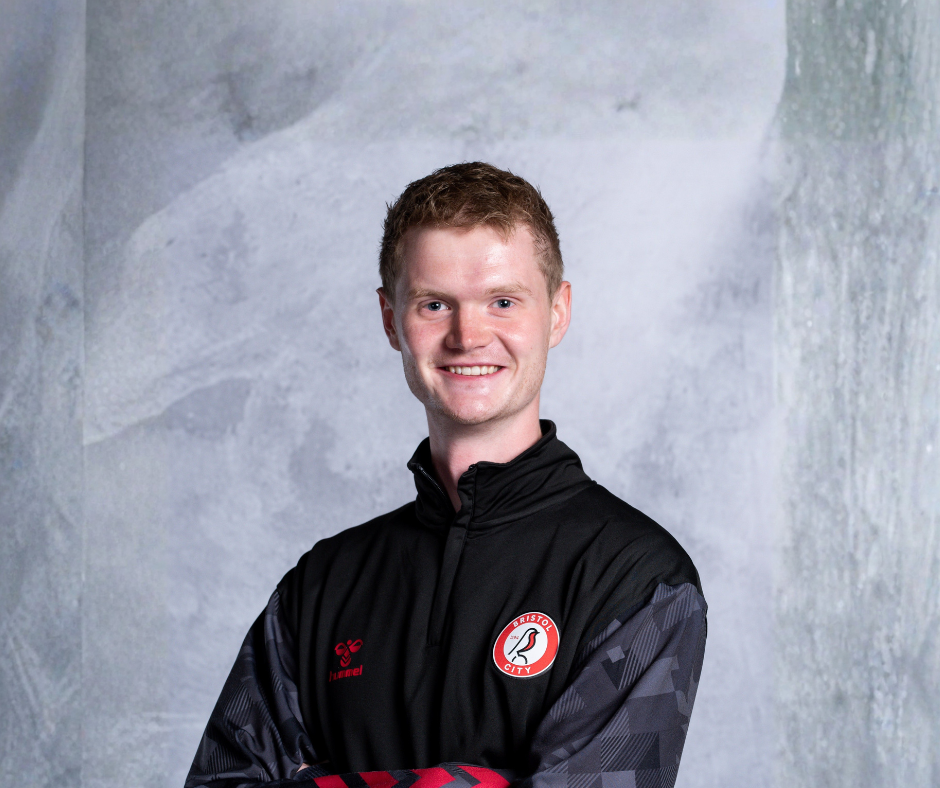
This month, we’re proud to feature Luke Morgan, a Weston College alumnus who has carved out a career in the world of professional football. Luke is now a First Team Football Analyst at Bristol City Football Club, and his journey from classroom to pitch-side is a true inspiration for aspiring sports professionals.
Who are you and what is your current job role?
My name is Luke Morgan, and I’m currently the First Team Football Analyst at Bristol City Football Club. My role involves watching, filming, and analysing the technical and tactical aspects of the team’s performance. I focus on analysing upcoming opposition teams to help develop game plans and tactics, as well as reviewing our own training sessions and matches. On match days, I’m in the stadium providing clips and information to coaches and players in real time, helping us to review and improve performance.
Can you share a bit about your journey from Weston College to where you are today?
After finishing my studies at Weston College, where I completed the Level 3 BTEC Extended Diploma in Sport and Exercise Science, I achieved the grades I needed to progress to the University of Bath to study for a BSc in Sport and Exercise Science. It was a four-year course, including a placement year that gave me my first real taste of working in professional sport.
During that placement year, I began working with a company in Durham that provided analysis support for a range of sports, including Durham County Cricket, Scotland Badminton, and England Rugby. That experience sparked my interest in performance analysis. After completing my final year at Bath, I went on to study for an MSc in Sports Performance Analysis at the University of Gloucestershire.
As part of that postgraduate course, I worked full-time with Bristol City Football Club’s Women’s First Team. After completing my studies, I was fortunate to secure a full-time position with the club, initially working with the Men’s U21 and academy teams. Over time, I progressed into my current role with the Men’s First Team, where I was part of the backroom staff during the club’s first playoff finish in 17 years.
Weston College played an integral part in that journey. It was the springboard that gave me both academic grounding and personal confidence to move into higher education and, eventually, professional sport.
Many young people feel pressured to have their entire career mapped out early on. How did your own career path evolve over time?
Growing up, I was completely obsessed with sports. If I wasn’t playing, I would be watching it! I knew I wanted to work in sport, but I didn’t have a specific career in mind. What mattered most was following something I enjoyed. Going to Weston College was the first step in turning that passion into a possible career. The course helped me understand the range of opportunities within sport and gave me the platform to progress to university.
At university, I discovered new areas within sport, especially through practical experience. That’s where I realised the importance of gaining real-world placements and internships. It wasn’t until I began my MSc at 23 that I really started to specialise in analysis. My career path wasn’t mapped out from the beginning, but being open to learning, developing, and exploring different options helped me find the right direction.
Are there any pivotal moments or unexpected opportunities that shaped your career?
There were definitely several key moments. At Weston College, the support and encouragement I received were crucial in helping me achieve the grades to attend the University of Bath. I was also given valuable career advice, including not specialising too early and keeping an open mind.
Placements and internships played a huge role, too. Throwing myself into those experiences allowed me to develop the real-world skills needed for a career in professional sports. I also learned the importance of taking initiative and actively seeking opportunities, rather than waiting for them to appear. Of course, there’s always an element of timing and luck, but positioning yourself in the right place and being ready to take opportunities when they arise makes all the difference.
What advice would you give to students who feel uncertain about their future career path?
Strip it back to basics: focus on what you enjoy and what you’re good at. If you’re unsure, ask for support and explore different options. Don’t feel pressured into a fixed path - there are many routes to success. And remember, choosing one path doesn’t mean you’re stuck with it forever. Be open and adaptable; there’s always another opportunity around the corner if something doesn’t feel right.
In the words of Ted Lasso: “Be curious.”