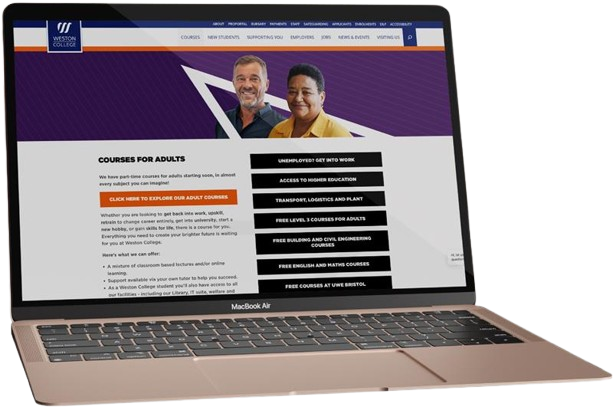











Looking for the perfect course? Find courses
 
blue background
Mobile blue background
Two students from Weston College, representing academic and vocational training.

OPEN EVENTS

DISCOVER OUR NEXT EVENT

blue background
blue background
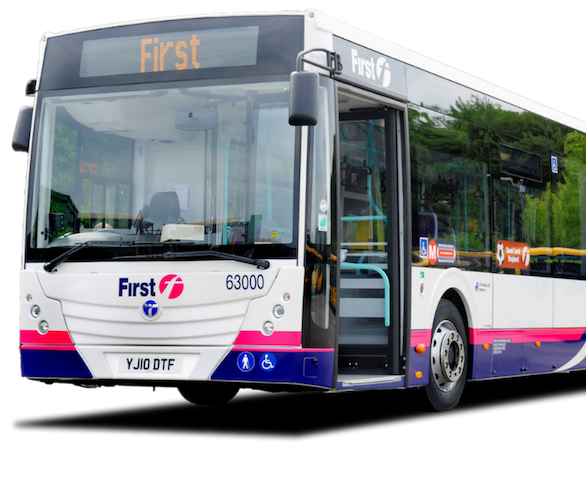
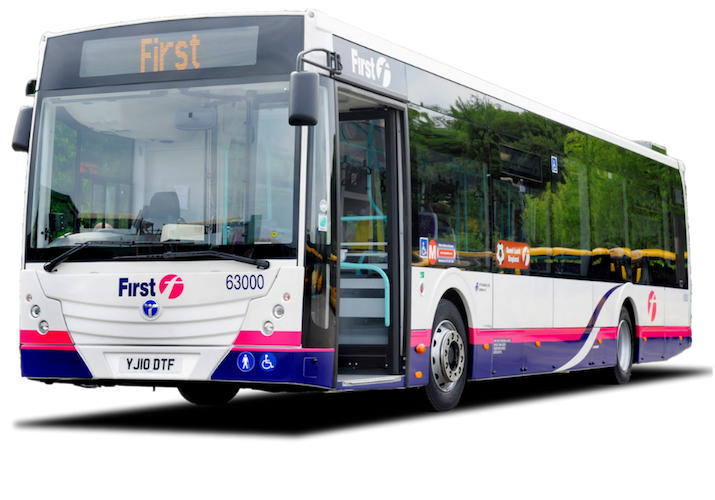
a first bus

GETTING TO COLLEGE

SEE GUIDANCE ON GETTING
YOUR TRAVEL TICKETS

blue background
blue backgroound
2 graduated female students in their gowns

DEGREES AT WESTON

APPLY NOW AT UNIVERSITY
CENTRE WESTON

Previous
Next

We are Weston College 

We are Creating
Brighter Futures.

Read More

Weston College has a wide range of courses to suit all learning styles 

Weston College is an award-winning college of further and higher education in Weston-super-Mare. It provides education and vocational training to nearly 30,000 learners across the country.

We put the learner first and are entrepreneurial in our approach and innovative in our thinking. As a college, we are ambitious and aspirational and are responsive to the needs of students, staff, businesses, and the community.

Latest News

There is always so much going on across our various campuses and courses. Stay up to date on our latest news.

The way GCSEs are graded is changing. The alphabetised G to A* system is being phased out and replaced with a numerical grade that ranges from one to nine, with nine being higher than an A*.

This system means that there is greater differentiation between the highest achieving students. You can find the full table below…

New number grading system Old alphabetised grading structure
9  
  A*
8  
7 A
6  
  B
5  
  C
4  
  D
3  
  E
2  
  F
1  
  G
U U
CV

If you're looking to get a job, a CV is one of the most important and useful tools you can use. CVs are an overview of your work and study history that introduces you to the potential employer, giving them an overview of your abilities that will hopefully lead them to inviting you in for an interview or offering you a job.

Many employers nowadays use online application forms, but a CV is still useful as you can collect all of the relevant information in one place - which will help you memorise your key qualifications, skills and experience when it comes to an interview.

If you want to find out how to write the perfect CV, read on...


Things to include

First of all, think about the information you'll need to include. These should be the key things that make you the right person for the job. Many people have a 'standard' CV that they adapt depending on the role they are applying for, but every CV should include:

  • Your details. This includes your name, address, email and telephone number. You don't have to include personal information such as your date of birth, gender, etc.
  • Your background and key skills. Most CVs start with an introductory paragraph which tells employers who you are, what you're applying for and a bit about why you're applying for the role.
  • Your work experience. Start with your most recent job and work backwards, including: the name of the employer, the dates you worked for them, the job title, and a list of your main duties. Focus on the relevant experience and list any voluntary work you've done. If the job you're applying for is your first job, think about work experience you took part in in year 10 or things you've done as part of your course that are relevant to the role.
  • Your qualifications. Again, list the most recent qualifications first and work backwards, listing the qualification name, where you studied and the year you got the qualification. Bear in mind that employers might ask for copies of the certificates!
  • Other information. List anything else that might be of interest to an employer, for example: computer literacy, languages you speak, achievements such as the Duke of Edinburgh award, driving licence, anything else that makes you the ideal candidate for the role.
  • Your interests. Employers tend to employ people who they think will fit in with their business. Try to include interests that make you sound like a team player, and highlight interests that are relevant to the position you're applying for (for example, if you're applying for a job in catering, include that you're interested in food, cooking at home, etc.).
  • References. Employers might want to contact a former employee or lecturer to ask whether they'd recommend you - particularly if this is your first job. If you don't want the employer contacting the references until you are offered the job or an interview, write: "References available on request."

Useful tips

 Things you should do:

  • Be clear, use headings, paragraphs and bullet points. This makes your CV easy to read. You can use a résumé template on Microsoft Word to help you with the layout.
  • Choose a professional font, and try not to make the font too big or too small. Size 11 or 12 is perfect.
  • Check the spelling and grammar.
  • Keep it short. Employers have to read hundreds of CVs so you should aim for a maximum of two sides of A4.
  • Adapt the CV to the job you're applying for.

Things you should avoid:

  • Lying or exaggerating too much! The employer will find out if you don't have the skills or qualifications when your aren't able to perform the job as well as you made out. Similarly, being too modest is also a bad thing!
  • Embarrassing email addresses. Before you start on your job search, you should set up a 'professional' email - it'll give the employer a better impression than the email you set up when you were younger!
  • Don't over-design it. The best CVs are easy to read and follow a consistent format (that means no images, coloured text, borders, etc.).

Want some help?

If you're putting together your CV but are feeling stuck, our expert progression team is on hand to help you out. The team is based primarily at the Knightstone Campus, but drop-in sessions are held weekly at Loxton and South West Skills, and they are always contactable by email or over the phone.

Click here to find out more!

The hospitality and catering industry is constantly growing and changing, which is why it’s perfect for anyone looking for an interesting future career. We’ve put together our top reasons why you should consider it!

CAREERS NOT COURSES

We know it’s not about the course you take, but the career you’ll start your journey towards. Your study programme is built from the ground up with your future in mind, focussing on employability and developing the skills you need to have a successful career within your chosen industry, making connections and gaining experiences through local and national employers we work with:

NHS logo
rolls royce logo
Ministry of defence logo
Thatcher careers logo
Avon Fire and Rescue Service Logo
Occuteach Logo
GKN logo
YMCA logo
ashton gate logo
weston hospicecare logo
airbus logo
cadbury house logo
Lloyds bank logo
puxton park logo
the Bristol Port Company logo
howards motor group logo
mendip house nursery and pre school
taylor wimpy logo
congras cafe logo
yeo valley logo
career excellence hub logo

As a Weston College student, you will become part of one of our exciting new Career Excellence Hubs.

This means our courses aren't just courses... your study programme is built from the ground up with your future in mind, focussing on employability and developing the skills you need to have a successful career within your chosen industry...

LECTURERS WITH REAL INDUSTRY EXPERIENCES

COURSES ENDORSED BY EMPLOYERS

INDUSTRY STANDARD FACILITIES

INCREDIBLE WORK-BASED OPPORTUNITIES

AMAZING GUEST LECTURES

COURSES ENDORSED BY EMPLOYERS

Person wearing a welding helmet and gloves while performing welding on a metal surface.

"The college organised lots of amazing experiences for us with specialist guest lectures on sepsis, home care, nutrition and bee therapy"

Chloe

Health and Social Care, Level 2 & 3

Contact Us

Marketing Permissions

Once we have responded to your initial enquiry we would love to keep you informed of other, similar courses you may be interested in via email. You can unsubscribe at any time by clicking the link in the footer of our emails. For information about our privacy practices, please visit our policy page.

Email

By submitting this form you are consenting to Weston College recording and processing the personal information on this form, for any purposes of the college associated with the provision of advice and guidance to potential students on the range of courses available to them, college facilities and any other associated information. In accordance with the Data Protection Act 2018, the information will only be used for the above mentioned purposes.

You will need to complete a full enrolment form prior to starting your course.

CAPTCHA
This question is for testing whether or not you are a human visitor and to prevent automated spam submissions.

Apply or find out more


Marketing Permissions

We’d love to keep you informed about vacancies, courses, and updates we think you’ll find valuable. You can unsubscribe or opt out at any time.
Your personal information will be handled in accordance with our Privacy Policy.

Please let us know how you’d like to hear from us:

Email

By submitting this form you are consenting to Weston College recording and processing the personal information on this form, for any purposes of the college associated with the provision of advice and guidance to potential students on the range of courses available to them, college facilities and any other associated information. In accordance with the Data Protection Act 2018, the information will only be used for the above mentioned purposes.

You will need to complete a full enrolment form prior to starting your course.

CAPTCHA
This question is for testing whether or not you are a human visitor and to prevent automated spam submissions.

One Message, Different Voices

Take a look at this powerful film made by the staff of Weston College to show how important it is for everyone from different backgrounds to be included. The film shares heartfelt stories and interviews with a diverse group of staff, showing how accepting different identities and backgrounds can make a big difference. Its purpose is to encourage viewers to think about their own biases and work towards making our community more welcoming to all. We invite everyone, regardless of their background, to join us and be a part of our journey toward a more inclusive future.

Halo workplace logo

Our workplace champions the right of staff to embrace all Afro-hairstyles. We acknowledge that Afro-textured hair is an important part of our Black employees’ racial, ethnic, cultural, and religious identities, and requires specific styling for hair health and maintenance. We celebrate Afro-textured hair worn in all styles including, but not limited to, afros, locs, twists, braids, cornrows, fades, hair straightened through the application of heat or chemicals, weaves, wigs, headscarves, and wraps. In this workplace, we recognise and celebrate our colleagues’ identities. We are a community built on an ethos of equality and respect where hair texture and style have no bearing on an employee's ability to succeed.

The way GCSEs are graded is changing. The alphabetised G to A* system is being phased out and replaced with a numerical grade that ranges from one to nine, with nine being higher than an A*.

This system means that there is greater differentiation between the highest achieving students. You can find the full table below…

New number grading system Old alphabetised grading structure
9  
  A*
8  
7 A
6  
  B
5  
  C
4  
  D
3  
  E
2  
  F
1  
  G
U U
CV

If you're looking to get a job, a CV is one of the most important and useful tools you can use. CVs are an overview of your work and study history that introduces you to the potential employer, giving them an overview of your abilities that will hopefully lead them to inviting you in for an interview or offering you a job.

Many employers nowadays use online application forms, but a CV is still useful as you can collect all of the relevant information in one place - which will help you memorise your key qualifications, skills and experience when it comes to an interview.

If you want to find out how to write the perfect CV, read on...


Things to include

First of all, think about the information you'll need to include. These should be the key things that make you the right person for the job. Many people have a 'standard' CV that they adapt depending on the role they are applying for, but every CV should include:

  • Your details. This includes your name, address, email and telephone number. You don't have to include personal information such as your date of birth, gender, etc.
  • Your background and key skills. Most CVs start with an introductory paragraph which tells employers who you are, what you're applying for and a bit about why you're applying for the role.
  • Your work experience. Start with your most recent job and work backwards, including: the name of the employer, the dates you worked for them, the job title, and a list of your main duties. Focus on the relevant experience and list any voluntary work you've done. If the job you're applying for is your first job, think about work experience you took part in in year 10 or things you've done as part of your course that are relevant to the role.
  • Your qualifications. Again, list the most recent qualifications first and work backwards, listing the qualification name, where you studied and the year you got the qualification. Bear in mind that employers might ask for copies of the certificates!
  • Other information. List anything else that might be of interest to an employer, for example: computer literacy, languages you speak, achievements such as the Duke of Edinburgh award, driving licence, anything else that makes you the ideal candidate for the role.
  • Your interests. Employers tend to employ people who they think will fit in with their business. Try to include interests that make you sound like a team player, and highlight interests that are relevant to the position you're applying for (for example, if you're applying for a job in catering, include that you're interested in food, cooking at home, etc.).
  • References. Employers might want to contact a former employee or lecturer to ask whether they'd recommend you - particularly if this is your first job. If you don't want the employer contacting the references until you are offered the job or an interview, write: "References available on request."

Useful tips

 Things you should do:

  • Be clear, use headings, paragraphs and bullet points. This makes your CV easy to read. You can use a résumé template on Microsoft Word to help you with the layout.
  • Choose a professional font, and try not to make the font too big or too small. Size 11 or 12 is perfect.
  • Check the spelling and grammar.
  • Keep it short. Employers have to read hundreds of CVs so you should aim for a maximum of two sides of A4.
  • Adapt the CV to the job you're applying for.

Things you should avoid:

  • Lying or exaggerating too much! The employer will find out if you don't have the skills or qualifications when your aren't able to perform the job as well as you made out. Similarly, being too modest is also a bad thing!
  • Embarrassing email addresses. Before you start on your job search, you should set up a 'professional' email - it'll give the employer a better impression than the email you set up when you were younger!
  • Don't over-design it. The best CVs are easy to read and follow a consistent format (that means no images, coloured text, borders, etc.).

Want some help?

If you're putting together your CV but are feeling stuck, our expert progression team is on hand to help you out. The team is based primarily at the Knightstone Campus, but drop-in sessions are held weekly at Loxton and South West Skills, and they are always contactable by email or over the phone.

Click here to find out more!

The hospitality and catering industry is constantly growing and changing, which is why it’s perfect for anyone looking for an interesting future career. We’ve put together our top reasons why you should consider it!

SPRING TERM BUS PASS VOUCHER CODES NOW AVAILABLE FOR BURSARY STUDENTS

Bursary students can now access their Spring Term Bus Pass voucher codes, which have been sent directly to their college email accounts.

Once you’ve received your voucher code, you can use it to download your bus ticket through the First Bus mTicket app. Tickets will be ready to activate from Tuesday 6 January 2026, meaning you’ll be all set for the first day back.

man sitting with computer