
















Weston College has a wide range of courses to suit all learning styles
Weston College is an award-winning college of further and higher education in Weston-super-Mare. It provides education and vocational training to nearly 30,000 learners across the country.
We put the learner first and are entrepreneurial in our approach and innovative in our thinking. As a college, we are ambitious and aspirational and are responsive to the needs of students, staff, businesses, and the community.
Latest News
There is always so much going on across our various campuses and courses. Stay up to date on our latest news.
Mind Matters is a weekly informal session highlighting the importance of looking after your mental health.
We are providing advice on anything from low mood to anxiety. They are run by the specialist mental health team here at the College and are for any students looking for support about an issue either inside or outside of the College, ask for advice or questions, or just to pick up some information.
You can also self-refer for support here as well as sign up for or forthcoming sessions on self esteem and anxiety, or to be a Time to Change Ambassador.
Mondays 9.30am to 11.30am
Knightstone Campus LibraryPlus
Loxton Campus Bistro
With the looming UCAS deadline (15th January) many students are confused and wondering what is best to do…
If you’re still undecided on where to go or what to study, check out this short guide to picking the best university and course for you.
What courses are you passionate about?
If you find a course that you’re interested in then it will make your time at university fly by. If you love the course then those all-nighters in the library will not feel quite so bad and your grades will be represented by the extra work you put in.
Read the course details
It would be a bit of a pain if you turn up at university and one of your modules isn’t right for you. Make sure you check (and double check) the course details to find the course best suited to you and your future aspirations.
Employment routes
The job market is very competitive, searching for a university with a good reputation when it comes to getting graduates into work should certainly be a strong consideration. Some universities include work experience as part of their course and you can even get a year’s internship in industry which will help you stand out from the crowd when applying for your first graduate position.
Do you want to stay at home?
If you like your home comforts then you certainly would not be alone in not wanting to move to halls. Many students live at home and commute to university, so if you think you’re not ready to leave just yet - look at your options close to home. After your first year you might then feel ready to flee the nest, and you can choose exactly who you’re going to live with. We have a fantastic university centre on our doorstep, which delivers a range of high-quality degrees in partnership with Bath Spa and the University of the West of England in Bristol.
Do you want to leave home?
If you’re the opposite and can’t wait to leave then it is worth considering the distance. You might surprise yourself when you move away and want to visit home more regularly than you originally planned so it’s worth considering transport options. After all a four hour train journey is a bit far to get your washing done.
Money
Becoming a student is not cheap, you will receive a student loan but it is worth researching the cost of living in the area your top choice universities are based. Some areas of the country are very expensive and being able to afford to live has to be a top consideration as you will be there for at least three years.
Go with your gut
Finally, it is definitely worth going with your gut. You are most likely getting told to go different places by different people and these might not be universities that you would normally consider. It is best to go with what you feel personally is best and suits you, and this should make settling in a lot easier.
Don’t stress too much about this deadline, there is always the opportunity to go through clearing if necessary once you have received your grades. If you need any guidance on your application then contact UCAS lead Hamish Gilpin on hamish.gilpin@weston.ac.uk, or call on 01934 422742.
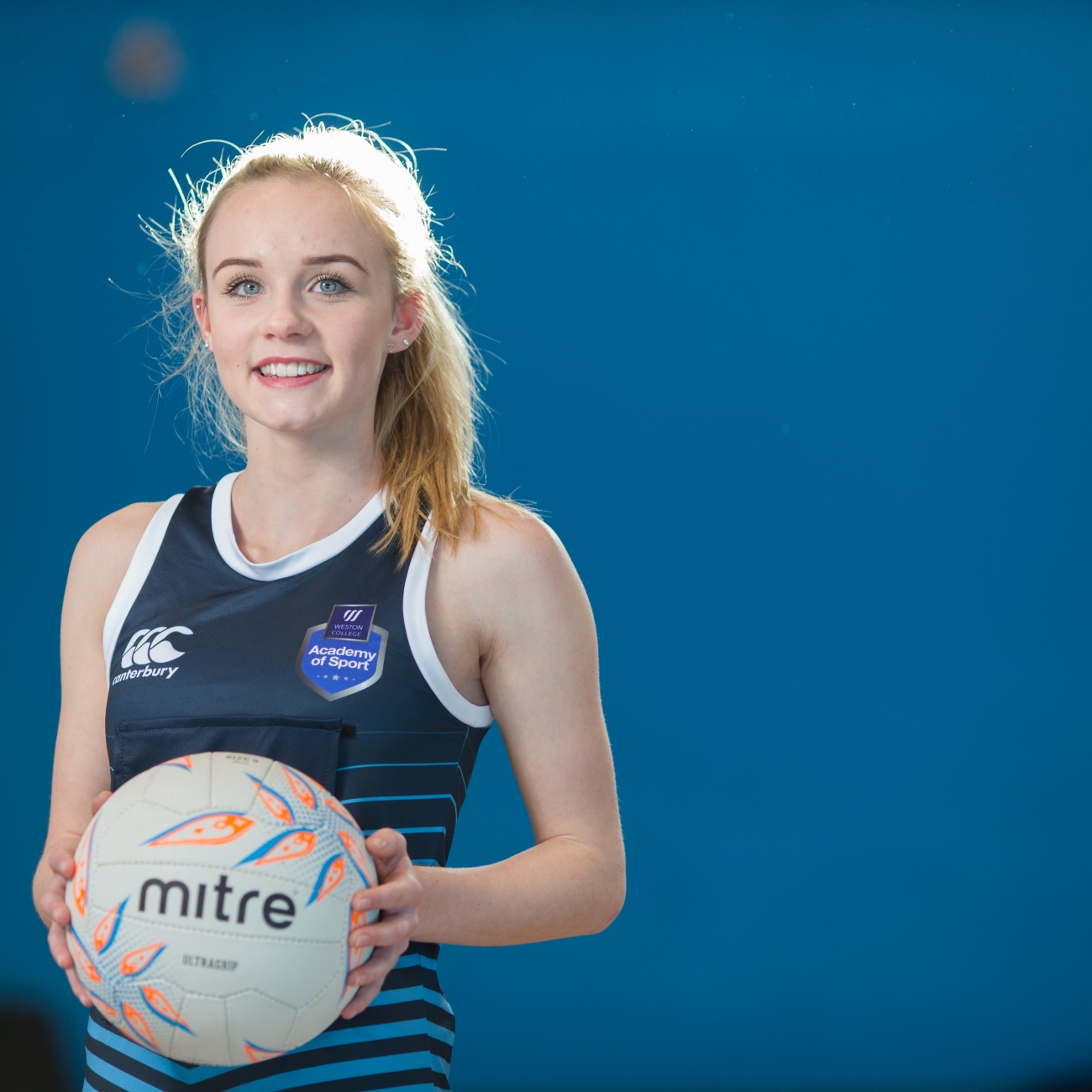
Academy learners Chloe Carchrie, Quinten Querl and Ethan Thomas finished 2017 by being selected and representing Weston College in higher honours within their chosen sports.
Netball player Chloe Carchrie was selected in super league franchise Severn Stars u19 squad for fixtures in the New Year. Chloe, who studies sports and exercise science, has been involved in the Stars' training programme since September and has now been rewarded by being selected to represent the stars in competitive fixtures. We are extremely proud of Chloe and would like to reinforce how much of an achievement this is especially with her still only being 16. We wish Chloe the best of luck and know that this is just the start of Chloe’s journey in to elite sport.
Rugby academy learners Quinten Querl and Ethan Thomas also received some good news at the back end of 2017. Academy flyer Quinten was selected into Bristol Rugby’s u18 squad for this year’s u18 premiership season. This is a great achievement for Quinten who has just returned from a season out with a broken leg, also a year young he was selected on the bench for the competitions opener against Bath and scored an outrageous 50 metre try with one of his first touches in a Bristol shirt.
Quinten said about his recent success: “Being at Weston College has really helped me improve and progress as a rugby player. This is through the fantastic coaching staff helping on and off the pitch.
"The programme has taught me many values that have not only helped me become a better athlete but a better person as well. It has also reopened doors for me that I thought had been closed after I was released from bath academy. However, with the help of the coaching staff here and buying into the programme provided has allowed me to be selected for Bristol academy and even play in the U18's academy league, something I thought could not happen.”
Last but not least, Academy fly half Ethan Thomas has been selected in the Irish exiles u18 squad to play against the Independent Schools Lambs’ team on the 14th of January. Ethan has worked extremely hard at all aspects of his game since arriving at college and we are extremely proud and excited for him to have this opportunity. This is the first step on the ladder for potential selection and opportunities to represent Ireland on a higher stage and we are extremely confident that Ethan can impress and take his chance.
Ethan added: “My decision to come to Weston College has been a major influence in the opportunities I am now getting. I feel I have improved a lot as a player since joining the programme and would like to thank the staff and players for giving me the confidence and the chances to try and progress up the elite pathway.”
We wish all our students good luck over the next few weeks and would also like to congratulate our learners on their achievements to date.
CAREERS NOT COURSES
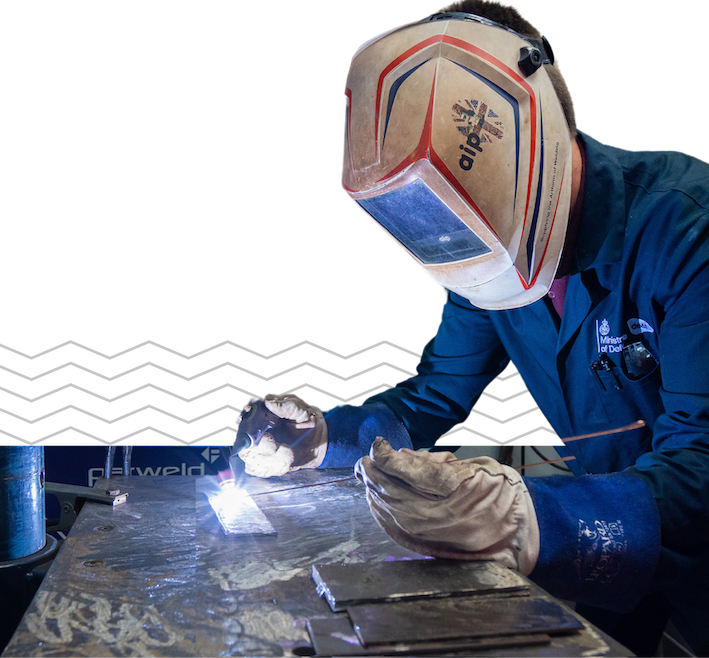
We know it’s not about the course you take, but the career you’ll start your journey towards. Your study programme is built from the ground up with your future in mind, focussing on employability and developing the skills you need to have a successful career within your chosen industry, making connections and gaining experiences through local and national employers we work with:



















As a Weston College student, you will become part of one of our exciting new Career Excellence Hubs.
This means our courses aren't just courses... your study programme is built from the ground up with your future in mind, focussing on employability and developing the skills you need to have a successful career within your chosen industry...
LECTURERS WITH REAL INDUSTRY EXPERIENCES
COURSES ENDORSED BY EMPLOYERS
INDUSTRY STANDARD FACILITIES
INCREDIBLE WORK-BASED OPPORTUNITIES
AMAZING GUEST LECTURES
COURSES ENDORSED BY EMPLOYERS
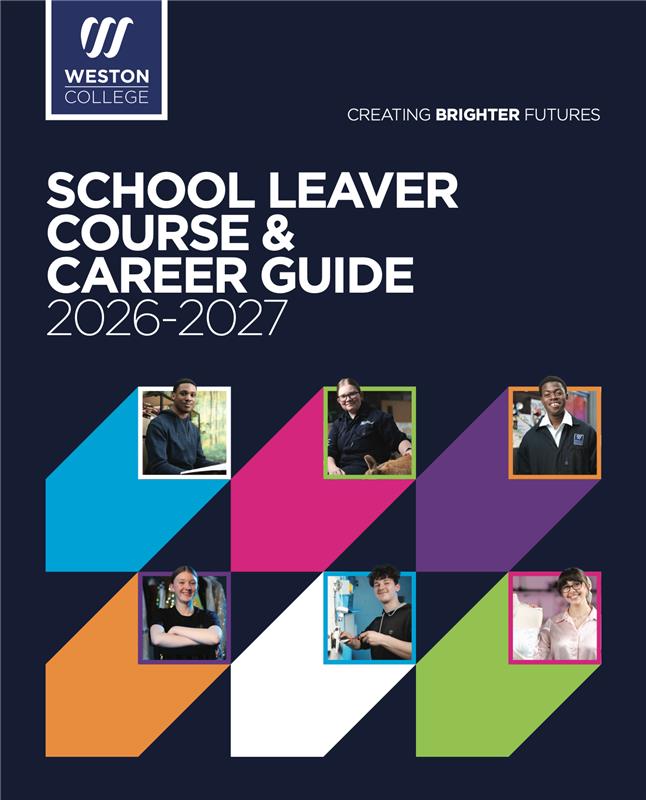
VIEW OUR PROSPECTUS
"The college organised lots of amazing experiences for us with specialist guest lectures on sepsis, home care, nutrition and bee therapy"
Chloe
Health and Social Care, Level 2 & 3
