




START YOUR CAREER IN ADVANCE ENGINEERING AND MANUFACTURING WITH A PART-TIME ADULT COURSE
Nothing is impossible ... everything is possible!
The Advanced Engineering and Manufacturing industry is growing at a quick pace, with lots of exciting opportunities to work with the latest technology available in the area. Choose employment in a variety of locations depending on your specialism - from the office and factory floors to building sites, workshops, laboratories and plants.
Careers in advance Engineering and Manufacturing
Here are just a few examples of job titles that have shown to be the most popular listings in the South West region within the last year.
- Maintenance Engineers
- Mechanical Design Engineer
- Structural Engineer
- HGV and Vehicle Technician
- Solutions Architect
- Electrical Design Engineer
- Mechanical Engineer

We've bundled the best education in the area with career boosted benefits - and are leveraging our contacts as one of the largest Colleges in the country to give you the best possible chance of success.



More engineering courses from our West of England Institute of Technology
Available Engineering and Green Skills courses
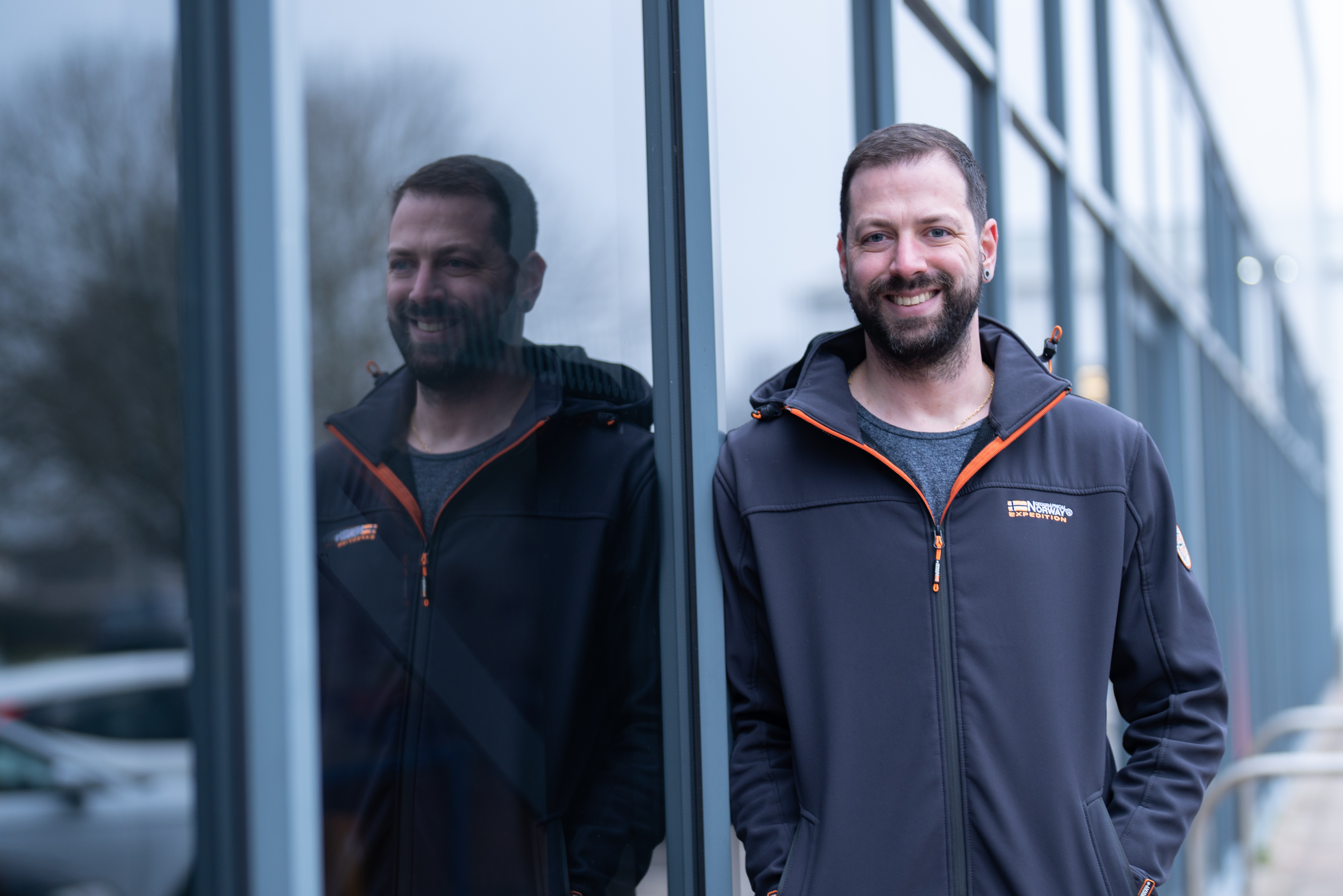
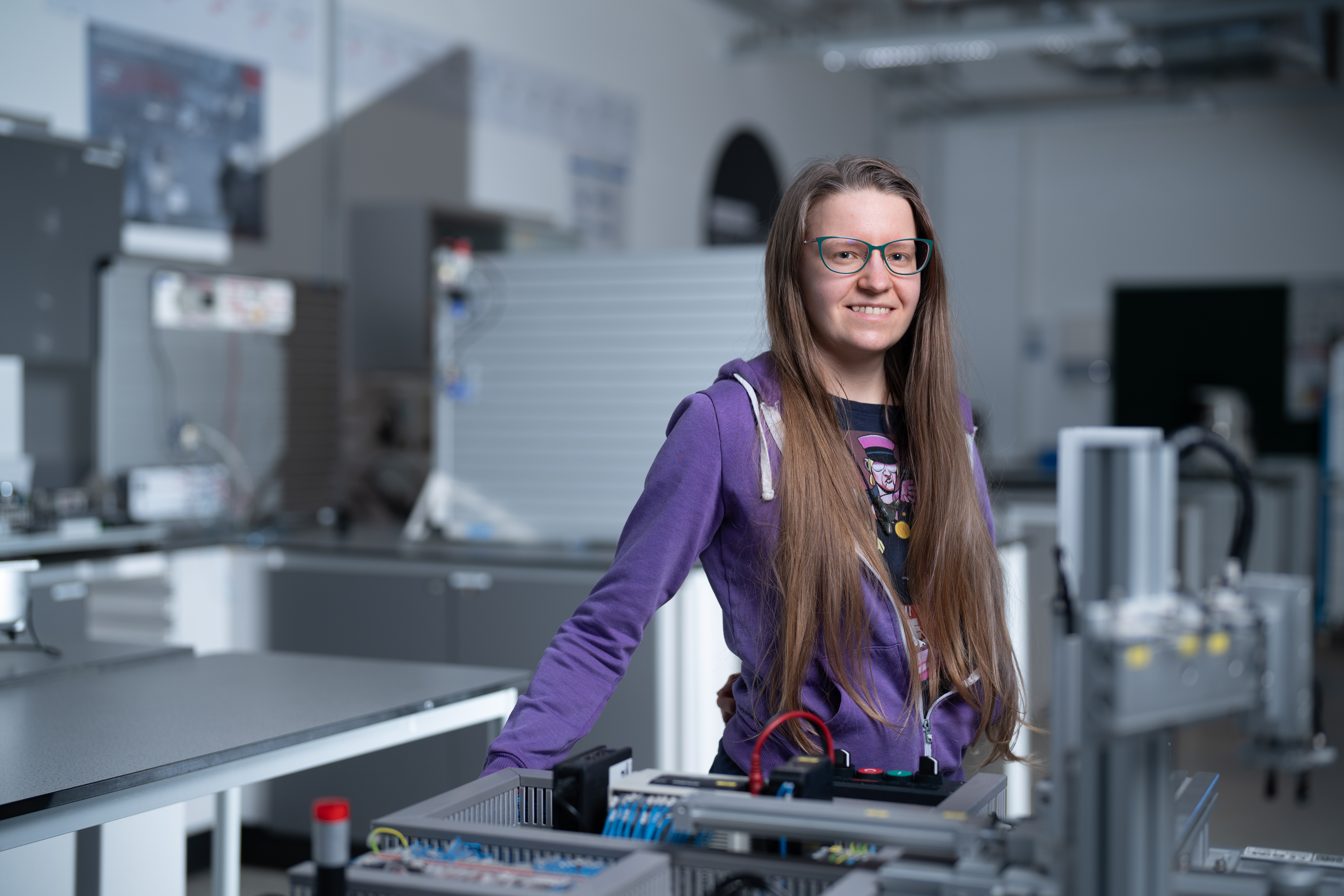
BRUNO
Manufacturing Engineering Level 3
“I’ve always had a strong interest in engineering, but I felt that I’d gotten as far as I could in my previous job, so I enrolled on the Production Engineering Level 3 coursein order to further my career opportunities, and I’m so glad I did!...
The course led me to GKN Aerospace, where I’ve completed the Level 3 and Level 4 apprenticeships and feel like I have achieved so much more than I could have without the qualification.
The course lecturers were SO supportive, and even though I’d never done anything like this previously, I never felt like I was alone or struggling.
Engineering is such a varied profession; it’s forever growing and always evolving and there are so many ways you can go with it. I’ve found that you can always learn more, develop new skills and transfer to new areas to build your knowledge base.
My words of advice would be – there’s a lot of opportunity out there, you’ve just got to go for it.”
ANDRA
HNC in Electrical Engineering (year 2) and Level 3 Apprenticeship as Support Technician (year 4)
“I was in a bit of a tough spot before applying for an apprenticeship course. I had to choose between studying and working full-time to pay bills...
Clearly, the latter took priority and I found myself stuck in job roles that didn’t provide career or personal growth past the initial training. Once I found out that working and earning a qualification simultaneously was a real possibility,
I looked into fields that I had no experience in, but I still felt an interest towards. With no knowledge of how electronics work or how to use any mechanical tools, I managed to land an apprenticeshipwith Oxford Instruments and Weston College.
Nearly four years in, and I already have established a solid career path, I’ve learned things that I thought would be difficult to grasp, and the opportunity for further growth is ever present.
For anyone on the fence about being in the engineering field, don’t be discouraged about the fact that you don’t know what half the tools even do. The best way to learn is hands-on, which an apprenticeship provides an amazing opportunity for."
WHAT OUR STUDENTS SAY

Engineering Technologies Diploma Level 3
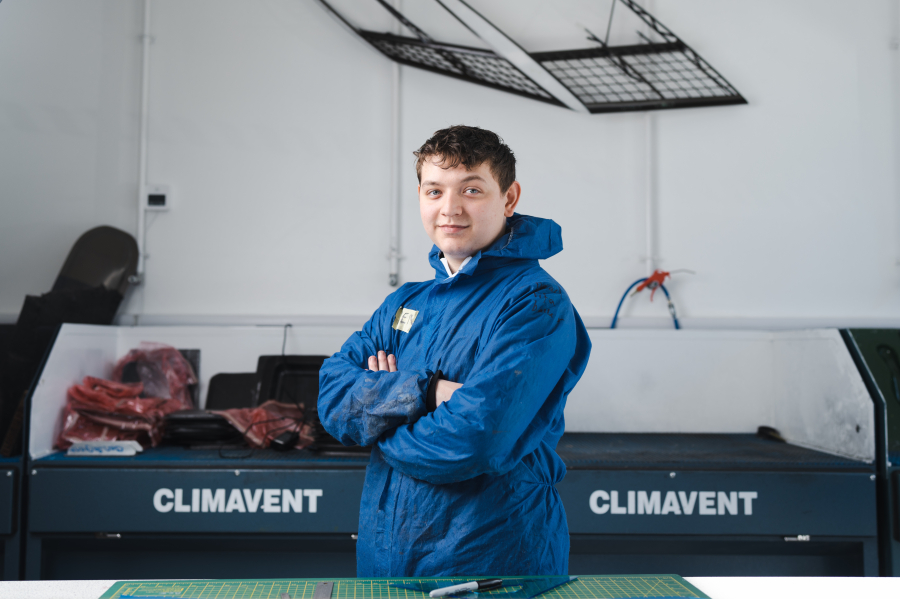
Engineering Technician, Apprenticeship
LATEST NEWS
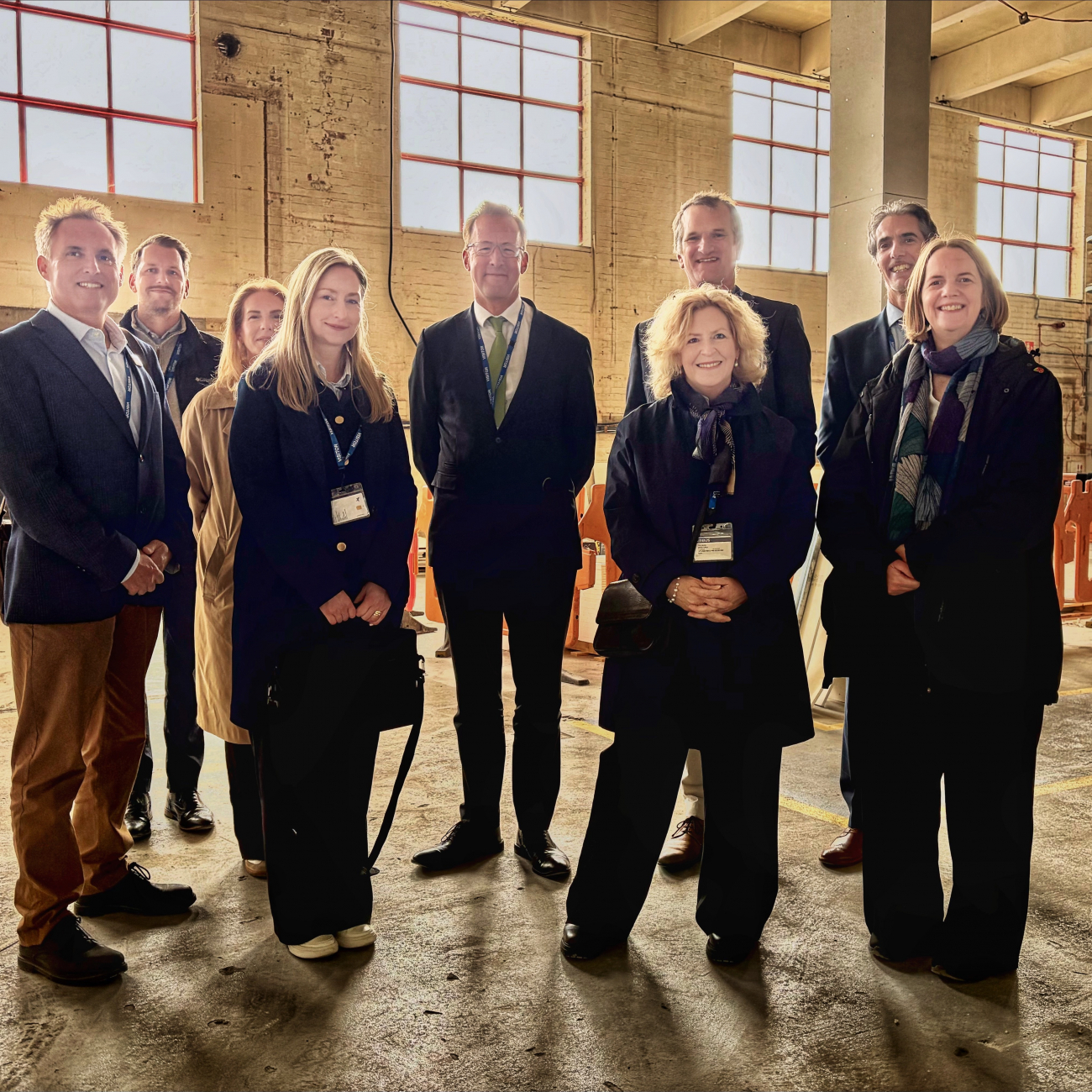
<p>Weston College Group was proud to welcome senior representatives from the <strong>Department for Business and Trade (DBT)</strong> and the <strong>West of England Combined Authority (WECA)</strong> to its new <a href="https://www.weston.ac.uk/aerospace-skills-academy"><strong>Aerospace Skills Academy</strong></a> at <strong>Airbus, Filton,</strong> for a special visit highlighting the future of technical skills development in the region.</p><p>Visitors included Chris Barton CMG, Director for Local and International Growth at the Department for Business and Trade; Matt Cross, Deputy Director for Regions and Markets; Stefano Pucello, Regional Manager for Gloucestershire and Wiltshire; and Antony Marritt, Head of Enterprise, Inward Investment and Innovation at WECA.</p><p>The delegation toured the state-of-the-art facility, accompanied by Holly Stokes, Head of Early Careers at Airbus Filton, who joined Weston College Group leaders in showcasing how the Academy is helping to build a pipeline of highly skilled talent for the aerospace sector.</p><p>The visit provided an opportunity to discuss how further education providers, employers and regional stakeholders can continue to work together to strengthen skills infrastructure, support inward investment and create progression routes into high-value careers across the South West.</p><p>During the visit, Weston College Group also shared the recent announcement that it has been named as one of only four colleges nationally to be recognised as a Technical Excellence College for Advanced Manufacturing.</p><p>Pat Jones, Principal and Chief Executive of Weston College Group, said:</p><p><em>"It was a pleasure to welcome colleagues from the Department for Business and Trade and WECA to our Aerospace Skills Academy and to demonstrate the impact that strong partnerships with employers such as Airbus and others can have on developing the workforce of the future.</em></p><p><em>Being recognised as one of only four Technical Excellence Colleges for Advanced Manufacturing is a significant milestone for Weston College Group and reflects our commitment to delivering exceptional technical education that supports learners, employers and the wider economy."</em></p><p>Weston College Group continues to invest in specialist facilities and employer partnerships to ensure learners gain the skills, experience and confidence needed to thrive in advanced manufacturing, engineering and aerospace careers.</p>
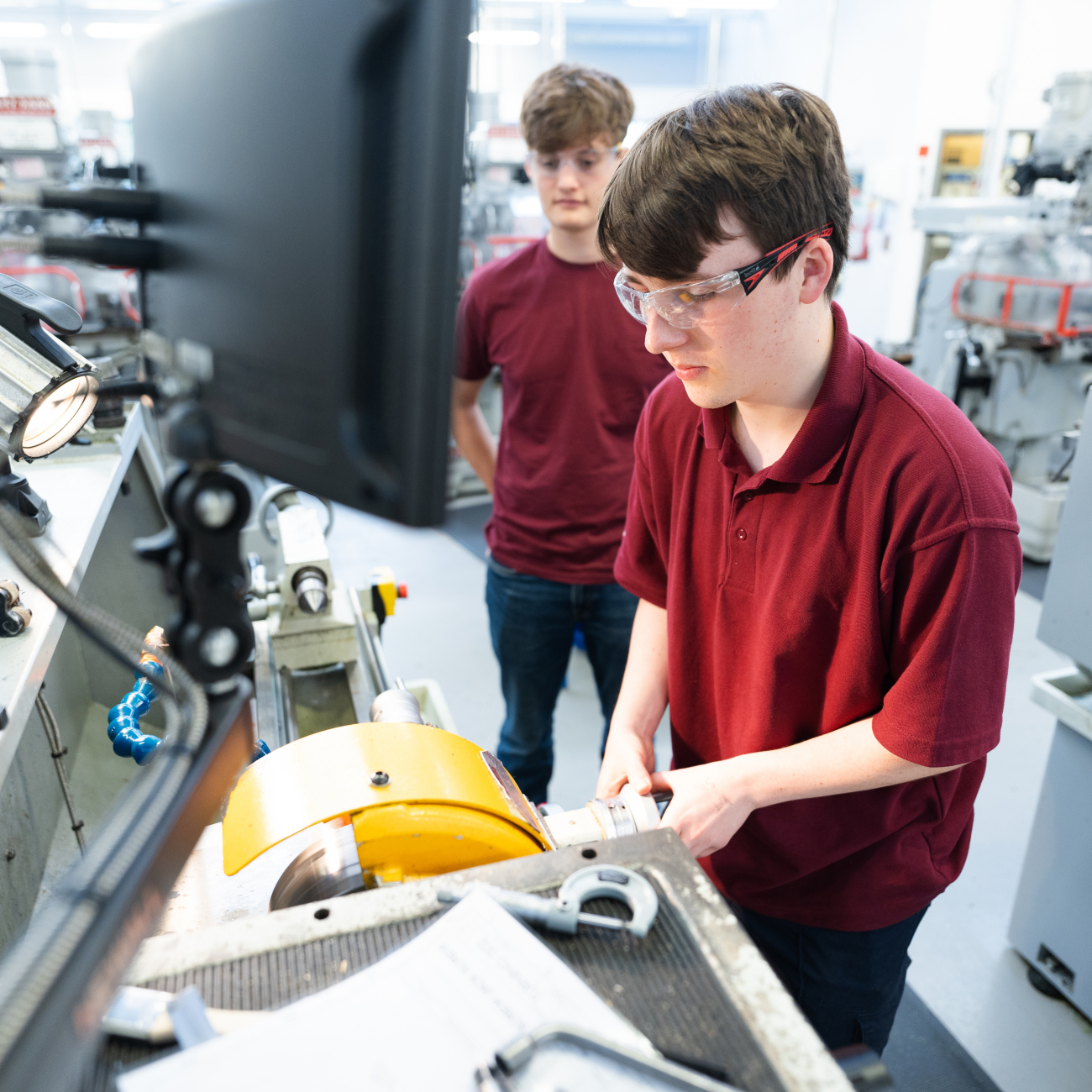
<p>Today Weston College has been named as one of the country’s new Technical Excellence Colleges (TECs), securing a pivotal role in delivering high-quality training for the next generation of workers in advanced manufacturing, which is one of Britain’s fastest growing and most critical sectors.</p><p><strong>Pat Jones, Principal and CEO at Weston College Group</strong>, said: “<em>We are incredibly proud to have been recognised as a Technical Excellence College for Advanced Manufacturing. It reflects the quality and scale of our provision, the strength of our employer partnerships, and our commitment to delivering the higher technical skills which industry needs.</em></p><p><em>“We created an original partnership group with stakeholders, committed to delivering future skills and economic growth, collectively providing valuable input and support to this work. I would like to personally thank our partners, Airbus, Rolls‑Royce, GKN Aerospace, NCC, West of England Combined Authority and Business West. It is through your continued partnership that we can develop training that is truly industry‑led, with cutting-edge facilities and prepare our learners for high‑value careers in advanced manufacturing.”</em></p><p>This recognition also builds on Weston College’s ambitious plans for expansion, including the £2.6 million Aerospace Skills Academy on Airbus’s Filton site, opening this September. This facility will significantly increase the College’s training capacity and give learners access to advanced manufacturing environments, that directly support the needs of leading aerospace and advanced manufacturing employers.</p><p>The 19 new Technical Excellence Colleges across the UK, backed by £175 million of government investment, will provide around 65,000 learners with access to training for high-demand roles across advanced manufacturing, clean energy, defence, and digital technologies. This comes at a crucial time, with an estimated 600,000 additional workers needed in these sectors by 2030.</p><p>For Weston College and the wider West of England region, this recognition represents a significant step forward in aligning education with industry demand and supporting economic growth while creating clear, high-quality pathways into skilled employment.</p><p><strong>Helen Godwin, Mayor of the West of England,</strong> said: “<em>People across the West will, like me, be delighted that Weston College will become a Technical Excellence College for advanced manufacturing. The case was strong: over the last decade, our regional economy has created over 100,000 new jobs - including the most job growth in key industries of any region. This shows that when we work together, the West Country is being heard by government.</em></p><p><em>“Advanced manufacturing is part of the West's history, as the region that gave flight to Concorde; part of our present, with the sector employing over 18,000 people locally and generating billions of pounds for the national economy; and part of our future, through the investment that will come with hosting one of just four Technical Excellence Colleges of its kind. Further innovation will ensure that the sector stays competitive for years to come.</em></p><p><em>“The £2.6 million Aerospace Skills Academy set to open in Filton this September will be a key part of Weston College Group's expanded offer, adding to the industry-leading innovation being pioneered at places like Airbus, BAE, GKN, NCC, and Rolls-Royce. It will mean that 40% more people get the opportunity to develop their skills in world-class facilities, equipped for some of the new jobs being created here in the country's fastest growing regional economy.”</em></p><p><span data-teams="true"><strong>Cllr Catherine Gibbons, North Somerset Council’s cabinet member for children’s services, families, skills and lifelong learning</strong>, said: “</span><em><span data-teams="true">We are delighted that Weston College has been selected as a Technical Excellence College for Advanced Manufacturing – one of only four nationally in this sector. This recognition highlights the College’s strong industry partnerships and its commitment to investing in high‑quality, future‑focused skills provision. Initiatives such as the £2.6 million Aerospace Skills Academy at Airbus Filton will give young people and students in North Somerset direct access to world‑class training, hands‑on experience and a clear pathway into high‑value careers. This designation will support social mobility and ensure local talent can build rewarding futures within our area, while also strengthening our economy and advanced manufacturing sector.</span></em></p><p><span data-teams="true">“</span><em><span data-teams="true">Ultimately, this is about raising aspirations and showing every young person in our community that they don’t have to look elsewhere to succeed - they can build a rewarding, fulfilling career right here at home</span></em><span data-teams="true">.”</span></p><p>Strategically located to meet regional demand, Weston College’s TEC status will help drive productivity, innovation and opportunity across the South West. It also supports the government’s ambition for two-thirds of young people to be engaged in higher-level learning by the age of 25, while reinforcing the importance of high-quality technical education as an equal and valuable route alongside university.</p><p>This latest announcement builds on the first wave of Technical Excellence Colleges launched in August 2025, which saw £100 million invested in improving facilities, teaching and employer collaboration nationwide. Together, these investments signal a long-term commitment to developing the skilled workforce Britain needs to compete globally.</p><p>As a Technical Excellence College, Weston College will continue to lead the way in delivering industry-aligned education, empowering learners, supporting employers, and strengthening the future of advanced manufacturing both regionally and nationally.</p>
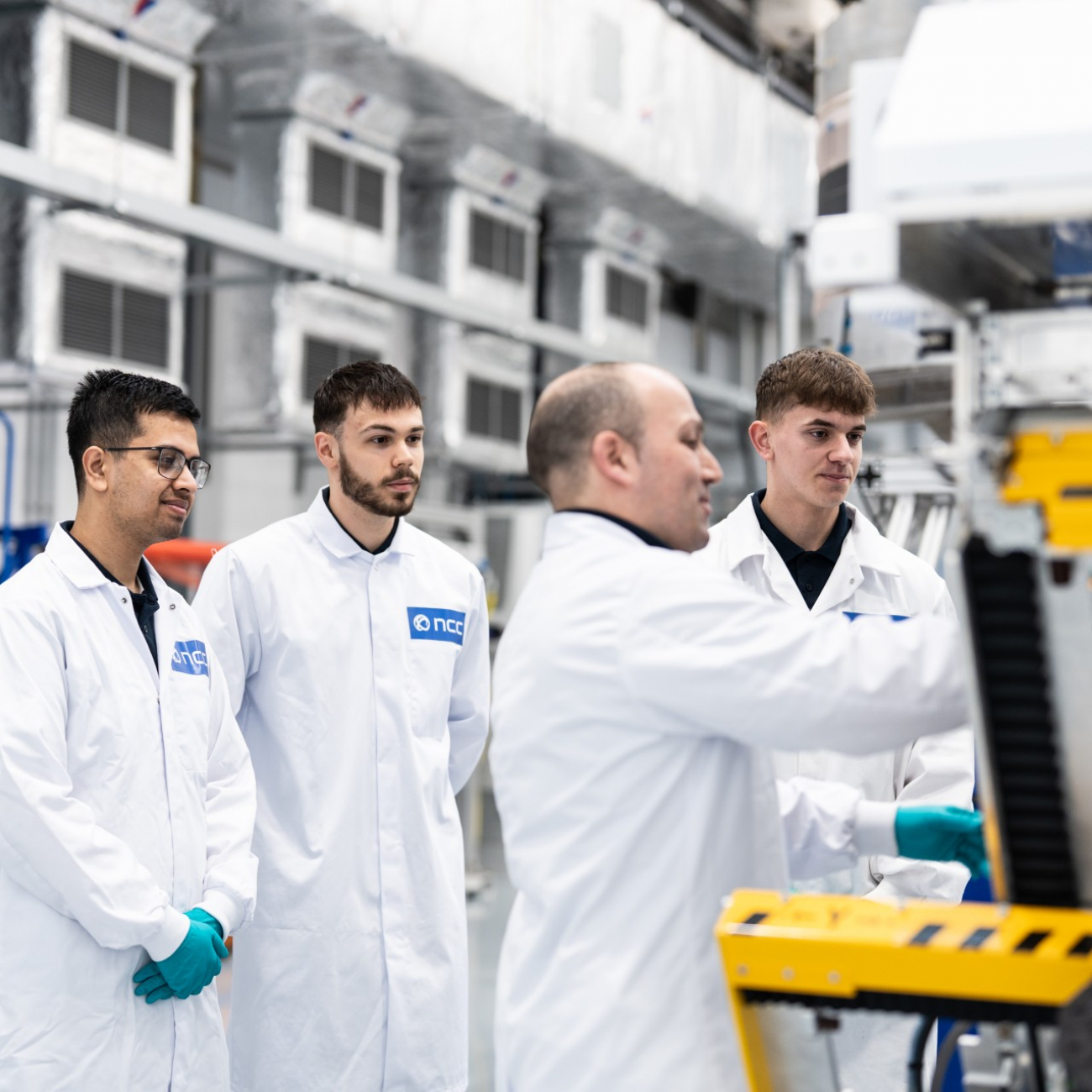
<p data-start="51" data-end="225">We spoke with Justin Whiting,<strong> Advanced Technical Trainer – Skills </strong>at the <a href="https://www.nccuk.com/"><strong>National Composites Centre</strong></a>, about NCC’s current apprenticeship programme and how you can get involved!</p><drupal-entity data-entity-type="file" data-entity-uuid="f3fd8c80-559d-4832-ad33-97fef538f264" data-embed-button="file_browser" data-entity-embed-display="image:image" data-entity-embed-display-settings="{"image_style":"max_500x500","image_link":"","image_loading":{"attribute":"lazy"}}"> </drupal-entity><p> </p><p><strong>1. What apprenticeships do you offer at NCC through Weston College (which industry's, which levels etc)? </strong></p><p>We currently offer the<strong> Level 3 Composite Technician apprenticeship </strong>which falls in the Engineering category; we also offer <strong>Level 6 Project Management apprenticeships</strong>, however, we are constantly reviewing our apprenticeship offerings so this may change in the future.</p><p> </p><p><strong>2. What do these apprenticeships entail for the learners? </strong></p><p>The learners are on a 3 year and 3-month programme with time spent at NCC and Weston College. At NCC apprentices will work with experienced technicians to gain the knowledge, skills and behaviours required for the apprenticeship, they will also spend time at Weston College learning about Composite materials and working towards the qualifications and their End Point Assessment (EPA). </p><p>The learners will complete a rotation around different areas of the business and then concentrate on specific technologies in the second and third year. As an innovation organisation, the apprentices will be working on cutting edge equipment and procedures. The PM apprentice course lasts 4 years and includes day of study per week for the duration of the programme. Learners on this course will work on different projects with different project teams.</p><p> </p><p><strong>3. What do NCC look for in an apprentice? </strong></p><p>NCC looks for enthusiastic apprentices who want to learn not just how to do a job but why we are doing that job, we want apprentices to be inquisitive and think of ways that they can improve the processes.</p><p> </p><p><strong>4. Are there any standout stories of our apprentices at NCC? </strong></p><p>There are many! We have had 5 of our apprentices make the regional finals of Make <strong>UK Apprentice of the Year award</strong>, have been involved in <a href="https://www.bbc.co.uk/bitesize">BBC Bitesize</a> and supported the <a href="https://www.gatsby.org.uk/">Gatsby Foundation</a>. Our apprentices have worked in teams on some amazing projects such as a full-scale wing demonstrator, remote controlled car and drone which have been used to help promote NCC and the apprenticeship programme.</p><p> </p><p><strong>5. How do apprentices benefit your business? </strong></p><p>Apprentices are a major asset to the business. Apprenticeships allow us to train people right from the start of their career in our processes, ways of working and sector expectations. They bring fresh ideas and enthusiasm into the company and inspire the next generation of engineers and project managers.</p><p> </p><p><strong>6. Do NCC take on apprentices as full-time employees after they have finished their apprenticeship? </strong></p><p>NCC apprentices are on a fixed term contract for the duration of their apprenticeship, they can then apply for full time roles at NCC.</p><p> </p><p><strong>7. When are NCC next looking for apprentices, and how can students apply? </strong></p><p>We generally start looking for our new apprentices in January/February with a view to holding interviews in April. We advertise any apprenticeship positions on our website and through Weston College.</p><p> </p><p><strong>8. What advice would you give to people who are thinking about doing an apprenticeship? </strong></p><p><strong>Do it!!</strong> An apprenticeship is a great way of learning, gaining industry experience and developing professional behaviours whilst getting paid!</p><p> </p><p><strong>9. Is there anything else you would like to add? </strong></p><p>We firmly believe apprenticeships are a great way to start your career, our apprentices are invaluable to the company.</p>