




COURSES FOR SCHOOL LEAVERS
Your Future Starts Here
With hundreds of exciting courses, this is where your journey begins. From day one, you'll be supported, inspired, and on track to a rewarding career.
See SubjectsJoin a Career Excellence Hub and gain real-world skills, experience, and confidence to reach your goals.
Whether you're finishing school, changing direction, or learning English with our ESOL courses – we’ve got you covered.
Get started today – pick a subject and apply online in just 5 minutes!

Find Your Future Path









QUALIFICATIONS EXPLAINED
A Levels develop the knowledge, skills and study habits to excel at university, as well as the attributes recognised by employers.
Your academic studies will be complemented with enrichment opportunities such as trips, mentoring and work experience, providing the perfect springboard for your future career.
A Levels are assessed through exams at the end of two years of study. Most learners study three subjects - some choose four.
With an apprenticeship you’ll go straight into the workplace and be shown clear routes to progress straight into employment within a specific occupation. You can achieve nationally recognised qualifications, earn a wage, and gain skills that will see you get ahead. On average you will spend 20% of your learning time in the college and 80% within the workplace
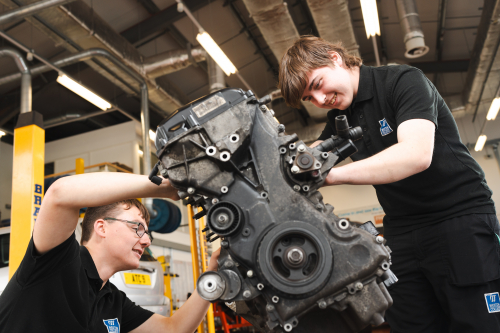
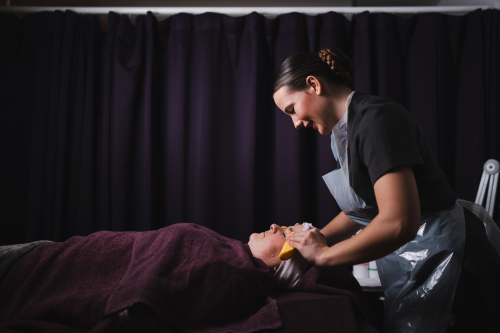
Professional and technical qualifications are designed to provide you with the knowledge, skills and behaviours needed to gain employment within specific industries or occupations. They provide a balance between theory and practical skills development. They are suited to those who want to get hands-on experience within a particular vocational area. These programmes include work placements. Assessment is more varied and will include exams, coursework and practical work.
T Levels give you the chance to learn what a real career is like while you continue your studies. T Levels have been designed with leading businesses and employers to give you the knowledge and skills you need, including a minimum of 45 days on an industry placement – this means you will spend 80% of your learning time in College and 20% within the workplace.
LATEST NEWS

Weston College has been selected to pioneer an innovative approach to adult learning.
Thanks to an award from the government’s Flexible Learning Fund, the College will launch a unique range of digital courses that enable adults to learn alongside other commitments.
The courses, which are designed for people who are unable to study full-time, will be launched in January 2019.
Learners can study the courses outside of regular working hours through a mixture of face-to-face and online training sessions.
The new courses include:
- Investigating Enterprise Skills, Level 2 Award
- An Introduction to Leadership and Management, Level 2 Award
- Autism Awareness, Level 2 Award
- Customer Service in a Health and Social Care Settings, Level 2 Certificate
- Maintaining a Tenancy, Entry Level 3 Award
- IT User Skills, Level 1 Certificate
These courses are free for adults that meet the eligibility criteria.
Anne Milton, Apprenticeship and Skills Minister, said: “These projects are an opportunity for people to get the skills they need to kick-start their working life.
“I’m really excited about these projects, which will help people learn the skills they need to grow and succeed in lots of different jobs.
“Whether working already or returning to work, it can be difficult for people to fit training around their busy lives. This funding aims to find out how providers and employers can work together to better meet the needs of adults of all ages, who want the opportunity to learn important new skills and change their lives.”
For more information, please click here.

Weston College music students received career advice from some of the industry’s biggest names at the recent BBC Music Introducing Live show.
Thousands of visitors flocked to the two-day event at the Tobacco Docks in London, which featured live performances and hundreds of prominent industry speakers.
These included artists, presenters, DJs, record label executives and retailers – among them Jo Whiley, Example, Kano, Joel Zimmerman (better known as ‘deadmau5’ and Gabrielle Aplin.
College students heard talks from a wide range of industry experts. They gave advice on breaking into, and working, in the music industry – whether that’s live events, songwriting, as an artist or A&R (‘artist and repertoire’ reps find and sign new artists to a label).
Students also got the opportunity to network with key figures and try out the latest technologies and even perform on the ‘open mic stage’. Level 3 Music Performance and Production student, Connor Hammond, made the most of the opportunity, performing two of his original tracks for the audience.
Another Weston College student, Ant Watts, was even featured on to the event’s highlights show reel (from 00.05-00.07).
Ant, who was filmed testing out one of the latest electronic Yamaha drum kits, said: “I found the BBC Introducing Live event really inspiring. It helped me understand the ‘ins and outs’ of the music industry, and gave me the opportunity to meet all of the great organisations that will help me in the future.”
BBC Music Introducing is a BBC Radio platform that discovers and supports unsigned and ‘under-the-radar’ UK talent. It gives artists airtime on local and national BBC radio stations, and the opportunity to play Introducing stages at festivals such as Glastonbury, Reading and Leeds and Radio 1’s Big Weekend.

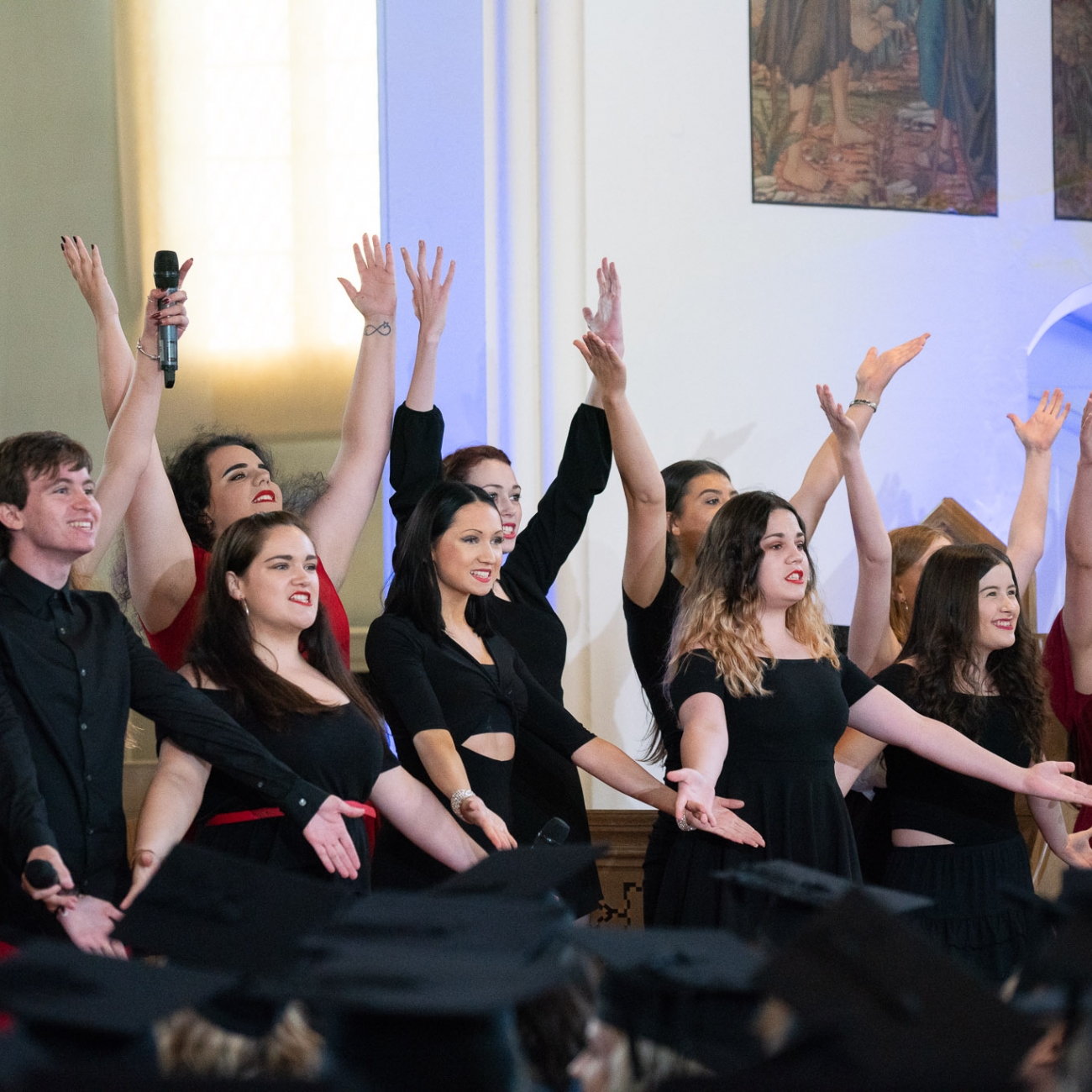
Weston College students are set to wow family audiences with a pantomime performance of Aladdin this December.
Performing and Production Arts students will stage the classic tale at Weston’s Blakehay Theatre on December 5th and 6th.
Both shows start at 7pm and tickets, priced at £10, are available from Blakehay’s box office or online at www.blakehaytheatre.co.uk
The students will also be putting on separate performances for school children during the day and touring local schools the following week.
There’s fun for all the family in this traditional, family panto. It’s packed full of song, dance, mayhem and magic, as Aladdin tangles with evil Jafar and tries to save his love Princess Jasmine.
The students’ annual panto will be performed from an original script by College Performing Arts Technician Peter Tyler, with additional material provided by fellow staff members Andy Collyer and Keith and Ben Simmons.
WHICH LEVEL IS RIGHT FOR ME?