




COURSES FOR SCHOOL LEAVERS
Your Future Starts Here
With hundreds of exciting courses, this is where your journey begins. From day one, you'll be supported, inspired, and on track to a rewarding career.
See SubjectsJoin a Career Excellence Hub and gain real-world skills, experience, and confidence to reach your goals.
Whether you're finishing school, changing direction, or learning English with our ESOL courses – we’ve got you covered.
Get started today – pick a subject and apply online in just 5 minutes!

Find Your Future Path


QUALIFICATIONS EXPLAINED
A Levels develop the knowledge, skills and study habits to excel at university, as well as the attributes recognised by employers.
Your academic studies will be complemented with enrichment opportunities such as trips, mentoring and work experience, providing the perfect springboard for your future career.
A Levels are assessed through exams at the end of two years of study. Most learners study three subjects - some choose four.
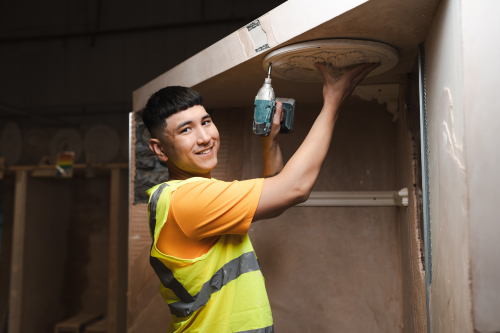
With an apprenticeship you’ll go straight into the workplace and be shown clear routes to progress straight into employment within a specific occupation. You can achieve nationally recognised qualifications, earn a wage, and gain skills that will see you get ahead. On average you will spend 20% of your learning time in the college and 80% within the workplace
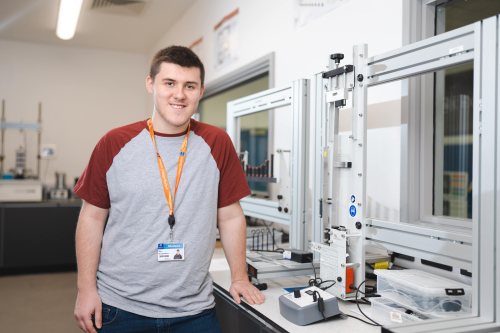
Professional and technical qualifications are designed to provide you with the knowledge, skills and behaviours needed to gain employment within specific industries or occupations. They provide a balance between theory and practical skills development. They are suited to those who want to get hands-on experience within a particular vocational area. These programmes include work placements. Assessment is more varied and will include exams, coursework and practical work.
T Levels give you the chance to learn what a real career is like while you continue your studies. T Levels have been designed with leading businesses and employers to give you the knowledge and skills you need, including a minimum of 45 days on an industry placement – this means you will spend 80% of your learning time in College and 20% within the workplace.
LATEST NEWS
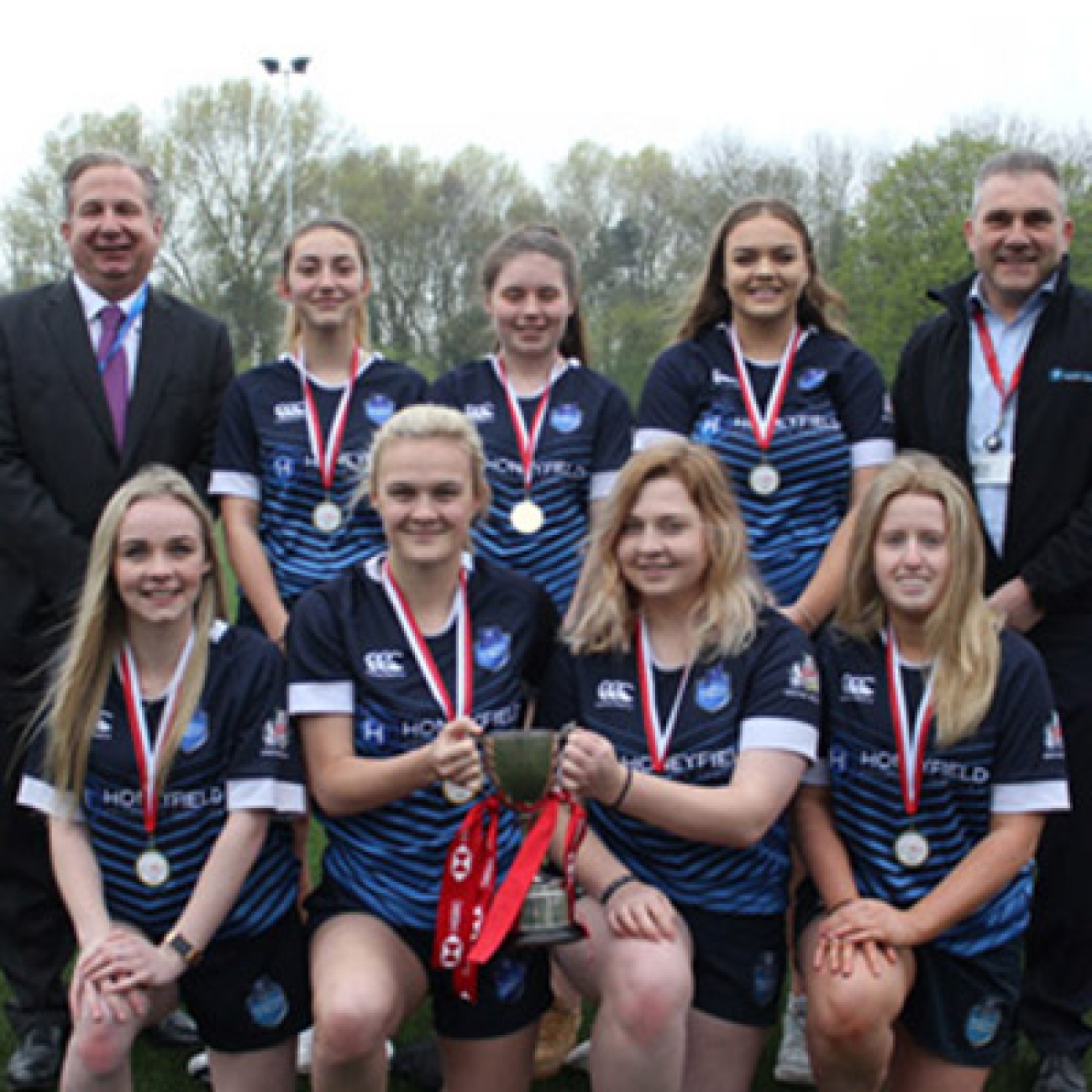
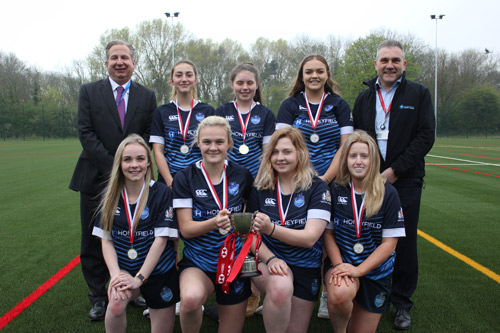
Weston College’s female rugby academy has made history by winning the Rosslyn Park National 7s Cup at their first attempt.
This was the first time the College has entered a side in the competition and provides evidence of the growth and investment there has been in female rugby over the recent years. It was an outstanding achievement and one that far surpassed the expectations of players and staff. However, this was also fully deserved for the player’s efforts throughout the season and the outstanding performances they produced on the day.
After an early leave on the Friday morning the girls arrived for their qualification match against Welsh opponents Gower College. Weston hit the ground running and had soon scored four tries by half time. They continued the scoring in the second half and eventually finished 44-0 winners which saw them qualify for the main half of the draw. This group also contained Pembrokeshire College and four-times winners Ysgol Dyffyryn Aman. Both these games were much more tightly contested with Weston winning the first 28-0 and then scoring a last minute try to defeat Ysgol Aman. These wins saw the first bit of history made that day with the girls becoming the first ever Weston College team to make to the knock-out rounds of this prestigious tournament.
In the quarter-finals, the girls came up against their biggest challenge yet and played against Sint-Jan Berchmanscollege from Belgium. Despite losing two key players to injury, the girls held on and finished 17-15 winners to set up semi-final contest against Epsom College . This proved to be quite the challenge with the opponents racing to a 10-0 lead in double-quick time. However, Weston replied with some of the best rugby of the day, scoring three unanswered tries to win 21-17.
In the final, Weston produced another outstanding display of hard work, team spirit and ruthless defence, which allowed Amy Coles to score four tries which saw them crowned champions.
This success highlights the great work being done towards female rugby and sport in general in the region. Looking forward, this is looks set to be the first of many great achievements on the national stage.
Lois Bird, captain of the Weston team, said: “It feels surreal to be a national champion. We went expecting to win two or three matches, and didn’t even imagine being in the final.
“This win is huge for girl’s rugby in the area. Somerset is a really big part of girl’s rugby and for Weston College especially, to get that win is going to draw more people in.”
Team Coach and Sports Academy Assistant Manager, Jack Gadd, said: “The girls only had one specialist 7s session a week, for five weeks, in preparation for the tournament, which makes it an even greater achievement”
“Seeing the bond between the players grow was probably the most important part for me – as well as seeing rugby at its purest and history made by winning the cup for the first time.”
The girls’ victory has been achieved just in time for the unveiling of the College’s bespoke facility, the Health and Active Living Centre (HALC), where sport and health-based courses will continue to thrive and grow. Boasting state-of-the-art equipment, these facilities will benefit learners and will also be available for the public to hire.
Jack added: “I think the new facilities will enable us to continue to grow our strong sports provision. Just having a place to call home with outstanding facilities, both indoor and outdoor, will offer lots more to our learners.”
Dr Paul Phillips CBE, Principal and Chief Executive of the Weston College Group, said: “The Health and Active Living Centre is a major, multi-million pound investment from Weston College and the West of England Local Enterprise Partnership.
“But even before these facilities open, our young people are winning national awards. It’s just been a pleasure to see our women’s rugby team achieve absolute excellence. The Health and Active Living Centre is just part of one huge facility now for the people of Weston-super-Mare, for the students and for everybody who wants to get involved in this fantastic project.”
Congratulations to Lois, Harri, Sophie, Lottie, Chloe, Amy, Courtney, Meg and Elise for the massive achievement. Many thanks to all of the staff who aided the team and helped them to achieve.
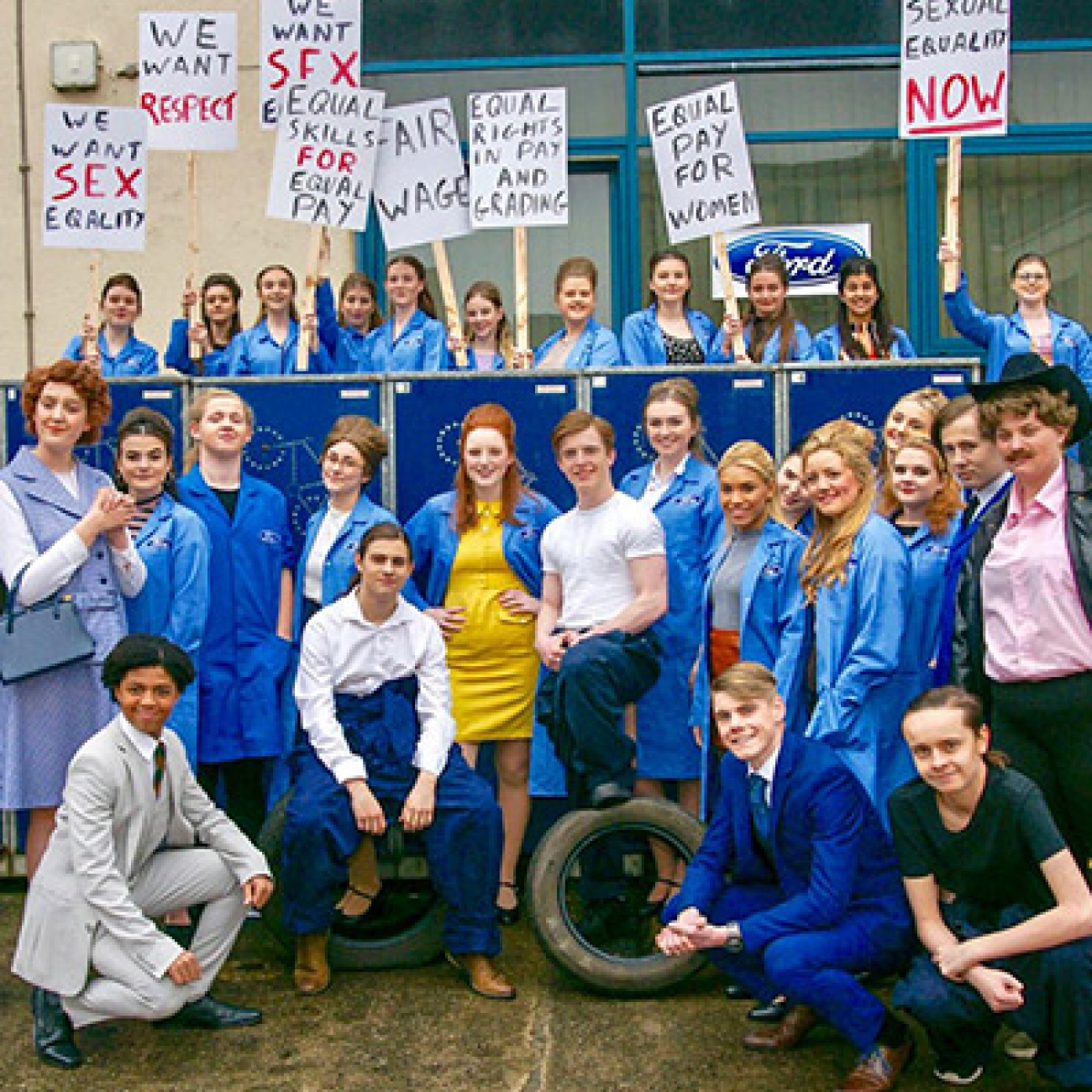
Performing Arts learners brought the curtain down on their final projects by putting on two fantastic theatrical performances. Learners surpassed expectations as they performed ‘The Wonderful World of Dissocia’ and ‘Made in Dagenham’ (the musical), displaying outstanding acting abilities throughout.
Here, cast members reflect on the performances and explain why they enjoy studying performing arts.
DISSOCIA
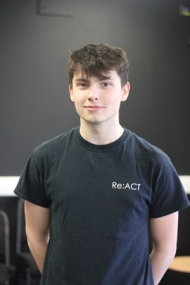
Ben, previously from Backwell School
Performing Arts (Acting Pathway)
The Wonderful World of Dissocia in just three words? Captivating, intriguing and wild. The word ‘Dissocia’ comes from ‘dissociative disorder’, which is a mental health issue that the protagonist, Lisa Jones, suffers with. This is hinted at throughout the first act but finally revealed in the final act.
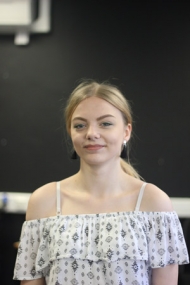
Lauren Easterby, previously from Priory School
Performing Arts (Acting Pathway)
The lead role of Lisa was really challenging and without Fiona and the rest of the lecturers, I think I would have struggled and perhaps given up. But I kept going thanks to her support. The hardest bit for me was to be able to convey the things she goes through correctly, because it’s all based around a mental disorder. Not experiencing that yourself, makes it really hard to capture how that feels and express that to an audience in the appropriate way. To prepare for it I had help with research and did exercises and workshops to get myself into that headspace, and also get myself out, which is also really important.
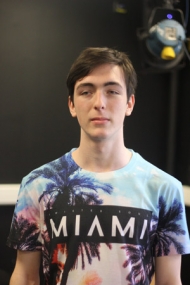
Paul, previously from Broadoak Mathematics and Computing College
Performing Arts (Acting Pathway)
My favourite thing about performing arts is definitely the creativity and the imagination it allows you to use. There’s a lot of freedom within it and you get to take on other people’s stories. Learning or creating something new that you didn’t know was there is absolutely amazing! I played Ticket, Dr Clark and two other roles, one of which included puppeteering. Ticket stood out for me and I did so much research around him, I even made up my own backstory, which was crazy. I loved to see the creativity – it was insane!
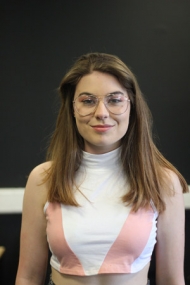
Stephanie, previously from Gordano School
Performing Arts (Acting Pathway)
The final moment on stage for Dissocia was a really proud moment. As this is my second year, it was my final major project and it just felt like a brilliant way to express all of my emotions on stage. From a very young age I did a lot of dancing and was eager to perform in front of people. I remember wanting to perform a limbo dance on stage when I was on holiday at three years old. Since then I’ve always wanted to be on stage.
Fiona Philp, Performing Arts Lecturer and Director for The Wonderful World of Dissocia added: “I’ve been really impressed with the learners’ maturity as the play covers themes that are challenging, topical and tough.
“They all stepped out of their comfort zones and were really willing to experiment and explore new ways of thinking. This flexibility is highly commendable alongside their levels of commitment and professionalism.”
MADE IN DEGENHAM
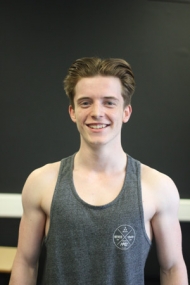
Ben, previously from Worle School
Performing Arts (Acting Pathway)
Made in Dagenham is based on the true story of how women finally got equal pay to men, or at least how that journey began. It focuses on a housewife and her journey achieving equality at Ford factory car development service. In the 1950s there were very little rights for women so it’s important to raise awareness and remind people how far we’ve come. As much fun as a play is, I would always choose to do a musical. The singing and choreography just adds so much more. It rises it up and hits you a lot more which is why I love musical theatre.
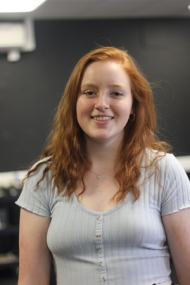
Holly, previously from Broadoak Mathematics and Computing College
Performing Arts (Acting Pathway)
There was an overwhelming feeling of pride and passion during the final performance. I can’t really explain the feeling – it’s very euphoric. You put all of that work in and it just pays off in that moment. Performing arts is unique. There’s nothing better than the feeling of finishing your favourite number or completing a dance you never thought you’d be able to do. Compared to the start of the course, I feel like my confidence has quadrupled! With the lecturers pushing you, you can do anything. I never thought I would be able to play a lead, but I did.
Joe Miller, Dance Lecturer and Made in Dagenham choreographer, said: “The process began just 11 weeks ago. The learners developed their singing abilities and projection as well as overcoming hurdles like learning accents, as the musical is set in Essex. They also worked on all the set changes themselves and came together as a company as there was no back stage help.
“After weeks of rehearsal the students, who range in ages and levels, produced an amazing show to a very high standard. I’m very proud and couldn’t be happier with the musical.”
Lisa Frost, Performing Arts Lecturer and Made in Dagenham director, added: “It was an amazing process. Some of our learners are first years and have never done anything like this. Over a short period of time, there was a lot of great collaboration between different levels and ages within the cast. They guided and supported each other, gave feedback and worked together to achieve a massive journey of development.”
As part of the Creative Arts Summer Showcase, the Performing Arts cast will be accompanied by UCW degree learners in an end-of-year stage performance of “Sorry For The Inconvenience - We Are Trying To Change The World” on Wednesday 19th June, 7:30pm at the Playhouse Theatre in Weston-super-Mare. Click here to get your tickets.

Amazing make-up and incredible costumes…
The Production Arts Runway took place earlier this week and wowed an audience with a runway performance of technically stunning body art, hair and costumes. All of these were designed and put together by our second year Production Arts learners and focused around a superhero/supervillain theme, hence the title of the runway: ‘Kryptonite’. This showcase of talent formed part of the learner’s Final Major Project; supported by the Performing Arts students, in the form of as dancers and models.
From concept to creation, the Production Arts learners had been working on their final characters for 10 weeks. ‘Runway day’ began with learners starting preparation from 8am, working on their models for over 8 hours to perfect their full body artwork. The final result was a stunning, diverse display featuring amazing body painting, make-up, hair, props and incredible costumes.
Overall, the evening was a fantastic success with high praise coming from both parents and staff.
Kirsten Harrison, Lecturer in Production Arts, commented: “We are all incredibly proud of our learners. They have all worked exceptionally hard and have come a long way since starting their journey with us. They have developed into extremely strong and capable make-artists. Each one of them have a bright future in creative industry.
“All of our learners will be progressing onto university level courses or the brilliant UAL pre-degree programme. Words can hardly justify how extremely proud we are.”
The Production Arts Runway was part of SWATCH, the annual Creative Arts Summer Festival, showcasing work from students spanning over multiple weeks across various venues in Weston-super-Mare.
Click here to read more about the other upcoming events from Creative Arts Summer Festival
Well done to all those who took part and a massive thank-you to staff that co-ordinated and helped these learners reach their full potential.
WHICH LEVEL IS RIGHT FOR ME?