




COURSES FOR SCHOOL LEAVERS
Your Future Starts Here
With hundreds of exciting courses, this is where your journey begins. From day one, you'll be supported, inspired, and on track to a rewarding career.
See SubjectsJoin a Career Excellence Hub and gain real-world skills, experience, and confidence to reach your goals.
Whether you're finishing school, changing direction, or learning English with our ESOL courses – we’ve got you covered.
Get started today – pick a subject and apply online in just 5 minutes!

Find Your Future Path










QUALIFICATIONS EXPLAINED
A Levels develop the knowledge, skills and study habits to excel at university, as well as the attributes recognised by employers.
Your academic studies will be complemented with enrichment opportunities such as trips, mentoring and work experience, providing the perfect springboard for your future career.
A Levels are assessed through exams at the end of two years of study. Most learners study three subjects - some choose four.
With an apprenticeship you’ll go straight into the workplace and be shown clear routes to progress straight into employment within a specific occupation. You can achieve nationally recognised qualifications, earn a wage, and gain skills that will see you get ahead. On average you will spend 20% of your learning time in the college and 80% within the workplace
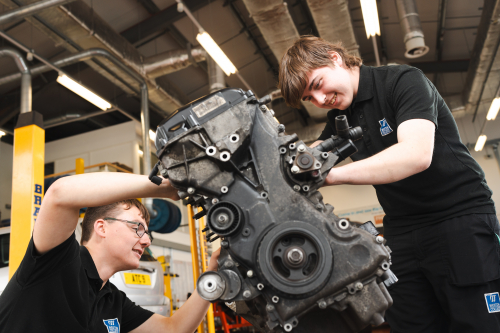
Professional and technical qualifications are designed to provide you with the knowledge, skills and behaviours needed to gain employment within specific industries or occupations. They provide a balance between theory and practical skills development. They are suited to those who want to get hands-on experience within a particular vocational area. These programmes include work placements. Assessment is more varied and will include exams, coursework and practical work.
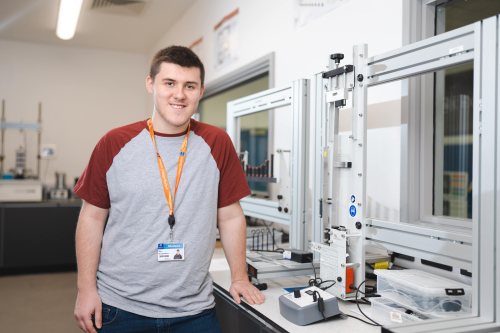
T Levels give you the chance to learn what a real career is like while you continue your studies. T Levels have been designed with leading businesses and employers to give you the knowledge and skills you need, including a minimum of 45 days on an industry placement – this means you will spend 80% of your learning time in College and 20% within the workplace.
LATEST NEWS

Weston College will be at the forefront of the brand new Digital T Level qualification, which will be launched to students in September 2020.
The T Level qualification is a highly technical alternative to A Levels, and is part of the Government’s commitment to giving people access to high-quality training opportunities.
T Levels will combine classroom theory, practical learning and an industry placement. The industry placement is a core component of each T Level and ensures students spend at least 315 hours (approximately 45 days) utilising the skills and knowledge they have learnt in the classroom and applying them in the workplace.
Damian Hinds, Education Secretary, said: “Everyone agrees that a radical shake-up of technical and vocational education in this country is long overdue. T Levels are our chance to do that – offering young people high-quality alternatives to our world-class A Levels from September 2020.”
Dr Paul Phillips CBE, Principal and Chief Executive of Weston College Group, said: “The College is keen to start working with businesses in the digital sector to develop partnerships that offer industry placements to learners on the Digital T Level route.
“Industry placements can benefit businesses by helping them identify and nurture their future talent, allowing them to discover an early talent pipeline for their next generation of workforce.
"Also these placements can help to develop existing staff’s mentoring and management skills whilst improving recruitment sources for jobs, in a challenging recruitment marketplace."
If your business is interested in offering an industry placement for a Digital T Level student from September 2020, please fill out the form below and a member of our team will be in touch to let you know how.
Have you wondered what it’s like to be a computing student? Meet Jake, an applied computing student.
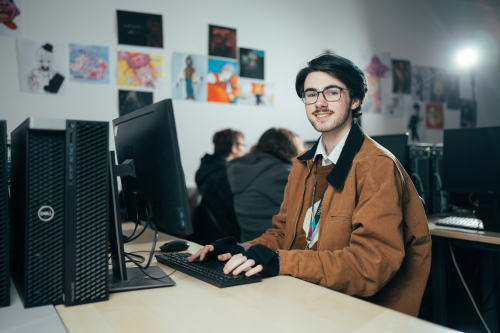
Jake joined Weston College when he enrolled on the IT Practitioners Diploma, Level 3 course. This course improves your knowledge and practical skills in a range of IT areas including, IT systems, social media in business, data modelling, information management and website development. You find out how computer systems work and learn to utilise different applications. The assignments are based on workplace situations, so you get a real insight to the careers available in IT and what it is like to work in the industry.
Jake then progressed to the Applied Computing FDSc at University Centre Weston (UCW). This popular foundation degree emphasises the practical application of computing principles and development of IT skills.
The course also provides the core knowledge in software design, systems analysis and web technologies required to either progress to further study or gain employment in an it role. It covers:
- Computing applications
- Software design and development
- System analysis and databases
- Web technologies and platforms
- Computing project management
- Digital devices implementation and usability
- Object-orientated software design and development
- Service support tools and techniques
- Work experience.
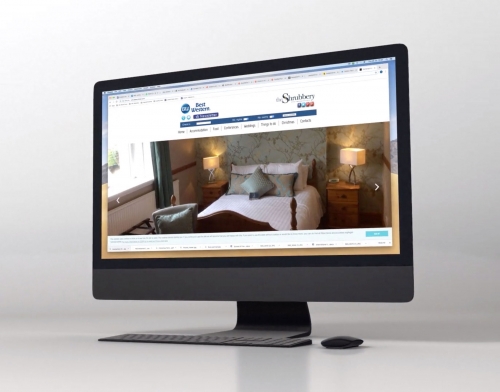
As part of the work experience module, Jake has been working with the Shrubbery Hotel in Ilminster to produce a website and help improve their digital presence. His brief included:
- An interactive website
- The ability to view the rooms
- The ability to place a booking
- An events page
- A section looking at the local area.
Jake said: “It was a great real-life experience. I had to meet with the client to discuss their requirements and then make suggestions as to the best way to achieve their objectives.”
The project took approximately six weeks to complete.
Jake added: “Weston College and UCW have given me the knowledge and skill set to take up a strong career on computing.”
Jake’s next step is the BSc top-up year at UCW. He then plans to find a graduate job in website or software development.
Jake offered this advice for future students of Weston College or UCW:
“Space out your assignments and start them early. There is a great atmosphere amongst the lecturers and students and if you have a question about an assignment it’s always easy to get hold of a lecturer.”
Have you wondered what it’s like to be a computing student? Meet Ben, an applied computing student.
Ben joined Weston College when he enrolled on the IT Practitioners Diploma, Level 3 course.
This course improves your knowledge and practical skills in a range of IT areas including, IT systems, social media in business, data modelling, information management and website development. You find out how computer systems work and learn to utilise different applications. The assignments are based on workplace situations, so you get a real insight to the careers available in IT and what it is like to work in the industry.
He then moved to UCW to study applied computing. This popular foundation degree emphasises the practical application of computing principles and on development of IT skills.
The course also provides the core knowledge in software design, systems analysis and web technologies required to either progress to further study or gain employment in an IT role. It covers:
- Computing applications
- Software design and development
- System analysis and databases
- Web technologies and platforms
- Computing project management
- Digital devices implementation and usability
- Object-orientated software design and development
- Service support tools and techniques
- Work experience.
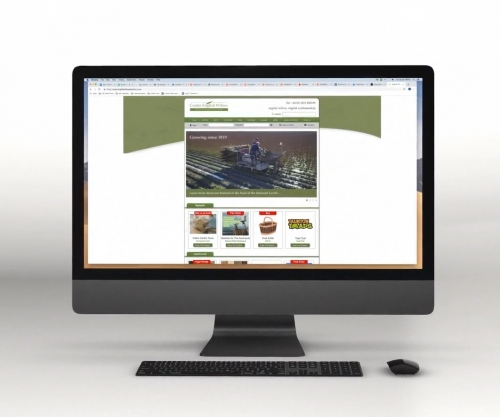
During the degree, Ben worked on a project for Coates English Willow, who produce baskets, furniture, artist pieces and sustainable coffins.
The website brief included:
- Revamping the retail element of the website
- Offering tours
- A museum
- Showing the rental opportunities in the court yard.
Ben said: “It was very different to a class-based project as you not only had to manage your time but you had to factor in getting information or replies from the client.
“Weston College and UCW have helped me advance my computing knowledge and helped me develop ‘soft’ skills such as public speaking.”
WHICH LEVEL IS RIGHT FOR ME?