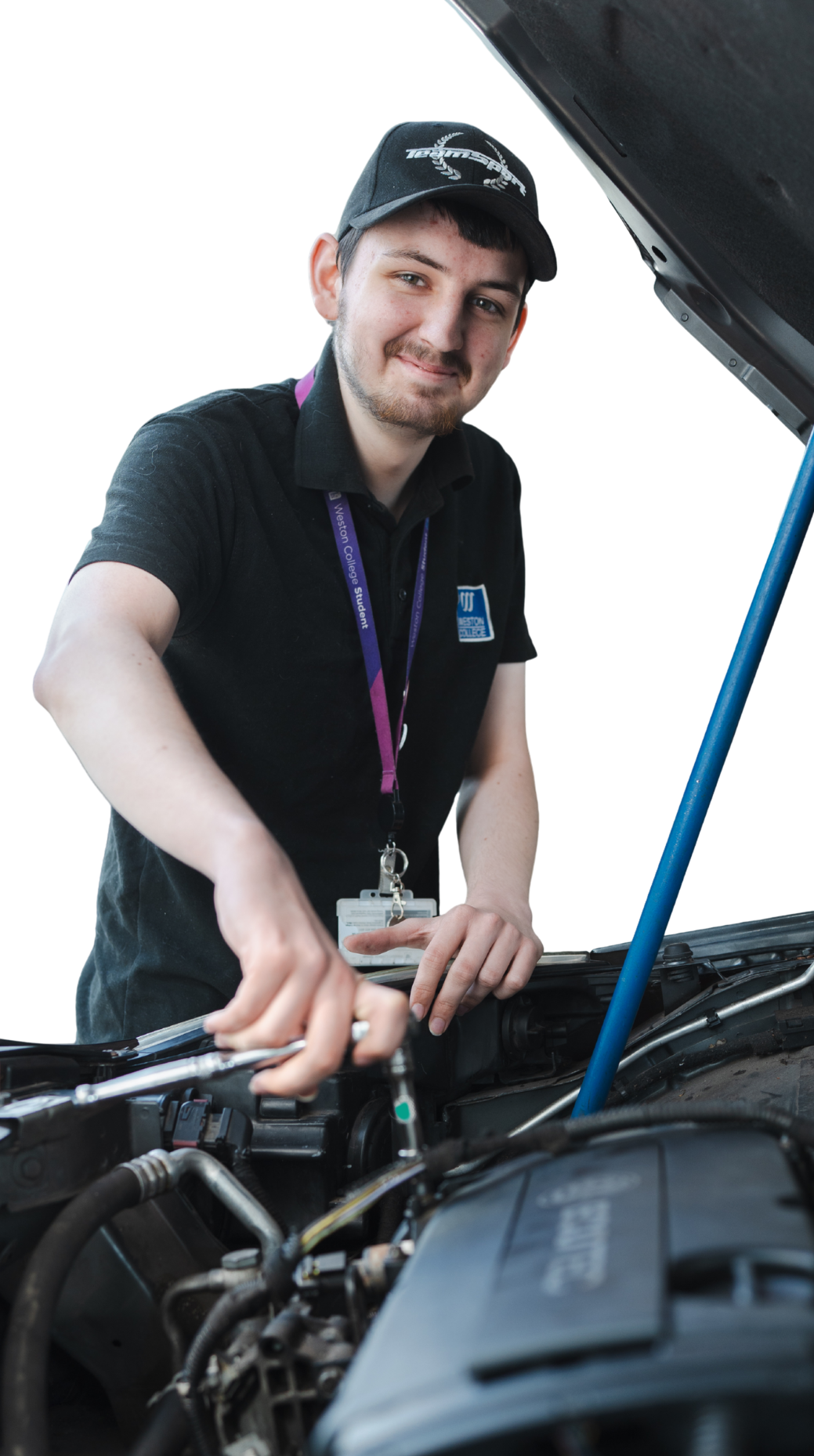





COURSES FOR SCHOOL LEAVERS
Your Future Starts Here
With hundreds of exciting courses, this is where your journey begins. From day one, you'll be supported, inspired, and on track to a rewarding career.
See SubjectsJoin a Career Excellence Hub and gain real-world skills, experience, and confidence to reach your goals.
Whether you're finishing school, changing direction, or learning English with our ESOL courses – we’ve got you covered.
Get started today – pick a subject and apply online in just 5 minutes!

Find Your Future Path
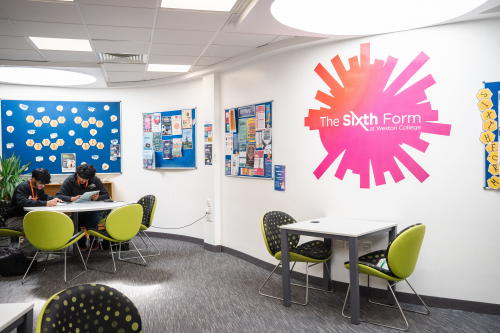
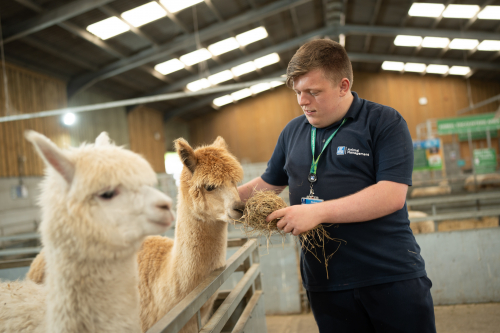









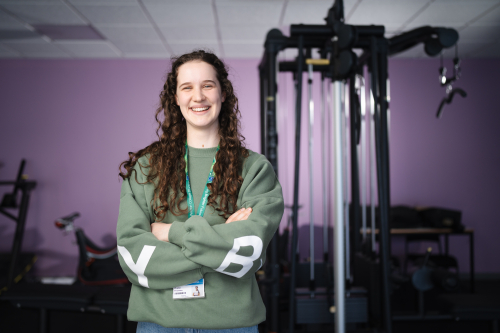
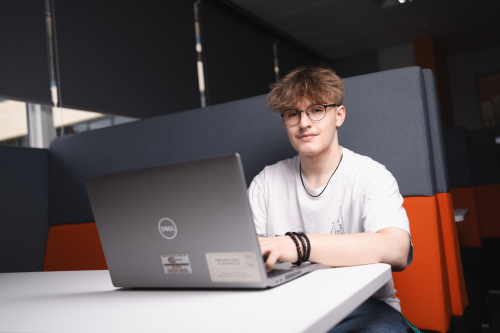

QUALIFICATIONS EXPLAINED
A Levels develop the knowledge, skills and study habits to excel at university, as well as the attributes recognised by employers.
Your academic studies will be complemented with enrichment opportunities such as trips, mentoring and work experience, providing the perfect springboard for your future career.
A Levels are assessed through exams at the end of two years of study. Most learners study three subjects - some choose four.
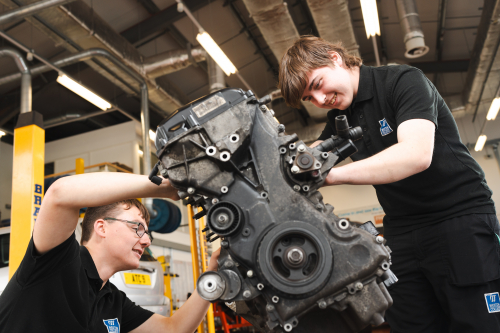
With an apprenticeship you’ll go straight into the workplace and be shown clear routes to progress straight into employment within a specific occupation. You can achieve nationally recognised qualifications, earn a wage, and gain skills that will see you get ahead. On average you will spend 20% of your learning time in the college and 80% within the workplace
Professional and technical qualifications are designed to provide you with the knowledge, skills and behaviours needed to gain employment within specific industries or occupations. They provide a balance between theory and practical skills development. They are suited to those who want to get hands-on experience within a particular vocational area. These programmes include work placements. Assessment is more varied and will include exams, coursework and practical work.
T Levels give you the chance to learn what a real career is like while you continue your studies. T Levels have been designed with leading businesses and employers to give you the knowledge and skills you need, including a minimum of 45 days on an industry placement – this means you will spend 80% of your learning time in College and 20% within the workplace.
LATEST NEWS
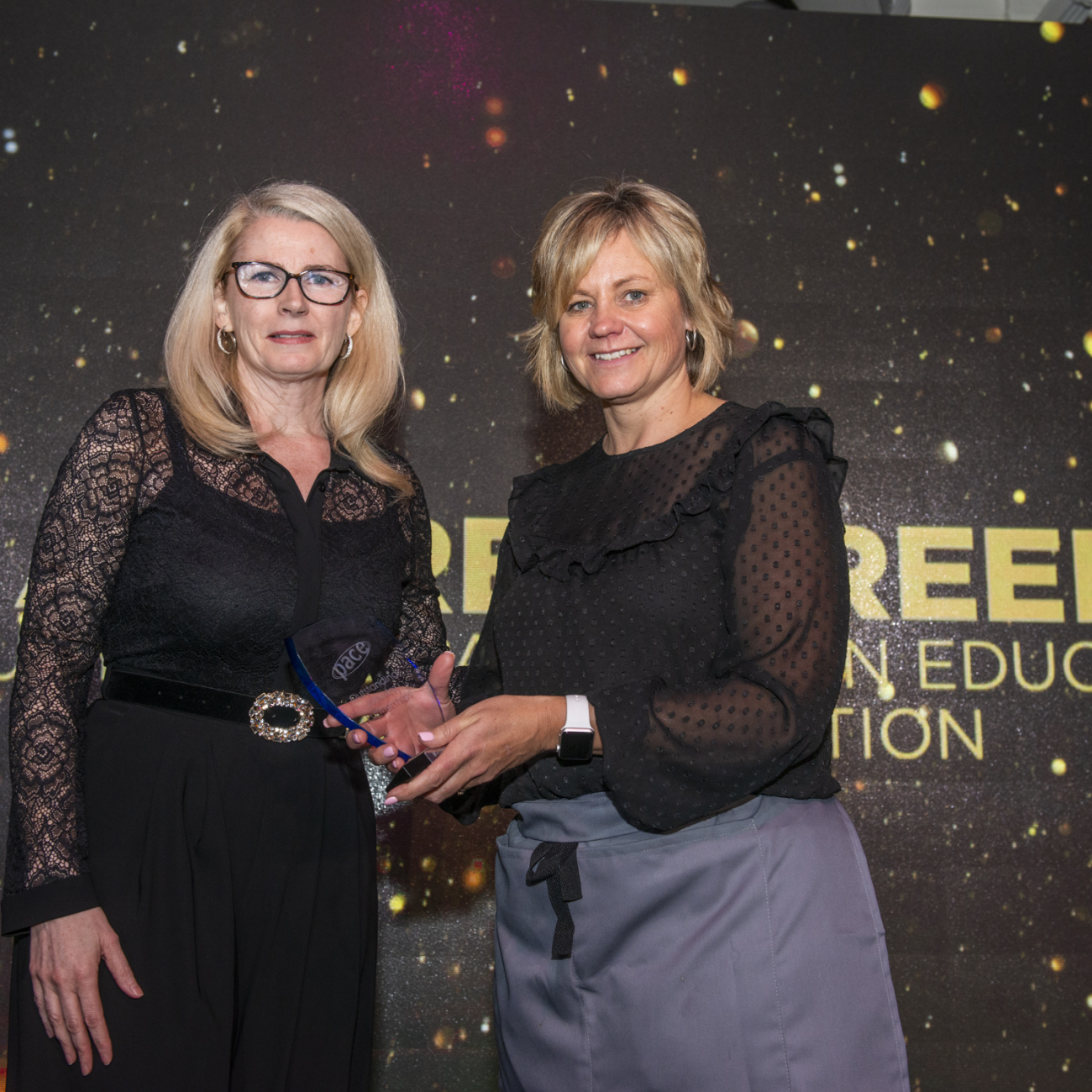
Weston College’s Hospitality and Catering Career Excellence Hub, has been awarded national success, named as Outstanding Industry Partnerships award winners at The Professional Association of Catering Education (PACE) awards.
PACE is the representative body for hospitality and catering education with a regional and national network of members, and these awards are a celebration of the work that happens on a daily basis in education to develop the future workforce of the hospitality industry.
Weston College was commended for its work during the pandemic, and the opportunities that were created for learners through working with employers, despite difficult circumstances.
Sandra Bull, Dean of Faculty for Hospitality, said: “We are so pleased to have won this award, as it reflects the hard work and dedication of not only our staff, but also our students, who continue to impress us and raise the profile of the work we do.
“Our team doesn’t stand still, and we are always looking to create opportunities that will benefit our learners, and that is demonstrated in this award.
“One of the aspects that we were commended for, was our links with employers, and how we deliver regular masterclasses which offers our learners a unique and exciting way to develop their skills – experiencing a range of techniques. We must thank our endorsing employers who work so closely with our curriculum it allows our learners to learn from their journeys, expertise and experience. But also the importance of experience, whether that be through placements or working live events, which is a key part of our delivery at Weston College.”
A huge well done to the Hospitality and Catering team. If you would like to study one of our hospitality courses, you can find out more information, here.
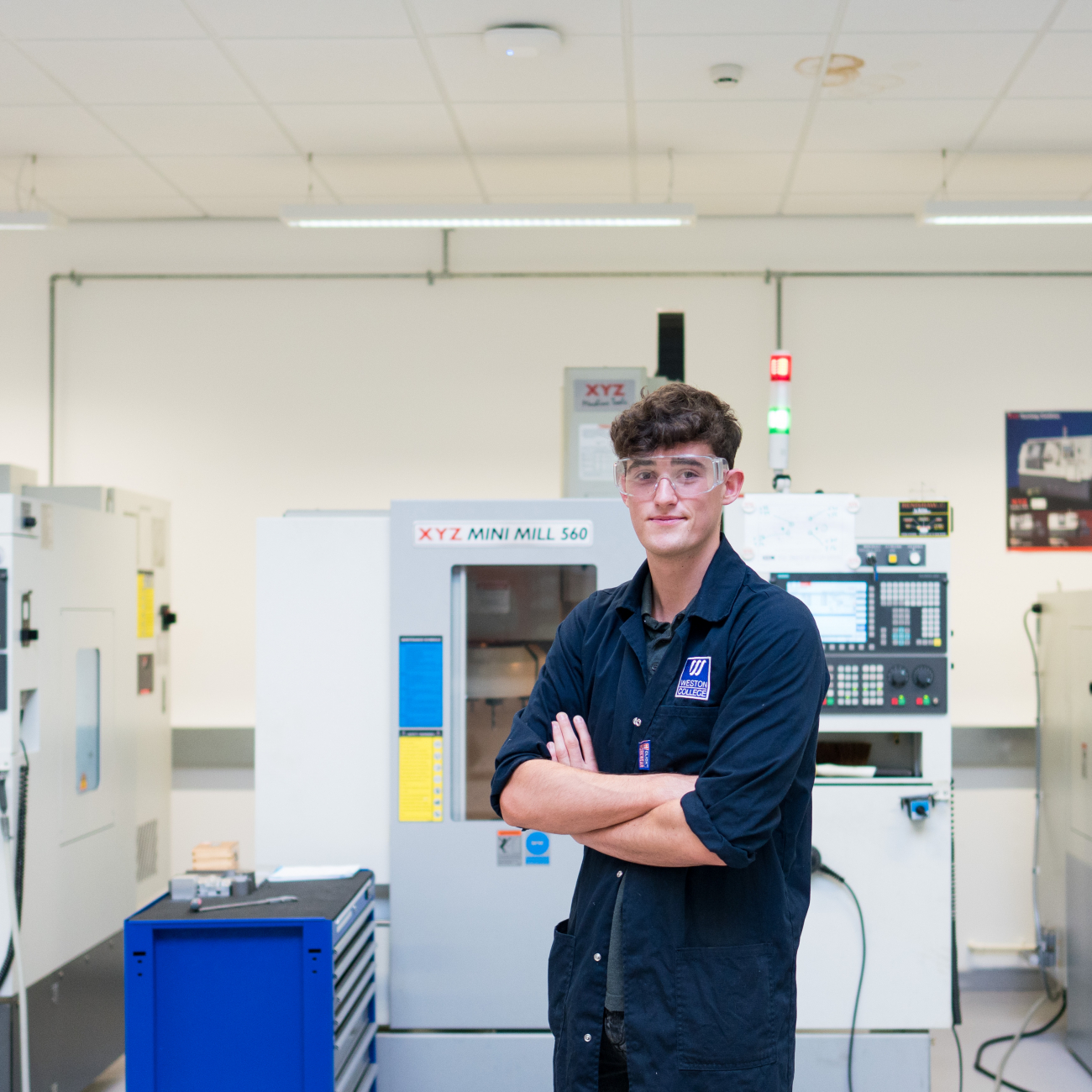
The winners of the 2022 Annual Apprenticeship Conference (AAC) Awards have been revealed at a glitzy ceremony in Birmingham, with Weston College being named as the Engineering and Manufacturing Apprenticeship Provider of the Year.
The AAC Apprenticeship Awards are supported by FE Week and AELP (Association of Employment and Learning Providers) and it celebrates apprenticeships across the UK – this year it received a staggering 370 nominations for the awards.
Weston College won the award due to its strong engineering apprenticeship provision, which supports employers of all sizes across the south west.
Joanne Philpott, Vice Principal – Curriculum Delivery and Technical Innovation, was at the awards, and said: “We are so proud of our engineering provision at Weston College, which continues to go from strength to strength.
“This award demonstrates our ethos of creating brighter futures, whether that be for the 500 plus learners we support through apprenticeships in engineering, or the 50 employers we work closely with to supply them with a talent stream.”
Weston College offers ten different apprenticeship standards in engineering, which allows apprentices to train in an array of engineering disciplines, from Aerospace to Composites.
Dr Paul Phillips CBE, Principal and Chief Executive of the Weston College Group, added: “Our engineering provision is constantly defying the odds, from bucking national trends, to delivering fantastic results.
“Something which is particularly important for us at Weston College, is giving everyone that is interested a route into the industry, whether that be NEETs through traineeships, or challenging the norm by welcoming a higher proportion of females into the industry.
“A huge well done and thank you to our engineering team, who continue to impress not just regionally, but nationally too, with this very well-deserved award.”
Find out more about Weston College’s apprenticeship provision, here.
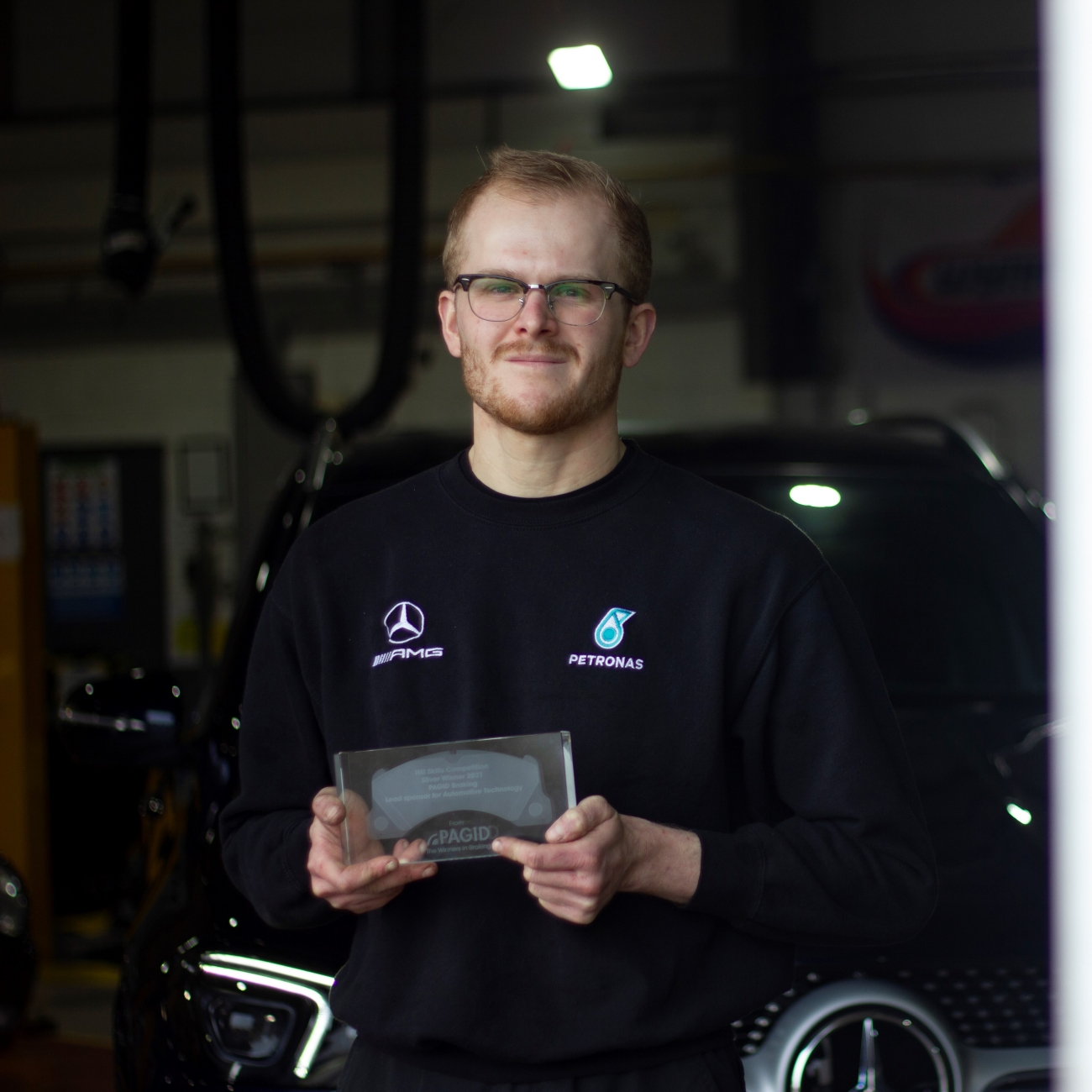
Level 3 Automotive apprentice Luke Merchant has been recognised with an award from the Institute of Motors Industry
(IMI) for his outstanding success as a WorldSkills Silver Medallist as he now accelerates into his career working as a Vehicle Technician with Mercedes!
WorldSkills UK is an independent charity that works with employers, education, and governments, supporting young people across the world via competitions-based training, testing their ability to achieve world-class standards in the biennial ‘skills Olympics’. Over 3,000 learners registered to take part in the UK-wide competitions in March 2021. Luke was awarded the prestigious silver medal at the 2021 automotive technologies finals where he has to compete as one of the top learners in the country.
After Luke finished his apprenticeship, he then went on to work as a Vehicle Technician at Mercedes Benz, Weston-Super-Mare where he continues his career in automotive technology.
Luke states: "Working for Mercedes has been great so far. I am really enjoying getting to know all their systems and processes.
“Winning the silver medal at WorldSkills and my time at Weston College has helped me massively. I'm now more confident in myself and always trying my best to develop and grow my skills."
Steve Harvey, Head of Business at Mercedes Sytner comments: "Since joining the team here at Mercedes Benz W-s-M, Luke has been doing a fantastic job!
Firstly, working alongside an experienced Mercedes-Benz technician, so he could understand how the workshop work flows, regarding health and safety, use of the diagnostic equipment and of course meeting the rest of the team. Luke has also got involved with looking at all process’s which are involved when working on our customers cars.”
Steve continues: "Luke is now working on his own, and we are really pleased with the progress he is making. At present with all the new product coming through from new electric to diesel and petrol and of course the awesome AMG range, it is an exciting time to be joining Mercedes-Benz and the Sytner Group!
Some of the electric cars which will be coming through are outstanding and have the latest high-tech equipment, safety, and performance packages available, for example the new EQS with the hyper screen.”
“Luke will now be able to have the full training on these types of vehicles, it is definitely a great time to join our team of very skilled technicians. We will certainly be looking for more aspiring talent to join our team. Luke is an example of what can happen with a tremendous attitude and drive to further his potential during and after completing his NVQ3."
Weston College’s involvement with WorldSkills is just one of the exclusive opportunities available to learners through their newly launched Career Excellence Hubs. At the College, each subject area forms its own specific Career Excellence Hub, endorsed by relevant sector employers which help to create a study programme with lots of career boosting benefits, which include WorldSkills competing opportunities.
Congratulations Luke!
WHICH LEVEL IS RIGHT FOR ME?