




COURSES FOR SCHOOL LEAVERS
Your Future Starts Here
With hundreds of exciting courses, this is where your journey begins. From day one, you'll be supported, inspired, and on track to a rewarding career.
See SubjectsJoin a Career Excellence Hub and gain real-world skills, experience, and confidence to reach your goals.
Whether you're finishing school, changing direction, or learning English with our ESOL courses – we’ve got you covered.
Get started today – pick a subject and apply online in just 5 minutes!

Find Your Future Path



















QUALIFICATIONS EXPLAINED
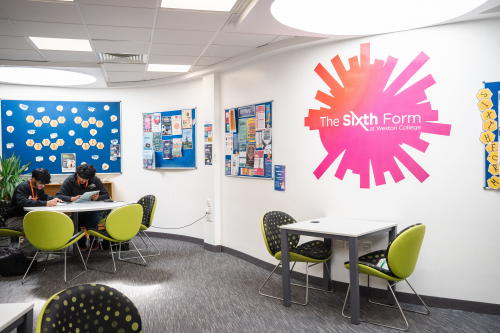
A Levels develop the knowledge, skills and study habits to excel at university, as well as the attributes recognised by employers.
Your academic studies will be complemented with enrichment opportunities such as trips, mentoring and work experience, providing the perfect springboard for your future career.
A Levels are assessed through exams at the end of two years of study. Most learners study three subjects - some choose four.
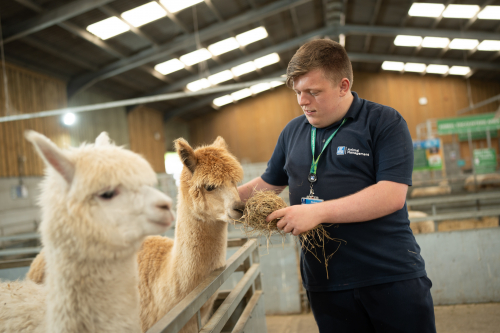
With an apprenticeship you’ll go straight into the workplace and be shown clear routes to progress straight into employment within a specific occupation. You can achieve nationally recognised qualifications, earn a wage, and gain skills that will see you get ahead. On average you will spend 20% of your learning time in the college and 80% within the workplace
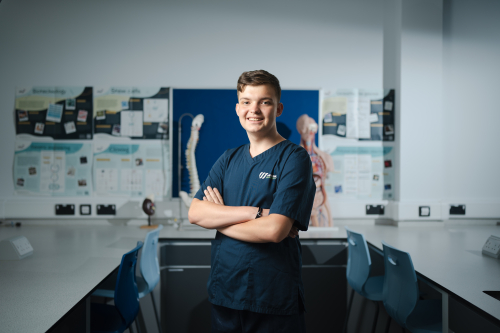
Professional and technical qualifications are designed to provide you with the knowledge, skills and behaviours needed to gain employment within specific industries or occupations. They provide a balance between theory and practical skills development. They are suited to those who want to get hands-on experience within a particular vocational area. These programmes include work placements. Assessment is more varied and will include exams, coursework and practical work.
T Levels give you the chance to learn what a real career is like while you continue your studies. T Levels have been designed with leading businesses and employers to give you the knowledge and skills you need, including a minimum of 45 days on an industry placement – this means you will spend 80% of your learning time in College and 20% within the workplace.
LATEST NEWS
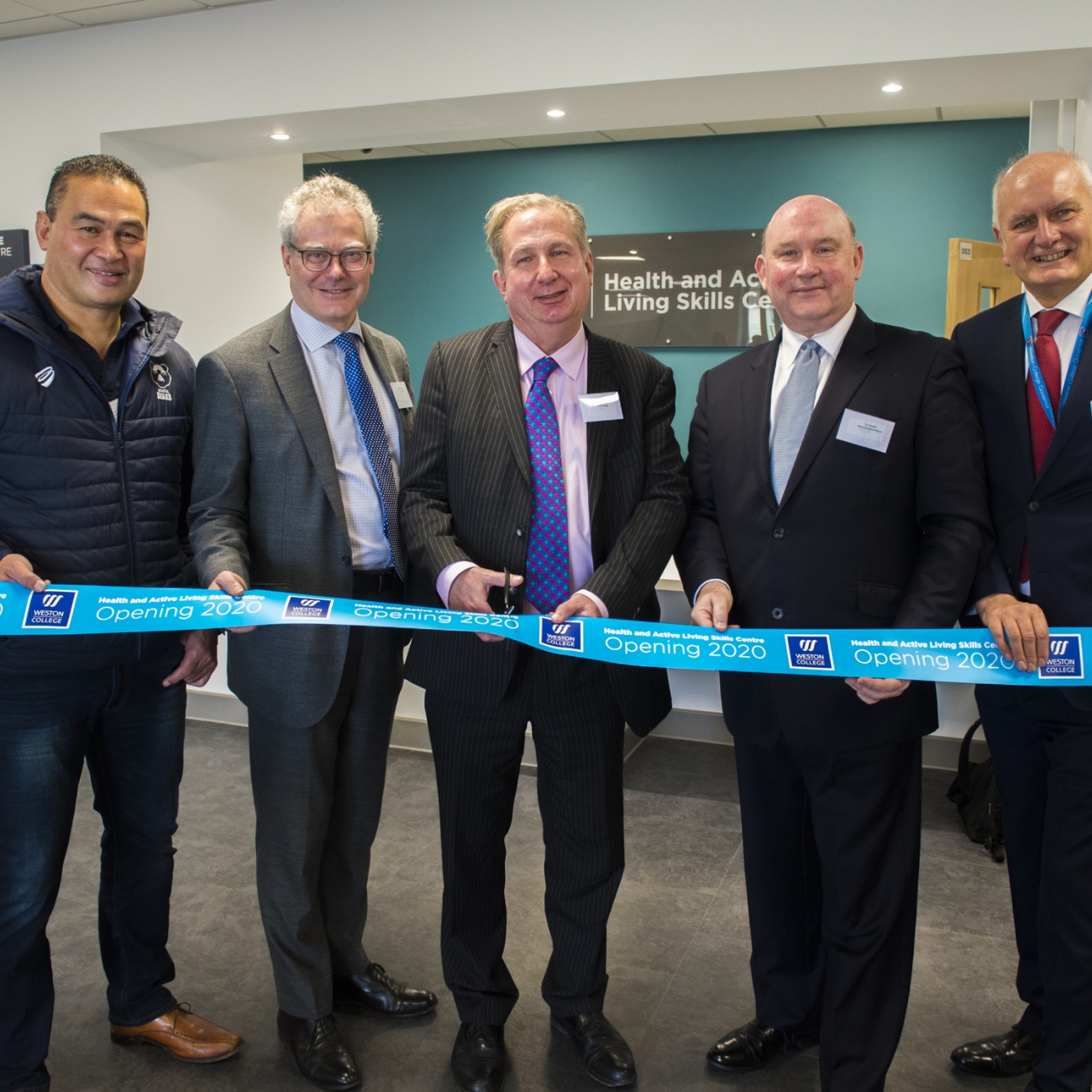
This week marked the official opening of Weston College’s Health and Active Living Skills Centre. The multi-million flagship facility is based at the College’s Loxton Campus and is set to inspire and educate new generations of students to enter the health and active sectors.
The grand opening was marked by an event held at the Centre, where key industry and community figures were invited to hear how the facility had been devised through a partnership approach. The audience heard from Dr Paul Phillips CBE, Principal and Chief Executive, Weston College, Tim Bowles, West of England Mayor, Pat Lam, Director of Rugby, Bristol Bears and Robert Woolley, Chief Executive, University Hospitals Bristol NHS Foundation Trust.
The guests were then treated to a tour of the facility from students including skills demonstrations in the simulation room and science laboratories.
The aim of the bespoke facility is to provide learners with knowledge of the healthcare and sport sectors as well as vital industry skills. The centre brings together the College’s health and social care, sports therapy and active living courses into one facility, which will benefit students, businesses and the wider community.
It features a state-of-the-art training hospital ward, science laboratories, a full size 3G pitch, a full size rugby pitch, a multi-gym and a sports hall. Dr Paul Phillips, CBE, Principal and Chief Executive of the Weston College Group, said: “This outstanding new training centre is the latest step in our drive to provide students with the very best learning facilities and resources.
“We have worked with key business partners to ensure that the Health and Active Living Skills Centre will tackle the current skills shortage in the sector and address the longer-term issues that affect our health service and the health of the local population.”
The West of England Local Enterprise Partnership (LEP) through the Local Growth Fund, administered by the West of England Combined Authority contributed £5.4 million towards the project.
Tim Bowles, West of England Mayor, said: “With so many leading sports teams and top notch medical facilities in the West of England to inspire people, I’m pleased that Weston College’s new centre will be able to give those people the skills they need to start and progress their careers right here in the West of England.”
Prof Steve West, Chair of the West of England LEP, said: “We need to train more people for future careers in our hospitals and community services - this new skills centre will improve the quality of care and improve people’s lives. With more highly qualified professionals, and with people trained in a wider range of disciplines, people will be better cared for.”
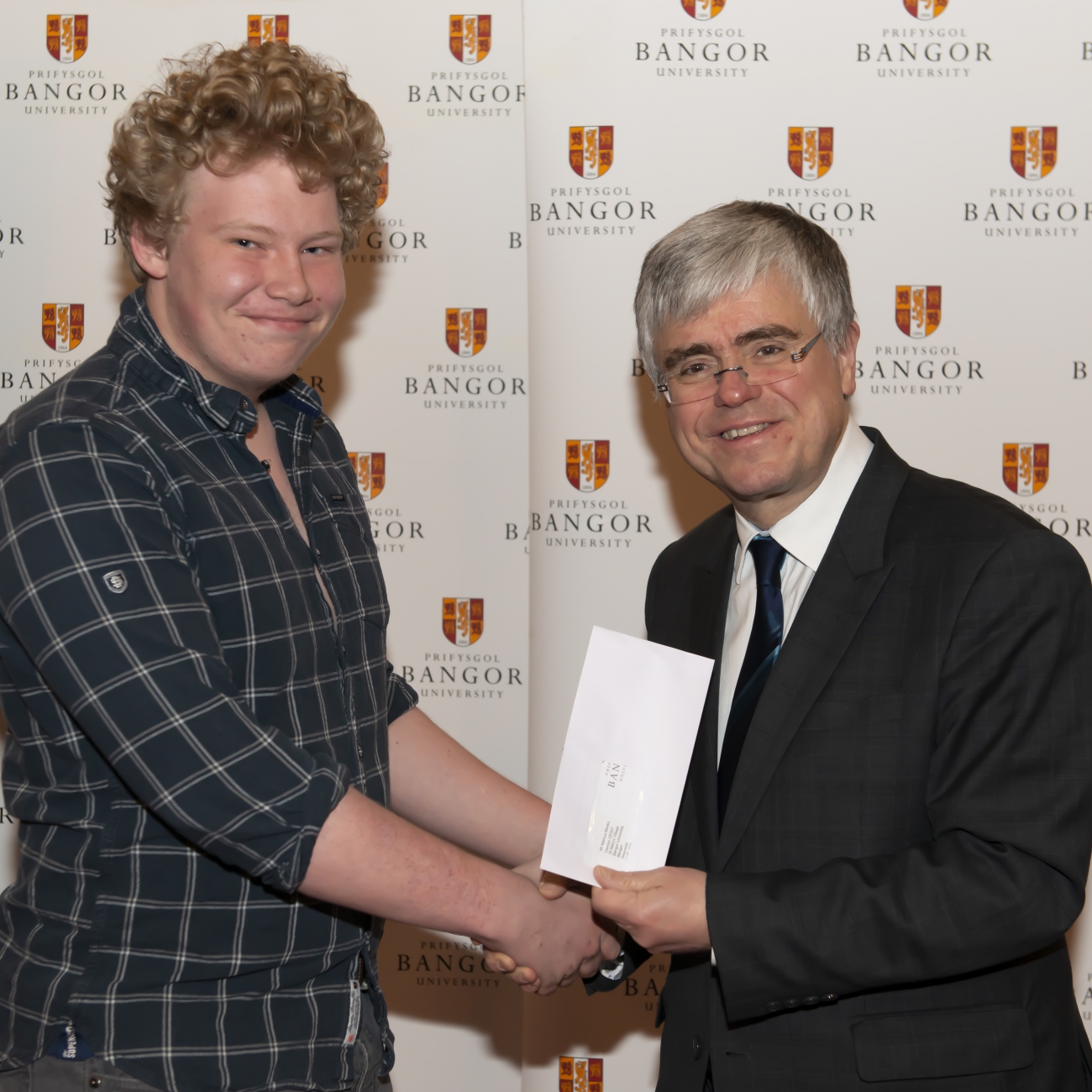
Marcus Banks from Clevedon is seen receiving an award from Professor Iwan Davies, Vice-Chancellor of Bangor University. Marcus previously studied the Animal Management BTEC Extended Diploma at College and is now studying Zoology with Herpetology at Bangor University. He was awarded an Excellence Scholarship, and received a cheque of £3500.
SCHOLARSHIP winners at Bangor University received their prizes at the annual Entrance Scholarship Presentation evening recently.
A total of 124 awards totalling almost £290,000 were awarded to new first year students. The majority were receiving Scholarship awards after excelling in the University’s own Entrance Scholarship exams, or for their high academic achievement in their A Level exams or equivalent.
“Our scholarship awards mean that we’re able to recognise and reward those who either excel in our entrance scholarship examinations, or achieve the highest academic attainment upon entry” said Amanda Smith, Marketing Manager, Bangor University.
“We're really keen to attract the best calibre students to Bangor University and to support those students as far as possible,” she added.
Bangor University - ranked Top 10 in the UK for student satisfaction - has over £3.4M in bursaries and scholarships available for new and returning students in September 2020.
"The College Animal Management team are very proud of Marcus for achieving this award and we are sure that Marcus will have a bright future in the zoology profession. We are also grateful to Bangor University for recognising the hard work and dedication that went into achieving such an excellent grade profile and we are sure that this news will inspire our current students to continue aiming for high grades" said Maxine Park, Access to Higher Education and Animal Management Subject Area Manager.
Find out more:
- Animal management course at Weston College
- The next open event at Weston College
- Scholarship opportunities at Bangor University
Weston College has been shortlisted for three major apprenticeship awards at the national AAC Apprenticeship Awards.
The FE Week and AELP AAC Apprenticeship Awards celebrate excellence in apprenticeship delivery in the UK.
Weston College has been shortlisted in three categories:
- Digital Apprenticeship Provider of the Year
- Promoting Apprenticeships Campaign of the Year
- Overall Apprenticeships Provider of the Year
This accolade demonstrates the College’s dedication to working with employers and industry; it currently works with over 2,500 business and delivers over 50 different apprenticeships.
This announcement is the latest in a string of highly impressive accolades received in 2019, with the most recent seeing the College named Lloyds Bank’s National Employer of the Year.
Dr Paul Phillips CBE, Principal and Chief Executive of Weston College Group, said: “This is fantastic recognition of the hard work we put into our apprenticeship delivery.
“At Weston College we are committed to producing as many opportunities for our learners as possible. We are playing an important role in creating the workforce of tomorrow, working closely with employers and learners, to ensure our offer is meeting everyone’s needs.
“To be recognised for the specialist area of digital apprenticeships demonstrates our strength in this sector, as we also embark on the Digital T Level and the Institute of Technology in 2020.
“To be a finalist in the Promoting Apprenticeships Campaign of the Year recognises our innovative approach to marketing apprenticeships to schools and the wider community.
“And to be shortlisted nationally for overall apprenticeship provision, truly showcases the exceptional work of Weston College staff, and further cements why we are creating brighter futures.”
Managing director of FE Week publisher Lsect Shane Mann said: “Nominations were up by 20 per cent this year, which is great and shows there is a real appreciation across the sector for celebrating individuals and organisations.”
He said the judging panel, which included representatives such as CocaCola’s Sharon Blyfield and chair of the Apprenticeship Ambassador Network Jason Holt, found it “incredibly tough” to decide the finalists.
The winners will be announced on the 3rd March 2020, in Birmingham.
WHICH LEVEL IS RIGHT FOR ME?