




COURSES FOR SCHOOL LEAVERS
Your Future Starts Here
With hundreds of exciting courses, this is where your journey begins. From day one, you'll be supported, inspired, and on track to a rewarding career.
See SubjectsJoin a Career Excellence Hub and gain real-world skills, experience, and confidence to reach your goals.
Whether you're finishing school, changing direction, or learning English with our ESOL courses – we’ve got you covered.
Get started today – pick a subject and apply online in just 5 minutes!

Find Your Future Path













QUALIFICATIONS EXPLAINED
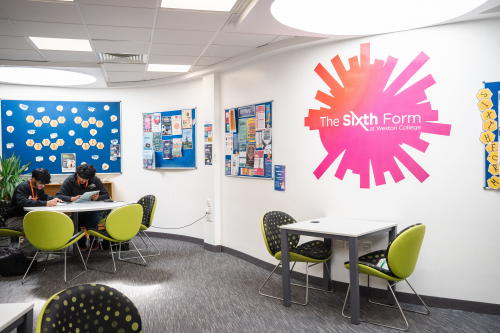
A Levels develop the knowledge, skills and study habits to excel at university, as well as the attributes recognised by employers.
Your academic studies will be complemented with enrichment opportunities such as trips, mentoring and work experience, providing the perfect springboard for your future career.
A Levels are assessed through exams at the end of two years of study. Most learners study three subjects - some choose four.
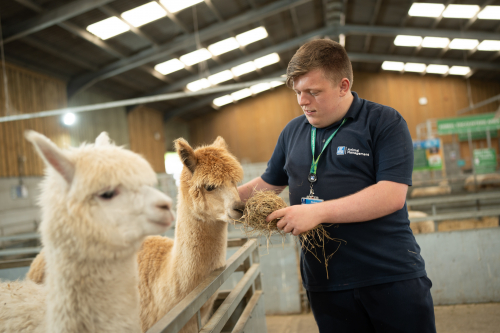
With an apprenticeship you’ll go straight into the workplace and be shown clear routes to progress straight into employment within a specific occupation. You can achieve nationally recognised qualifications, earn a wage, and gain skills that will see you get ahead. On average you will spend 20% of your learning time in the college and 80% within the workplace
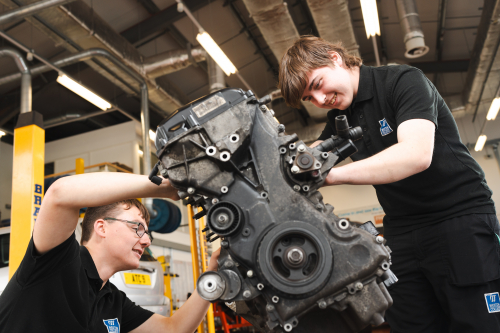
Professional and technical qualifications are designed to provide you with the knowledge, skills and behaviours needed to gain employment within specific industries or occupations. They provide a balance between theory and practical skills development. They are suited to those who want to get hands-on experience within a particular vocational area. These programmes include work placements. Assessment is more varied and will include exams, coursework and practical work.
T Levels give you the chance to learn what a real career is like while you continue your studies. T Levels have been designed with leading businesses and employers to give you the knowledge and skills you need, including a minimum of 45 days on an industry placement – this means you will spend 80% of your learning time in College and 20% within the workplace.
LATEST NEWS
1. Do apprentices get paid?
All apprentices get paid! Currently, the National Minimum Wage is £4.15 per hour, but this is being increased to £4.30 in April 2021.
If you are 19 or over and have completed the first year of your apprenticeship, you will be entitled to the minimum wage for your age.
Most businesses will pay more than minimum wage as they want to attract the best candidates, some apprentices earn over £10,000 per year!
2. Where does the qualification lead?
Becoming an apprentice unlocks many opportunities. Once you’ve completed your apprenticeship you can:
- Continue on to the next level apprenticeship e.g. if you complete a Level 2 you can progress to Level 3
- Apply to university
- Work full-time, either for the business you studied your apprenticeship with or you could apply for a new job
- Apply for a promotion
3. What’s expected of apprentices?
You will be entering the world of work and with this comes expectations. Don’t panic, you will be told what’s expected of you when you start and we can help you prepare. Each apprenticeship and business is different, but the main things to consider are; arriving on time, adhering to the dress code and following sickness/holiday procedures.
Apprentices aren’t just there to make cups of tea! – You will find yourself being immersed a variety of different tasks and the more enthusiastic and eager to learn you are, the more responsibility you may be given.
4. Do apprentices get holiday pay?
Apprentices receive at least 20 days paid holiday each year, plus bank holidays, although some businesses may offer more.
5. Do apprentices get taxed?
Yes, apprentices earning over £11,000 per year will be taxed as per the standard government regulations.
6. When do apprenticeships start?
Most apprenticeships can start at any time throughout the year but some may need to start at certain times in the academic year to fit in with class timetables.
7. Do I have to pay?
No, your employer will pay for your qualification and pay your wage.
8. Will I have to go to college?
Some apprenticeships can be completed entirely at your workplace and an assessor will come out to visit you and set you new tasks. Apprenticeships with a technical element such as; plastering, hairdressing and engineering will involve regular days at college to perfect your practical skills.
9. Can I get help with my application?
Weston College has a specialist support network for apprentices. We can meet with you to discuss your ambitions and help match you to the perfect role. We can even help you write your CV and provide support in preparation for your interview.
10. How do I start?
You can view all of our apprenticeship vacancies here. If you want to speak to our team for further support please contact us using the details below.
Art, fashion and textiles, and photography students at Weston College held a successful art show at the College's Sixth Form Centre on Loxton Road.
The show displayed work from second year A Level students, all of which contributes to their final projects, and gave visitors from outside the college a chance to see what they have been working on and discuss this with the students.
Several awards were also given out on the evening, including Head of Faculty’s award, won by Caitlin Hartman, and awards for art, photography and textiles won by Caitlin Dawkes, Matt Szymankiewicz and Neve Lynch respectively.
Ryan Aves, Team Leader for Creative and Maths, said: “We are extremely proud of the work presented by our students in the 2017 Sixth Form Art, Fashion and Photography show. They have all been very imaginative with their ideas and the results of this professional approach will yield excellent A level outcomes in the summer.
“The opening night was attended by many family and friends of the students, and since then local artists as well as teachers and pupils from local schools have been to look at the varied nature of the work.
“The excellent work will surely ensure visitors consider Weston Sixth Form as a great place to study art, photography and textiles.”
A selection of first year art work was also included in the show, which stretched across the entirety of the first floor of the Sixth Form.
So, you’ve found the job that’s right for you, you’ve applied, and now you have to go to an interview…
This is a scenario most people will find themselves in, and one of our aims is to ensure that our students leave Weston College with the qualifications that employers look for as well as the soft skills such as interview techniques that will put them ahead of the rest when applying for a job.
We have plenty of experience when it comes to employment. Weston College itself is one of the largest employers in the region, which means we’re well versed when it comes to providing interview advice and guidance.
Here are our top tips for interview candidates…
Find out about the employer
The more you know about an employer, the closer you will be to understanding the company’s ethos and skills requirements. You’ll have a better understanding about what the business expects than other candidates. Doing background research into a company also shows that you like to be prepared and are willing to put effort into your work. Knowing about the employer may also come in handy during the interview.
Think about the questions you’re likely to be asked
It’s impossible to tell for sure what questions you’ll be asked at an interview, however some questions are more likely to come up than others. At your interview you’ll be asked some specific questions about the job as well as some more generic ones. Click here to find out the frequently asked interview questions and how to answer them.
If the job you are being interviewed for requires certain skills or qualities, think about the key points that make you the ideal candidate.
Dress to impress
First impressions count, and it’s always good practice to dress professionally when attending a job interview. Not every interview requires a suit – a general rule is to think about the dress code that the workplace has and aim to dress one level higher.
For example: if the dress code is casual, go one step higher and wear smart casual such as a shirt and tie.
Arrive on time and come prepared
There is no better way to spoil your chances at getting a job than arriving to the interview late. Arriving early means you can benefit from getting a feel of the organisation and will give you some time to calm down and mentally prepare for the interview.
Make sure you bring some extra copies of your CV, a pad of paper, and a couple of pens just in case you want to take notes. If you have one to hand, a portfolio of your work could also put you ahead of the other candidates.
The first impression is often the most important
You only get one chance to make a first impression, but studies show that the first impression is often the most important. When going to a job interview, try to be as polite as possible to everyone you meet, regardless of their job.
When you meet the interviewer, shake their hand, smile and make eye contact.
Give concise answers
Pay attention to the questions being asked and your communication style, and try to give concise answers. When you enter the interview, you should already have an idea of the more general questions they might ask and how to answer them. Click here to find out about the most common generic questions and how to construct your answer.
You should also have thought about the key points that will put you ahead of the competition. Try to refer back to these points in your answers and aim to mention all of them.
Think about your body language
80% of how we communicate is non-verbal, and body language plays a huge part in how we come across during an interview. Although you may be nervous, try not to fidget or sit in an awkward position.
Smiling, making eye contact, and nodding when listening to the interviewer are an effective way to use body language to your benefit.
Thank the interview panel
This is common courtesy, but interview candidates often forget about this simple and effective way to end the interview.
Just like first impressions, the impression you make as you leave has a lasting impression on the interviewers.
Want more advice and guidance?
If you’re a Weston College student you can contact the ASPECT team for more helpful careers guidance.
If you’re not currently a student, the College has a variety of courses to teach you how to succeed at an interview.
Click here to find out more.
WHICH LEVEL IS RIGHT FOR ME?