





COURSES FOR SCHOOL LEAVERS
Your Future Starts Here
With hundreds of exciting courses, this is where your journey begins. From day one, you'll be supported, inspired, and on track to a rewarding career.
See SubjectsJoin a Career Excellence Hub and gain real-world skills, experience, and confidence to reach your goals.
Whether you're finishing school, changing direction, or learning English with our ESOL courses – we’ve got you covered.
Get started today – pick a subject and apply online in just 5 minutes!

Find Your Future Path

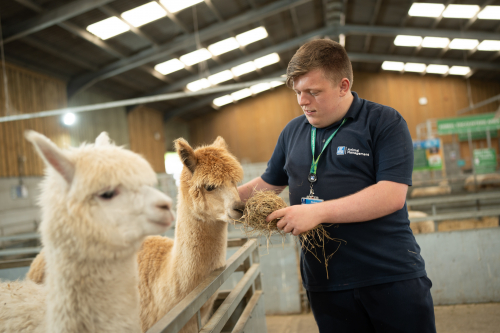
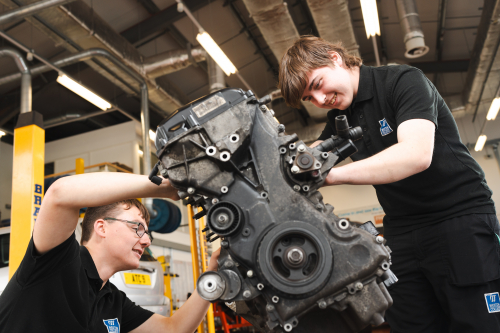




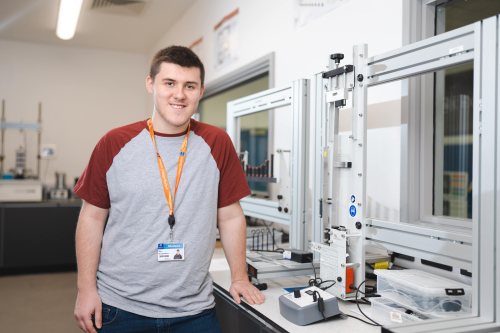

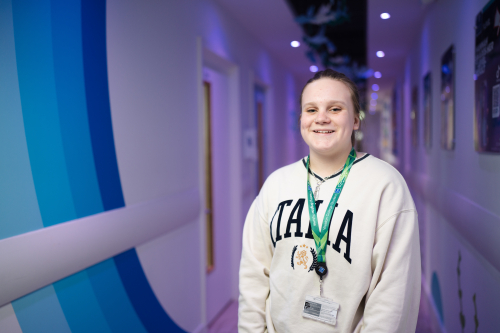










QUALIFICATIONS EXPLAINED
A Levels develop the knowledge, skills and study habits to excel at university, as well as the attributes recognised by employers.
Your academic studies will be complemented with enrichment opportunities such as trips, mentoring and work experience, providing the perfect springboard for your future career.
A Levels are assessed through exams at the end of two years of study. Most learners study three subjects - some choose four.
With an apprenticeship you’ll go straight into the workplace and be shown clear routes to progress straight into employment within a specific occupation. You can achieve nationally recognised qualifications, earn a wage, and gain skills that will see you get ahead. On average you will spend 20% of your learning time in the college and 80% within the workplace
Professional and technical qualifications are designed to provide you with the knowledge, skills and behaviours needed to gain employment within specific industries or occupations. They provide a balance between theory and practical skills development. They are suited to those who want to get hands-on experience within a particular vocational area. These programmes include work placements. Assessment is more varied and will include exams, coursework and practical work.
T Levels give you the chance to learn what a real career is like while you continue your studies. T Levels have been designed with leading businesses and employers to give you the knowledge and skills you need, including a minimum of 45 days on an industry placement – this means you will spend 80% of your learning time in College and 20% within the workplace.
LATEST NEWS
Stress affects everyone, particularly in the build up to exams, job interviews and when pressure mounts at work.
At Weston College, our expert Welfare Team is on hand to help you if you are worried about your stress levels or other mental health issues.
Here are some of the top tips our Welfare Team give to combat stress…
Start a diary
Writing about your day will help you to identify things that make you feel stressed. You’ll probably be surprised to find that a pattern soon emerges; and this may be linked to time pressure, personality clashes, inappropriate demands or simply trying to do too many things at once. Keeping a diary will help you to blow off steam in a productive way.
Talk to someone
Talk through your diary with a good friend or someone at College - even the act of discussing things often makes you feel better. The College’s Welfare Team is on hand to help our students and offers impartial advice to ease the problems that you’ve discovered.
Learn how to relax
Practise deep-breathing techniques. Breathe in while counting to five; hold your breath for five seconds then breathe out slowly. Repeat this 10 times when feeling stressed, concentrating on nothing but your breathing. You can relax your neck muscles by keeping your shoulders level and trying to touch each shoulder with your ear.
Take time out
For five minutes every hour try to chill out and think of nothing but your perfect situation. This could be a dream holiday, ideal partner or simply thinking about doing nothing at all. You will be surprised at how effectively this can lower stress levels.
Exercise regularly
You do not have to be a gym freak to get the stress-beating benefits of exercise. Even 20 minutes of brisk walking three times a week will help to reduce stress as well as promoting restful sleep.
Plan breaks in your day
The aim here is to allow time for the unexpected. Get up 15 minutes earlier than you think you need to and prepare for the day without rushing. Even better, get things ready the night before. Try to have 20 minutes in which you can do whatever you want, even if it is simply sitting doing nothing.
Things to avoid
Smoking and drinking alcohol may appear to help you deal with the effects of stress in the short term, but in the long run they both lead to more tension and anxiety, and can easily lead to dependence. When smokers say that smoking helps them relax, it is because it alleviates the effects of their smoking addiction.
Weston College is a quarter of the way through its ambitious 200 in 100 campaign, which seeks to promote apprenticeships to both businesses and potential apprentices.
After just 25 days the College has managed to attract 72 pledges meaning that it is well on track to achieve its target of 200 apprenticeship pledges in just 100 days. Among the businesses who have pledged are Alliance Homes Group, Restor8, Thatchers, Sidcot School and the NHS.
Another company who has pledged to take on apprentices is SACO, which has hired two Team Leading Level 3 apprentices.
Di Gwinnel, HR Business Partner for SACO said: “It is exciting to get involved with the 200 in 100 campaign and show our support for developing aspirational talented individuals. We have taken on two apprentices and the whole business is looking forward to helping them develop.
“Weston College has been extremely helpful and I would highly recommend getting in contact with them to support you with the whole apprenticeship process.”
Dr Paul Phillips CBE, Principal and Chief Executive of the Weston College Group, said: “Apprenticeships play an important role in developing highly skilled workforces for organisations and it is fantastic to see how many businesses are making use of our Training Solutions team to help develop young people and adults across the South West.
“We have seen more apprenticeship opportunities open up for our students across a range of sectors, which is very exciting for the College and our learners.”
You can keep an eye on the campaign’s progress across social media, with #200in100 being used on Twitter.
For more information and to pledge go to: www.weston.ac.uk/200in100. You can also email the apprenticeship team at enquiries@weston.ac.uk or call on 01934 411 594.

Plumbers are sometimes stereotyped as people that just work on toilets and taps, however this isn't the case...
Plumbing can often be an exciting and varied job, where you meet a lot of people, work on a range of projects, and get a sense of satisfaction when you figure out how to fix the thing you've been tasked with mending.
It also takes plenty of creativity and ingenuity when it comes to designing and installing plumbing systems, and you can take pride in your work as you use your skills to solve problems and come up with solutions.
Read on to find out some more reasons why you should consider becoming a plumber...
WHICH LEVEL IS RIGHT FOR ME?