




COURSES FOR SCHOOL LEAVERS
Your Future Starts Here
With hundreds of exciting courses, this is where your journey begins. From day one, you'll be supported, inspired, and on track to a rewarding career.
See SubjectsJoin a Career Excellence Hub and gain real-world skills, experience, and confidence to reach your goals.
Whether you're finishing school, changing direction, or learning English with our ESOL courses – we’ve got you covered.
Get started today – pick a subject and apply online in just 5 minutes!

Find Your Future Path







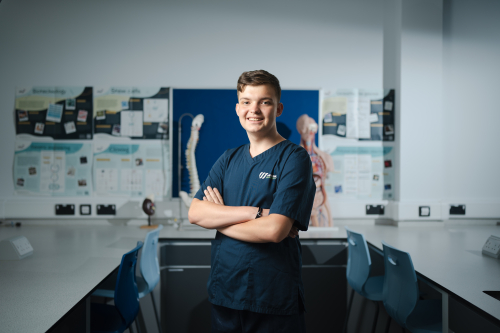




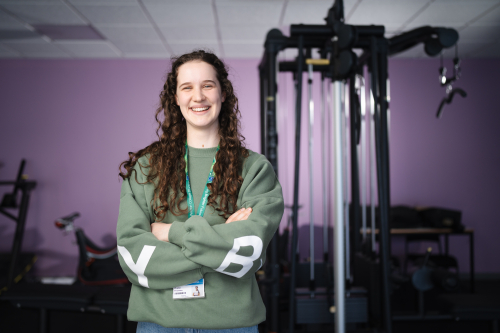


QUALIFICATIONS EXPLAINED
A Levels develop the knowledge, skills and study habits to excel at university, as well as the attributes recognised by employers.
Your academic studies will be complemented with enrichment opportunities such as trips, mentoring and work experience, providing the perfect springboard for your future career.
A Levels are assessed through exams at the end of two years of study. Most learners study three subjects - some choose four.
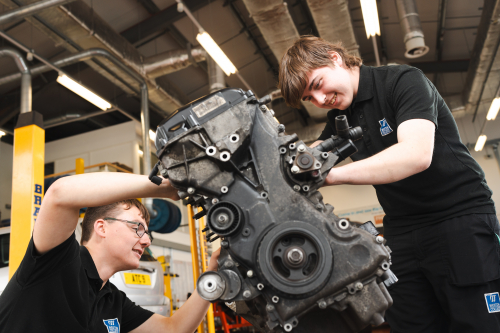
With an apprenticeship you’ll go straight into the workplace and be shown clear routes to progress straight into employment within a specific occupation. You can achieve nationally recognised qualifications, earn a wage, and gain skills that will see you get ahead. On average you will spend 20% of your learning time in the college and 80% within the workplace
Professional and technical qualifications are designed to provide you with the knowledge, skills and behaviours needed to gain employment within specific industries or occupations. They provide a balance between theory and practical skills development. They are suited to those who want to get hands-on experience within a particular vocational area. These programmes include work placements. Assessment is more varied and will include exams, coursework and practical work.
T Levels give you the chance to learn what a real career is like while you continue your studies. T Levels have been designed with leading businesses and employers to give you the knowledge and skills you need, including a minimum of 45 days on an industry placement – this means you will spend 80% of your learning time in College and 20% within the workplace.
LATEST NEWS
Civil engineering is an exciting job which leads people into successful careers working on important projects.
With Weston College announcing its new Higher Level Apprenticeship in Civil Engineering, we take a look at how civil engineers are transforming the country...
Hinkley Point C
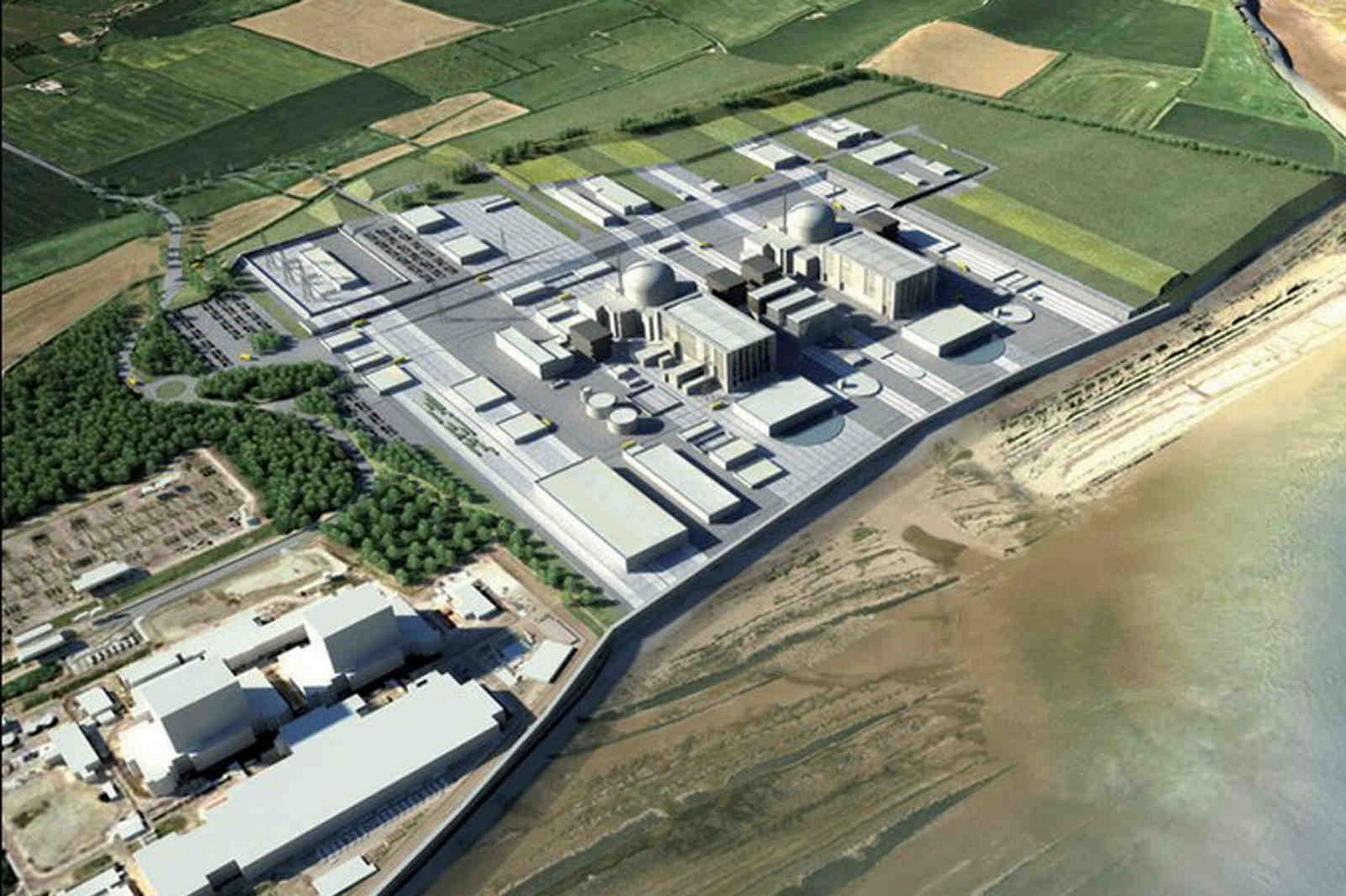
Hinkley Point’s new nuclear reactor will be the biggest construction site in Europe, and the most expensive structure ever constructed. 5,600 people will be employed at the project’s height, and Civil Engineers are in short supply to meet the project’s demands. When finished, it will account for 7% of the country’s energy. Click here to find out how the College is supporting Hinkley.
Heathrow expansion

Heathrow Airport – one of the busiest airports in the world – is expanding, and creation of a new runway will reshape the landscape forever. Two new passenger terminals and transport hubs will be built, connected by an underground passenger transit and baggage system. An extra runway will enable 740,000 flights a year, and could be constructed over the M25 – which would present a unique proposition for the engineers tasked with designing the build. This project will take a massive amount of planning and construction, and will involve civil engineers from across the UK.
Electrification of the Great Western train line

The electrification of the Great Western train line is the biggest investment in the Great Western railway since Brunel built it more than 150 years ago. The project is hoped to stimulate economic growth in the South West by improving commuter and transport links, and investment in infrastructure is one of the Government’s key focuses in the post-Brexit economy.
Flood defences
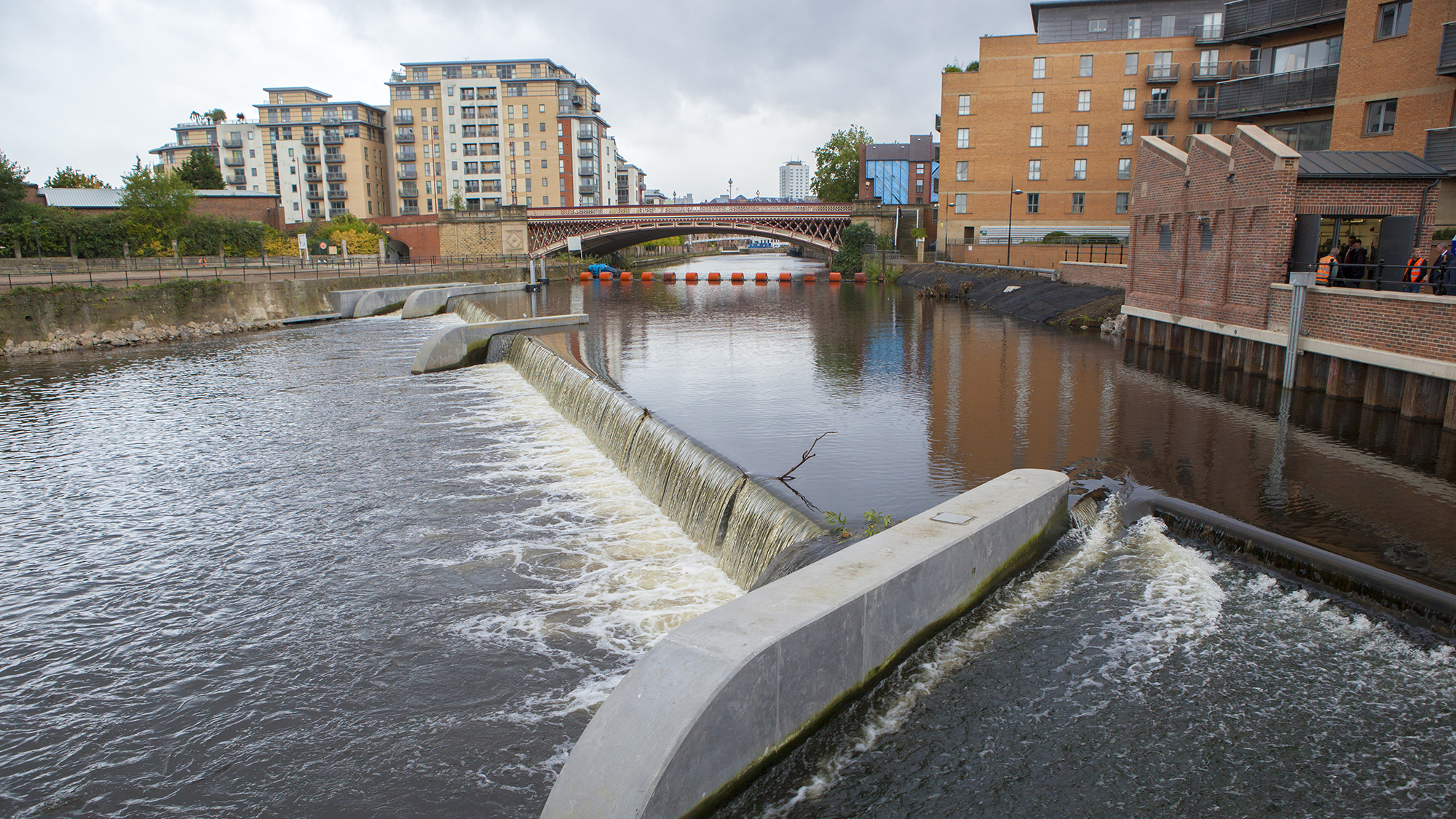
15 years ago, Leeds was inches away from devastating floods. Work has now started on an innovative £45m flood alleviation scheme to protect the city in the future, with major construction work in the town centre and surrounding areas. Improving the flood defences in this area will provide 22,000 jobs over the next 10 years, and 150 apprenticeships have been created for the project.
Queensferry Crossing

Currently under construction in Scotland, the Queensferry Crossing is a road bridge under construction in Scotland which will carry the M90 motorway over the Firth of Forth. The bridge will be a massive 2.7km. The £1.35 billion project is directly employing over 1000 people.
Our new courses
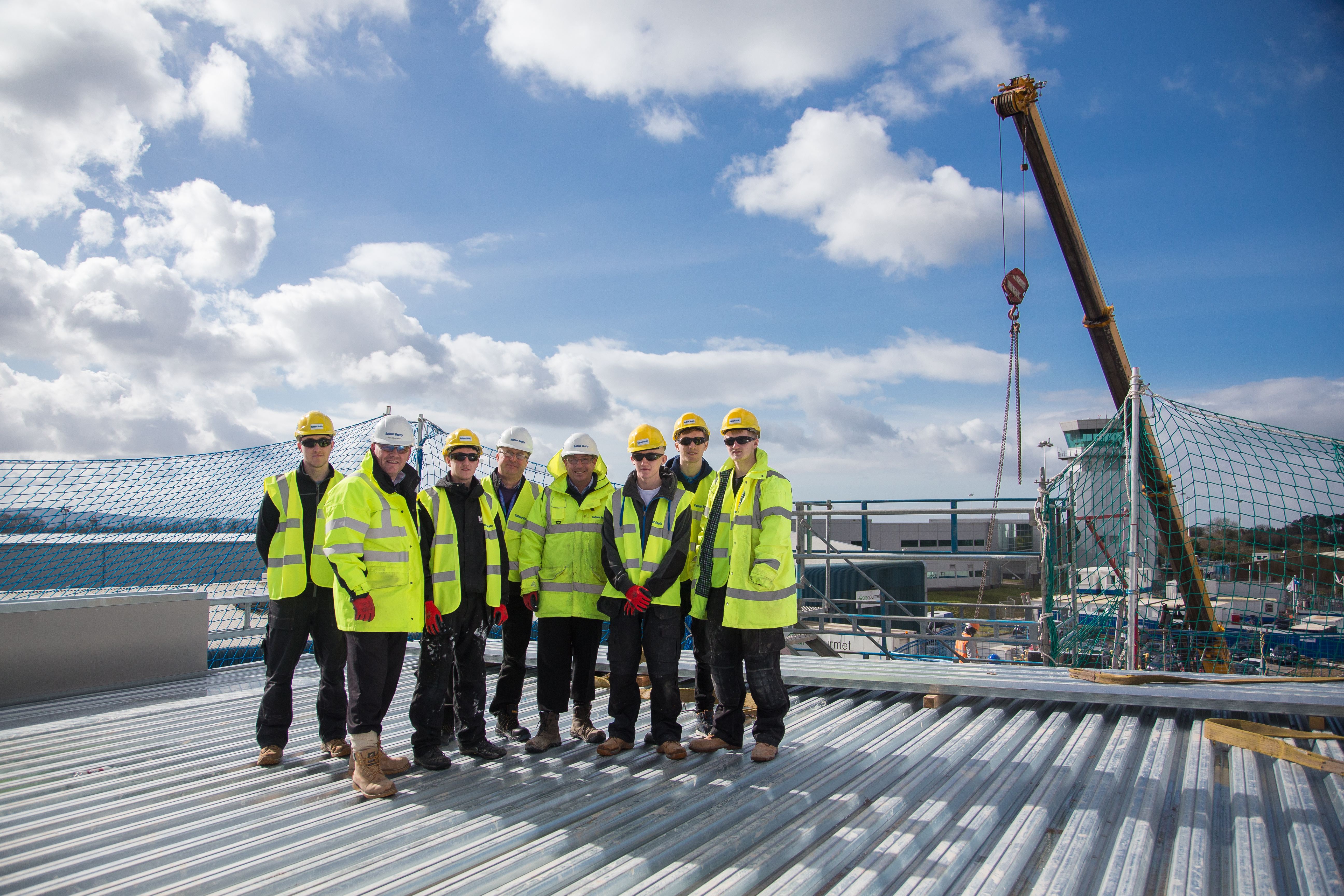
Weston College’s new Higher Level Apprenticeship in Civil Engineering is taught both on site and at the College’s brand new Future Technology Centre. Wessex Water has confirmed that it will be recruiting the first cohort of apprentices to study within the programme in January 2017.
The new programme is a Level 4 apprenticeship which incorporates an NQV Diploma in Construction Site Supervision and an HNC in Construction in the Built Environment.
Click here to find out more.
With the gender pay gap hitting headlines on a constant basis we take a look at why it’s not just men who make good engineers…
Across the UK there is a skills shortage of engineers, which is why we’re investing millions of pounds into creating courses to provide trained engineers that meet the country’s future needs.
This shortage means that engineers are paid well and there are a variety of engineering specialisms that you could pursue. On the flip side, the lack of women in the engineering industry not only contributes to the gender pay gap but also deprives us of a considerable amount of talented individuals that could make a huge difference.
In the UK, only 20% of people enrolled on degree-level engineering programmes such as our new Higher Level Apprenticeship are women, which is a shame because girls possess the same ability to be successful in this field as boys!
On the whole, girls tend to do better at GCSE and A Level, and in the crucial STEM fields, girls do just as well as boys. Year after year, we see young women matching or even outclassing their male peers in maths and science exams – both fundamental technical skills for an engineer.
More and more, the engineering industry is crying out for engineers who not only have proficient technical capability, but are also good communicators who work effectively in teams and can explain their work to key stakeholders. Other crucial skills include a strong, analytical mind and attention to detail. All of these are things that women excel in.
Liz Griffiths, Weston College’s Lecturer in Mechanical Engineering, told us about the route that took her into a successful career in engineering. She said: “When I left school I was unsure about the career path that I wanted to pursue.
“I knew that my favourite subjects were maths and physics, so I wanted to find an occupation that related to those subjects.
“I was lucky enough to attend a seminar on women in engineering and was immediately interested in the exciting and varied career options that are available in the engineering industry, so I started to investigate the different kinds of apprenticeships that were available.
“The most important piece of advice I would give to girls that are considering getting into engineering is that it’s a very diverse and well-paid career and there is bound to be a pathway that interests you.
“If you’re unsure, it’s worth going to college open days to see what different types of engineering courses and apprenticeships are available.”
Weston College is widely known as an outstanding provider of education, but it also has been successfully changing the face of Weston-super-Mare for decades by transforming underused and unloved buildings into award-winning facilities.
Take a look at the below images to see how the College has changed over the years, and find out about the many successful building projects it has completed…
Knightstone Campus
Opened in 1970, the College’s Knightstone Campus was the first College building to be constructed. Built in a typically brutalist style, the College has invested significantly over the years to modernise the building, creating a new entrance atrium in 1998.
Before
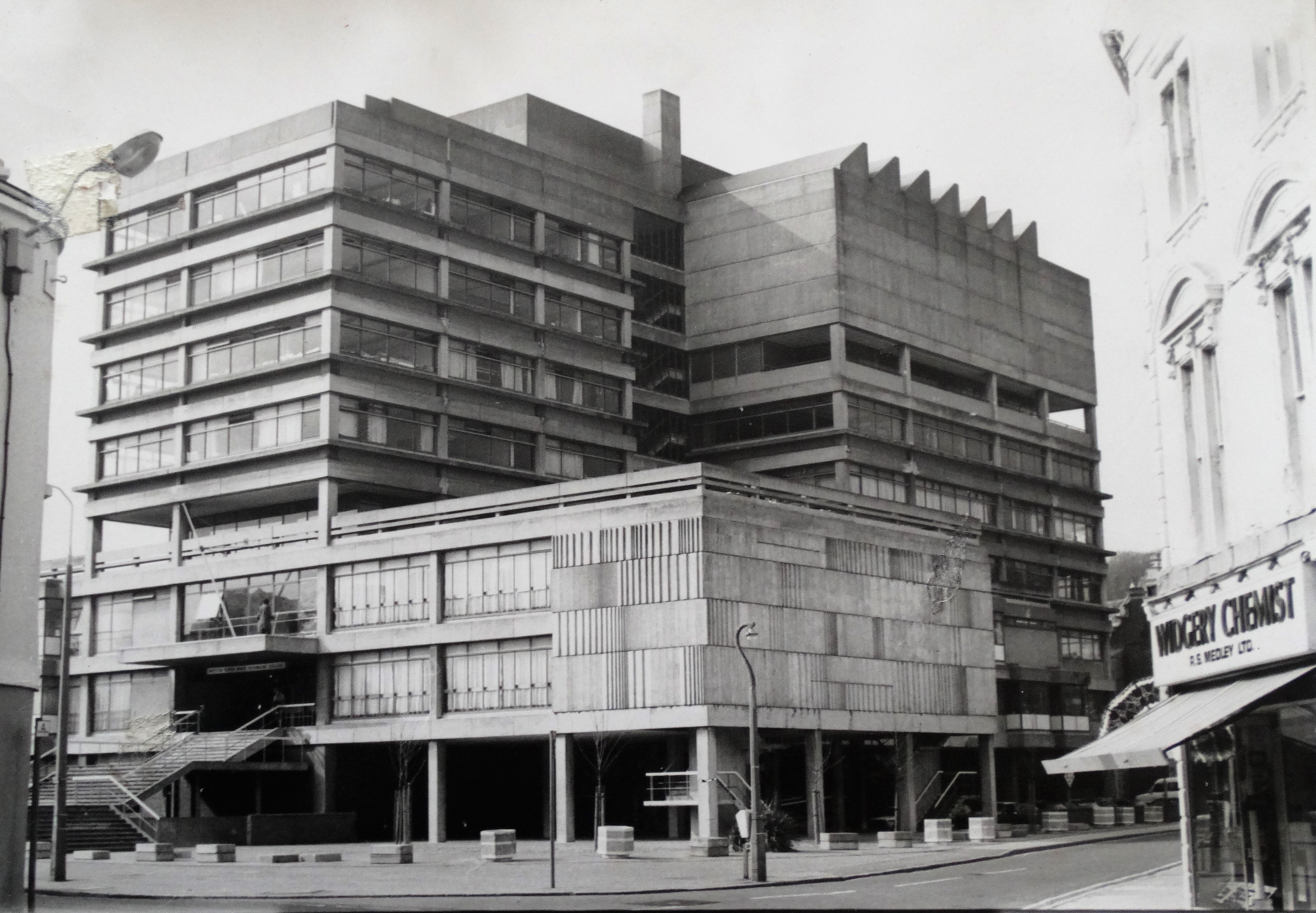
After
Loxton Campus
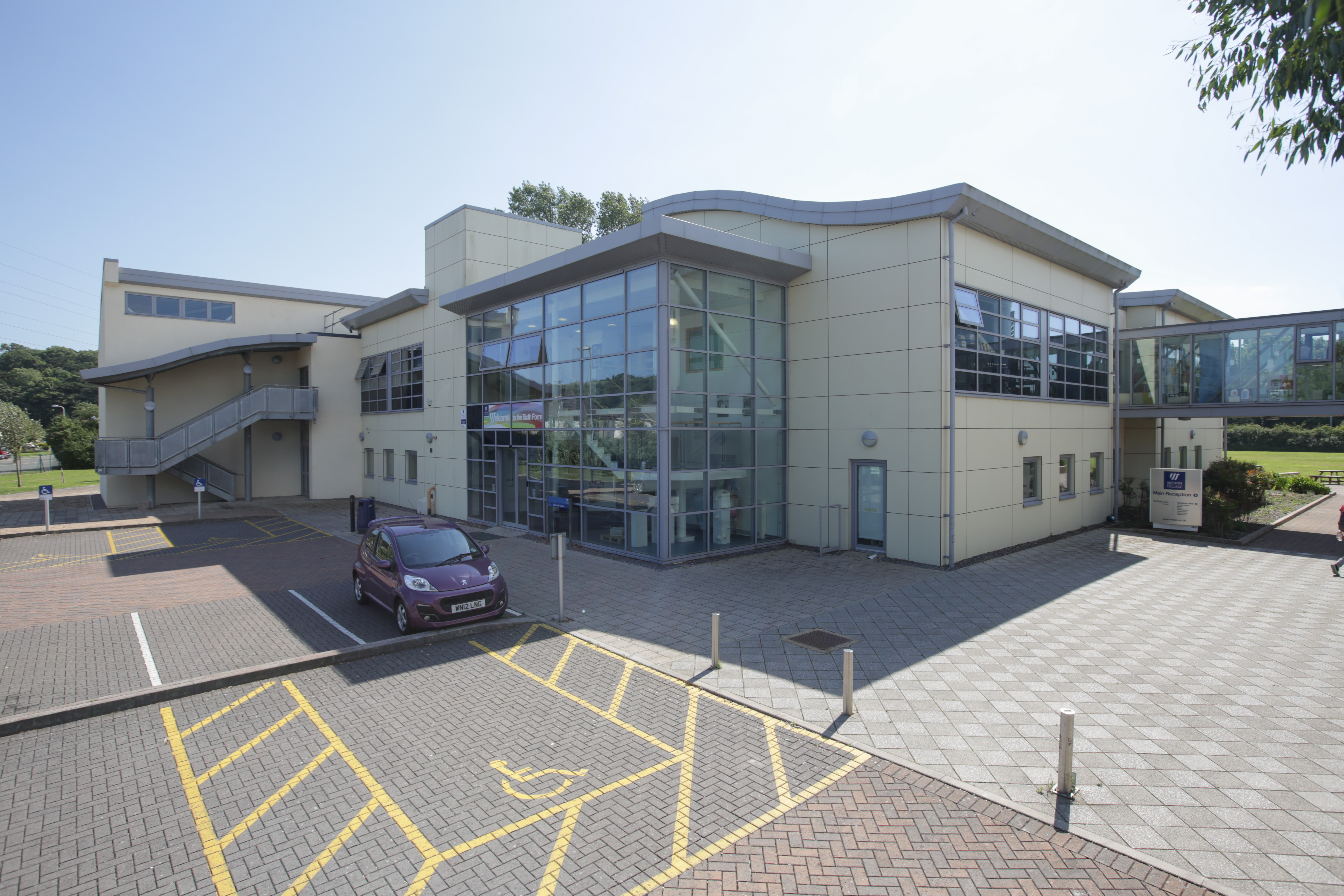
The College’s second campus, which includes its Sixth Form Centre, was built on the site of the former Broadoak Sixth Form College. The site was renovated and reopened in 2008.
Before
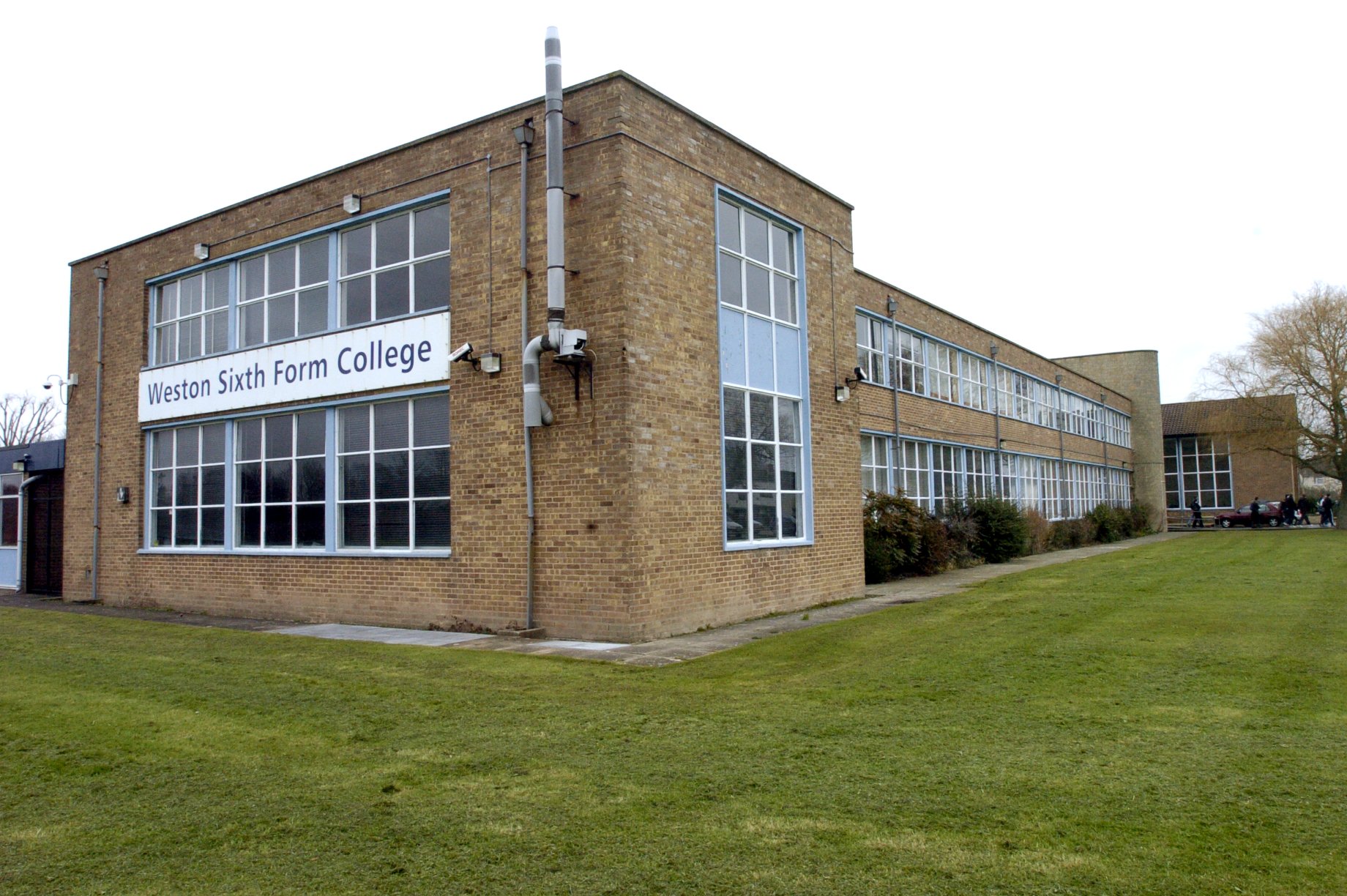
After
South West Skills Campus
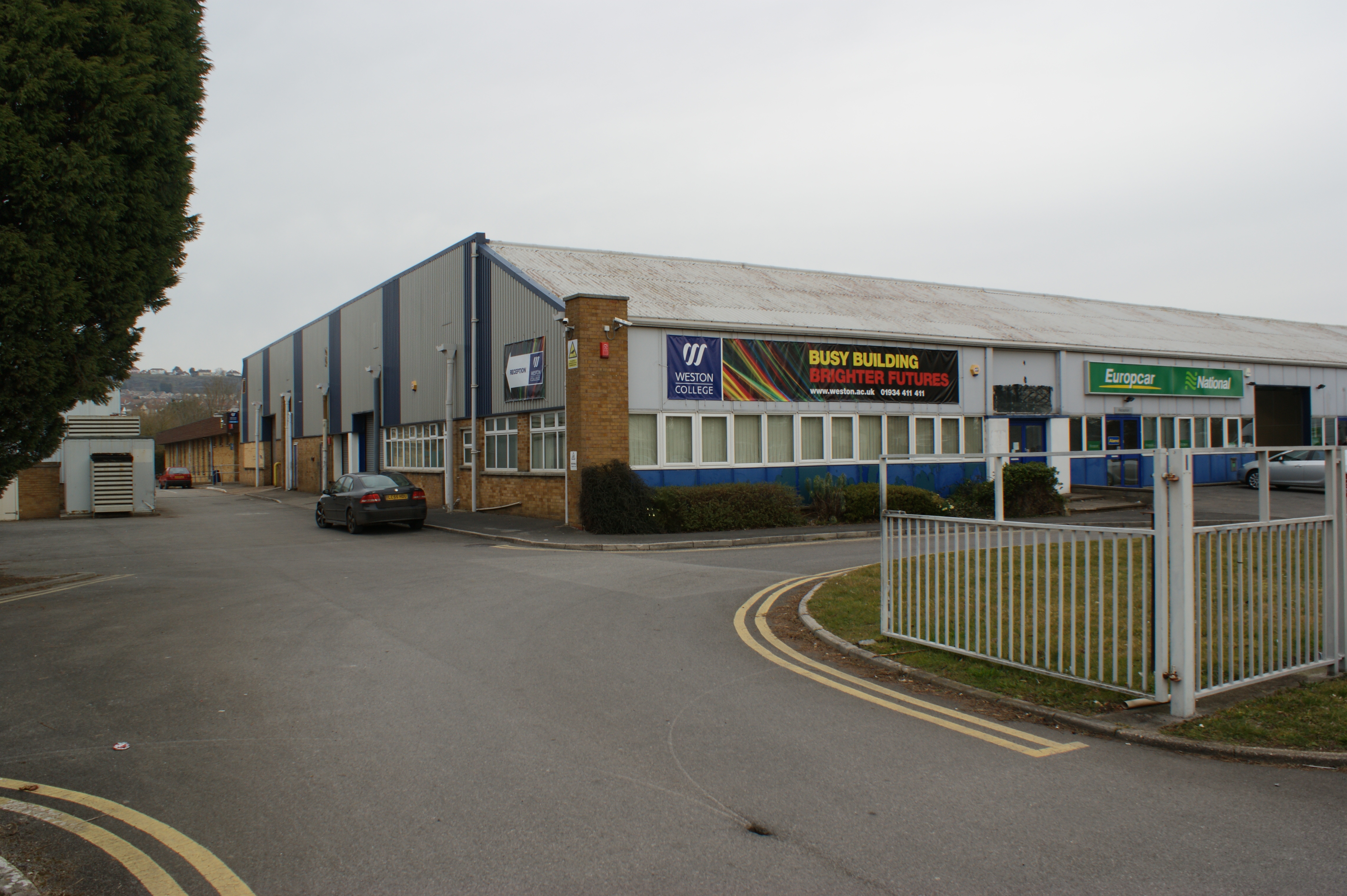
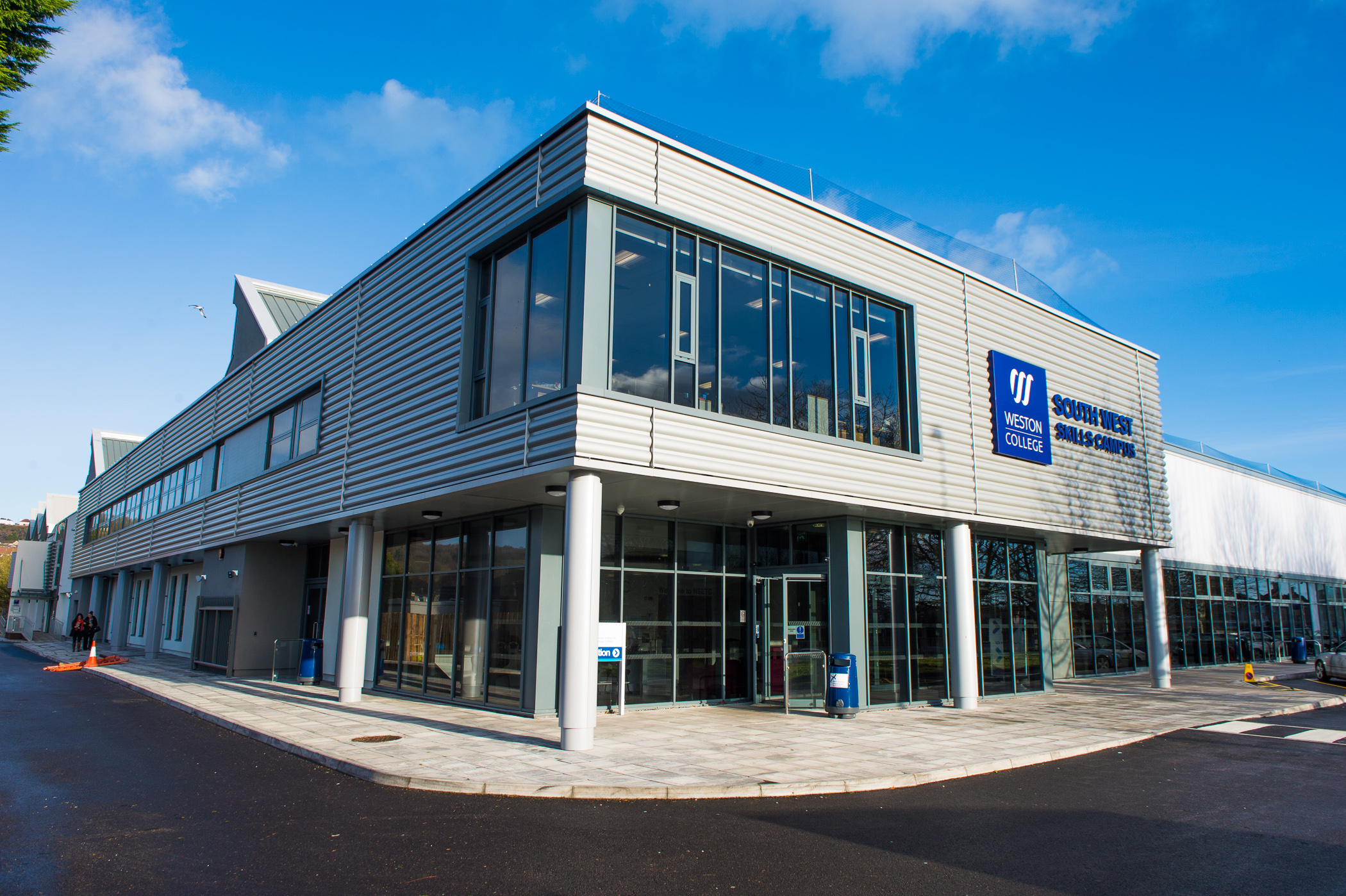
The South West Skills Campus started life as Bushacre Business park. The College moved into the former Clarks shoe factory initially, and as provision grew the site expanded into the roadside industrial units and Renault garage. This renovation earned the College a nomination for two building excellence awards.
Before
After
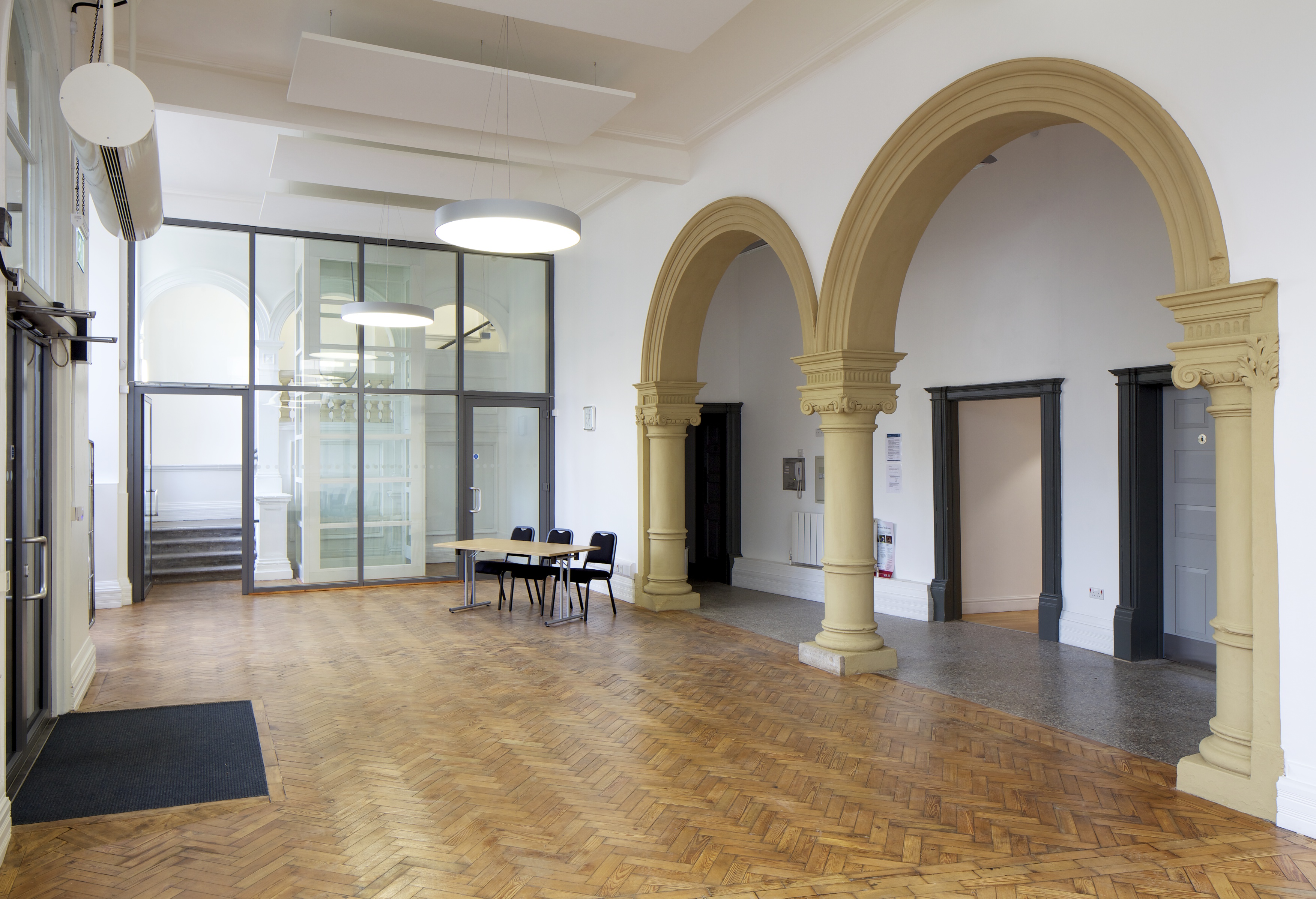
Weston College Conference Centre
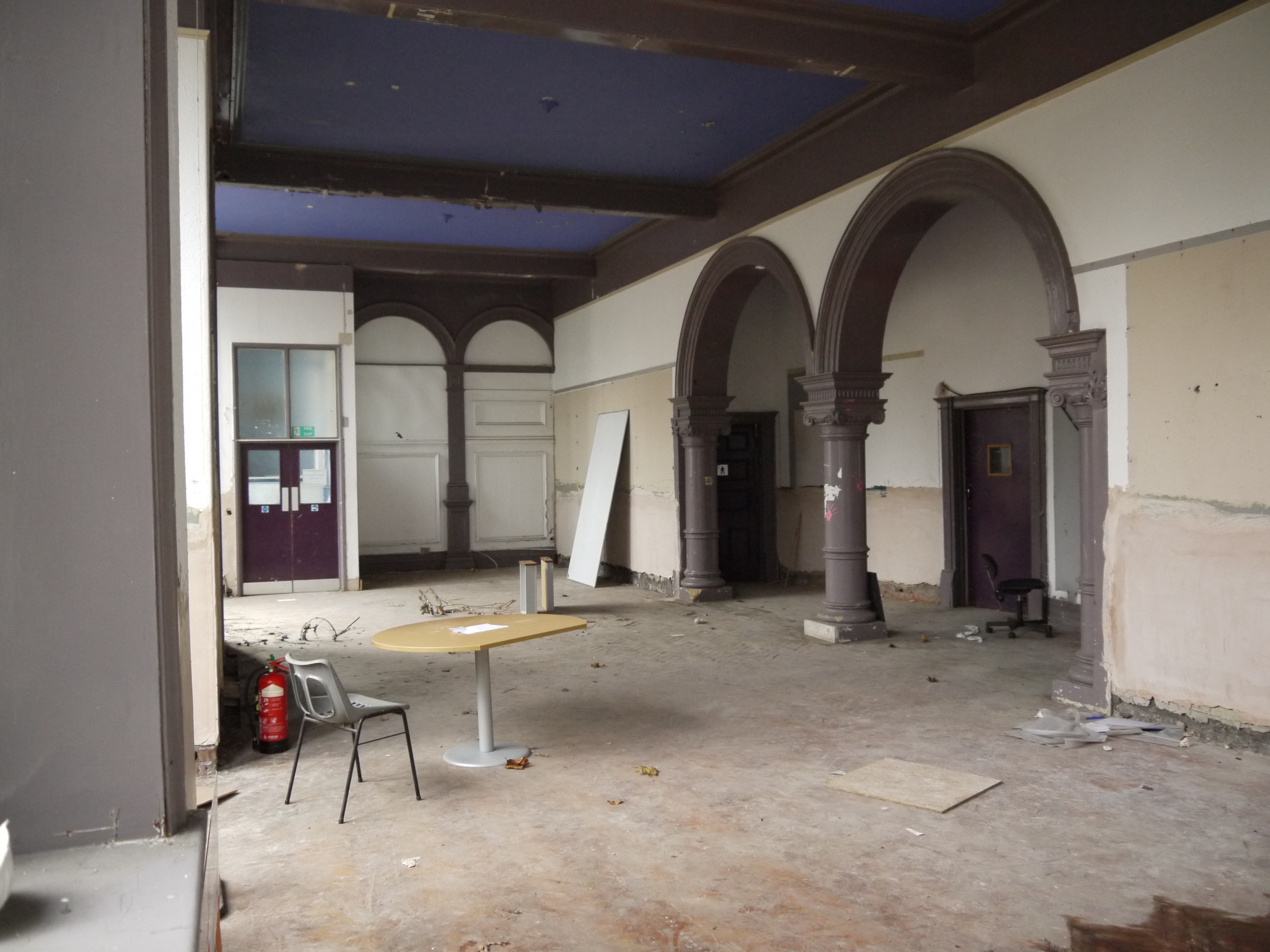
Built in 1892, the Hans Price-designed Conference Centre was refurbished from a derelict state in 2012, winning the Somerset Trust ‘Building of the Year’ award and earning a nomination for an English Heritage Angel Award in the process.
Before
After
Law and Professional Services Academy
Weston College bought the former Arosfa Hotel in January 2016 and spent millions of pounds on much-needed renovation work to the row of Victorian terraced houses. The building opened for teaching and student accommodation in September the same year.
Before
After
[[{"fid":"5456","view_mode":"default","fields":{"format":"default","field_file_image_alt_text[und][0][value]":"","field_file_image_title_text[und][0][value]":""},"type":"media","link_text":null,"attributes":{"height":"533","width":"800","class":"media-element file-default"}}]]
Winter Gardens Pavilion
The College reopened the Winter Gardens Pavilion to the public in September 2018. The public now benefits from updated facilities, a new modern British restaurant and a new cafe.
Click here for more before and after pictures of the Winter Gardens Pavilion.
Before
After
[[{"fid":"5458","view_mode":"default","fields":{"format":"default","field_file_image_alt_text[und][0][value]":"","field_file_image_title_text[und][0][value]":""},"type":"media","link_text":null,"attributes":{"height":"389","width":"800","class":"media-element file-default"}}]]
Find out about how Weston College has invested in its award-winning facilities over the years...
WHICH LEVEL IS RIGHT FOR ME?