





COURSES FOR SCHOOL LEAVERS
Your Future Starts Here
With hundreds of exciting courses, this is where your journey begins. From day one, you'll be supported, inspired, and on track to a rewarding career.
See SubjectsJoin a Career Excellence Hub and gain real-world skills, experience, and confidence to reach your goals.
Whether you're finishing school, changing direction, or learning English with our ESOL courses – we’ve got you covered.
Get started today – pick a subject and apply online in just 5 minutes!

Find Your Future Path


















QUALIFICATIONS EXPLAINED
A Levels develop the knowledge, skills and study habits to excel at university, as well as the attributes recognised by employers.
Your academic studies will be complemented with enrichment opportunities such as trips, mentoring and work experience, providing the perfect springboard for your future career.
A Levels are assessed through exams at the end of two years of study. Most learners study three subjects - some choose four.
With an apprenticeship you’ll go straight into the workplace and be shown clear routes to progress straight into employment within a specific occupation. You can achieve nationally recognised qualifications, earn a wage, and gain skills that will see you get ahead. On average you will spend 20% of your learning time in the college and 80% within the workplace
Professional and technical qualifications are designed to provide you with the knowledge, skills and behaviours needed to gain employment within specific industries or occupations. They provide a balance between theory and practical skills development. They are suited to those who want to get hands-on experience within a particular vocational area. These programmes include work placements. Assessment is more varied and will include exams, coursework and practical work.
T Levels give you the chance to learn what a real career is like while you continue your studies. T Levels have been designed with leading businesses and employers to give you the knowledge and skills you need, including a minimum of 45 days on an industry placement – this means you will spend 80% of your learning time in College and 20% within the workplace.
LATEST NEWS
A former Weston College student is to become one of the youngest people in the country to be awarded a doctorate, after her work with local charity Integrate Bristol successfully raised the awareness of Muslim women’s rights issues.
Fahma Mohamed, 19, who studied Access to Higher Education at Weston College, is to be awarded an honorary Doctorate in Laws by the University of Bristol on Friday (15th July).
She gained prominence after her successful campaign to raise awareness of female genital mutilation (FGM) gained the attention of the former Secretary of State for Education, Michael Gove.
The petition led to training to help teachers, doctors and social workers identify and assist girls at risk of FGM.
Sarah McLaughlin, Lecturer and Study Skills Tutor for Access to HE, congratulated her by saying: “We are extremely proud of Fahma and are delighted that her dedication to raise awareness of such an important issue has been recognised.
“She has worked diligently to achieve her Access to Higher Education diploma and her commitment to her charity work prior to and during her studies, is commendable.”
Access to Higher Education is a course designed to give adult learners the qualifications they need to get into university.
Fahma studied the Medical Sciences pathway, successfully completing the course in June this year. She will progress to study Biomedical Science at Kings College London this September.
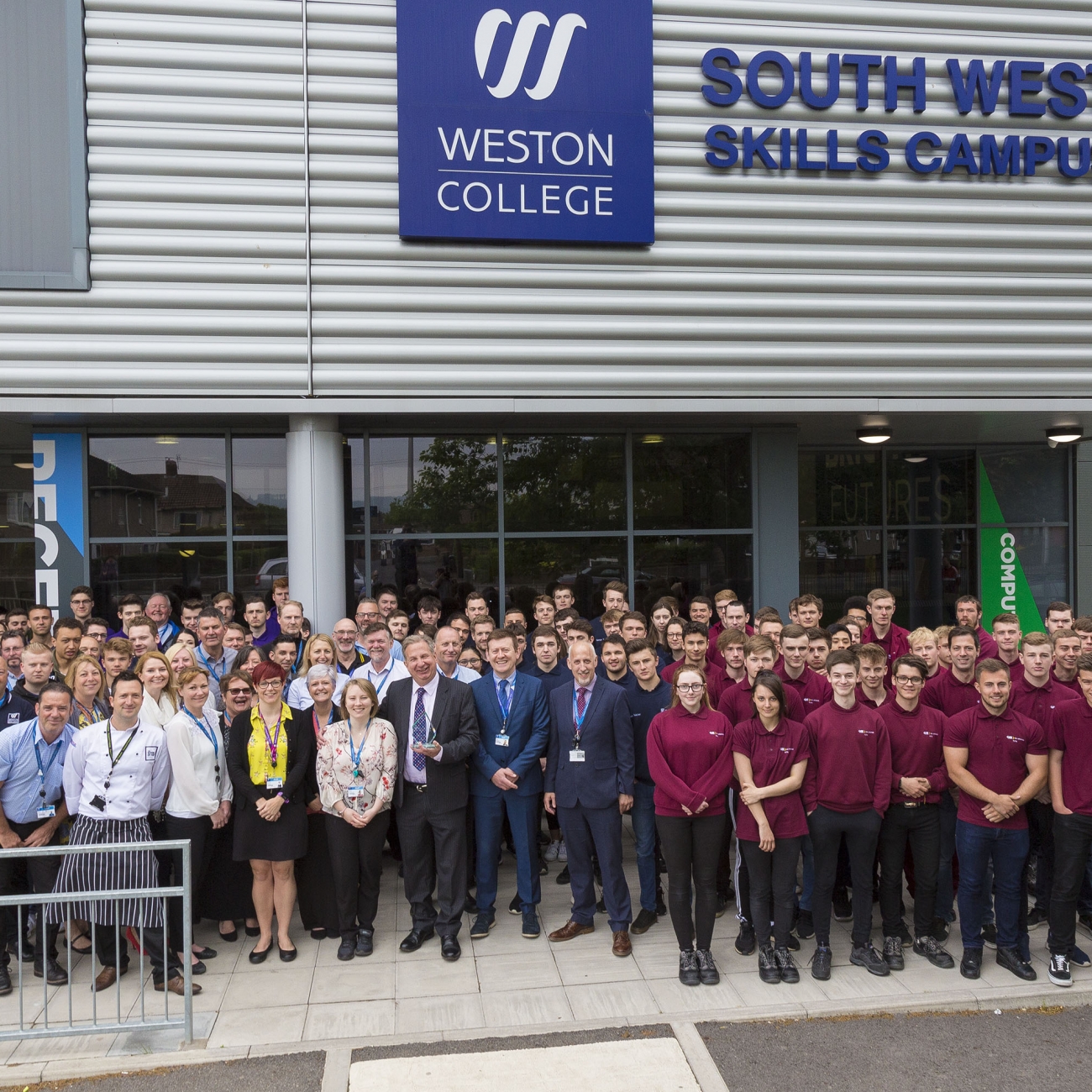
1. Do apprentices get paid?
All apprentices get paid! Currently, the National Minimum Wage is £4.15 per hour, but this is being increased to £4.30 in April 2021.
If you are 19 or over and have completed the first year of your apprenticeship, you will be entitled to the minimum wage for your age.
Most businesses will pay more than minimum wage as they want to attract the best candidates, some apprentices earn over £10,000 per year!
2. Where does the qualification lead?
Becoming an apprentice unlocks many opportunities. Once you’ve completed your apprenticeship you can:
- Continue on to the next level apprenticeship e.g. if you complete a Level 2 you can progress to Level 3
- Apply to university
- Work full-time, either for the business you studied your apprenticeship with or you could apply for a new job
- Apply for a promotion
3. What’s expected of apprentices?
You will be entering the world of work and with this comes expectations. Don’t panic, you will be told what’s expected of you when you start and we can help you prepare. Each apprenticeship and business is different, but the main things to consider are; arriving on time, adhering to the dress code and following sickness/holiday procedures.
Apprentices aren’t just there to make cups of tea! – You will find yourself being immersed a variety of different tasks and the more enthusiastic and eager to learn you are, the more responsibility you may be given.
4. Do apprentices get holiday pay?
Apprentices receive at least 20 days paid holiday each year, plus bank holidays, although some businesses may offer more.
5. Do apprentices get taxed?
Yes, apprentices earning over £11,000 per year will be taxed as per the standard government regulations.
6. When do apprenticeships start?
Most apprenticeships can start at any time throughout the year but some may need to start at certain times in the academic year to fit in with class timetables.
7. Do I have to pay?
No, your employer will pay for your qualification and pay your wage.
8. Will I have to go to college?
Some apprenticeships can be completed entirely at your workplace and an assessor will come out to visit you and set you new tasks. Apprenticeships with a technical element such as; plastering, hairdressing and engineering will involve regular days at college to perfect your practical skills.
9. Can I get help with my application?
Weston College has a specialist support network for apprentices. We can meet with you to discuss your ambitions and help match you to the perfect role. We can even help you write your CV and provide support in preparation for your interview.
10. How do I start?
You can view all of our apprenticeship vacancies here. If you want to speak to our team for further support please contact us using the details below.
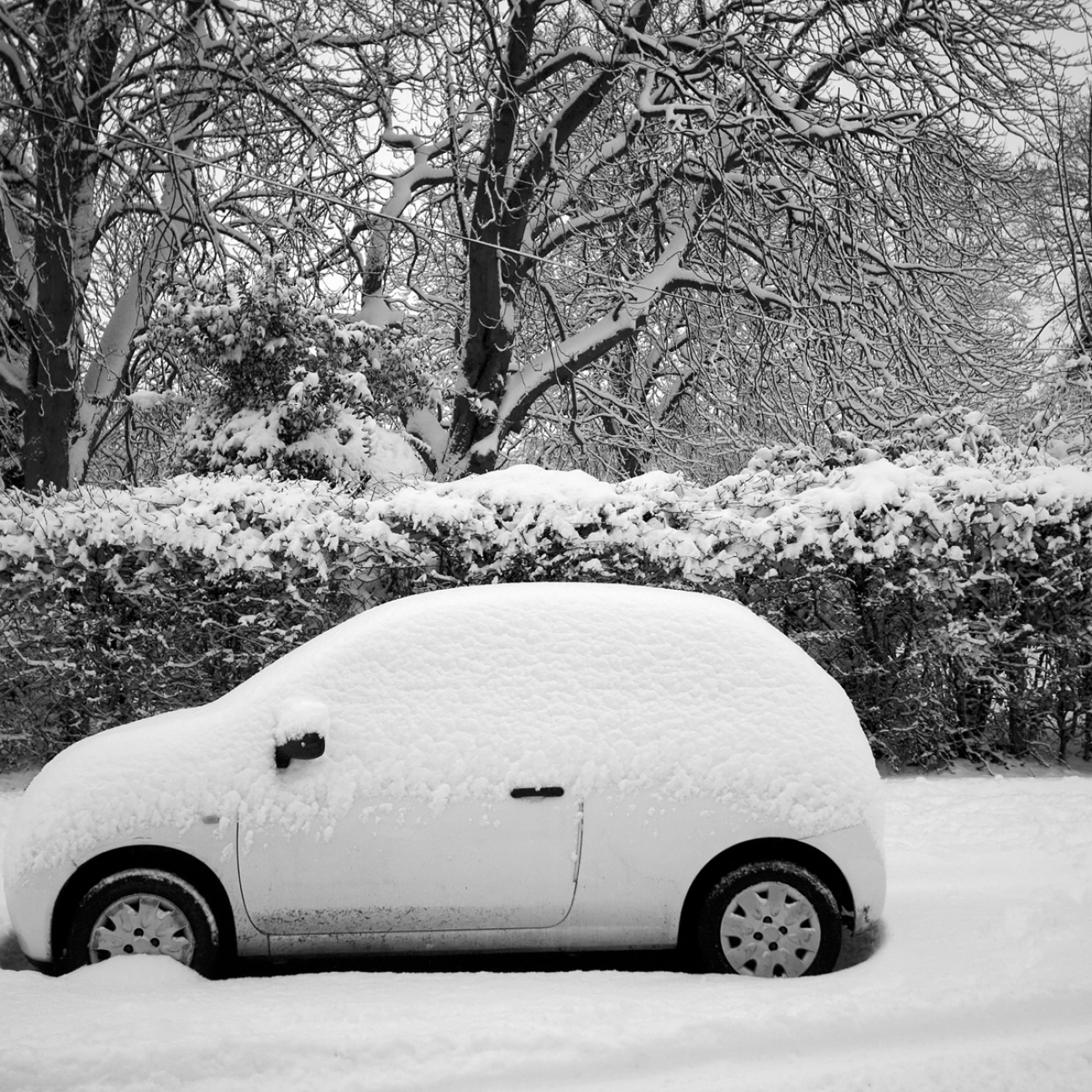
With the harsh weather conditions expected to get worse as the weekend approaches, we'd like to share with you some top tips on driving in snow or ice...
The most important thing to do before you set off is to check that the College is open - on rare occasions we have to close due to adverse weather, so each day we update this page with the situation at the College.
If the College's is open, the roads might still be icy. Here are some handy things that will help make your journey to College or your apprenticeship placement safer...
Wear safe shoes
The shoes you wear to drive should be comfortable - don't try to drive in unfamiliar shoes like wellies or walking boots. Bringing a change of shoes is a good idea as you might have to walk through snow or ice to get to your destination.
Take it slow
Don't rush the journey - set off earlier so that you have more time to make it to your destination. Accelerate gently and try to get into a higher gear as this helps to stop wheel spin. You might even want to try setting off in 2nd gear to help you get off to a smooth start.
Beware of hills
If you encounter hills on your journey, stick to a low gear when going downhill and try to avoid unnecessary breaking. Going uphill, maintain a constant speed. In both cases, keep a safe distance between you and the car in front.
Remain calm
If you skid on ice or snow, don't panic. Don't slam on the breaks - take your foot off the accelerator and let the car slow down naturally. Don't take your hands off the steering wheel. If the car is sliding, turn the steering wheel to the direction you want to go - don't overcompensate for the skid.
Plan ahead
Think about the roads you'll be driving on - which parts of your route could be dangerous? Is there a flatter route you could take? The roads around Weston, particularly country lanes and areas like Cheddar Gorge and Burrington Combe are potential hazards you might want to avoid.
For more information on driving in adverse weather conditions, click here to read an in depth article by the RAC.
WHICH LEVEL IS RIGHT FOR ME?