




COURSES FOR SCHOOL LEAVERS
Your Future Starts Here
With hundreds of exciting courses, this is where your journey begins. From day one, you'll be supported, inspired, and on track to a rewarding career.
See SubjectsJoin a Career Excellence Hub and gain real-world skills, experience, and confidence to reach your goals.
Whether you're finishing school, changing direction, or learning English with our ESOL courses – we’ve got you covered.
Get started today – pick a subject and apply online in just 5 minutes!

Find Your Future Path













QUALIFICATIONS EXPLAINED
A Levels develop the knowledge, skills and study habits to excel at university, as well as the attributes recognised by employers.
Your academic studies will be complemented with enrichment opportunities such as trips, mentoring and work experience, providing the perfect springboard for your future career.
A Levels are assessed through exams at the end of two years of study. Most learners study three subjects - some choose four.
With an apprenticeship you’ll go straight into the workplace and be shown clear routes to progress straight into employment within a specific occupation. You can achieve nationally recognised qualifications, earn a wage, and gain skills that will see you get ahead. On average you will spend 20% of your learning time in the college and 80% within the workplace
Professional and technical qualifications are designed to provide you with the knowledge, skills and behaviours needed to gain employment within specific industries or occupations. They provide a balance between theory and practical skills development. They are suited to those who want to get hands-on experience within a particular vocational area. These programmes include work placements. Assessment is more varied and will include exams, coursework and practical work.
T Levels give you the chance to learn what a real career is like while you continue your studies. T Levels have been designed with leading businesses and employers to give you the knowledge and skills you need, including a minimum of 45 days on an industry placement – this means you will spend 80% of your learning time in College and 20% within the workplace.
LATEST NEWS
Whether you’re dreading the thought of staying in education for another two years, or have thrived at school, choosing to come to college could be the perfect decision for you.
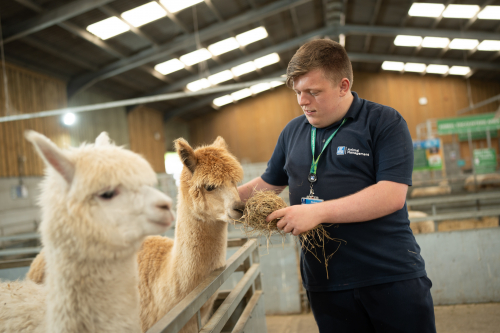
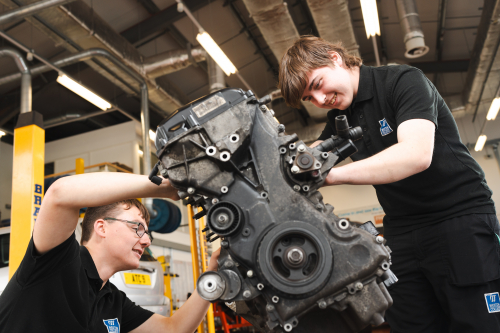
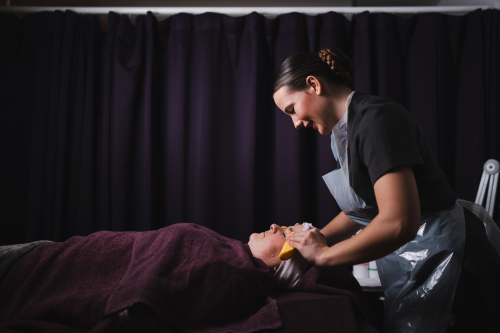
Weston College offers a much larger choice of courses than any school is able to. As well as a wide range of A levels, we offer vocational qualifications which are focused on preparing you for work; you may even spend your time learning practical skills in our Hair and Beauty Centre, training kitchen and restaurant or Automotive Technology Centre. On top of this, Weston College is the only place in North Somerset where you can start with an entry-level course and leave with a degree. But the difference between school and college doesn’t stop there!
Although the idea of leaving the familiar surroundings of your school might seem daunting, coming to college is a fantastic opportunity to meet new people and expand your social circle. Lots of other people will be new to college at the same time as you, so your new surroundings will be the perfect place to create friendships.
We provide our students with a fantastic level of support; as well as having a Personal Tutor, you will have access to our Welfare and Student Support Services team, who can help with non-academic concerns such as: health, housing, alcohol, drugs and bullying. We also have excellent provisions for students with disabilities and/or learning difficulties.
You will learn in an adult environment, helping you to prepare for university or work; you will be able to work independently and take responsibility for your own studies, while receiving support from teachers who are well-qualified, experienced and passionate about their subjects. It’s likely you’ll be on a first name basis with your teachers. Because there’s a high ratio of tutors to students, you’ll receive all the support you need from your Personal Tutor.
At school, it is likely that you would be expected to be there all day, every day. At college, your timetable probably won’t be so full and you will have the flexibility to study at home, or elsewhere, when you don’t have class. Our LibraryPlus facilities provide a great environment for studying outside of class time. Along with books, DVDs and eBooks, you can borrow computers and iPads for use in the library.
We run a wide variety of enrichment activities, so there’s something for everyone. You could choose to get involved in film club, LAN gaming, volunteering, dance and music lessons. There are also groups for young carers and LGBTA. If you enjoy sports then there are opportunities to play football (for both men and women), rugby, netball and golf with our Sports Academy. Other sporting opportunities include classes on mixed martial arts, ultimate frisbee, table tennis and archery amongst others. For an affordable termly fee, you can join our industry-standard gym at the Knightstone Campus.
You may also choose to become a student ambassador, volunteering your time to support College events such as open evenings, collegiate interviews and marketing events. Being a student ambassador will help you develop a number of key skills including: teamwork, public speaking, interpersonal skills and self-confidence. This makes a fantastic addition to your CV and/or UCAS application.
Finally, Weston College is officially Ofsted outstanding and can boast excellent pass rates, so you can rest assured that we’re good at what we do! Our pass rates speak for themselves – 98% for both A levels and vocational courses.
The College can also help you get an apprenticeship or traineeship, both of which enable to get practical experience in a number of different industries. 90% of our apprentices are offered permanent positions by their employers at the end of their training.
Browse our website to see the full range of courses Weston College offers or request a prospectus. If you have any questions, give us a call on 01934 411 411.
As the scaffolding goes up at the Winter Gardens site, we take a look at the real impact that Weston College’s refurbishment and redevelopment of the historic seafront pavilion will have on Weston-super-Mare.
The initial investment in creating new facilities and refurbishing the existing ballroom will see £11 million injected into the local economy, with Bristol-based contractors Midas Group employing people from the local area, and using supplies from local traders and merchants.
The people employed on site will spend their working days in Weston, spending money in the town centre on a daily basis. Whether it’s food, drink, clothes, or other goods or services they’re buying in the town, over the course of the development this figure will add up to a substantial sum of money.
After the University Centre is opened, 250 new higher education students, 35 new university lecturers and a handful of other jobs will be brought into the building, and they too will be spending their working days in Weston.
The average spending power of university students is £11,000 per year. Despite university tuition fees rising, the total spending power of students in the UK has increased by over £655 million over the last decade.
Bringing 250 new Higher Education students into the heart of Weston-super-Mare has the potential to inject an extra £2.75 million per year into the local economy.
This extra cash flow promotes job growth, fuels investment, and could potentially lead to a much-needed increase in variety in the town centre, as it has done in many other university towns across the country.
The Winter Gardens is in need of a serious amount of investment in order to bring the building up to date, carry out repairs and transform it into a more manageable venue that meets the needs of the community and is realistic about the range of events it can hold.
The College is committed to the Winter Gardens’ continued community use, with a large portion of the building being made available to the public including the ballroom, a restaurant/bar and a café.
So, you’ve found the job that’s right for you, you’ve applied, and now you have to go to an interview…
This is a scenario most people will find themselves in, and one of our aims is to ensure that our students leave Weston College with the qualifications that employers look for as well as the soft skills such as interview techniques that will put them ahead of the rest when applying for a job.
We have plenty of experience when it comes to employment. Weston College itself is one of the largest employers in the region, which means we’re well versed when it comes to providing interview advice and guidance.
Here are our top tips for interview candidates…
Find out about the employer
The more you know about an employer, the closer you will be to understanding the company’s ethos and skills requirements. You’ll have a better understanding about what the business expects than other candidates. Doing background research into a company also shows that you like to be prepared and are willing to put effort into your work. Knowing about the employer may also come in handy during the interview.
Think about the questions you’re likely to be asked
It’s impossible to tell for sure what questions you’ll be asked at an interview, however some questions are more likely to come up than others. At your interview you’ll be asked some specific questions about the job as well as some more generic ones. Click here to find out the frequently asked interview questions and how to answer them.
If the job you are being interviewed for requires certain skills or qualities, think about the key points that make you the ideal candidate.
Dress to impress
First impressions count, and it’s always good practice to dress professionally when attending a job interview. Not every interview requires a suit – a general rule is to think about the dress code that the workplace has and aim to dress one level higher.
For example: if the dress code is casual, go one step higher and wear smart casual such as a shirt and tie.
Arrive on time and come prepared
There is no better way to spoil your chances at getting a job than arriving to the interview late. Arriving early means you can benefit from getting a feel of the organisation and will give you some time to calm down and mentally prepare for the interview.
Make sure you bring some extra copies of your CV, a pad of paper, and a couple of pens just in case you want to take notes. If you have one to hand, a portfolio of your work could also put you ahead of the other candidates.
The first impression is often the most important
You only get one chance to make a first impression, but studies show that the first impression is often the most important. When going to a job interview, try to be as polite as possible to everyone you meet, regardless of their job.
When you meet the interviewer, shake their hand, smile and make eye contact.
Give concise answers
Pay attention to the questions being asked and your communication style, and try to give concise answers. When you enter the interview, you should already have an idea of the more general questions they might ask and how to answer them. Click here to find out about the most common generic questions and how to construct your answer.
You should also have thought about the key points that will put you ahead of the competition. Try to refer back to these points in your answers and aim to mention all of them.
Think about your body language
80% of how we communicate is non-verbal, and body language plays a huge part in how we come across during an interview. Although you may be nervous, try not to fidget or sit in an awkward position.
Smiling, making eye contact, and nodding when listening to the interviewer are an effective way to use body language to your benefit.
Thank the interview panel
This is common courtesy, but interview candidates often forget about this simple and effective way to end the interview.
Just like first impressions, the impression you make as you leave has a lasting impression on the interviewers.
Want more advice and guidance?
If you’re a Weston College student you can contact the ASPECT team for more helpful careers guidance.
If you’re not currently a student, the College has a variety of courses to teach you how to succeed at an interview.
Click here to find out more.
WHICH LEVEL IS RIGHT FOR ME?