




COURSES FOR SCHOOL LEAVERS
Your Future Starts Here
With hundreds of exciting courses, this is where your journey begins. From day one, you'll be supported, inspired, and on track to a rewarding career.
See SubjectsJoin a Career Excellence Hub and gain real-world skills, experience, and confidence to reach your goals.
Whether you're finishing school, changing direction, or learning English with our ESOL courses – we’ve got you covered.
Get started today – pick a subject and apply online in just 5 minutes!

Find Your Future Path













QUALIFICATIONS EXPLAINED
A Levels develop the knowledge, skills and study habits to excel at university, as well as the attributes recognised by employers.
Your academic studies will be complemented with enrichment opportunities such as trips, mentoring and work experience, providing the perfect springboard for your future career.
A Levels are assessed through exams at the end of two years of study. Most learners study three subjects - some choose four.
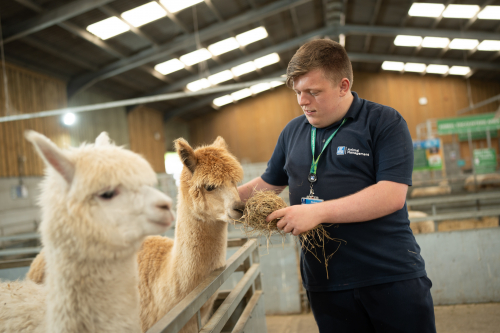
With an apprenticeship you’ll go straight into the workplace and be shown clear routes to progress straight into employment within a specific occupation. You can achieve nationally recognised qualifications, earn a wage, and gain skills that will see you get ahead. On average you will spend 20% of your learning time in the college and 80% within the workplace
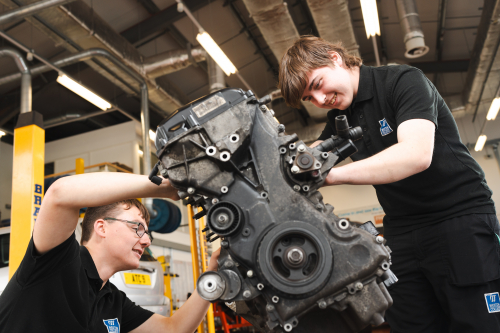
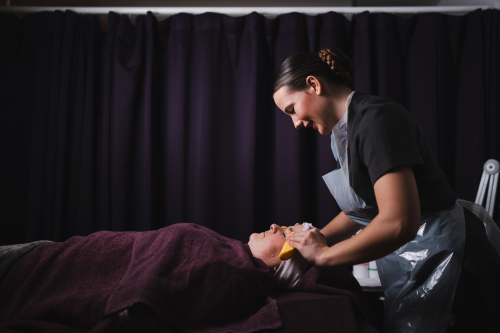
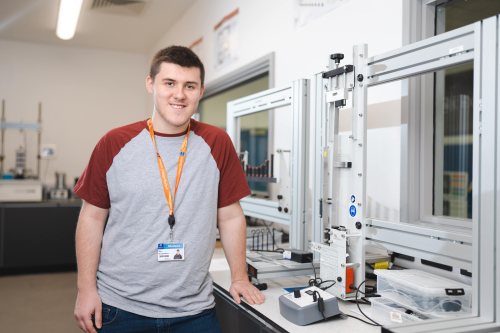
Professional and technical qualifications are designed to provide you with the knowledge, skills and behaviours needed to gain employment within specific industries or occupations. They provide a balance between theory and practical skills development. They are suited to those who want to get hands-on experience within a particular vocational area. These programmes include work placements. Assessment is more varied and will include exams, coursework and practical work.
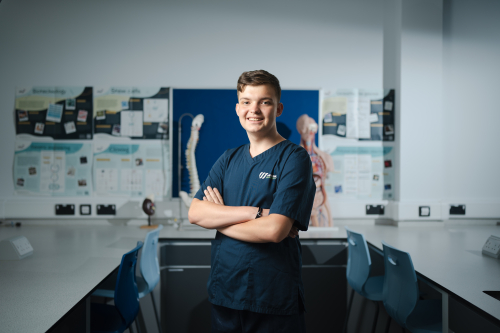
T Levels give you the chance to learn what a real career is like while you continue your studies. T Levels have been designed with leading businesses and employers to give you the knowledge and skills you need, including a minimum of 45 days on an industry placement – this means you will spend 80% of your learning time in College and 20% within the workplace.
LATEST NEWS
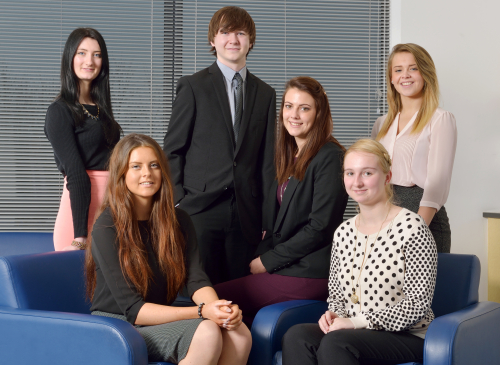
The group of Geography A-level students took a minibus down to the attraction near St Austell, and after a welcome lecture were given a tour of the Mediterranean and Tropical Biodomes.
Humidity was very high in the Tropical Biodome, adding to the authenticity of the experience. The students were given the opportunity to climb up to a viewing platform 30 metres from the ground so they could see the flora and fauna from above.
College lecturer Richard Hall, who accompanied the students, said: “This was a great experience of learning first hand and close up about Biodiversity, and with the combination of lectures, guided tour and free time to explore, it certainly enhanced enjoyment of this aspect of the course.”
* Pic shows students (left to right) James Savage, Charlie Cox, Luke Flannigan, Will Payne, Josh Hoare-Matthews, Vanessa Wall, Leanne Bryant.
A FEW hours of tropical conditions were enjoyed by Weston College students on a recent field trip to Cornwall’s Eden Project.
Personal Statement Basics
The personal statement is the most important part of your application. If you are applying for a course that does not require an interview, the admissions team will be making a decision mostly based on your statement. If you are applying for a course that does have an interview, then the admissions team will decide whether to put you through to interview based on the statement, so either way it is really important. But don’t see it as a threat – it’s a great chance for you to let the university know why you are so motivated to study that subject and how you have developed that interest.
The maximum length is 4000 characters including spaces, which is around 500-700 words depending on how long your words are. Make sure you aren’t over the character count as UCAS will cut you off once it reaches 4000. If you’re struggling to keep within the character count, ask ASPECT to take a look and try and cut it down for you. It should be in paragraphs and have a clear introduction and conclusion; it should be written as an essay rather than a letter. 75% of your statement should be about your motivation to study the subject and how you have developed this interest and your relevant skills through college and work experience, and then 25% is about your extra activities.
What goes in the personal statement?
Make sure you keep your statement content really relevant to the subject you are applying for. You should write about your current course and any other courses you have done that are relevant, and mention your work experience. If you have done extra reading around the subject you are applying for or have attended lectures that have added to your interest, the university would love to know how these have inspired you.
Remember not to just explain what you did, but also make it clear to the university what knowledge and skills you have gained from each experience. Which modules on your course have been really good preparation for the degree you’re applying for? Did you get so inspired by a lesson you then researched into the subject in your own time? How have you developed your teamwork and leadership skills in your part time job? Really let the university know how these experiences have prepared you for university study.
Using the ABC Method will help you check that you are expanding enough on the points you are making.
A – Activity (e.g. module on your course, work experience, Duke Edinburgh award)
B – Benefit (e.g. the skills or knowledge you gained from the experience)
C – Course (e.g. how has this prepared you for the degree you’re applying for?)
C is the really important part for the university, so make sure you always relate back to the degree you’re applying for.
Top Tips
Here are some top tips for writing your personal statement that will hopefully help refine your statement:
Write a plan first – do a mind map with different sections for each paragraph and then use the ABC method to expand your points
Read examples, but don’t copy – there are loads of example personal statement on the internet which can be great for ideas, but don’t copy as UCAS have a plagiarism filter
Use the documents on SharePoint to help you – there are guides and presentations on SharePoint to help you with your statement so make sure you are making the most of them
You don’t need to write it in order – if you’re struggling with the introduction write another paragraph first and come back to the introduction later
Be specific – rather than listing every single thing you’ve done, it’s more important to let the university know what skills and knowledge you have gained from your experience
Be positive – the universities want to know you are passionate about the subject you’re applying for, so use positive words and show how much you love this subject!
Ask for help if you’re struggling – remember that the ASPECT team are here to help
Hidden messages, secret rooms and long-forgotten décor - as Weston College progresses in its refurbishment work, the mysteries of the Winter Gardens are gradually being revealed…
Hidden spaces
1 - Not many people know that the Winter Gardens has a basement, and far fewer people have had the chance to go inside it. When we began the structural repairs, we came across the dark and damp space which runs under the ballroom balcony.
2 - In a hidden corner of the ballroom a small, cast iron spiral staircase leads into a hidden room above...
3 - Accessible by a tight window in the Winter Garden’s roof is a small void inside the dome, which runs around the top of the ballroom.
Messages from the past
1 - Inside the basement, past employees voiced their thoughts and feelings about the venue, politics, and even wrote epitaphs for former colleagues who had passed away.
2 - More humorous notes include directions to the visiting dancers at the venue…
The original floor
When Midas Group stripped back the carpet on the balcony that runs around the ballroom, they found the remains of the original rubber flooring. The art-deco patterned floor was installed to reduce the echo in this part of the building. This was covered by carpet later in the 20th century.
Raising a glass to the future
While stripping out the remaining furniture, we found the original Champagne bowls from the building’s 1927 opening. The glasses are currently being held at the Town Hall before they are moved back to their permanent home in the Winter Gardens Pavilion when the refurbishment is complete.
What’s next?
The Winter Gardens will reopen to the public in September 2017, after extensive renovation and enhancement which will secure its status as a community asset for generations to come. The public will benefit from access to around half of the total site, including a restaurant and bar, a café, and – most importantly – the ballroom, which gives the building its iconic status.
WHICH LEVEL IS RIGHT FOR ME?