





COURSES FOR SCHOOL LEAVERS
Your Future Starts Here
With hundreds of exciting courses, this is where your journey begins. From day one, you'll be supported, inspired, and on track to a rewarding career.
See SubjectsJoin a Career Excellence Hub and gain real-world skills, experience, and confidence to reach your goals.
Whether you're finishing school, changing direction, or learning English with our ESOL courses – we’ve got you covered.
Get started today – pick a subject and apply online in just 5 minutes!

Find Your Future Path





















QUALIFICATIONS EXPLAINED
A Levels develop the knowledge, skills and study habits to excel at university, as well as the attributes recognised by employers.
Your academic studies will be complemented with enrichment opportunities such as trips, mentoring and work experience, providing the perfect springboard for your future career.
A Levels are assessed through exams at the end of two years of study. Most learners study three subjects - some choose four.
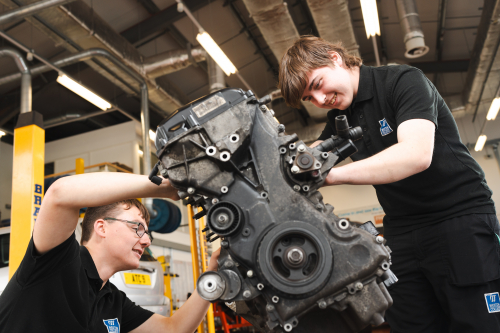
With an apprenticeship you’ll go straight into the workplace and be shown clear routes to progress straight into employment within a specific occupation. You can achieve nationally recognised qualifications, earn a wage, and gain skills that will see you get ahead. On average you will spend 20% of your learning time in the college and 80% within the workplace
Professional and technical qualifications are designed to provide you with the knowledge, skills and behaviours needed to gain employment within specific industries or occupations. They provide a balance between theory and practical skills development. They are suited to those who want to get hands-on experience within a particular vocational area. These programmes include work placements. Assessment is more varied and will include exams, coursework and practical work.
T Levels give you the chance to learn what a real career is like while you continue your studies. T Levels have been designed with leading businesses and employers to give you the knowledge and skills you need, including a minimum of 45 days on an industry placement – this means you will spend 80% of your learning time in College and 20% within the workplace.
LATEST NEWS
1. Do apprentices get paid?
All apprentices get paid! Currently, the National Minimum Wage is £4.15 per hour, but this is being increased to £4.30 in April 2021.
If you are 19 or over and have completed the first year of your apprenticeship, you will be entitled to the minimum wage for your age.
Most businesses will pay more than minimum wage as they want to attract the best candidates, some apprentices earn over £10,000 per year!
2. Where does the qualification lead?
Becoming an apprentice unlocks many opportunities. Once you’ve completed your apprenticeship you can:
- Continue on to the next level apprenticeship e.g. if you complete a Level 2 you can progress to Level 3
- Apply to university
- Work full-time, either for the business you studied your apprenticeship with or you could apply for a new job
- Apply for a promotion
3. What’s expected of apprentices?
You will be entering the world of work and with this comes expectations. Don’t panic, you will be told what’s expected of you when you start and we can help you prepare. Each apprenticeship and business is different, but the main things to consider are; arriving on time, adhering to the dress code and following sickness/holiday procedures.
Apprentices aren’t just there to make cups of tea! – You will find yourself being immersed a variety of different tasks and the more enthusiastic and eager to learn you are, the more responsibility you may be given.
4. Do apprentices get holiday pay?
Apprentices receive at least 20 days paid holiday each year, plus bank holidays, although some businesses may offer more.
5. Do apprentices get taxed?
Yes, apprentices earning over £11,000 per year will be taxed as per the standard government regulations.
6. When do apprenticeships start?
Most apprenticeships can start at any time throughout the year but some may need to start at certain times in the academic year to fit in with class timetables.
7. Do I have to pay?
No, your employer will pay for your qualification and pay your wage.
8. Will I have to go to college?
Some apprenticeships can be completed entirely at your workplace and an assessor will come out to visit you and set you new tasks. Apprenticeships with a technical element such as; plastering, hairdressing and engineering will involve regular days at college to perfect your practical skills.
9. Can I get help with my application?
Weston College has a specialist support network for apprentices. We can meet with you to discuss your ambitions and help match you to the perfect role. We can even help you write your CV and provide support in preparation for your interview.
10. How do I start?
You can view all of our apprenticeship vacancies here. If you want to speak to our team for further support please contact us using the details below.
WHICH LEVEL IS RIGHT FOR ME?