




COURSES FOR SCHOOL LEAVERS
Your Future Starts Here
With hundreds of exciting courses, this is where your journey begins. From day one, you'll be supported, inspired, and on track to a rewarding career.
See SubjectsJoin a Career Excellence Hub and gain real-world skills, experience, and confidence to reach your goals.
Whether you're finishing school, changing direction, or learning English with our ESOL courses – we’ve got you covered.
Get started today – pick a subject and apply online in just 5 minutes!

Find Your Future Path












QUALIFICATIONS EXPLAINED
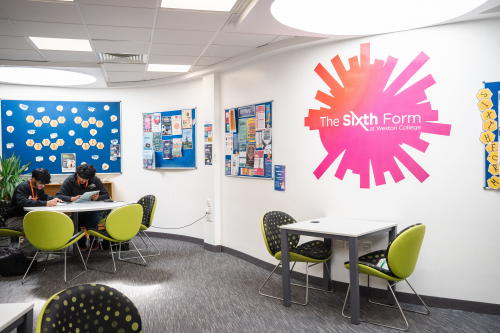
A Levels develop the knowledge, skills and study habits to excel at university, as well as the attributes recognised by employers.
Your academic studies will be complemented with enrichment opportunities such as trips, mentoring and work experience, providing the perfect springboard for your future career.
A Levels are assessed through exams at the end of two years of study. Most learners study three subjects - some choose four.
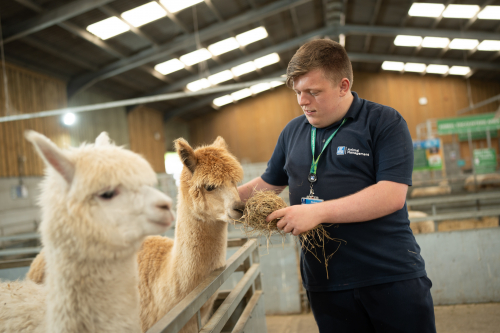
With an apprenticeship you’ll go straight into the workplace and be shown clear routes to progress straight into employment within a specific occupation. You can achieve nationally recognised qualifications, earn a wage, and gain skills that will see you get ahead. On average you will spend 20% of your learning time in the college and 80% within the workplace
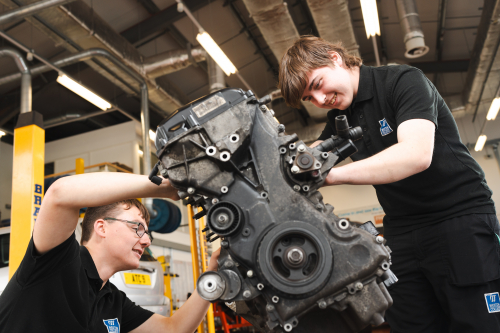
Professional and technical qualifications are designed to provide you with the knowledge, skills and behaviours needed to gain employment within specific industries or occupations. They provide a balance between theory and practical skills development. They are suited to those who want to get hands-on experience within a particular vocational area. These programmes include work placements. Assessment is more varied and will include exams, coursework and practical work.
T Levels give you the chance to learn what a real career is like while you continue your studies. T Levels have been designed with leading businesses and employers to give you the knowledge and skills you need, including a minimum of 45 days on an industry placement – this means you will spend 80% of your learning time in College and 20% within the workplace.
LATEST NEWS
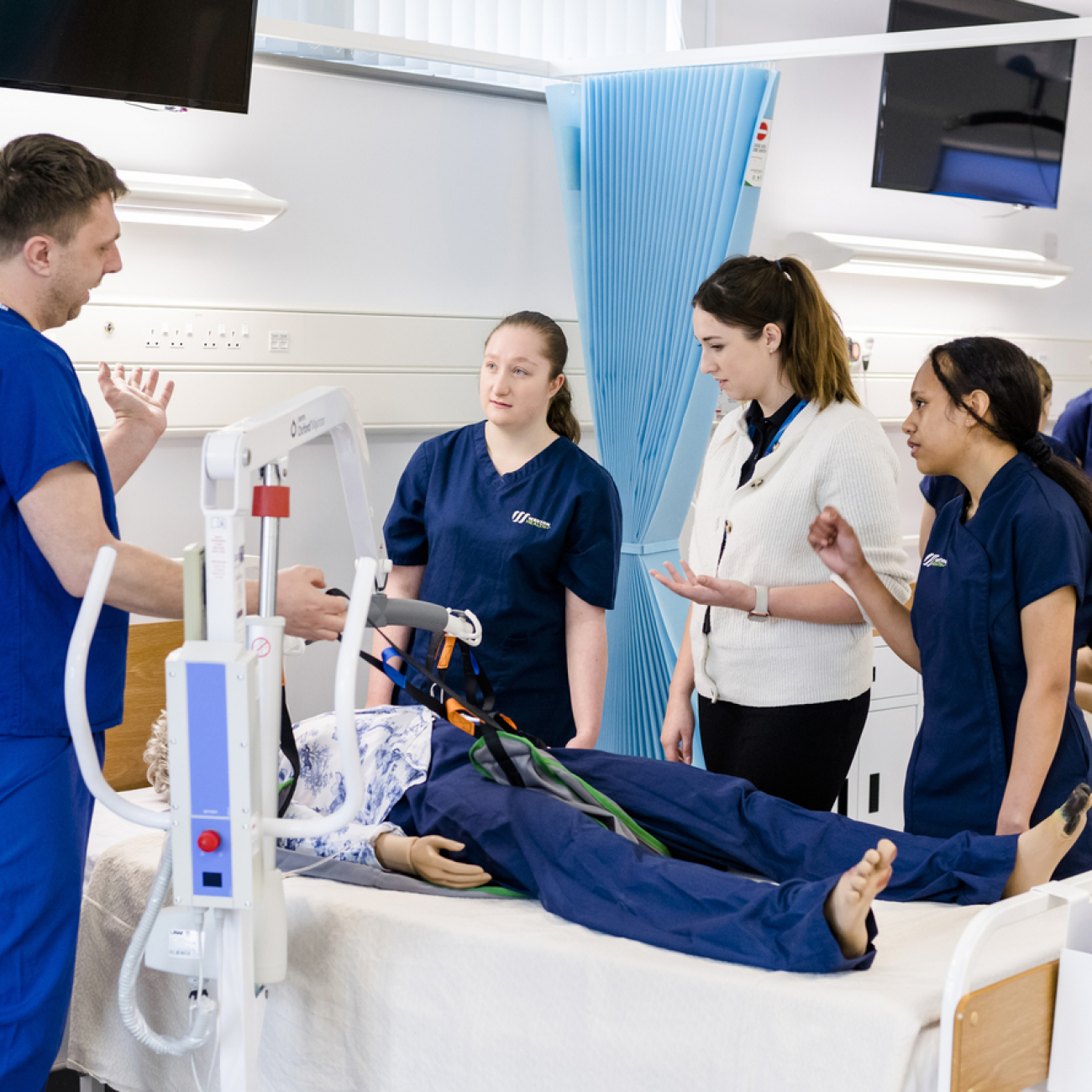
Do you want a career where you can make a real difference in people’s lives? The NCFE CACHE Level 3 Extended Diploma in Health and Social Care is a Level 3 course that gives you the perfect opportunity to build a meaningful and rewarding future.
Whether you dream of supporting individuals in your community or working on the frontline of healthcare, this dynamic course blends hands-on experience with essential theory to help you take your first steps into an exciting and fast-growing sector.
Ready to apply? - Click here to register your interest and we will get in touch as soon as the course is vailable online!
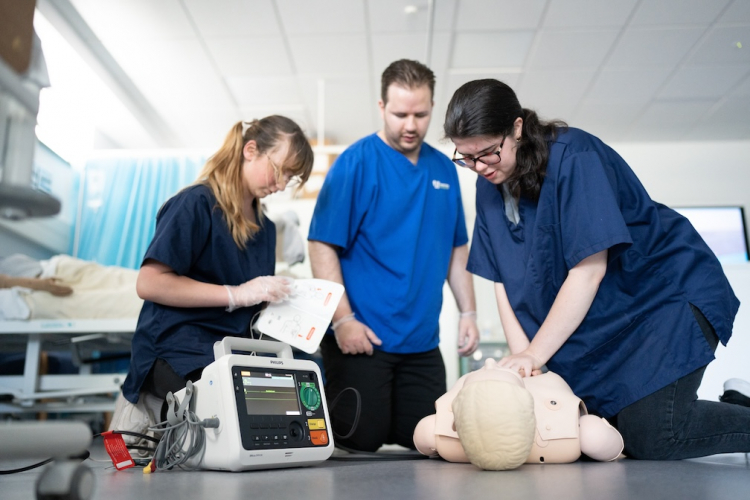
This two-year diploma provides a comprehensive introduction to the health and social care industry, combining classroom learning with practical work placement to ensure you develop the confidence and capability needed for professional practice. From the foundations of safeguarding and communication to understanding health, wellbeing and care legislation, you’ll explore the core principles that shape high-quality person-centred care.
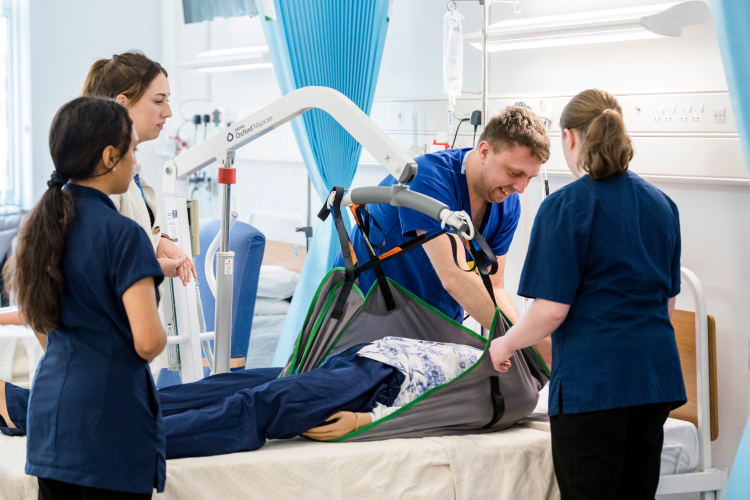
You will complete an industry placement, giving you the opportunity to work directly with individuals in real care environments such as residential homes, outreach services, and healthcare settings. These experiences help you build essential employability skills, apply your learning in a meaningful way, and gain a clear sense of your future direction.
In the first year, you’ll study a range of theoretical and practical units that prepare you for your chosen specialist pathway in year two. The diploma offers two progression routes: the Health Care pathway, aimed at learners aspiring to roles such as nurse, paramedic, nursing assistant or medical practitioner; and the Social Care pathway, which supports those interested in careers such as social worker, care worker, community support worker or residential warden. Optional units, masterclasses, and real-world projects allow you to tailor your experience to your career ambitions.
With state-of-the-art facilities at Knightstone Campus, strong connections to employers, guest speakers, educational trips and lecturers with extensive industry experience, you’ll benefit from a learning environment designed to help you succeed. As a Microsoft Showcase College, you will also develop digital confidence using modern tools and technologies that enhance your studies and prepare you for the future of the sector.
What will I study?
- Core principles of health and social care, including safeguarding, duty of care and responding to abuse
- Health, safety and infection prevention, with a focus on maintaining safe care environments
- Effective communication and person-centred approaches when supporting individuals
- Understanding and promoting equality, diversity and inclusion across care settings
- Supporting individuals with a range of physical, emotional and mental health needs
- Key legislation, ethics and professional frameworks underpinning safe practice
- Practical experience through approximately placements in real care settings
Specialist content linked to your chosen pathway in Year 2:
- Health Care Pathway: preparation for roles such as nurse, paramedic or nursing assistant
- Social Care Pathway: preparation for roles such as social worker, care worker or residential warden
How will I be assessed?
- Coursework and practical assignments
- Observations during work placements
- Case studies and reflective journals
- Examinations
Additional Information
Throughout your course, you will benefit from:
- Work placements in local care settings
- Visits to hospitals, care homes, and community health centres
- Guest talks from healthcare professionals
- Career guidance and support from the Career Excellence Hub
Entry Requirements
- Minimum of five GCSEs at grades 9–4, including English, maths and science
- Interest in health, wellbeing, and caring for others
- DBS check
What can I do after this course?
Upon successful completion of the course, learners will be well-prepared to progress into a range of job roles in the health and social care sector or continue their education at a higher level.
- Health Care pathway - nurse, paramedic, nursing assistant, medical practitioner
- Social Care Pathway - social worker, care worker, residential warden
What do I do now?
Ready to apply? - Click here to register your interest and we will get in touch as soon as the course is vailable online!
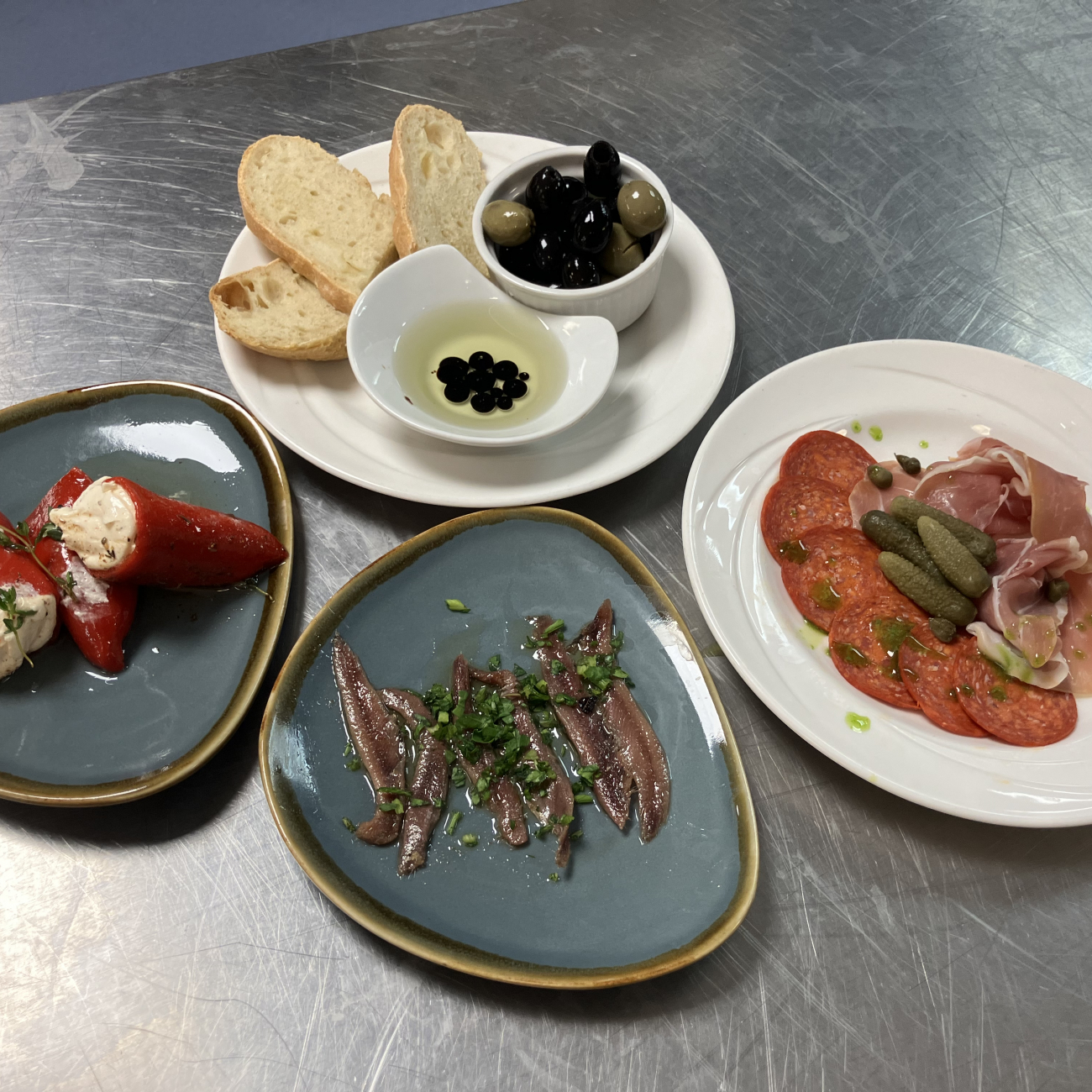
Every week, Hospitality and Catering students deliver a professional dinner service for friends, family and members of the public, offering high-quality, three-course meals at an affordable price. These services provide students with invaluable real-world experience while giving the community access to excellent food at a reduced cost.
This term began with a Tapas Night, where students designed and delivered a selection of hot and cold tapas dishes. The experience challenged students to work outside of their comfort zone, encouraging adaptability and creativity while developing essential skills such as time management, coordination, and teamwork. Preparing multiple small dishes required precision and organisation, closely reflecting the demands of a professional kitchen.
Throughout this year, students have continued to run weekly dinner services featuring a three-course menu with multiple options for each course, including meat, fish, and vegetarian choices. This approach develops menu planning skills while teaching students to accommodate dietary requirements, allergies, and customer preferences – an essential skill for future hospitality professionals.
A key part of each service is the structured delegation of roles within the kitchen. Students are assigned individual responsibilities, such as preparation, cooking, plating, or service coordination, ensuring accountability and high standards. Roles rotate regularly, allowing students to gain experience across all kitchen stations and build a versatile skillset that is highly valued in the industry.
These dinner services replicate the pace and pressure of a commercial kitchen. Students work at dedicated stations, collaborate under time constraints, and produce meals for paying customers. In addition to developing culinary techniques and knife skills, they gain confidence in teamwork, communication, hygiene, and professional kitchen practices.
Students are also involved in all front-of-house and operational duties, including greeting guests, serving food, setting tables, handling payments, managing orders, and maintaining cleanliness. This broad exposure reflects the realities of the hospitality industry, where adaptability and teamwork are essential, and prepares students for a wide range of career pathways.
Beyond student development, the dinner services provide a valuable benefit to the local community by offering affordable, high-quality dining experiences that would typically be more expensive elsewhere. This interaction with real customers enhances students’ professionalism, communication skills, and understanding of customer expectations.
Overall, these dinner services play a vital role in preparing students for future careers in hospitality and catering. They build confidence, refine practical skills, and gain a clear understanding of industry standards, helping them identify career interests and progress with a strong foundation for employment or further study.
This dinner service forms part of the Hospitality and Catering Careers Excellence Hub. Weston College's Career Excellence Hubs are designed to be the launching pad for our learners' careers. In a world where connections and relevant skills matter more than ever, these hubs offer a holistic approach that prepares learners to thrive in their chosen industries. With the support of these hubs, our learners are well-equipped to make a significant impact in their professional journeys.
If you are passionate about education and are looking for an opportunity to join the staff team at a leading college, then look at the latest job vacancies available at Weston College here. You can find all the latest job opportunities that Weston College has to offer, with a commitment to providing quality education for learners and a focus on continuous professional development for staff, Weston College is an excellent place to work and grow in your career.
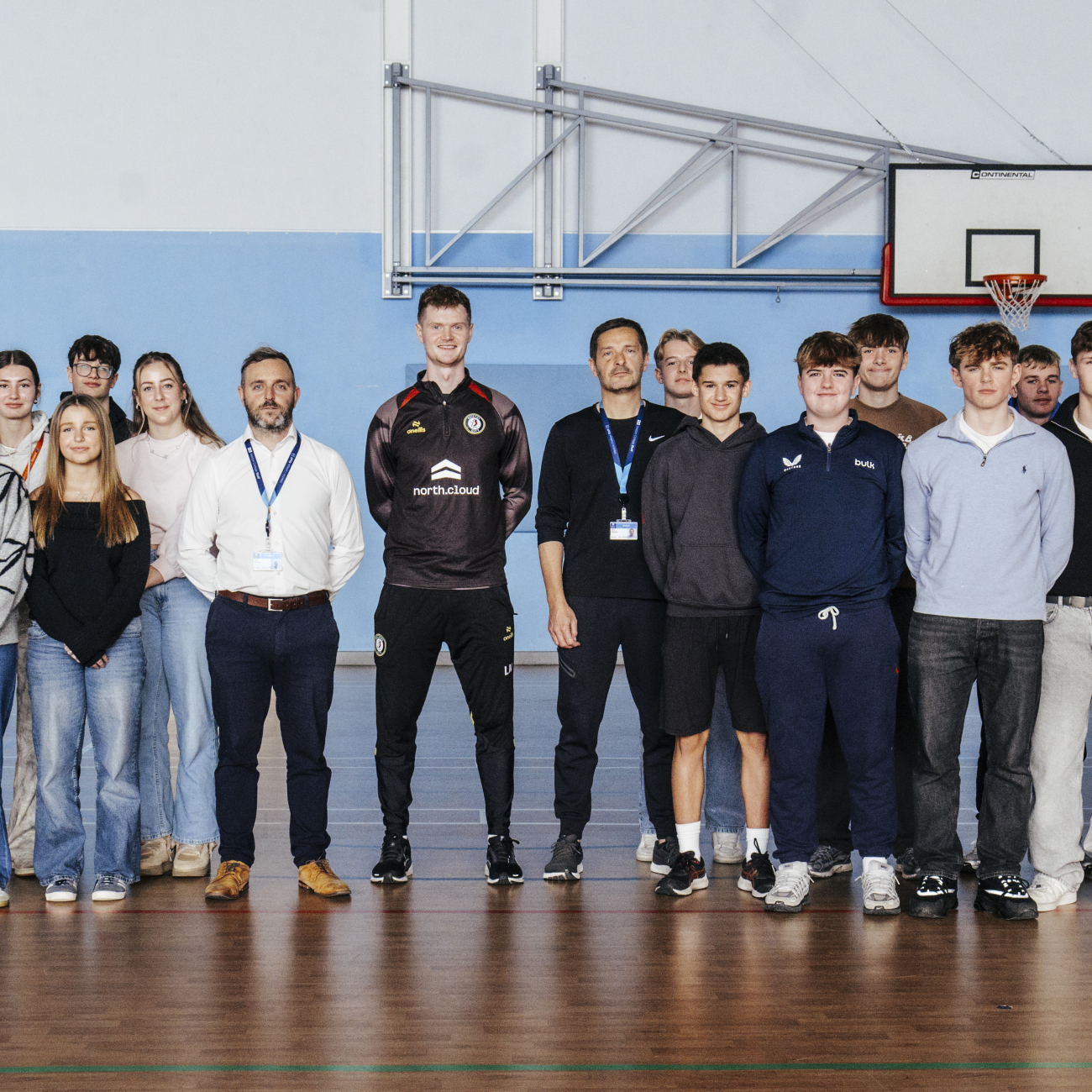
Recently, our Sport learners attended an inspiring guest lecture delivered by Luke Morgan, First Team Football Analyst at Bristol City Football Club. Luke is a former Weston College student, having previously studied the Level 3 BTEC Extended Diploma in Sport and Exercise Science.
In his current role at Bristol City FC, Luke is responsible for observing, filming, and analysing the team’s technical and tactical performance. A key part of his role involves analysing upcoming opposition to help inform game plans and tactical decisions, as well as reviewing Bristol City’s own training sessions and match performances. On match days, Luke works from within the stadium, providing real-time video clips and performance insights to coaches and players to support immediate review and improvement.
During the lecture, Luke spoke in detail about his career journey since leaving Weston College. This included progressing to university, completing a placement year that sparked his interest in performance analysis, and subsequently undertaking an MSc in Performance Analysis at the University of Gloucestershire. Luke highlighted his placement year as a pivotal moment in his development, as it helped him identify the area of sport he was most passionate about and ultimately led him to his current role at Bristol City FC.
Luke led engaging discussions and practical activities, such as identifying KPIs to measure team performance across different types of sports, all of which emphasised the value of gaining experience across a wide range of roles within the sports industry. He made it clear to the learners that many career opportunities may not become apparent until you gain hands-on experience, encouraging students to keep an open mind, think carefully about their next steps, and avoid specialising too early in order to explore different areas of sport before committing to a specific career pathway.
A huge thank you to Luke for delivering such an informative and motivating session, and for inspiring our learners with his journey and expertise.
This programme forms part of the Sport & Fitness Careers Excellence Hub. Weston College's Career Excellence Hubs are designed to be the launching pad for our learners' careers. In a world where connections and relevant skills matter more than ever, these hubs offer a holistic approach that prepares learners to thrive in their chosen industries. With the support of these hubs, our learners are well-equipped to make a significant impact in their professional journeys.
@westoncollege Weston College alumnus Luke Morgan, now a First Team Football Analyst for @bristolcityfc ♬ original sound - WestonCollege
WHICH LEVEL IS RIGHT FOR ME?