




COURSES FOR SCHOOL LEAVERS
Your Future Starts Here
With hundreds of exciting courses, this is where your journey begins. From day one, you'll be supported, inspired, and on track to a rewarding career.
See SubjectsJoin a Career Excellence Hub and gain real-world skills, experience, and confidence to reach your goals.
Whether you're finishing school, changing direction, or learning English with our ESOL courses – we’ve got you covered.
Get started today – pick a subject and apply online in just 5 minutes!

Find Your Future Path















QUALIFICATIONS EXPLAINED
A Levels develop the knowledge, skills and study habits to excel at university, as well as the attributes recognised by employers.
Your academic studies will be complemented with enrichment opportunities such as trips, mentoring and work experience, providing the perfect springboard for your future career.
A Levels are assessed through exams at the end of two years of study. Most learners study three subjects - some choose four.
With an apprenticeship you’ll go straight into the workplace and be shown clear routes to progress straight into employment within a specific occupation. You can achieve nationally recognised qualifications, earn a wage, and gain skills that will see you get ahead. On average you will spend 20% of your learning time in the college and 80% within the workplace
Professional and technical qualifications are designed to provide you with the knowledge, skills and behaviours needed to gain employment within specific industries or occupations. They provide a balance between theory and practical skills development. They are suited to those who want to get hands-on experience within a particular vocational area. These programmes include work placements. Assessment is more varied and will include exams, coursework and practical work.
T Levels give you the chance to learn what a real career is like while you continue your studies. T Levels have been designed with leading businesses and employers to give you the knowledge and skills you need, including a minimum of 45 days on an industry placement – this means you will spend 80% of your learning time in College and 20% within the workplace.
LATEST NEWS
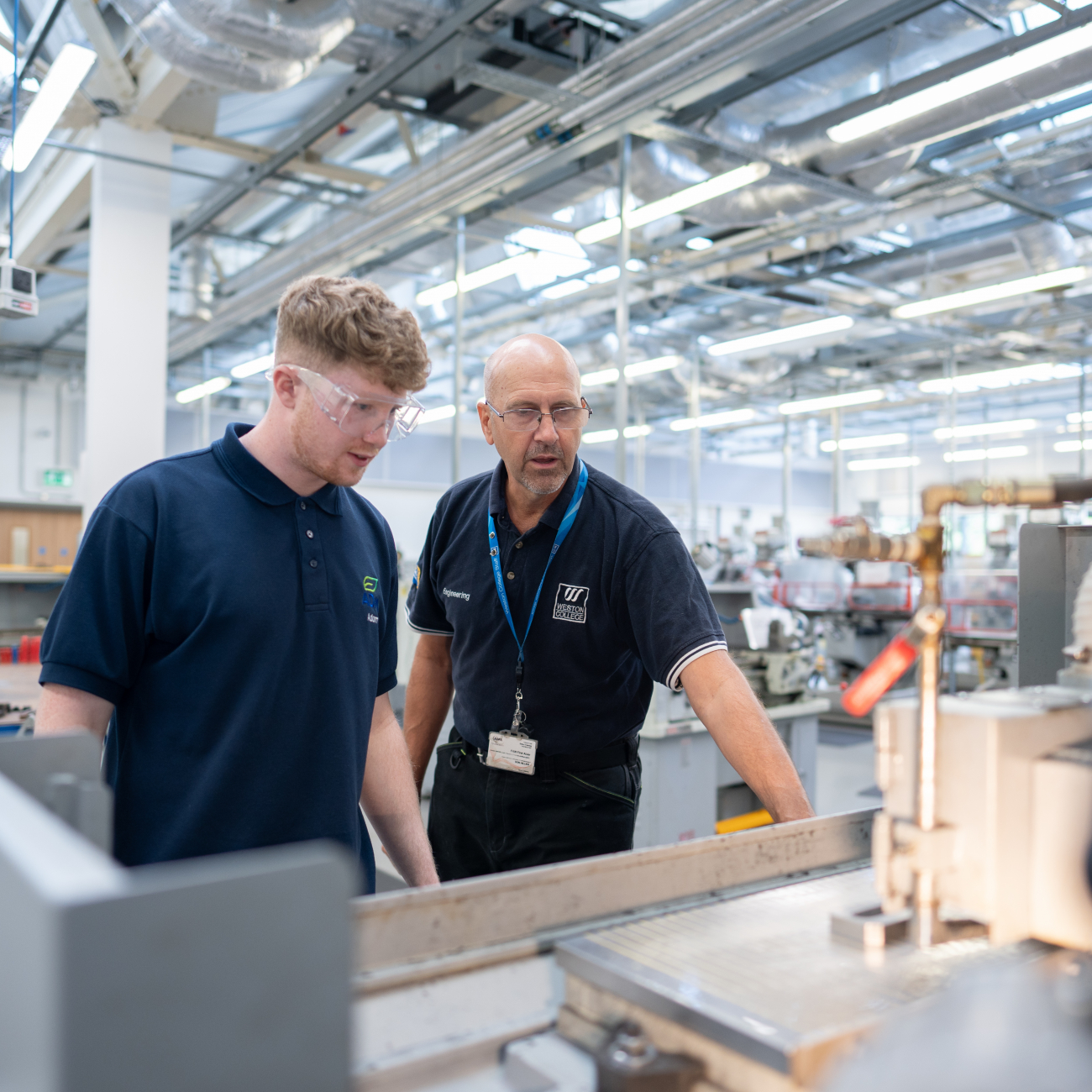
In light of the Government’s recently published Defence Industrial Strategy, Weston College is sharing an update on its ongoing work to support high-quality, education-led technical training in advanced engineering and aerospace-related disciplines across the West of England.
From September 2026, Weston College is on track to welcome its first cohorts of engineering learners at the Aerospace Skills Academy at Filton. This marks an important step in strengthening access to advanced technical education and developing skills that are transferable across aerospace, security, infrastructure and wider engineering sectors, including defence technology.
This work builds on the College’s established mission to deliver inclusive, future-focused education that responds to national skills priorities while supporting informed learner choice and ethical awareness.
The Aerospace Skills Academy
The West of England has a strong track record in advanced engineering and manufacturing. Continued investment in technical education is essential to ensure learners are equipped with the skills needed to work in complex, highly regulated and rapidly evolving technological environments.
As digitalisation, net zero ambitions and cross-sector technology transfer reshape engineering roles, partners from education, industry and regional governance have come together to explore how training provision can evolve to meet these challenges responsibly.
Inspired by a recent visit from the CEO of Skills England and aligned with the UK’s Industrial Strategy and Local Growth Plan, Weston College is working alongside regional employers and anchor organisations — including Airbus, Rolls-Royce and GKN — and partners such as the West of England Combined Authority, the National Composites Centre and Business West to shape the vision for an Aerospace Skills Academy.
The Academy is intended to be education-led and skills-focused, supporting learners to develop advanced capabilities in areas such as systems engineering, digital manufacturing, and sustainable technologies. Programmes will emphasise transferable skills, critical thinking and an understanding of the ethical considerations associated with working in sectors that include defence and security applications.
A dedicated Steering Group is currently exploring the scope, location and funding model for the Academy. Given the cross-sector relevance of the skills involved, a range of funding sources is expected. As the project develops, partners and stakeholders will be invited to contribute insight and support to help ensure the Academy delivers long-term benefit for learners, the region and the wider economy.
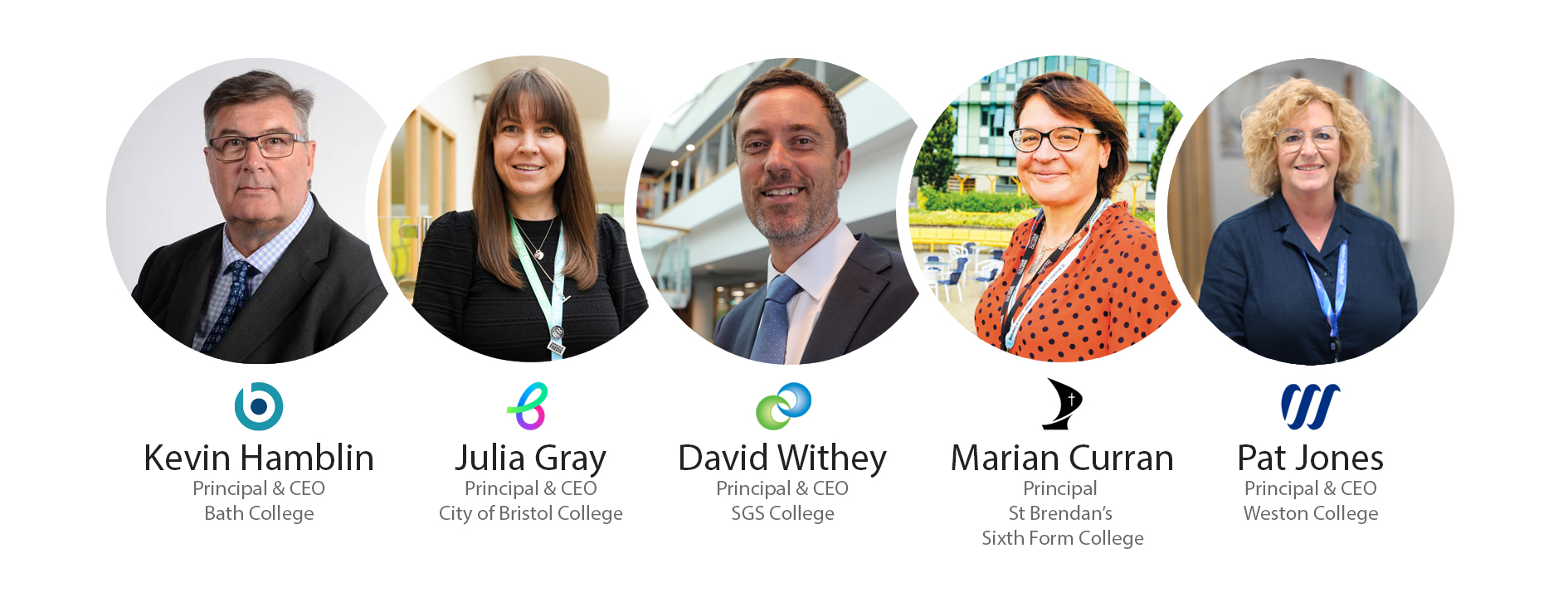
A new Further Education and Sixth Form Colleges partnership has been launched to enhance skills development, strengthen collaboration, and deliver an enhanced experience for learners across the West. By raising aspirations and opening new opportunities, the partnership will help improve lives and create lasting benefits for communities across the region.
Colleges West will represent five individual leading institutions — Bath College, City of Bristol College, South Gloucestershire and Stroud College, St Brendan’s Sixth Form College, and Weston College – to provide a unified voice for Further and Sixth Form education, and support work being led by the West of England Mayor Helen Godwin to drive economic growth across the region.
With a combined annual turnover of £215 million and links to more than 6,700 employers the region’s five Colleges deliver high-quality education and training to more than 50,000 learners every year. They are also major regional employers, with more than 3,380 employees.
The partnership began meeting earlier this year to strengthen alignment between colleges, employers and national and local government departments. The partnership will also play a key role in relation to skills on the region’s new Business Board.
In a joint statement, the CEOs/Principals of the member colleges said: “The launch of Colleges West is an exciting moment for collaboration in the West of England Mayoral Combined Authority area, further strengthening the critical role that Colleges play in delivering economic growth, social mobility, and stronger communities. By working together, our colleges can better support Government and employers to ensure the West of England has the skills it needs to thrive.”
Helen Godwin, the Mayor of the West of England, added: “This new partnership will back skills and back growth. Our colleges and sixth forms give learners the opportunity to get on and, working together with Colleges West in this new chapter for our wider region, we can show everyone how they can be part of a bright future.
“In the week that we look forward to launching our new regional Growth Strategy for the coming decade, it’s right to have young people front and centre. Further education will have an important voice on our new Business Board, which I’m also excited to share more news about in the coming days.”
For more information and to explore the new website, please visit: www.collegeswest.ac.uk
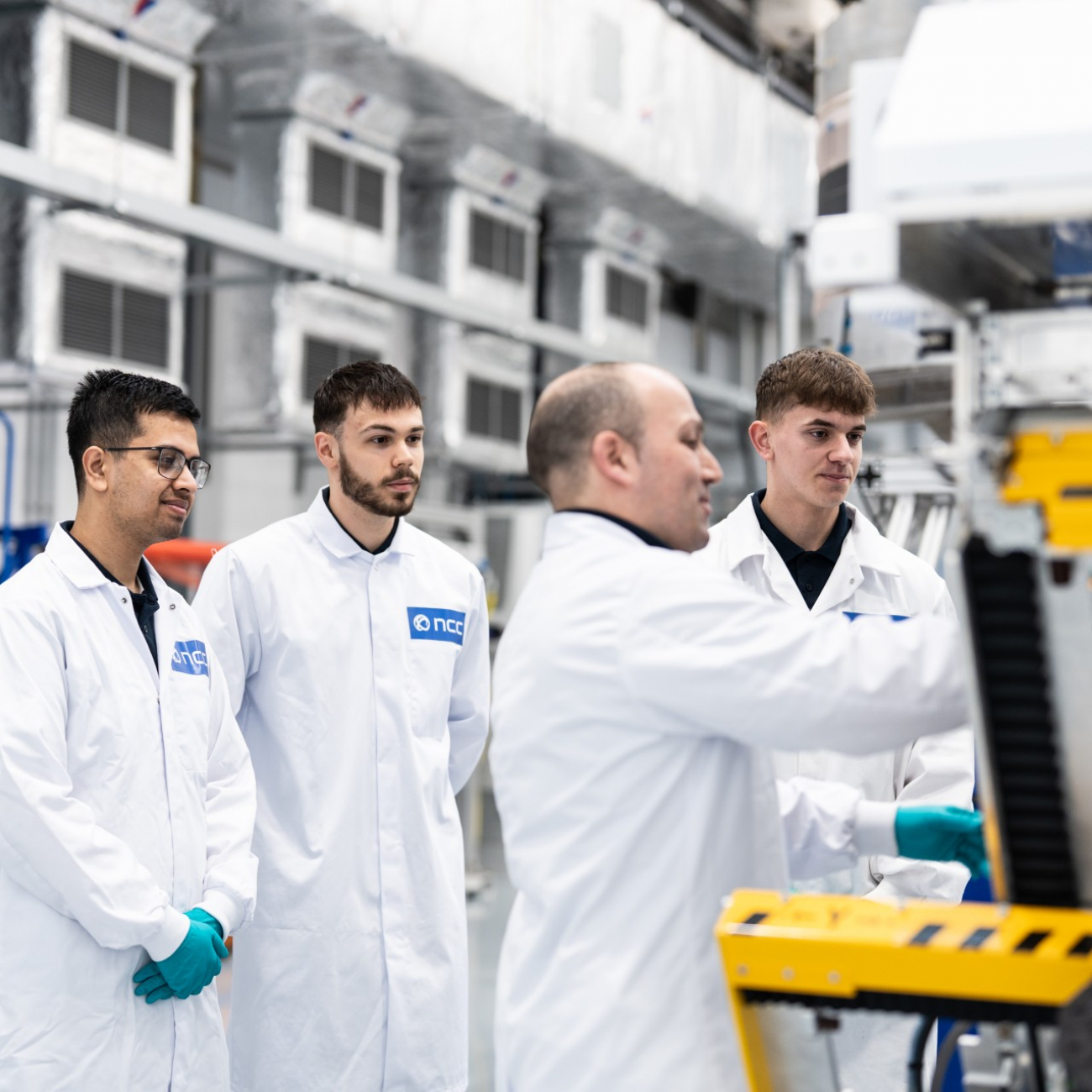
We spoke with Justin Whiting, Advanced Technical Trainer – Skills at the National Composites Centre, about NCC’s current apprenticeship programme and how you can get involved!
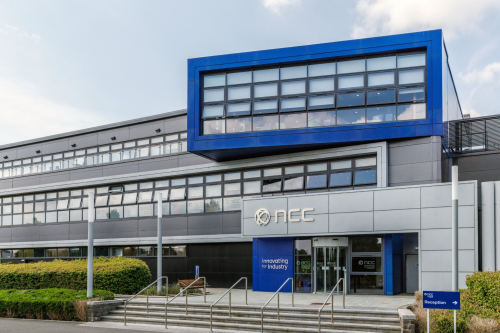
1. What apprenticeships do you offer at NCC through Weston College (which industry's, which levels etc)?
We currently offer the Level 3 Composite Technician apprenticeship which falls in the Engineering category; we also offer Level 6 Project Management apprenticeships, however, we are constantly reviewing our apprenticeship offerings so this may change in the future.
2. What do these apprenticeships entail for the learners?
The learners are on a 3 year and 3-month programme with time spent at NCC and Weston College. At NCC apprentices will work with experienced technicians to gain the knowledge, skills and behaviours required for the apprenticeship, they will also spend time at Weston College learning about Composite materials and working towards the qualifications and their End Point Assessment (EPA).
The learners will complete a rotation around different areas of the business and then concentrate on specific technologies in the second and third year. As an innovation organisation, the apprentices will be working on cutting edge equipment and procedures. The PM apprentice course lasts 4 years and includes day of study per week for the duration of the programme. Learners on this course will work on different projects with different project teams.
3. What do NCC look for in an apprentice?
NCC looks for enthusiastic apprentices who want to learn not just how to do a job but why we are doing that job, we want apprentices to be inquisitive and think of ways that they can improve the processes.
4. Are there any standout stories of our apprentices at NCC?
There are many! We have had 5 of our apprentices make the regional finals of Make UK Apprentice of the Year award, have been involved in BBC Bitesize and supported the Gatsby Foundation. Our apprentices have worked in teams on some amazing projects such as a full-scale wing demonstrator, remote controlled car and drone which have been used to help promote NCC and the apprenticeship programme.
5. How do apprentices benefit your business?
Apprentices are a major asset to the business. Apprenticeships allow us to train people right from the start of their career in our processes, ways of working and sector expectations. They bring fresh ideas and enthusiasm into the company and inspire the next generation of engineers and project managers.
6. Do NCC take on apprentices as full-time employees after they have finished their apprenticeship?
NCC apprentices are on a fixed term contract for the duration of their apprenticeship, they can then apply for full time roles at NCC.
7. When are NCC next looking for apprentices, and how can students apply?
We generally start looking for our new apprentices in January/February with a view to holding interviews in April. We advertise any apprenticeship positions on our website and through Weston College.
8. What advice would you give to people who are thinking about doing an apprenticeship?
Do it!! An apprenticeship is a great way of learning, gaining industry experience and developing professional behaviours whilst getting paid!
9. Is there anything else you would like to add?
We firmly believe apprenticeships are a great way to start your career, our apprentices are invaluable to the company.
WHICH LEVEL IS RIGHT FOR ME?