




COURSES FOR SCHOOL LEAVERS
Your Future Starts Here
With hundreds of exciting courses, this is where your journey begins. From day one, you'll be supported, inspired, and on track to a rewarding career.
See SubjectsJoin a Career Excellence Hub and gain real-world skills, experience, and confidence to reach your goals.
Whether you're finishing school, changing direction, or learning English with our ESOL courses – we’ve got you covered.
Get started today – pick a subject and apply online in just 5 minutes!

Find Your Future Path









QUALIFICATIONS EXPLAINED
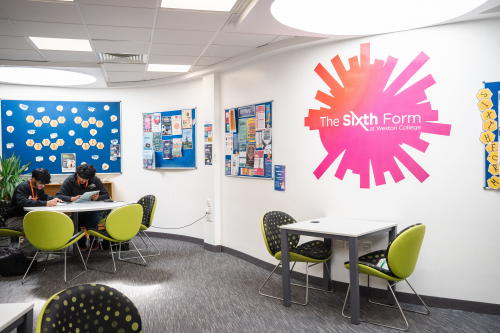
A Levels develop the knowledge, skills and study habits to excel at university, as well as the attributes recognised by employers.
Your academic studies will be complemented with enrichment opportunities such as trips, mentoring and work experience, providing the perfect springboard for your future career.
A Levels are assessed through exams at the end of two years of study. Most learners study three subjects - some choose four.
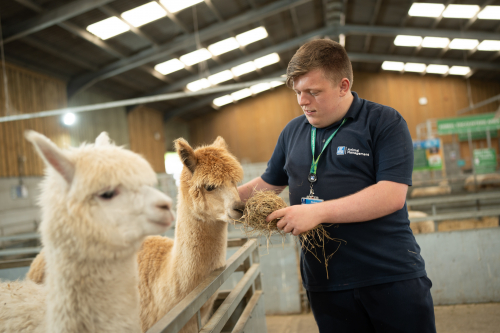
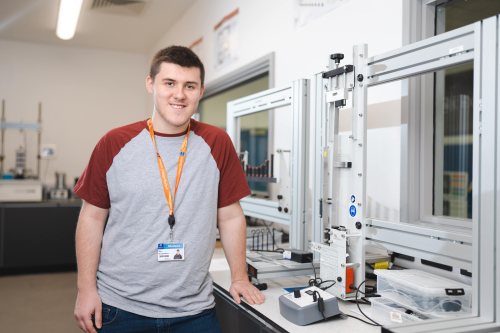
With an apprenticeship you’ll go straight into the workplace and be shown clear routes to progress straight into employment within a specific occupation. You can achieve nationally recognised qualifications, earn a wage, and gain skills that will see you get ahead. On average you will spend 20% of your learning time in the college and 80% within the workplace
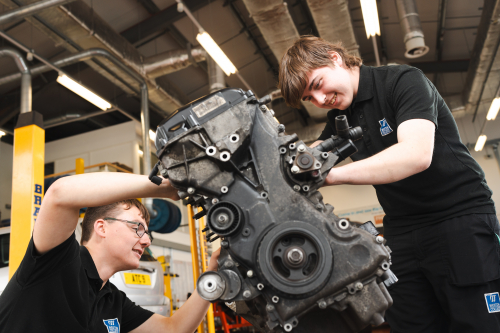
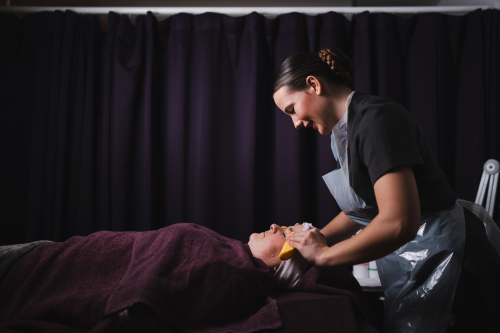
Professional and technical qualifications are designed to provide you with the knowledge, skills and behaviours needed to gain employment within specific industries or occupations. They provide a balance between theory and practical skills development. They are suited to those who want to get hands-on experience within a particular vocational area. These programmes include work placements. Assessment is more varied and will include exams, coursework and practical work.
T Levels give you the chance to learn what a real career is like while you continue your studies. T Levels have been designed with leading businesses and employers to give you the knowledge and skills you need, including a minimum of 45 days on an industry placement – this means you will spend 80% of your learning time in College and 20% within the workplace.
LATEST NEWS
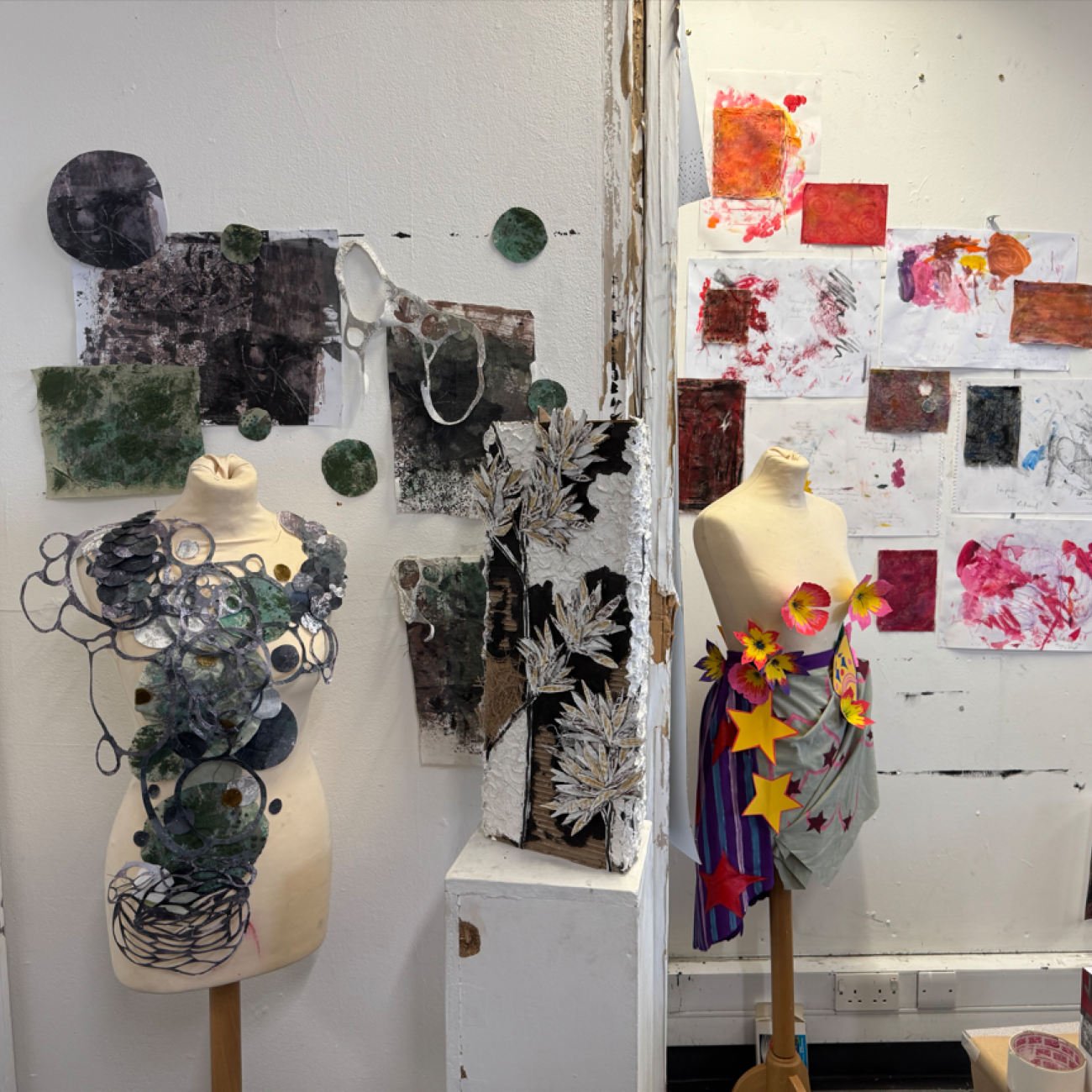
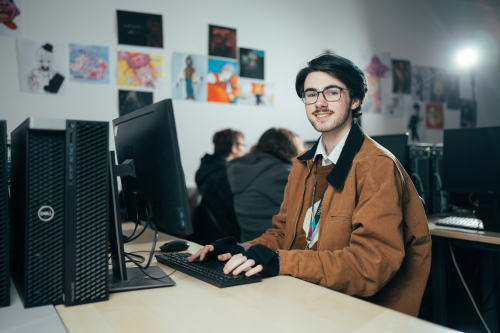
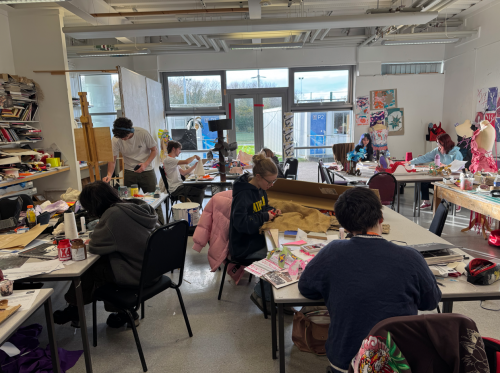
Students on Weston College’s UAL Foundation Diploma in Art & Design have recently completed an impactful project titled “Visual Rebellion: The Rule Breakers”, showcasing their creativity and critical thinking through bold artistic exploration.
The UAL Foundation Diploma in Art & Design is a 1-year pre-degree course designed to give students the opportunity to trial a wide range of mediums before specialising. It is completely free to all students, allowing you to get a foundation diploma which you often get at university. It provides valuable time for learners to refine their skills, explore their interests, and prepare for progression into higher education or creative industries.
The project encouraged learners to break formal rules in art and design, using their work to express authentic beliefs and challenge social, political, and personal conventions. Themes explored included political and social issues, personal experiences, and the boundaries of scale and material use.
Throughout the project, students investigated influential artists who cover topics such as propaganda, war, corruption, and exploitation. The aim was to provoke thought, foster creativity, and stimulate dialogue through art that carries personal meaning and relevance.
The first part of the project focused on research, including a trip to Bristol and seminars on research methodologies. Learners explored five avenues of “Visual Rebellion”, collecting imagery and presenting their findings digitally.
Over the following weeks, students rotated through specialist pathways including Surface & Form, Interdisciplinary Fine Art, and Visual Communication, breaking the project down into three different outcomes of the Visual Rebellion theme across the 6-week period. Students also took part in practical workshops which offered hands-on experience in digital media, printmaking, 3D design, collage, lens-based work, and illustrative sewing. This was a fantastic opportunity for them to trial a range of mediums and figure out which form of art was their preferred pathway.
Each learner maintained a record of their journey through sketchbooks and personal blogs, documenting research, workshop outcomes, and reflections which built their portfolios and showcased the effort and research gone into their artwork. The project concluded with a thorough evaluation of each pathway and the overall experience.
This course is a fantastic opportunity for students who are unsure what they want to do and who fancy exploring new ways to express themselves through art. Whether you have formally studied art before does not matter too much on this course, all you need is to have completed a Level 3 course and have a passion for creativity.
Well done to all the students and the amazing work they have produced so far!
This project forms part of the UAL Foundation Diploma in Art & Design Careers Excellence Hub. Weston College's Career Excellence Hubs are designed to be the launching pad for our learners' careers. In a world where connections and relevant skills matter more than ever, these hubs offer a holistic approach that prepares learners to thrive in their chosen industries. With the support of these hubs, our learners are well-equipped to make a significant impact in their professional journeys.
Progress to the next level in Creative Arts! At University Centre Weston (UCW) our students give us impressive feedback, with our latest National Student Survey results putting us above average in all nine areas! Find out more about our exceptional teaching, wellbeing services and learning resources by visiting our website. Click here!
If you are passionate about education and are looking for an opportunity to join the staff team at a leading college, then look at the latest job vacancies available at Weston College here. You can find all the latest job opportunities that Weston College has to offer, with a commitment to providing quality education for learners and a focus on continuous professional development for staff, Weston College is an excellent place to work and grow in your career.
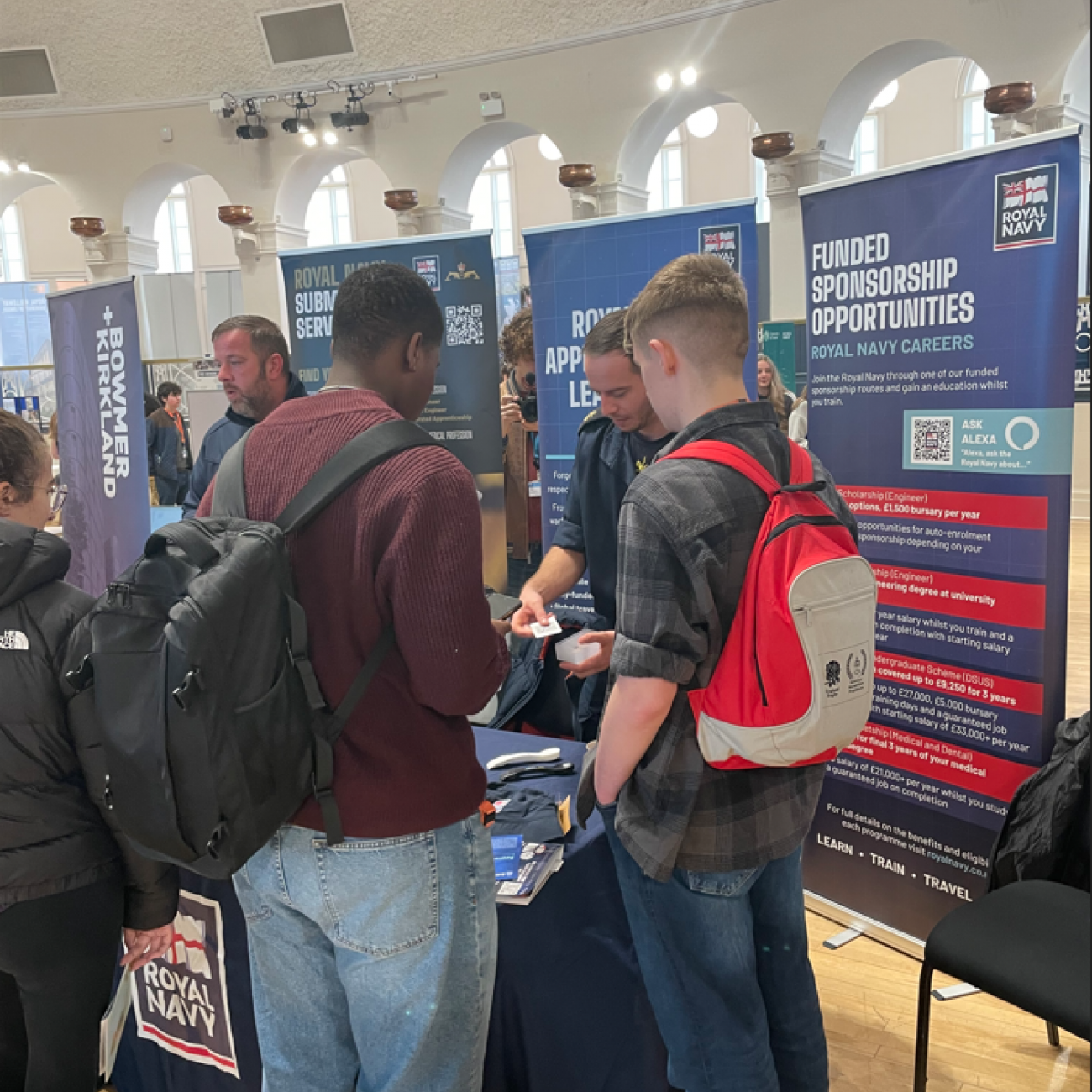
Weston College’s annual CareersFest returned this week, transforming the Winter Gardens Pavilion into a vibrant hub of opportunity and inspiration.
Designed to spark ambition and help learners explore their future options, the event brought together an extensive mix of pathways from apprenticeships and university routes to specialised training and employer-led careers.
This year’s CareersFest welcomed over 1,000 Weston College learners, alongside more than 26 employers, 12 Higher Education providers, and a range of Weston College support teams.
The venue was filled with energy as exhibitors shared insights with learners, and answered questions that they had. Well-known organisations such as Airbus, Avon and Somerset Police, Babcock, Handelsbanken, and the Royal Navy were among those engaging with learners.
Universities were also out in force, including Royal Holloway, University of London, the University of Bath, University of Plymouth, the University of South Wales and UWE Bristol, offering guidance for those considering higher education.
Anna Holton, Head of Careers and Employability at Weston College, reflected on the impact of the event: “CareersFest gives our learners the chance to truly see what their futures could look like. The conversations they have here can spark ideas, build confidence, and open doors.
“At Weston College we champion ‘careers, not courses,’ and events like this help bring that philosophy to life. We’re delighted with the enthusiasm from both exhibitors and learners this year, and we're excited to see how these interactions shape their next steps.”
The Careers and Employability Team is on hand to provide ongoing support. Learners can get in touch at cet@weston.ac.uk or visit the team’s webpage for more information.
At our Careers Fest, students had the chance to chat to big name employers and universities about their future!✨
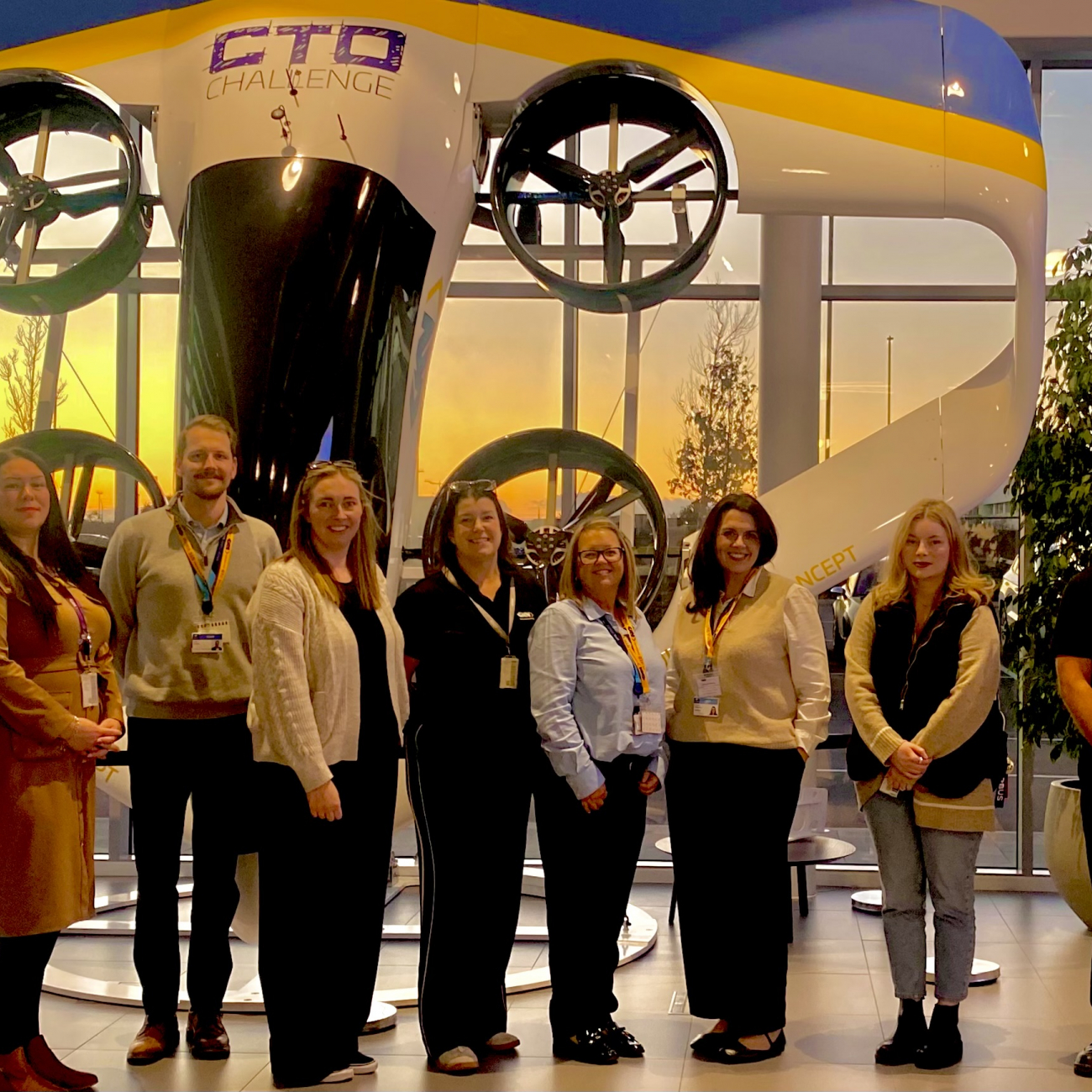
Weston College and University Centre Weston (UCW) brought together leading engineering employers on Wednesday 19 November 2025, for a high-level Engineering Technical Advisory Board session, which was aimed at shaping the future of technical education across the region.
The event was hosted at GKN Aerospace, Bristol, and focused on strengthening collaboration between industry and education to ensure that training, curriculum design, and skills development continue to meet the needs of the local engineering and advanced manufacturing sectors.
The session provided employers like Airbus, Babcock, GKN Aerospace, Ministry of Defence NCC, Rolls Royce and Safran with the opportunity to directly influence how the Weston College Group prepares the next generation of engineers and technicians. Discussions explored how businesses can help co-design future-focused curriculum pathways, support industry placements, and inspire learners to pursue rewarding careers within aerospace, defence, and wider engineering industries.
The Advisory Board is part of Weston College’s broader commitment to working together with employers to develop specialist training that reflects real-world challenges and emerging technologies. Insights gathered will also inform future programmes delivered through the College’s growing engineering portfolio, including its planned Aerospace Skills Academy.
By bringing together key partners, from major primes to SMEs across the supply chain the event created a shared space for discussing skills needs, innovation opportunities, and workforce challenges. Employers had the chance to highlight priority areas such as digitalisation, advanced manufacturing, sustainable engineering, and the evolving requirements of the aerospace and defence industries.
Tracie Leahy, Weston College’s Assistant Principal - Apprenticeships & Skills said:
“Employer collaboration is vital to ensuring our engineering provision remains relevant, responsive, and future-ready. This event was designed to bring industry expertise to the forefront, enabling us to co-create training that truly supports economic growth, productivity, and long-term skills development across the region.”
WHICH LEVEL IS RIGHT FOR ME?