




COURSES FOR SCHOOL LEAVERS
Your Future Starts Here
With hundreds of exciting courses, this is where your journey begins. From day one, you'll be supported, inspired, and on track to a rewarding career.
See SubjectsJoin a Career Excellence Hub and gain real-world skills, experience, and confidence to reach your goals.
Whether you're finishing school, changing direction, or learning English with our ESOL courses – we’ve got you covered.
Get started today – pick a subject and apply online in just 5 minutes!

Find Your Future Path













QUALIFICATIONS EXPLAINED
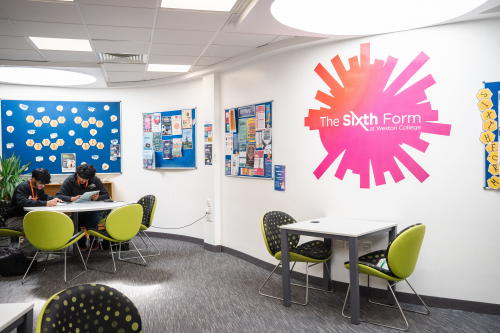
A Levels develop the knowledge, skills and study habits to excel at university, as well as the attributes recognised by employers.
Your academic studies will be complemented with enrichment opportunities such as trips, mentoring and work experience, providing the perfect springboard for your future career.
A Levels are assessed through exams at the end of two years of study. Most learners study three subjects - some choose four.
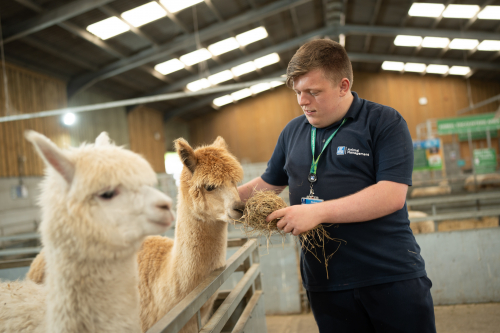
With an apprenticeship you’ll go straight into the workplace and be shown clear routes to progress straight into employment within a specific occupation. You can achieve nationally recognised qualifications, earn a wage, and gain skills that will see you get ahead. On average you will spend 20% of your learning time in the college and 80% within the workplace
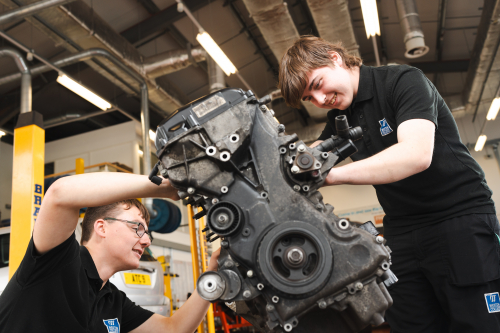
Professional and technical qualifications are designed to provide you with the knowledge, skills and behaviours needed to gain employment within specific industries or occupations. They provide a balance between theory and practical skills development. They are suited to those who want to get hands-on experience within a particular vocational area. These programmes include work placements. Assessment is more varied and will include exams, coursework and practical work.
T Levels give you the chance to learn what a real career is like while you continue your studies. T Levels have been designed with leading businesses and employers to give you the knowledge and skills you need, including a minimum of 45 days on an industry placement – this means you will spend 80% of your learning time in College and 20% within the workplace.
LATEST NEWS
Dear Parents and Guardians,
We have completed the first half term, and what an inspiring start it has been.
We’d like to share some highlights with you, showcasing what has already taken place, as well as some exciting opportunities still to come.
Welcome Days
At the start of term, each CEH area hosted three days of activities designed to help first-year students feel at home, form new friendships, and get to know their learning environment and study tools.
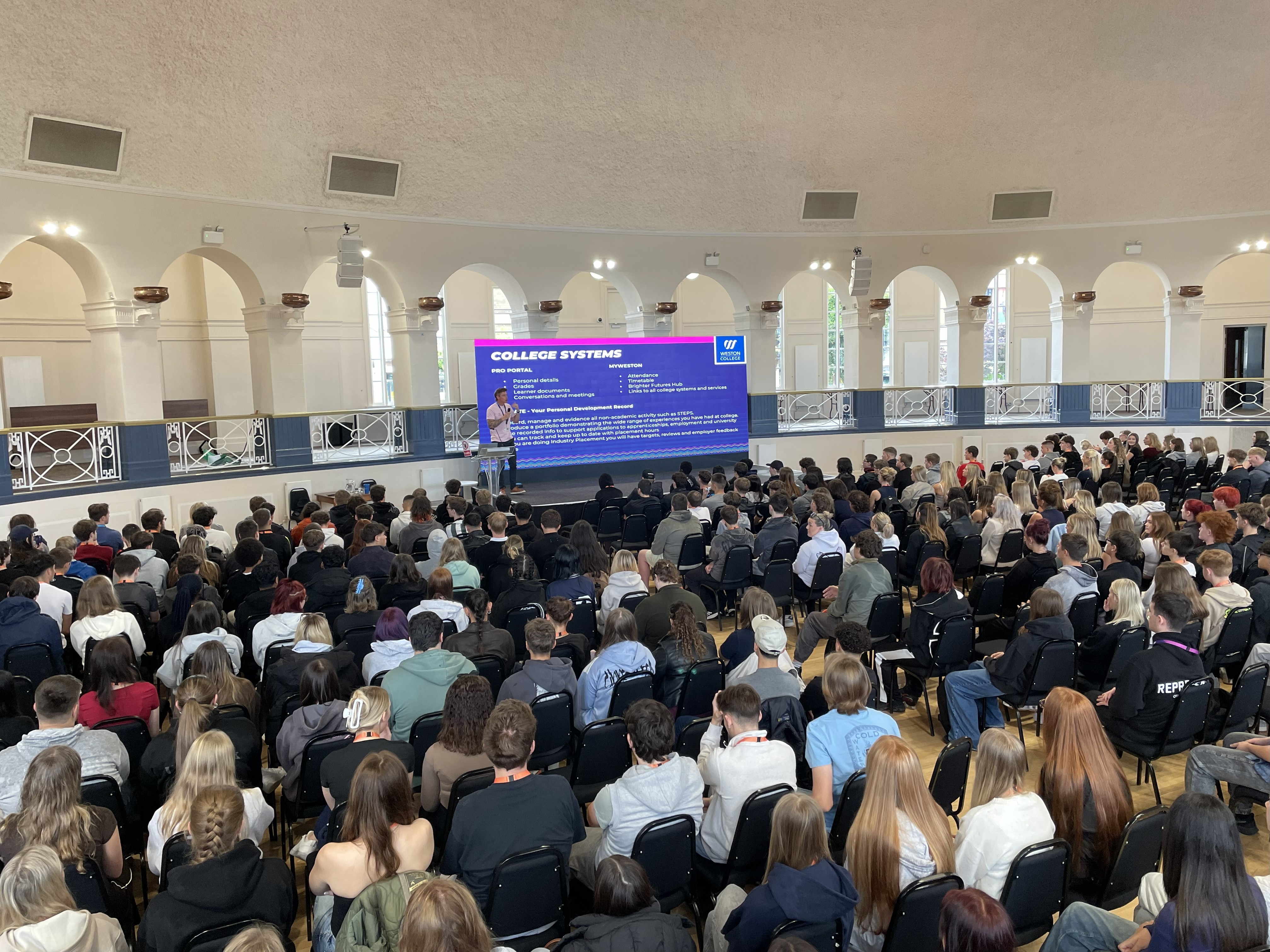
Our College Executive Team also delivered Welcome Talks across all our campuses. These sessions gave students the chance to meet senior leaders, hear about the expectations for the year ahead, and learn about key college policies and procedures.
Faculties across all campuses organised activities that blended fun with learning. For instance, Animal Management students visited Puxton Park, where they toured facilities, met animals, enjoyed a game of crazy golf, tried water rafting, and even hopped on a tractor ride.
These Welcome Days are about much more than orientation, they help ease the transition into college life, boost confidence, and build strong peer connections. At Weston College, we know that starting college can feel daunting, and we are committed to making the experience welcoming, engaging, and memorable for every learner.
Personal Development at Weston
This term, learners have been introduced to our STEPS personal development curriculum, which focuses on:
- Building Future Skills
- Exploring and debating Topical Points
- Getting involved in college Engagement activities
- Experiencing Progression opportunities with industry links
- Strengthening Self-management
So far, students have been developing empathy, completing digital modules on emotional intelligence, and reflecting on the value of Respect; in college, in the community, and in their future industries.
They have also completed important safeguarding and Prevent training, ensuring they know how to keep themselves safe and how to raise a safeguarding concern if needed.
Before the October half term, learners will move on to explore healthy relationships and equality, developing a deeper understanding of these essential life themes.
Freshers Fayre
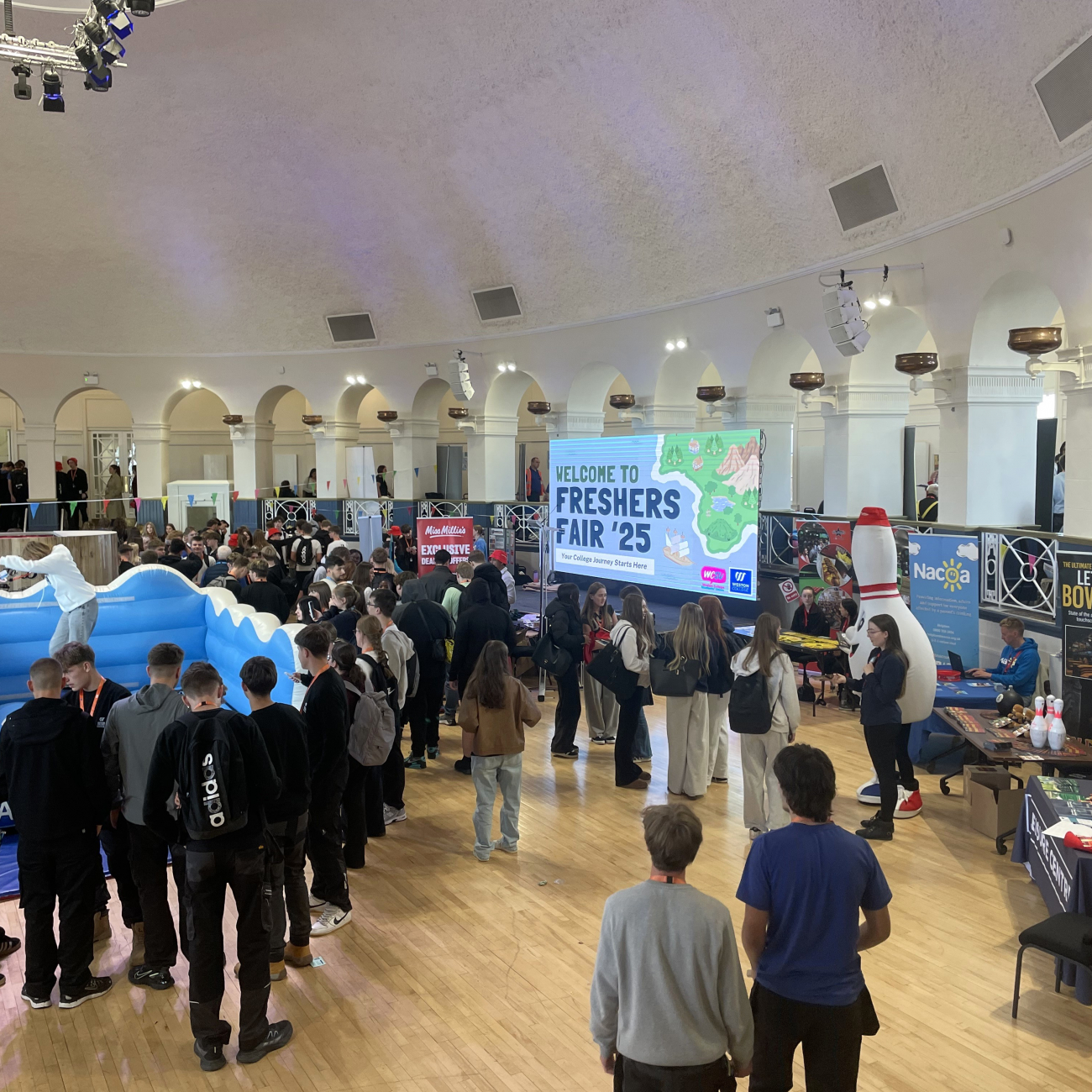
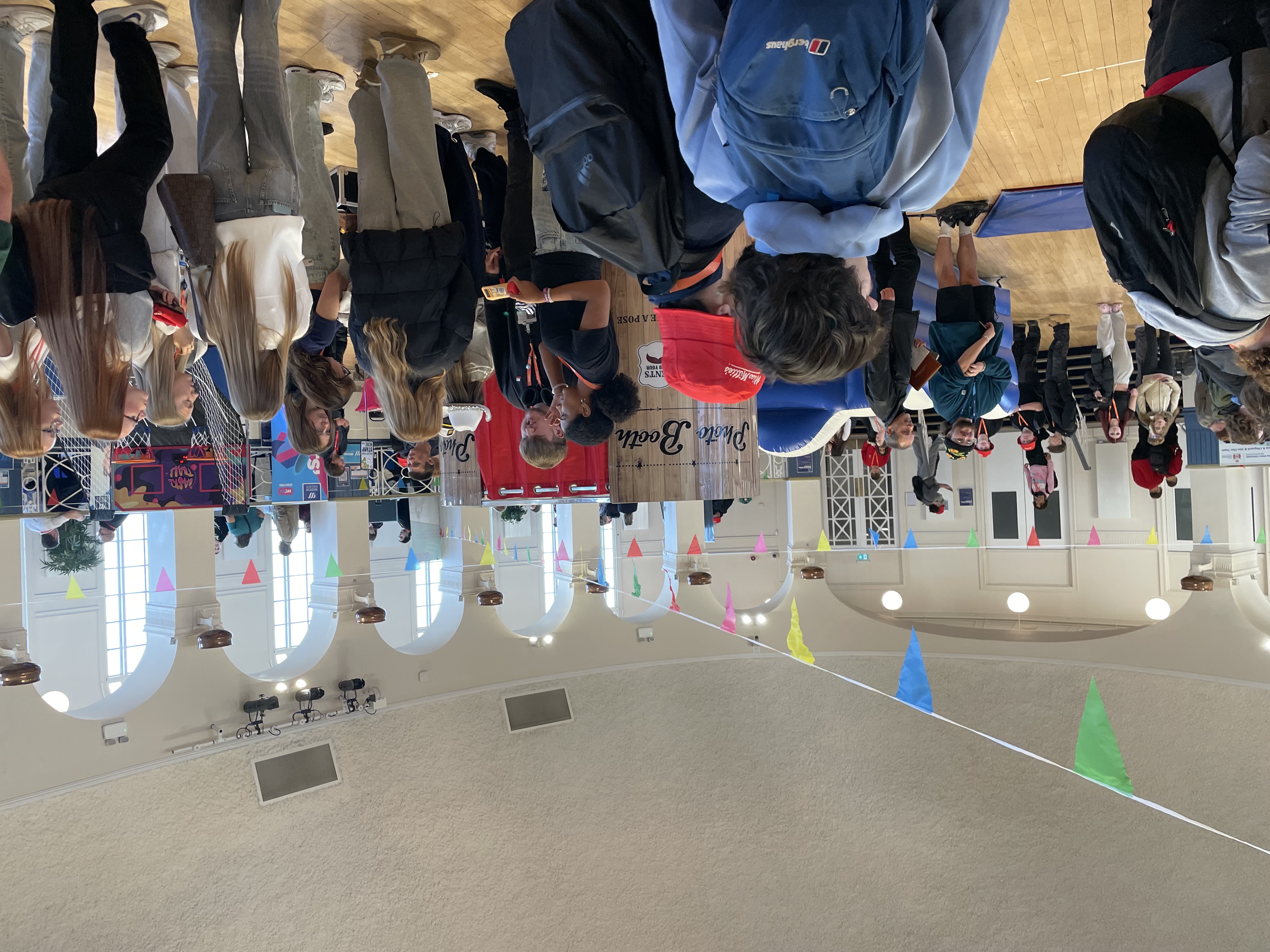
This year’s Freshers Fayre was focussed around adventure, and it was a great opportunity for first year students to discover more about the Students’ Union, as well as opportunities available to them as Weston College students.
During the event, we had a range of employers in attendance, from sport organisations such as Pure Gym, Bristol City Robins Foundation, and Hutton Moor Leisure Centre, to food businesses such as Nando’s and Miss Millies. We also had activity centres such as All Stars and Laser Quest promote their businesses and provide discount codes for the students. On top of this, there were a range of charities and local organisations such as Weston Hospicecare, Talk Club, SWEDA, NACOA and many more to promote the work they do in the community and encourage the students to help and volunteer where possible.
The Turing Scheme: Opening Global Opportunities
We are delighted to share that Weston College and University Centre Weston (UCW) have been awarded £216,305.08 through the UK Government’s Turing Scheme, creating transformative international experiences for learners this year.
This funding will support placements in Canada, the USA, Indonesia, and Thailand, offering students the chance to immerse themselves in new cultures, gain invaluable industry experience, and develop global citizenship skills.
Highlights include:
- Hudson’s Hope/Vancouver, Canada – Inclusive Practice learners will volunteer and gain work experience in a supportive community.
- New York, USA – Creative and Health Industries learners will benefit from workshops, networking, and hands-on industry engagement.
- Bali, Indonesia – Students will join sustainability and global citizenship projects. Cost to learners: just £150.
- Chiang Mai, Thailand – A second sustainability and citizenship placement. Cost to learners: just £150.
- New York, USA (UCW) – Performing Arts students will continue developing professional links with the world-renowned Broadway Dance Centre.
Sporting Success
Our Weston College Under-19 Football Academy is off to a fantastic start in the National Youth Alliance. The team is currently unbeaten in four games and sits proudly in second place in the league.
We are also thrilled to announce that two current academy learners have already made their debuts for Weston Football Club’s first team, who compete in the National League South, an outstanding achievement!
CareersFest
We’re delighted to announce the return of CareersFest, Weston College’s annual Careers Fair, taking place at the Winter Gardens on 18th November. This flagship event provides learners with the opportunity to connect with a wide range of organisations offering opportunities both during their studies and upon completion of their programmes.
In previous years, over 55 organisations from diverse industries have participated, including local and national universities, gap year providers, and support services.
In addition to meeting exhibitors, attendees can speak with support staff, access a variety of online resources, and take part in competitions.
The Careers and Employability Team will begin promoting the event after half term during tutorials. Learners will be able to book time slots to attend through their tutors. This event is exclusively for Weston College learners.
For further information about the event, or for guidance on supporting your young person with their next steps, please contact the Careers and Employability Team at cet@weston.ac.uk.
Celebrating 180 Years of Weston College
2025 marks Weston College’s 180th anniversary, a milestone that reflects nearly two centuries of empowering individuals, transforming lives, and serving our community through education.
To celebrate, we’re inviting current and former students, staff, and community members to share their stories, photos, and memories. Whether it’s a career milestone, a lifelong friendship, or a family tradition of studying here, we’d love to hear from you.
Stories can be submitted through a dedicated online form available on our website, and will help capture the incredible journey of Weston College through the years.
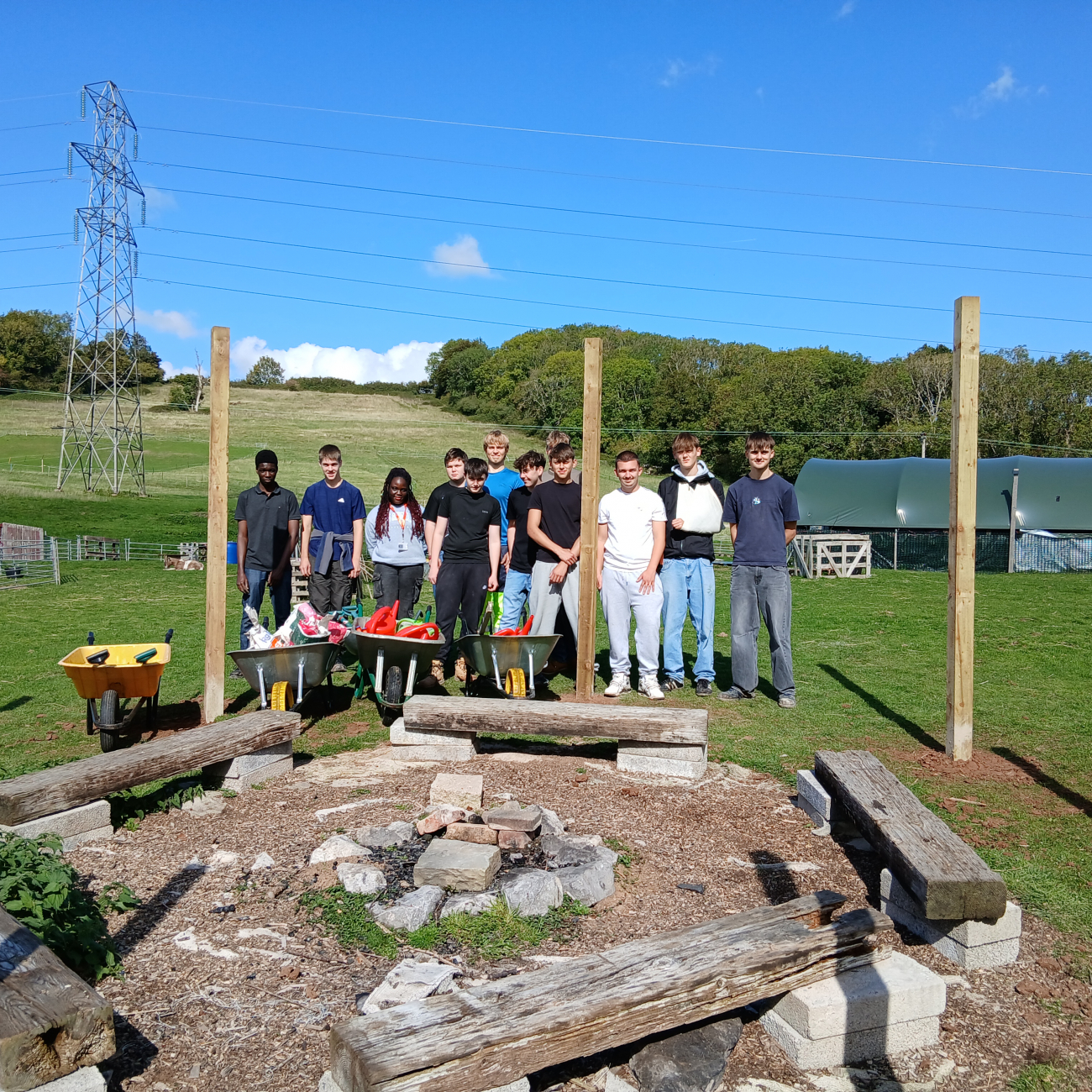
Year 1 learners from the T-Level in Design, Surveying and Planning in Construction recently enjoyed an exciting day at Uncle Paul’s Chilli Farm in Butcombe, North Somerset, as part of their induction to the course.
The experience began with students collecting tools and equipment before being guided by the farm’s staff to a site in need of a new shelter. The group received a briefing and set to work digging eight holes for large wooden posts, which were then concreted in place. Although the task of digging by hand proved challenging, the students persevered, successfully installing the posts and ensuring they were upright and level.
Students then took a walk back across the farm and had a well-earned lunch by the fire, complete with hot chocolate and marshmallows. This hands-on experience in a different environment reinforced the value of learning outside the classroom and created a core memory for the students due to building their skills and giving back to the community whilst being surrounded by animals on the farm including pigs, goats, and sheep.
A highlight of the day was the “Chilli Challenge”, where students sampled a range of chillies under the guidance of the farm staff. This light-hearted competition encouraged students to step out of their comfort zones, demonstrating resilience and a willingness to try new things—qualities that are invaluable both personally and professionally.
Throughout the day, students developed essential skills such as communication, teamwork, and collaboration. The practical task of building a shelter required them to listen, share ideas, and support one another, mirroring the collaborative nature of the construction industry. The experience also revealed emerging leaders within the group, as some students naturally took on responsibility and guided their peers.
By the end of the trip, the students had gained not only practical construction experience but also a sense of achievement and stronger group cohesion. Their lecturer, Daniel Comerford, praised the group’s behaviour, responsibility, and teamwork, noting how well they worked together to complete the task.
This trip exemplified how hands-on learning can foster both personal growth and professional development, equipping students with the confidence and skills they will need in their future careers.
A big thank you to the staff at Uncle Paul's Chilli Farm for welcoming our students and getting them involved with hands-on tasks around the site.
This curriculum trip forms part of the Construction Careers Excellence Hub. Weston College's Career Excellence Hubs are designed to be the launching pad for our learners' careers. In a world where connections and relevant skills matter more than ever, these hubs offer a holistic approach that prepares learners to thrive in their chosen industries. With the support of these hubs, our learners are well-equipped to make a significant impact in their professional journeys.
Progress to the next level in Construction! At University Centre Weston (UCW) our students give us impressive feedback, with our latest National Student Survey results putting us above average in all nine areas! Find out more about our exceptional teaching, wellbeing services and learning resources by visiting our website. Click here!
If you are passionate about education and are looking for an opportunity to join the staff team at a leading college, then look at the latest job vacancies available at Weston College here. You can find all the latest job opportunities that Weston College has to offer, with a commitment to providing quality education for learners and a focus on continuous professional development for staff, Weston College is an excellent place to work and grow in your career.
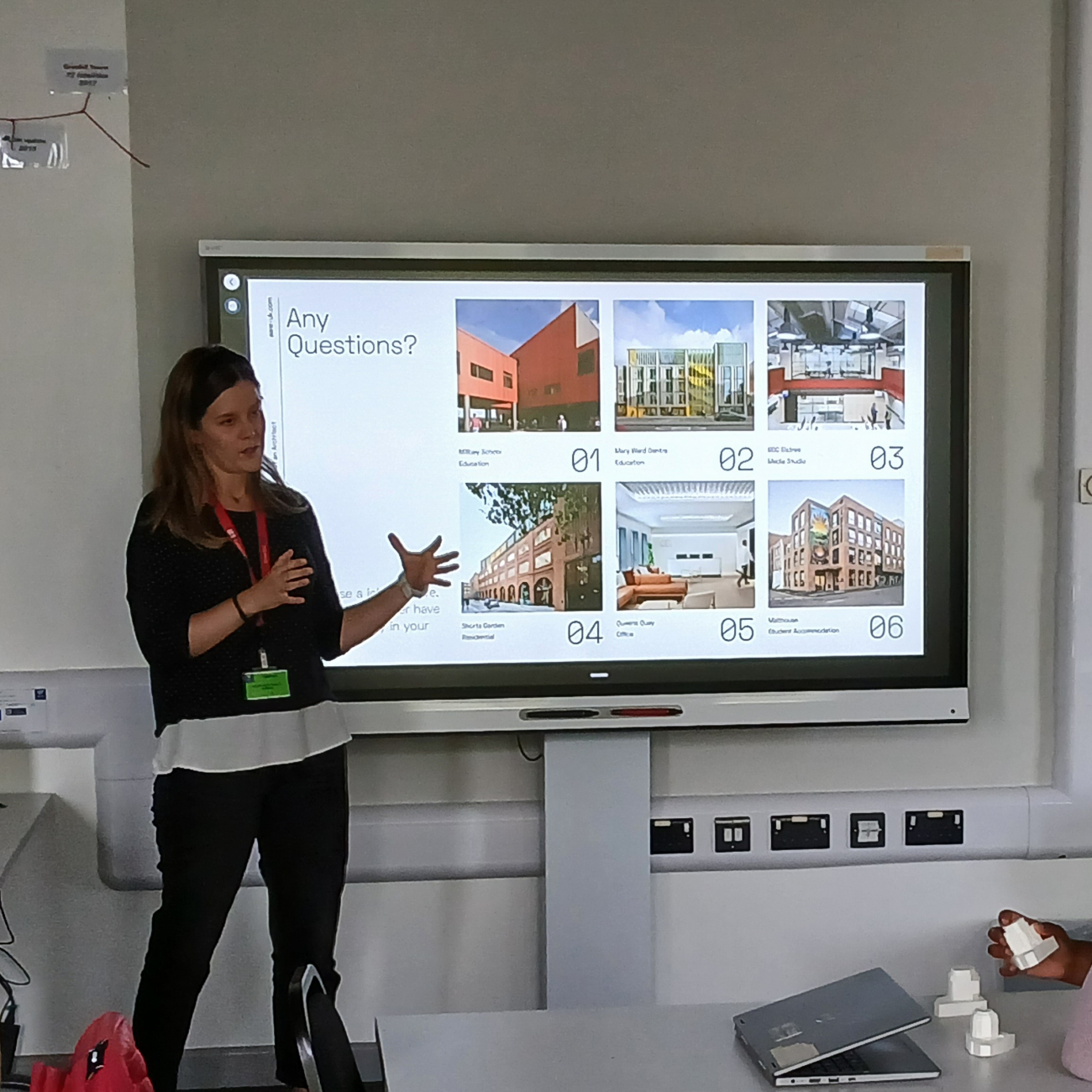
Year 1 learners from the T-Level in Design, Surveying and Planning in Construction course recently received an inspiring and informative guest lecture by Architect Irene de Miguel Lopez from AWW Architects, a leading architectural practice based in Bristol.
AWW Architects operate from studios in Bristol, London, and Plymouth and are known for their collaborative, design-led approach that places people at the heart of every project. The practice prides itself on creating sustainable, inclusive, and meaningful architecture that improves how people live, work, and interact with their surroundings.
Irene delivered a talk titled “A Day in the Life of an Architect,” giving students a first-hand insight into the varied and dynamic nature of architectural work. She discussed her day-to-day responsibilities, which range from creating design drawings and attending client meetings, to visiting construction sites to monitor project progress.
To make the session more interactive, Irene brought along a selection of material samples that AWW Architects use when designing buildings. Students were able to handle these samples and explore how different materials influence the look, feel, and performance of a building.
Irene also explained that an architect’s role is incredibly diverse, involving the design of a wide range of environments including homes, workplaces, schools, sports facilities, and performance spaces. She highlighted that while the path to become a fully qualified architect can take up to seven years, the profession offers a rewarding and creative career for those passionate about designing and building future communities.
The talk made a clear impact, with many students expressing renewed enthusiasm for pursuing careers in architecture.
Daniel Comerford, Weston College Construction Professions lecturer, said: “We’re extremely grateful to Irene for taking the time to visit our learners and share her experiences. Her talk offered invaluable insight into the profession and has clearly inspired the next generation of architects and designers in the construction industry.”
Guest lectures like this provide our students with a deeper understanding of alternative career paths that students can pursue following their T Level. It allowed them to ask questions to industry professionals, gave them clarity on the journey required to become an architect, and the benefits of pursuing this career. It allowed them to network with a professional, increased their confidence by reducing future ambiguity, and provided them with real-world insight as well as discussions of industry standards and values.
A big thank you to Irene for taking the time to visit our students and engage with them to ensure they were fully informed regarding their future opportunities.
This guest lecture forms part of the Construction Careers Excellence Hub. Weston College's Career Excellence Hubs are designed to be the launching pad for our learners' careers. In a world where connections and relevant skills matter more than ever, these hubs offer a holistic approach that prepares learners to thrive in their chosen industries. With the support of these hubs, our learners are well-equipped to make a significant impact in their professional journeys.
Progress to the next level in Construction! At University Centre Weston (UCW) our students give us impressive feedback, with our latest National Student Survey results putting us above average in all nine areas! Find out more about our exceptional teaching, wellbeing services and learning resources by visiting our website. Click here!
If you are passionate about education and are looking for an opportunity to join the staff team at a leading college, then look at the latest job vacancies available at Weston College here. You can find all the latest job opportunities that Weston College has to offer, with a commitment to providing quality education for learners and a focus on continuous professional development for staff, Weston College is an excellent place to work and grow in your career.
WHICH LEVEL IS RIGHT FOR ME?