




COURSES FOR SCHOOL LEAVERS
Your Future Starts Here
With hundreds of exciting courses, this is where your journey begins. From day one, you'll be supported, inspired, and on track to a rewarding career.
See SubjectsJoin a Career Excellence Hub and gain real-world skills, experience, and confidence to reach your goals.
Whether you're finishing school, changing direction, or learning English with our ESOL courses – we’ve got you covered.
Get started today – pick a subject and apply online in just 5 minutes!

Find Your Future Path












QUALIFICATIONS EXPLAINED
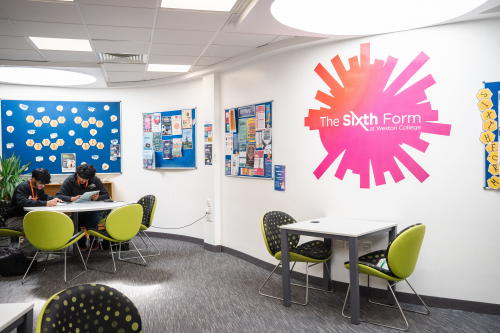
A Levels develop the knowledge, skills and study habits to excel at university, as well as the attributes recognised by employers.
Your academic studies will be complemented with enrichment opportunities such as trips, mentoring and work experience, providing the perfect springboard for your future career.
A Levels are assessed through exams at the end of two years of study. Most learners study three subjects - some choose four.
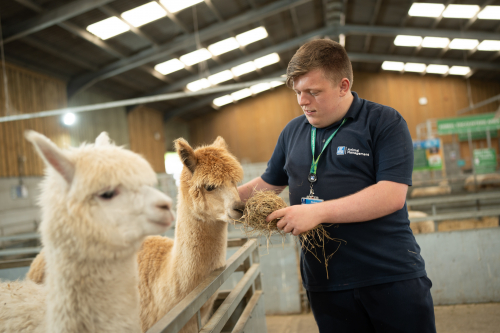
With an apprenticeship you’ll go straight into the workplace and be shown clear routes to progress straight into employment within a specific occupation. You can achieve nationally recognised qualifications, earn a wage, and gain skills that will see you get ahead. On average you will spend 20% of your learning time in the college and 80% within the workplace
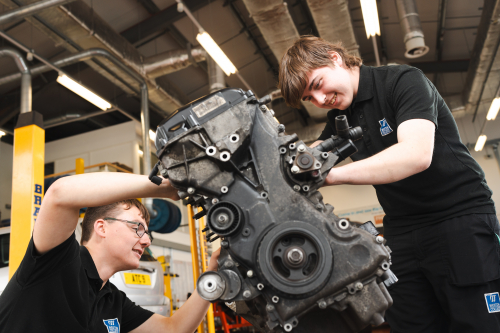
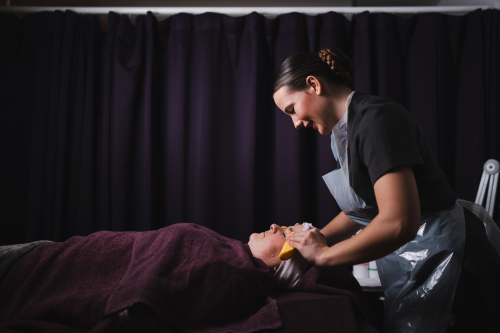
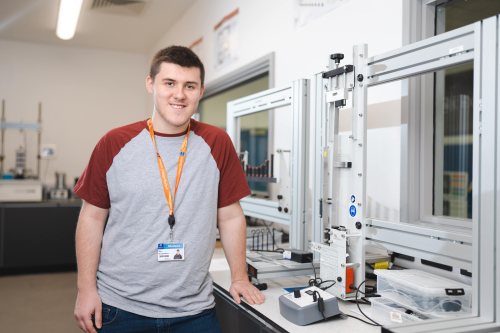
Professional and technical qualifications are designed to provide you with the knowledge, skills and behaviours needed to gain employment within specific industries or occupations. They provide a balance between theory and practical skills development. They are suited to those who want to get hands-on experience within a particular vocational area. These programmes include work placements. Assessment is more varied and will include exams, coursework and practical work.
T Levels give you the chance to learn what a real career is like while you continue your studies. T Levels have been designed with leading businesses and employers to give you the knowledge and skills you need, including a minimum of 45 days on an industry placement – this means you will spend 80% of your learning time in College and 20% within the workplace.
LATEST NEWS
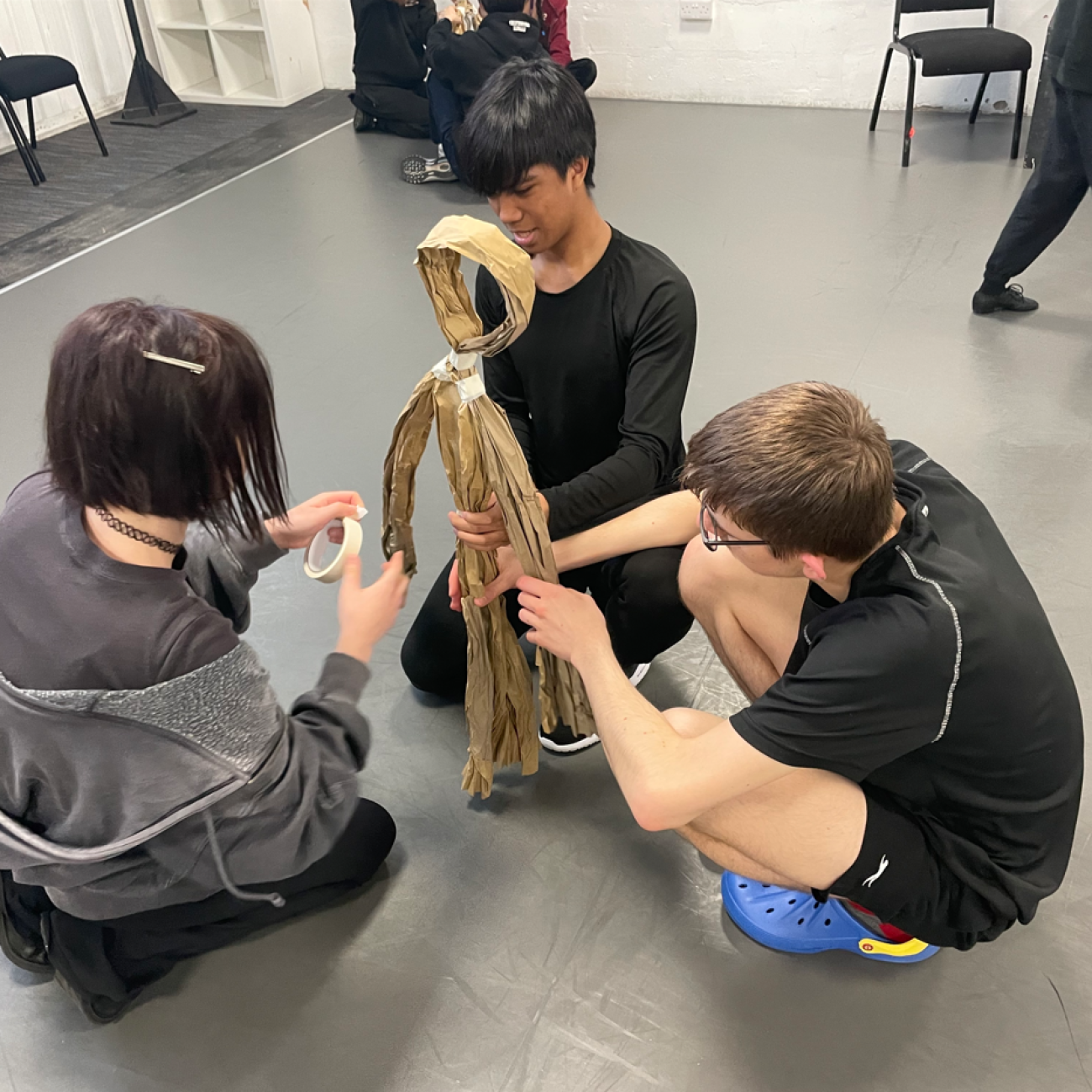
Last week, a representative from Bristol Hippodrome, Casey Lloyd, visited our Performing Arts students to deliver a series of workshops across two days, providing them with invaluable skills, knowledge, and insight into working within such a competitive and dynamic industry.
On the first day, Casey delivered an Exploitation and Networking workshop, giving students an understanding of the best ways to conduct themselves during auditions, interviews, and professional networking opportunities. Students explored how to present themselves confidently and appropriately, with practical examples of what to do and what to avoid in order to make the strongest possible impression. This was an invaluable opportunity for students to learn directly from an industry professional, gaining first-hand advice and guidance that they can apply in the future as they build connections and establish themselves within the Performing Arts sector.
Following this, students took part in a Puppetry masterclass, where they worked collaboratively in groups to create puppets using brown parcel paper. The session explored the teamwork, creativity, and techniques required within puppetry to develop the structure and movement of a character. This engaging and hands-on workshop encouraged students to think creatively and demonstrated how simple materials can be transformed to create compelling theatrical illusions.
On the second day, students participated in Audition workshops, where they were challenged to rehearse and perform a provided monologue, applying the knowledge and skills developed in the classroom to a professional-style audition setting. They received valuable feedback and guidance from Casey, helping them to refine their performance techniques and understand industry expectations. This experience will support students’ future careers by developing their confidence, communication, and employability skills.
The workshops were followed by a Directing and Facilitating session, providing students with practical experience designed to develop their skills in leading, creating, and supporting performances. The session explored how to direct actors, communicate creative ideas, organise rehearsals, explore performance techniques, and make effective artistic decisions.
The facilitating element focused on encouraging collaboration, creativity, and confidence, while creating an inclusive environment where all performers could contribute their ideas. Through activities including improvisation, script work, group exercises, and rehearsal practice, students developed their ability to guide performances while supporting the creative development of others.
These workshops provided significant benefits to students’ personal and professional development, helping them to build confidence, resilience, teamwork, and communication skills that are essential within the performing arts industry. By working alongside an experienced industry professional, students gained a deeper understanding of professional expectations and developed the ability to adapt, collaborate, and respond creatively in a range of performance settings.
Joe Miller, Performing Arts lecturer at Weston College, added, “Collaborations like this are a great way for students to learn from professionals and gain valuable insight regarding the processes and expectations of working in such a competitive industry. These experiences can set them apart and provide them with advice and guidance on how to succeed in the industry. Thank you to Casey for being so engaging with the students and delivering such interactive sessions that will have a lasting impression on our learners!”
Thank you to the Casey and the Bristol Hippodrome for their ongoing support and helping to enrich our student’s future careers.
These workshops forms part of the Performing Arts Careers Excellence Hub. Weston College's Career Excellence Hubs are designed to be the launching pad for our learners' careers. In a world where connections and relevant skills matter more than ever, these hubs offer a holistic approach that prepares learners to thrive in their chosen industries. With the support of these hubs, our learners are well-equipped to make a significant impact in their professional journeys.
Progress to the next level in Performing Arts! At University Centre Weston (UCW) our students give us impressive feedback, with our latest National Student Survey results putting us above average in all nine areas! Find out more about our exceptional teaching, wellbeing services and learning resources by visiting our website. Click here!
If you are passionate about education and are looking for an opportunity to join the staff team at a leading college, then look at the latest job vacancies available at Weston College here. You can find all the latest job opportunities that Weston College has to offer, with a commitment to providing quality education for learners and a focus on continuous professional development for staff, Weston College is an excellent place to work and grow in your career.
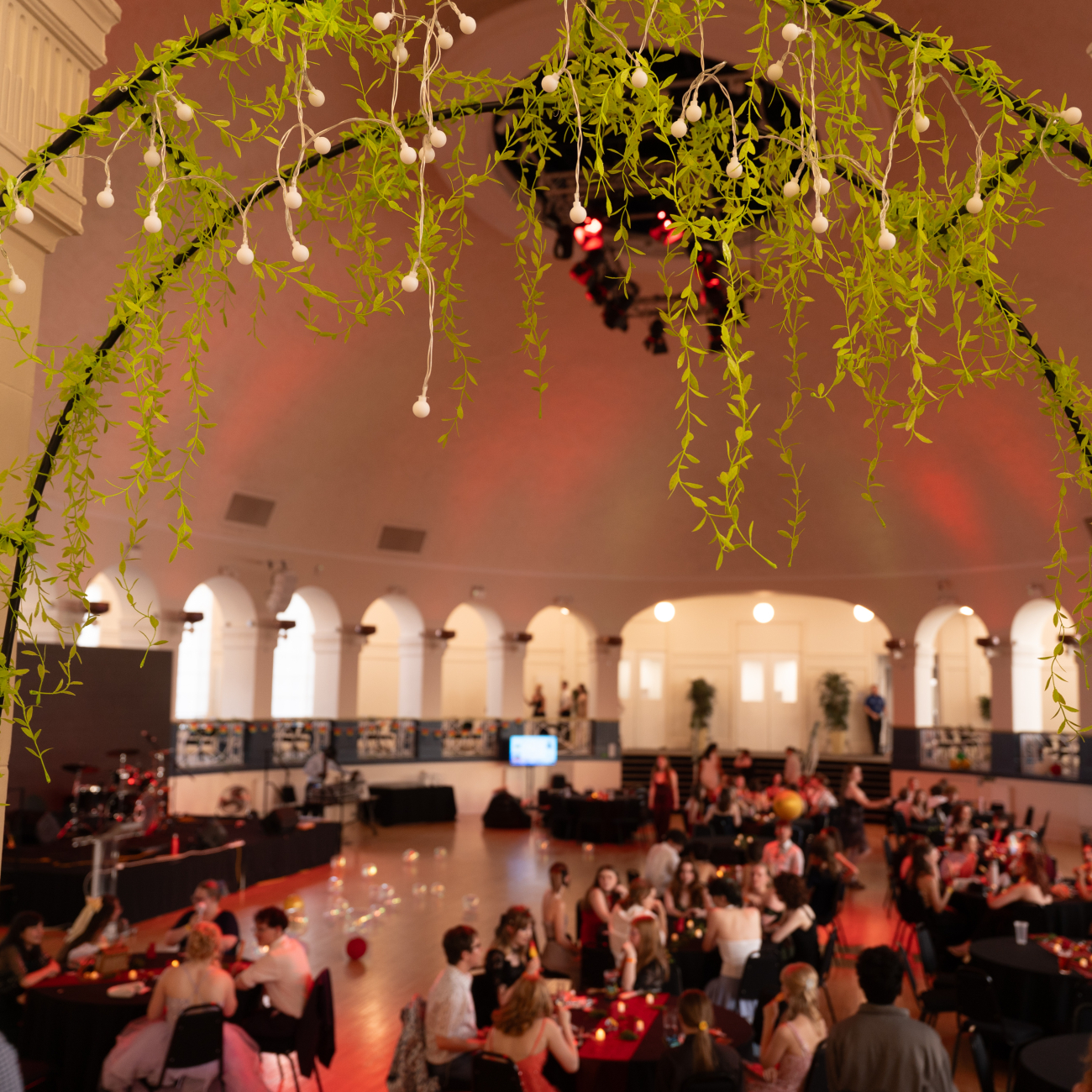
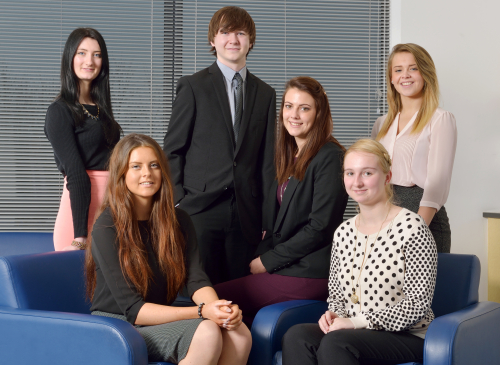
Last week, our A Level students attended the Sixth Form Summer Ball to celebrate the end of the year with friends, enjoying an evening of music, food and activities.
The event gave students the opportunity to unwind after a busy year and spend time together outside of the classroom. It was a chance to recognise everyone’s hard work and dedication, as well as mark the end of the academic year.
The evening included a range of entertainment, much of it organised and led by students. One of our Sixth Form students delivered a DJ set that created an energetic atmosphere, and a group of our Music and Production students performed live throughout the evening, showcasing their talents and keeping the dancefloor busy.
There was also a games corner, featuring a four-player Mario Kart setup and a foosball table, alongside a student-run bingo session that proved popular. With the recent heatwave, food and ice lollies were a welcome addition and helped everyone stay cool.
To capture the evening, both a student photographer and a professional photographer were there to document the event. This was a fantastic opportunity for a Photography student to work in a fast-paced and dynamic environment, giving him the chance to understand the expectations and requirements of working with real-world clients and the individual differences between them.
Events like the Sixth Form Summer Ball play an important role in student life. They give students the chance to strengthen friendships, build confidence and celebrate their achievements outside of their studies. Taking part in organising and running activities also helps students develop skills such as teamwork, leadership and communication, which can support them in their next steps after Sixth Form whether that be university, apprenticeships, or employment.
The Summer Ball was a well-earned celebration that brought students and staff together and recognised the effort everyone has put in throughout the year.
A big thank you to the staff who helped organise the event and made it a great way to round off the year for our students.
This event forms part of the A Levels Careers Excellence Hub. Weston College's Career Excellence Hubs are designed to be the launching pad for our learners' careers. In a world where connections and relevant skills matter more than ever, these hubs offer a holistic approach that prepares learners to thrive in their chosen industries. With the support of these hubs, our learners are well-equipped to make a significant impact in their professional journeys.
If you are passionate about education and are looking for an opportunity to join the staff team at a leading college, then look at the latest job vacancies available at Weston College here. You can find all the latest job opportunities that Weston College has to offer, with a commitment to providing quality education for learners and a focus on continuous professional development for staff, Weston College is an excellent place to work and grow in your career.
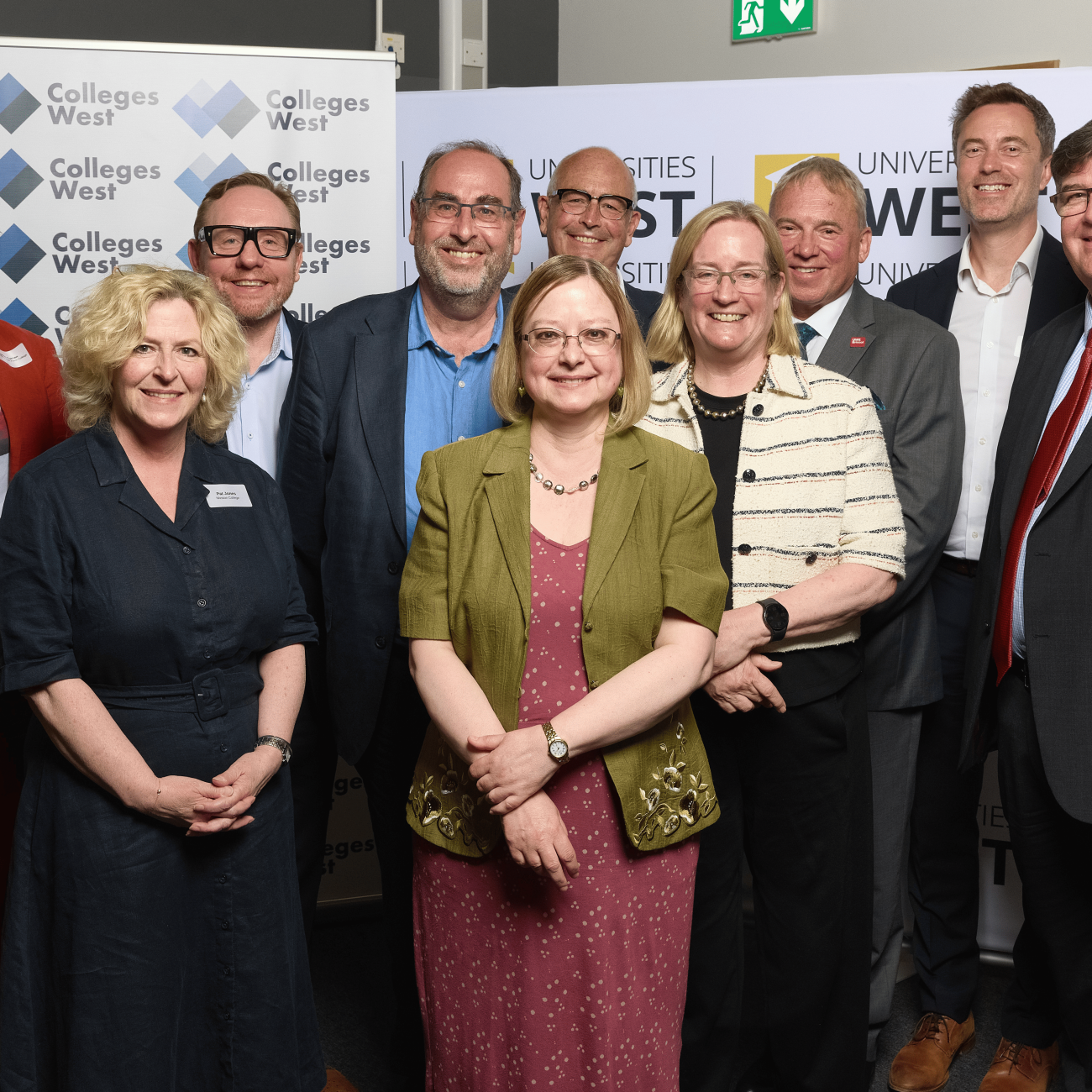
West of England colleges and universities formally launch joint forums to boost skills, growth and opportunity
- Colleges West brings together Bath College, City of Bristol College, SGS College, St Brendan’s Sixth Form College and Weston College
- Universities West comprises Bath Spa University, the University of Bath, the University of Bristol and University of the West of England
Universities West and Colleges West have today announced their formal launch, bringing together the West of England’s universities and colleges through two new regional forums to strengthen collaboration, support economic growth and improve opportunities for learners.
At an event held yesterday at the University of the West of England (UWE Bristol), Colleges West formally signed and declared its Charter, while Universities West signed its Memorandum of Understanding.
The launch took place in the presence of Councillor Tony Dyer, Leader of Bristol City Council and Deputy Mayor of the West of England, and representatives from across the academic, business, and civic community.
Colleges West brings together Bath College, City of Bristol College, SGS College, St Brendan’s Sixth Form College and Weston College. Universities West comprises Bath Spa University, the University of Bath, the University of Bristol, and the University of the West of England.
Together, the institutions teach more than 150,000 students and contribute billions of pounds to the economy. Through the two forums, they will work collectively to open up opportunities for learners, strengthen partnerships with employers and policy makers, and support the West of England’s long-term economic growth.
Futures West, initiated by Business West, will act as the secretariat for both forums. Futures West is a collaboration between businesses and leading universities to drive long-term change for the benefit of the wider West of England Region. In partnership with the Brunel Centre, Futures West promotes evidence-based insights to attract investors and inform policy makers.
The launch event included speeches and a discussion on the role colleges and universities can play in driving economic growth and social mobility across the West of England. The discussion was particularly timely following the publication of the Milburn report on young people and work, and the West of England Mayoral Combined Authority’s (WECA) Skills Strategy, which sets out an ambition for the region to become the country’s first NEET Zero region.
Each forum has agreed a set of tangible objectives, including working alongside WECA to support delivery of the regional Skills Strategy. This involves a shared focus on current and future workforce needs, upskilling, reskilling, and lifelong learning.
Andrea Dell, Director of Futures West at Business West, said: “The West of England region has many things to be proud of, and one is how we collaborate. These two forums are all about working collaboratively, purposefully, and transparently for the benefit of our region and its people.”
Professor Sir Steve West CBE, DL, Chair of Universities West and Vice-Chancellor of the University of the West of England, said: “I’m excited by what Universities West can achieve. By working in partnership, we can help create the right conditions to boost skills, widen opportunity, and support economic growth. This united front reflects the region’s wider commitment to collaboration and to improving outcomes for people and communities across the West of England.”
David Withey, Colleges West Chair, Principal & CEO of SGS College, said: “Colleges in the West of England educate 50,000 learners every year. We are also one of the largest employers in the region, with nearly 3,500 people working to provide the workforce of the future and build a more prosperous and inclusive region where more people can access the opportunities that growth creates.
“We are ambitious for the West of England and for the people who live and work here. Colleges West is a partnership that will enable us to combine our expertise, reach and employer relationships. Working together will help us unlock talent in every community, create clearer pathways into learning and work, and align the skills of our residents with the region’s priorities.”
Helen Godwin, Mayor of the West of England, said: “Our universities and colleges are vital drivers of growth here in the country's fastest-growing regional economy, creating pathways to good jobs for local people, driving innovation, and attracting national and international investment. I warmly welcome the official launch of Universities West and Colleges West, and their commitment to working collaboratively to boost economic growth and create new jobs in the West of England.”
WHICH LEVEL IS RIGHT FOR ME?