




COURSES FOR SCHOOL LEAVERS
Your Future Starts Here
With hundreds of exciting courses, this is where your journey begins. From day one, you'll be supported, inspired, and on track to a rewarding career.
See SubjectsJoin a Career Excellence Hub and gain real-world skills, experience, and confidence to reach your goals.
Whether you're finishing school, changing direction, or learning English with our ESOL courses – we’ve got you covered.
Get started today – pick a subject and apply online in just 5 minutes!

Find Your Future Path

















QUALIFICATIONS EXPLAINED
A Levels develop the knowledge, skills and study habits to excel at university, as well as the attributes recognised by employers.
Your academic studies will be complemented with enrichment opportunities such as trips, mentoring and work experience, providing the perfect springboard for your future career.
A Levels are assessed through exams at the end of two years of study. Most learners study three subjects - some choose four.
With an apprenticeship you’ll go straight into the workplace and be shown clear routes to progress straight into employment within a specific occupation. You can achieve nationally recognised qualifications, earn a wage, and gain skills that will see you get ahead. On average you will spend 20% of your learning time in the college and 80% within the workplace
Professional and technical qualifications are designed to provide you with the knowledge, skills and behaviours needed to gain employment within specific industries or occupations. They provide a balance between theory and practical skills development. They are suited to those who want to get hands-on experience within a particular vocational area. These programmes include work placements. Assessment is more varied and will include exams, coursework and practical work.
T Levels give you the chance to learn what a real career is like while you continue your studies. T Levels have been designed with leading businesses and employers to give you the knowledge and skills you need, including a minimum of 45 days on an industry placement – this means you will spend 80% of your learning time in College and 20% within the workplace.
LATEST NEWS

Are you a lover of languages, eager to gain a qualification in Spanish?
We have some good news!
We are extremely pleased to announce that Spanish A Level will soon be introduced into the curriculum at Weston College Sixth Form.
The new subject will offer students a comprehensive and detailed knowledge of Spanish.
You will develop confident and effective communication skills in Spanish and a thorough understanding of the social issues, trends and politics as well as artistic culture in the Spanish speaking world.
This course is part of our Sixth Form Career Excellence Hubs, which brings you closer to industry than ever before! You will hear from people within the industry, who will equip you with the latest skills, to enhance your future career opportunities.
What does the course involve?
Study subjects include understanding native speakers in spoken and written materials; developing your confidence in self-expression and essay writing and cultural aspects of Spanish-speaking society such as modern-day idols, Spanish regional identity and cultural heritage.
How will the course be assessed?
Exams in your second year.
What future study opportunities and careers are there?
The ability to speak more than one language is highly valued by many universities and employers and can be combined with a number of subjects, leading to careers such as business, tourism, international law, journalism, media or engineering.
More information to follow.
To find out more about our Careers Excellence Hubs (CEH), click here.
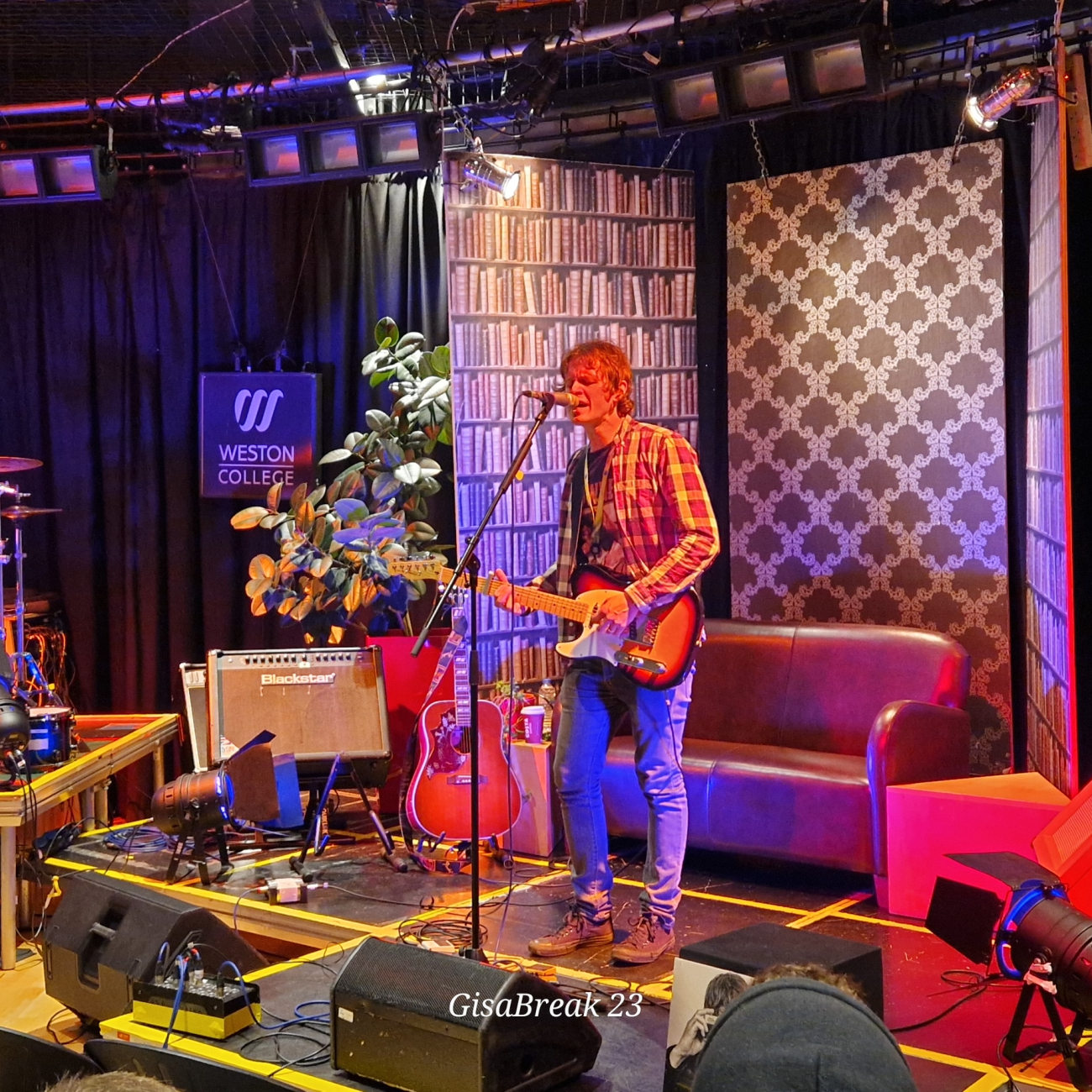
Alex Lipinski is a former Weston College student who has built a vast and impressive career from humble beginnings on the West Country club circuit, to huge audiences across the pond in New York. He recently paid us a visit to deliver a talk about his experiences in the music industry to our Music Performance and Production learners. Students also had the opportunity to interview the talented musician and watch him perform live.
Alex grew up in a musical family being influenced by 60s Rock and Roll music such as the Beatles, Rolling Stones and the Kinks. Alex had a love for writing music and began his journey performing his songs in clubs, bars and for family occasions. The interest in his music has grown greatly, particularly after his recent successful shows at The Borderline. His track ‘Lonesome Train’ was also recently selected by BBC 6 presenter, Tom Robison, as one of his tracks of the week.
He advised to the students is to have their own identity as an artist, writing from the heart and not being too influenced by chart music. Alex expressed originality and creativity is key amongst such a competitive industry, stating:
“The main thing is honesty when writing music...being honest with yourself and thinking what do you want to write about? Who are you as a person or as an artist? What do you want to say? Often people see what’s number 1 in the charts and think ‘ok I’m going to write a song like that because that will be successful.’ It doesn’t really work like that; you can tell that doesn’t mean anything. Having your own identity as a writer and an artist is more valuable than anything.”
He also gave the students some tips on the best way to get their music out onto the scene and to not be disheartened or discouraged when they do not get the responses they expected right away.
Overall, the learners thoroughly enjoyed his visit and hearing from someone who was exactly in their position before going on to achieve success in the industry. Thank you, Alex, for inspiring the next generation of artists!
Find out more about our Music Performance and Production course here.
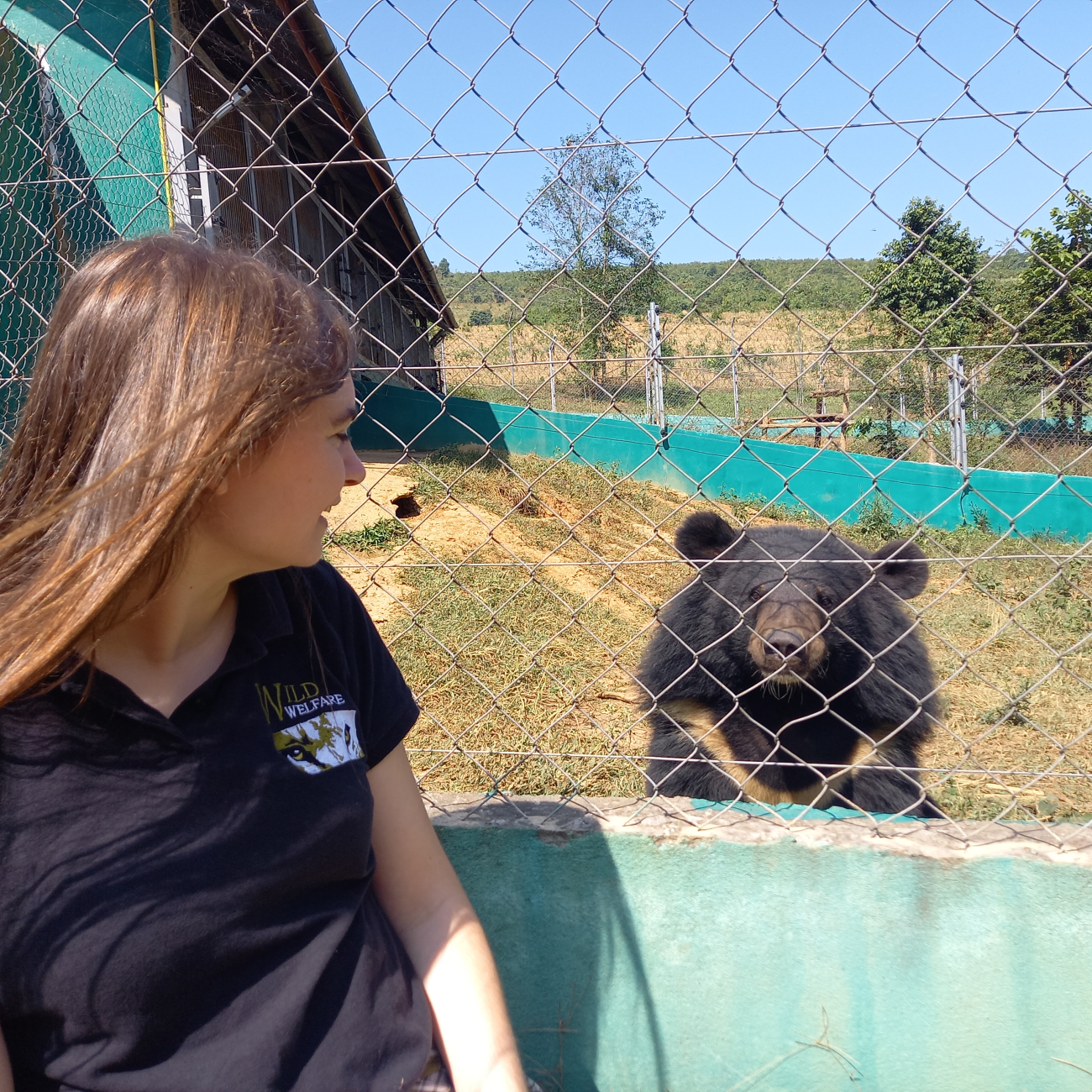
I was already a massive fan of the work that Wild Welfare does years before I started working for them. I’d never come across another charity doing anything like what they were doing, and particularly in the way they were doing it. The problem of poor animal welfare within captive animal facilities such as zoos, aquariums and sanctuaries is widespread and incredibly challenging. Instead of condemnation, Wild Welfare collaborates, working together to drive forward welfare improvements for animals in facilities across the globe. Providing training to animal care staff ensures they have the tools they need to better understand animal welfare and positively impact it through their care practices. The training we provide has proven very effective at achieving this outcome over the 11 years we have been active and being a part of the journey has been phenomenal.
A typical day for me involves a lot of desk work which was a significant change from the years I spent working as a zookeeper, but the impact I know I can have, and the animal welfare issues I am hugely aware of are my driving force. Typical days in the field, however, look very different. We might have meetings with project partners in Vietnam, give presentations at a conference in Indonesia, or conduct welfare audits and make recommendations on where improvements might be made in a facility in Japan. Of course, taking a moment to say hello to the animals is an essential part of the process. The animals make everything worth it but, surprisingly for me, they didn’t turn out to be the best part of my role. Instead it’s the people, and the changes we create within them. Meeting people who are so passionate about the animals under their care, and giving them opportunities to learn more about how to improve animal welfare is intensely gratifying. You can make friends for life, despite the language barriers.
In this line of work it’s not all about the qualifications. Particular personality traits also hold significance. Patience and level-headedness are two critically important attributes because the changes we are creating take time and the sights we sometimes see aren’t pleasant. Reacting in anger or impatience is a sure-fire way to destroy a collaborative relationship which might have taken years to build.
I recently journeyed to Weston College to give a lecture to the students about the differences between animal care and animal welfare, something I had struggled to comprehend myself when I was a keeper. It was fantastic to connect with the students and I hope what we discussed will help with their animal management practices in the future. It was also very encouraging to witness the fundraising efforts which Weston College had initiated. We are a charity after all and cannot create positive changes for animals without financial support so we were hugely grateful to everyone who chooses to get involved with our work via donations to its continuation.
Sarah Bonser-Blake, Animal Welfare Field Manager, Wild Welfare
WHICH LEVEL IS RIGHT FOR ME?