


Previous
Next

COURSES FOR SCHOOL LEAVERS

Your Future Starts Here

With hundreds of exciting courses, this is where your journey begins. From day one, you'll be supported, inspired, and on track to a rewarding career.

See Subjects

Join a Career Excellence Hub and gain real-world skills, experience, and confidence to reach your goals.

Whether you're finishing school, changing direction, or learning English with our ESOL courses – we’ve got you covered.

Get started today – pick a subject and apply online in just 5 minutes!

QUALIFICATIONS EXPLAINED

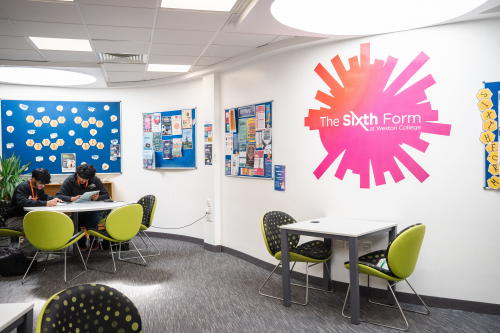
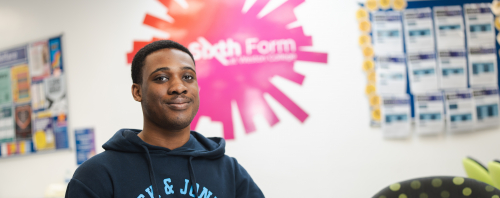
A Levels develop the knowledge, skills and study habits to excel at university, as well as the attributes recognised by employers.

Your academic studies will be complemented with enrichment opportunities such as trips, mentoring and work experience, providing the perfect springboard for your future career.

A Levels are assessed through exams at the end of two years of study. Most learners study three subjects - some choose four.

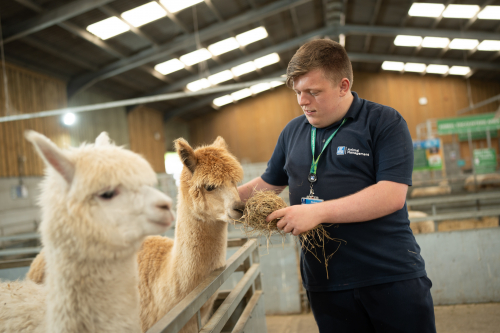
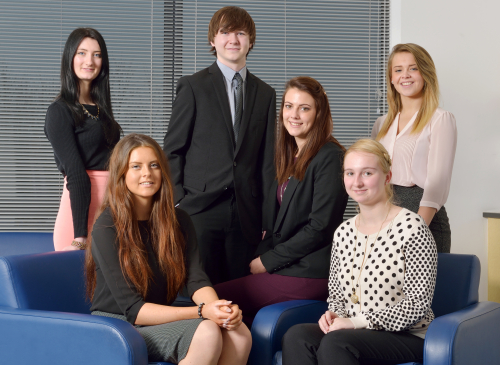
With an apprenticeship you’ll go straight into the workplace and be shown clear routes to progress straight into employment within a specific occupation. You can achieve nationally recognised qualifications, earn a wage, and gain skills that will see you get ahead. On average you will spend 20% of your learning time in the college and 80% within the workplace

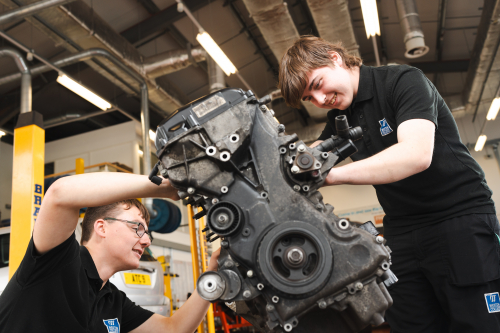
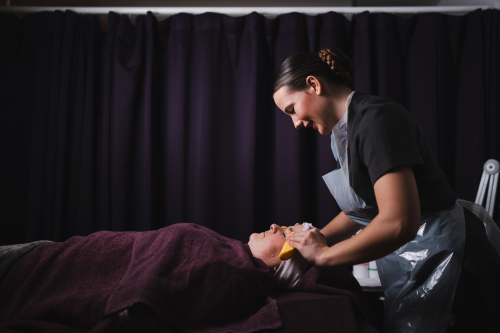
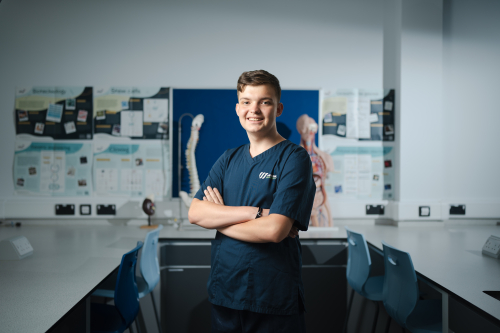
Professional and technical qualifications are designed to provide you with the knowledge, skills and behaviours needed to gain employment within specific industries or occupations. They provide a balance between theory and practical skills development. They are suited to those who want to get hands-on experience within a particular vocational area. These programmes include work placements. Assessment is more varied and will include exams, coursework and practical work.

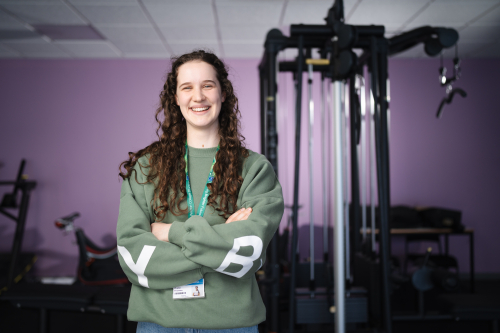
T Levels give you the chance to learn what a real career is like while you continue your studies. T Levels have been designed with leading businesses and employers to give you the knowledge and skills you need, including a minimum of 45 days on an industry placement – this means you will spend 80% of your learning time in College and 20% within the workplace.

LATEST NEWS

fn

Fake news is a term used to describe any news item that presents false information as facts in an attempt to make you believe a certain thing or react in a certain way. It is most often associated with politics, after coming to prominence during the 2016 American election.

Sometimes legitimate news outlets can get things wrong, but the difference between this and fake news is that fake news deliberately tries to mislead or provoke a reaction in the reader. If you’re a social media user, chances are you’ve read a fake news story without even knowing it. Here are some ways you can spot whether a news story is fake…

Check the website

Not all news sites are legitimate, and if you don’t recognise the website or haven’t heard of the publication before, then you should give the article extra scrutiny. Check the URL to make sure that you are reading from a trusted site, as some fake news sites use similar (but not identical) URLs to mainstream news organisations.

If the news is on social media in the form of a Facebook post or tweet which doesn't have evidence to back itself up, treat it with extra caution. In one month in 2018, over 45,000 Facebook posts were identified as fake news, spread by automated accounts to cause confusion and propaganda. Even if the Facebook post contains a video or an image, it is fairly simple to misrepresent the situation or even doctor the image to suit the post's political purpose. Always check out where the post comes from. It is usually easy to determine whether the news is reliable or not by looking at other posts from the account. If one of your friends shares news that you think is fake, point it out!

Is there a sensational headline?

Many fake news sites earn money by getting you to click on headlines, others know that most people who see the article on social media will only read the headline, and use a sensational headline to prompt the reader to share the article to a wider audience. If the article has an outrageous title, or a wild claim that makes you want to click to read more, look beyond the first few lines and try to find the evidence behind the claim. Remember, if it an outrageous claim that seems too outlandish to be true - it probably isn't.

Is it editorial?

Editorial is a type of news commentary that many legitimate news sources publish, but the key is to remember that it is a person’s opinion and might not take into account evidence which conflicts with their views. Similarly, if the article you’re reading is written like a news report but has opinions in it which aren’t quotes, then the article is probably biased. All respected news sources present news in an unbiased form and allow the reader to make up their own minds on an issue.

Examine the content

Many news organisations, real or fake, attempt to be the first to ‘break’ a news story in order to remain relevant in a highly-competitive market. If the article you’re reading seems rushed, has spelling mistakes, has an incorrect date, or anonymous sources, bear in mind that this news article might not have had time for all of the facts to be checked. Poor spelling, grammar and vocabulary on older articles may indicate that the item you are reading comes from an unreliable news outlet.

Where does the news come from?

Most news articles will have a ‘source’ for their information. Sometimes this source is named but other times the source is anonymous. Naming a source is a good indication that the news is real, as the person is willing to go on record and put their reputation at stake to break the news; however bear in mind that fake news sites often lie about their sources. To find out whether an article is properly sourced, check the named source’s social media for similar commentary and look to see if other news outlets are reporting on the same comments.

There are many legitimate reasons why sources choose to remain anonymous, so you don’t have to immediately discredit sources without a name - but bear in mind that without more information the source could be anyone.

Weston College has welcomed students from a number of local secondary schools on an enrichment project to give them a taste of the hospitality industry.

Students from Priory, Worle, Broadoak, and Hans Price schools came to the College over the last four weeks to learn about cooking on a Catering Enrichment Project set up by the College’s school partnerships team.

The project came to a close with a large celebration, where the students cooked a full three-course meal for their family and teachers in Weston College’s Grove Training Restaurant. Over the duration of the project, they were guided and taught by Weston College staff who have helped them find out what it’s really like to work in the industry.

The students cooked a delicious meal consisting of soup to start, followed by chicken chasseur, and then chocolate brownie for dessert. They all worked together as a team to produce the meal, as they would in a real-life restaurant.

Sandra Bull, Area Manager of Hair, Beauty, Hospitality and Catering at Weston College, said: “We are always excited to welcome budding young chefs into the College! As our facilities are all commercial standard, it’s an excellent opportunity for them to get a real feel for what working in the industry is actually like.

“The hospitality and catering industry is growing so quickly that it’s important to show young people how enjoyable and fulfilling a career in the industry can be. We offer plenty of courses to help them on their way, too!”

See our full gallery of images below!

School link catering

Big White Wall Mental Health

Thursday 1st February was national ‘Time to Talk’ day, dedicated to encouraging everyone across the country to begin opening up and starting important conversations about Mental Health. As part of this, Weston College launched a new exciting partnership with an online support service called ‘Togetherall’.

All Weston College students can now access free online support with Togetherall (www.togetherall.com). Whether students are struggling to sleep, feeling low, stressed or not coping, Togetherall can help them get support, take control and feel better. At any time of the day, all around the clock.

Togetherall provides 24/7 online peer and professional support in addition to providing a safe space online to get things off your chest, explore your feelings and learn how to improve and self-manage your mental health and wellbeing. It is run and monitored by professional psychiatrists and allows the College’s students to explore ways to better manage stress, worry and general wellbeing.

To sign in, all students have to do is use their Weston College log in. The College has invested in a year’s subscription to this service, and is one of only 13 pioneering colleges in the country to do so.

Georgie Amos-Ford, Lead Specialist Practitioner in Mental Health at Weston College, said: “Togetherall reflects the changing dynamics of the mental health needs of students’ and allows a proactive approach to positive wellbeing. Mental Health needs arise 24/7 and Big White Wall provides support for students outside of college hours utilising the technology that is so familiar to them.

“We hope that Togetherall will have a big impact within the college and allow all of our learners to reach their full potential, emotionally and academically.”

For more information, go to: www.togetherall.com

WHICH LEVEL IS RIGHT FOR ME?

arrow icon arrow icon

Got a question?

Whatever you'd like to know, we're here to help...

Apply or find out more


Marketing Permissions

We’d love to keep you informed about vacancies, courses, and updates we think you’ll find valuable. You can unsubscribe or opt out at any time.
Your personal information will be handled in accordance with our Privacy Policy.

Please let us know how you’d like to hear from us:

Email

By submitting this form you are consenting to Weston College recording and processing the personal information on this form, for any purposes of the college associated with the provision of advice and guidance to potential students on the range of courses available to them, college facilities and any other associated information. In accordance with the Data Protection Act 2018, the information will only be used for the above mentioned purposes.

You will need to complete a full enrolment form prior to starting your course.

CAPTCHA
This question is for testing whether or not you are a human visitor and to prevent automated spam submissions.
fn

Fake news is a term used to describe any news item that presents false information as facts in an attempt to make you believe a certain thing or react in a certain way. It is most often associated with politics, after coming to prominence during the 2016 American election.

Sometimes legitimate news outlets can get things wrong, but the difference between this and fake news is that fake news deliberately tries to mislead or provoke a reaction in the reader. If you’re a social media user, chances are you’ve read a fake news story without even knowing it. Here are some ways you can spot whether a news story is fake…

Check the website

Not all news sites are legitimate, and if you don’t recognise the website or haven’t heard of the publication before, then you should give the article extra scrutiny. Check the URL to make sure that you are reading from a trusted site, as some fake news sites use similar (but not identical) URLs to mainstream news organisations.

If the news is on social media in the form of a Facebook post or tweet which doesn't have evidence to back itself up, treat it with extra caution. In one month in 2018, over 45,000 Facebook posts were identified as fake news, spread by automated accounts to cause confusion and propaganda. Even if the Facebook post contains a video or an image, it is fairly simple to misrepresent the situation or even doctor the image to suit the post's political purpose. Always check out where the post comes from. It is usually easy to determine whether the news is reliable or not by looking at other posts from the account. If one of your friends shares news that you think is fake, point it out!

Is there a sensational headline?

Many fake news sites earn money by getting you to click on headlines, others know that most people who see the article on social media will only read the headline, and use a sensational headline to prompt the reader to share the article to a wider audience. If the article has an outrageous title, or a wild claim that makes you want to click to read more, look beyond the first few lines and try to find the evidence behind the claim. Remember, if it an outrageous claim that seems too outlandish to be true - it probably isn't.

Is it editorial?

Editorial is a type of news commentary that many legitimate news sources publish, but the key is to remember that it is a person’s opinion and might not take into account evidence which conflicts with their views. Similarly, if the article you’re reading is written like a news report but has opinions in it which aren’t quotes, then the article is probably biased. All respected news sources present news in an unbiased form and allow the reader to make up their own minds on an issue.

Examine the content

Many news organisations, real or fake, attempt to be the first to ‘break’ a news story in order to remain relevant in a highly-competitive market. If the article you’re reading seems rushed, has spelling mistakes, has an incorrect date, or anonymous sources, bear in mind that this news article might not have had time for all of the facts to be checked. Poor spelling, grammar and vocabulary on older articles may indicate that the item you are reading comes from an unreliable news outlet.

Where does the news come from?

Most news articles will have a ‘source’ for their information. Sometimes this source is named but other times the source is anonymous. Naming a source is a good indication that the news is real, as the person is willing to go on record and put their reputation at stake to break the news; however bear in mind that fake news sites often lie about their sources. To find out whether an article is properly sourced, check the named source’s social media for similar commentary and look to see if other news outlets are reporting on the same comments.

There are many legitimate reasons why sources choose to remain anonymous, so you don’t have to immediately discredit sources without a name - but bear in mind that without more information the source could be anyone.

Weston College has welcomed students from a number of local secondary schools on an enrichment project to give them a taste of the hospitality industry.

Students from Priory, Worle, Broadoak, and Hans Price schools came to the College over the last four weeks to learn about cooking on a Catering Enrichment Project set up by the College’s school partnerships team.

The project came to a close with a large celebration, where the students cooked a full three-course meal for their family and teachers in Weston College’s Grove Training Restaurant. Over the duration of the project, they were guided and taught by Weston College staff who have helped them find out what it’s really like to work in the industry.

The students cooked a delicious meal consisting of soup to start, followed by chicken chasseur, and then chocolate brownie for dessert. They all worked together as a team to produce the meal, as they would in a real-life restaurant.

Sandra Bull, Area Manager of Hair, Beauty, Hospitality and Catering at Weston College, said: “We are always excited to welcome budding young chefs into the College! As our facilities are all commercial standard, it’s an excellent opportunity for them to get a real feel for what working in the industry is actually like.

“The hospitality and catering industry is growing so quickly that it’s important to show young people how enjoyable and fulfilling a career in the industry can be. We offer plenty of courses to help them on their way, too!”

See our full gallery of images below!

School link catering

Big White Wall Mental Health

Thursday 1st February was national ‘Time to Talk’ day, dedicated to encouraging everyone across the country to begin opening up and starting important conversations about Mental Health. As part of this, Weston College launched a new exciting partnership with an online support service called ‘Togetherall’.

All Weston College students can now access free online support with Togetherall (www.togetherall.com). Whether students are struggling to sleep, feeling low, stressed or not coping, Togetherall can help them get support, take control and feel better. At any time of the day, all around the clock.

Togetherall provides 24/7 online peer and professional support in addition to providing a safe space online to get things off your chest, explore your feelings and learn how to improve and self-manage your mental health and wellbeing. It is run and monitored by professional psychiatrists and allows the College’s students to explore ways to better manage stress, worry and general wellbeing.

To sign in, all students have to do is use their Weston College log in. The College has invested in a year’s subscription to this service, and is one of only 13 pioneering colleges in the country to do so.

Georgie Amos-Ford, Lead Specialist Practitioner in Mental Health at Weston College, said: “Togetherall reflects the changing dynamics of the mental health needs of students’ and allows a proactive approach to positive wellbeing. Mental Health needs arise 24/7 and Big White Wall provides support for students outside of college hours utilising the technology that is so familiar to them.

“We hope that Togetherall will have a big impact within the college and allow all of our learners to reach their full potential, emotionally and academically.”

For more information, go to: www.togetherall.com