




COURSES FOR SCHOOL LEAVERS
Your Future Starts Here
With hundreds of exciting courses, this is where your journey begins. From day one, you'll be supported, inspired, and on track to a rewarding career.
See SubjectsJoin a Career Excellence Hub and gain real-world skills, experience, and confidence to reach your goals.
Whether you're finishing school, changing direction, or learning English with our ESOL courses – we’ve got you covered.
Get started today – pick a subject and apply online in just 5 minutes!

Find Your Future Path
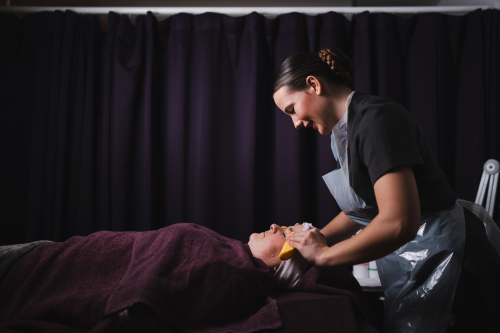



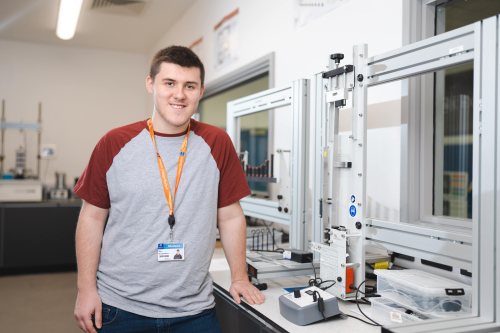









QUALIFICATIONS EXPLAINED
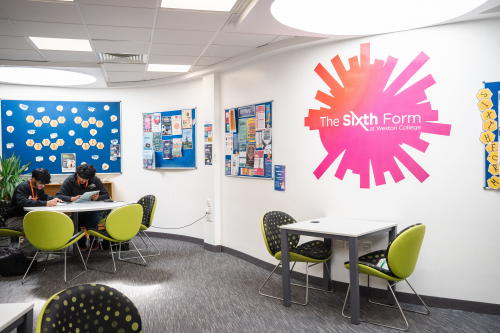
A Levels develop the knowledge, skills and study habits to excel at university, as well as the attributes recognised by employers.
Your academic studies will be complemented with enrichment opportunities such as trips, mentoring and work experience, providing the perfect springboard for your future career.
A Levels are assessed through exams at the end of two years of study. Most learners study three subjects - some choose four.
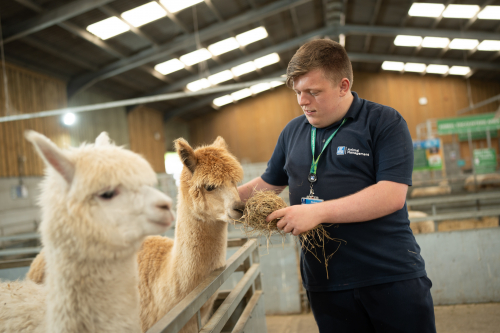
With an apprenticeship you’ll go straight into the workplace and be shown clear routes to progress straight into employment within a specific occupation. You can achieve nationally recognised qualifications, earn a wage, and gain skills that will see you get ahead. On average you will spend 20% of your learning time in the college and 80% within the workplace
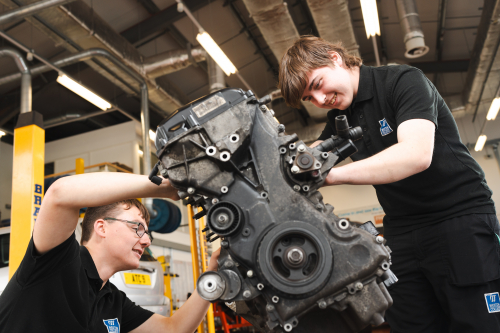
Professional and technical qualifications are designed to provide you with the knowledge, skills and behaviours needed to gain employment within specific industries or occupations. They provide a balance between theory and practical skills development. They are suited to those who want to get hands-on experience within a particular vocational area. These programmes include work placements. Assessment is more varied and will include exams, coursework and practical work.
T Levels give you the chance to learn what a real career is like while you continue your studies. T Levels have been designed with leading businesses and employers to give you the knowledge and skills you need, including a minimum of 45 days on an industry placement – this means you will spend 80% of your learning time in College and 20% within the workplace.
LATEST NEWS
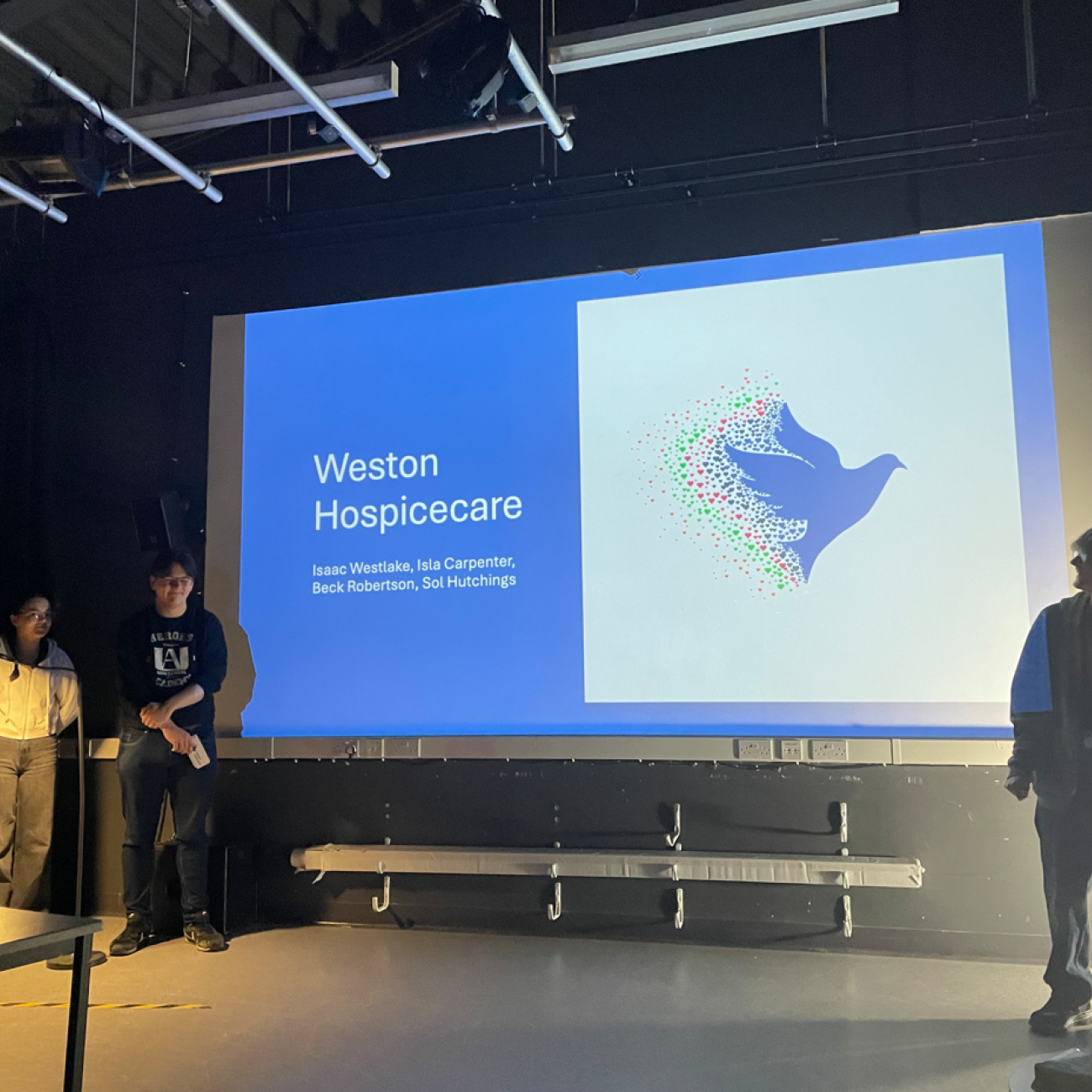
Earlier this month, our Media and Communications students presented their Community Charity Projects that they have been developing throughout this term. Working in partnership with local charities and organisations, they created promotional content to help promote vital services within the community. This project provided students with invaluable experience in building professional client relationships and producing purposeful, industry-ready content for a range of platforms.
Students were given a detailed brief, requiring them to create content tailored to a specific target audience. Each project highlighted the organisation’s unique selling points and clearly communicated its services. As part of the brief, students produced both long-form and short-form video content for social media, alongside graphics and promotional materials such as posters, business cards, and branded merchandise. They also reflected on the creative and strategic decisions behind their work.
Each group was partnered with a local charity or organisation, including In Charley’s Memory, Wrington Vale Rotary Club, North Somerset LGBT Forum, Race Equality North Somerset (RENS), Wessex Learning Trust, Weston Bay, Weston Hospicecare, and Bristol Menopause & Well Women Clinic. These organisations support a diverse range of individuals and play an essential role within the community. While the project enabled students to gain first-hand experience working with real clients, it also provided the charities with high-quality promotional resources free of charge.
Students worked independently to capture footage on location, gathering B-roll and conducting interviews to create engaging and informative videos tailored to their target audiences. They demonstrated professionalism and initiative when liaising with participants, ensuring all consent forms were completed and ethical guidelines followed.
These presentations were delivered to lecturers, peers, and members of Weston College’s Executive Team. Students confidently showcased their creative processes, explained the rationale behind their decisions, and reflected on the professional relationships they developed with their assigned organisations. They demonstrated how their chosen direction aligned with the organisation’s goals and intended outcomes.
The quality of work produced was exceptional, with many organisations planning to use the content in future marketing campaigns. Throughout the process, students developed a deeper understanding of time management and project planning, with some experiencing the realistic challenge of communicating with clients while balancing tight deadlines.
This project offered a fantastic opportunity for students to strengthen their portfolios while enhancing key employability skills, including adaptability, communication, teamwork, leadership, and accountability. It provided meaningful insight into the challenges and rewards of working with external clients, preparing them for careers in the dynamic and fast-paced media industry.
Gina Hele, Head of Media, Game & Animation and Photography at Weston College, said, “It was fantastic to see the innovative and impactful work our students created for the local community. Projects like this not only give students real-world experience and professional confidence, but they also make a genuine difference to local organisations by providing them with high-quality promotional content they can continue to use and benefit from.”
A huge well done to all the students. The work produced was fantastic and an excellent demonstration of the relationships fostered with local organisations.
This project forms part of the Media and Communications Careers Excellence Hub. Weston College's Career Excellence Hubs are designed to be the launching pad for our learners' careers. In a world where connections and relevant skills matter more than ever, these hubs offer a holistic approach that prepares learners to thrive in their chosen industries. With the support of these hubs, our learners are well-equipped to make a significant impact in their professional journeys.
Progress to the next level in Film and Media Production! At University Centre Weston (UCW) our students give us impressive feedback, with our latest National Student Survey results putting us above average in all nine areas! Find out more about our exceptional teaching, wellbeing services and learning resources by visiting our website. Click here!
If you are passionate about education and are looking for an opportunity to join the staff team at a leading college, then look at the latest job vacancies available at Weston College here. You can find all the latest job opportunities that Weston College has to offer, with a commitment to providing quality education for learners and a focus on continuous professional development for staff, Weston College is an excellent place to work and grow in your career.
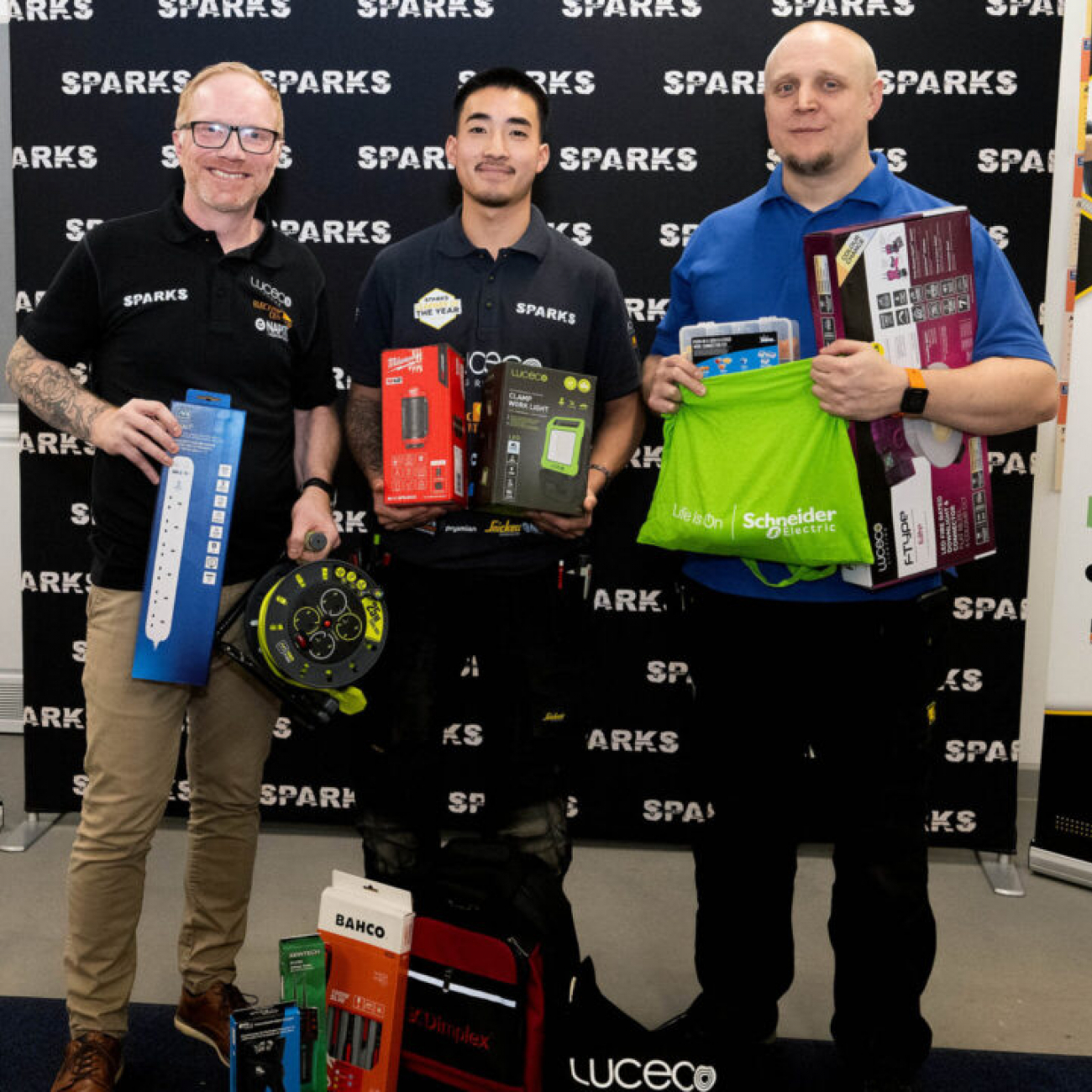
To celebrate National Apprenticeship Week, we caught up with three of our apprentices to hear all about their apprenticeship experiences.
What is your name and what apprenticeship are you currently doing?
Tautvyde: My name is Tautvyde Kudarauskaite, though I’m also known as Toad. I am currently in the first year of my Level 4 Technical Apprenticeship with Airbus, specialising in Quality.

Joshua: My name is Joshua Reynolds‑Hailing. I am a Marketing Apprentice at Elborough Care Services, and I am studying a Level 3 Multi‑Channel Marketing apprenticeship with Weston College.
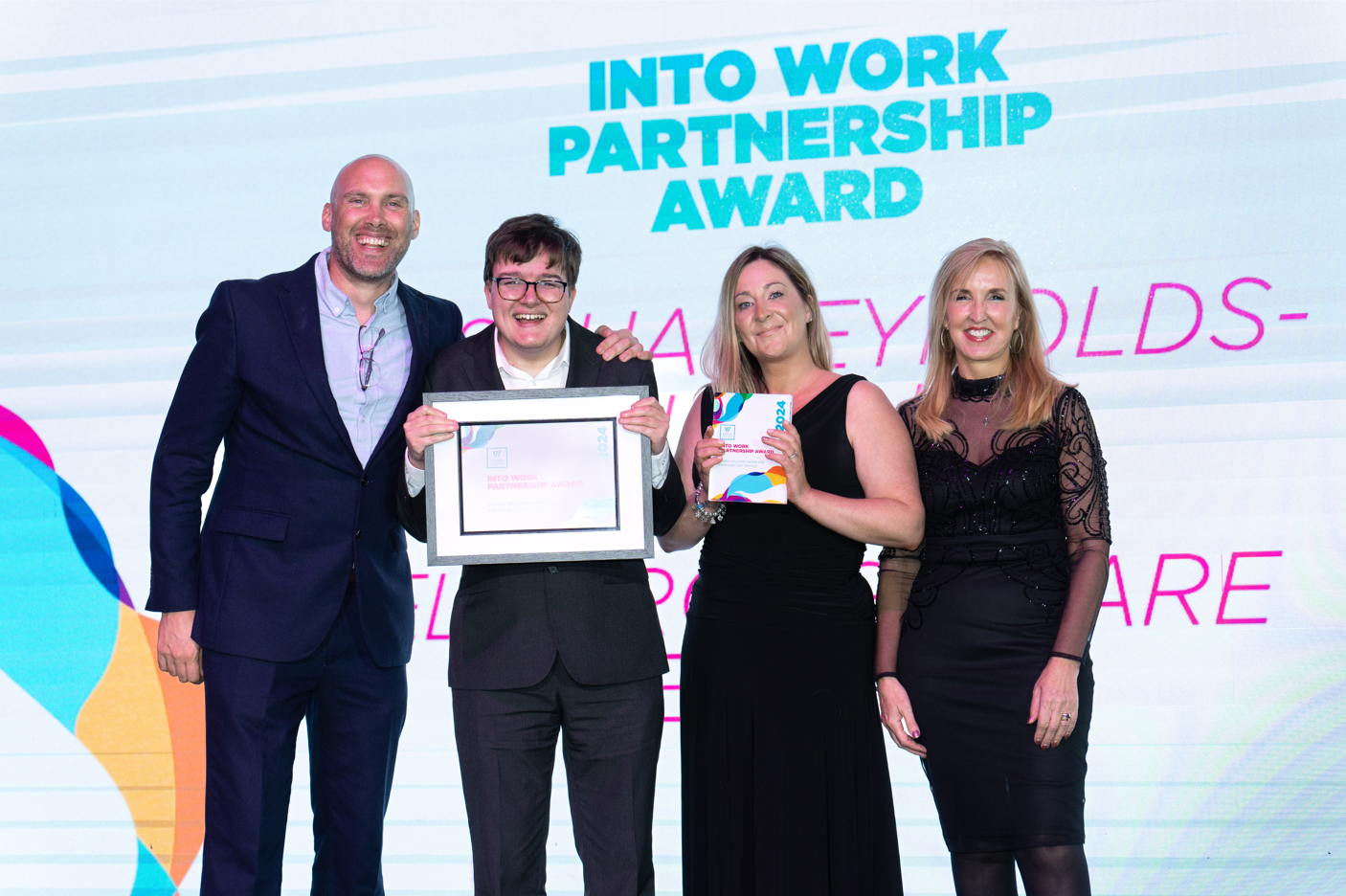
Marcus: My name is Marcus Pan and I’m doing an electrical apprenticeship. I work for Holden electrical.
What type of tasks are you required to do in your current role?
Tautvyde: This apprenticeship is built on four years of continuous, fast-paced learning. I rotate placements every 3–6 months, which means as soon as I’m comfortable in one area, I’m moving on to the next challenge. While moving teams frequently might seem daunting, Airbus ensures we have the time to integrate properly before we’re expected to contribute. This structure offers me new learning every single week, which I’d never give up for something repetitive.
Joshua: In my role I help with a range of marketing tasks. This includes collecting data, creating content, supporting campaigns, and using Customer Relationship Management and analytics to keep everything organised. It’s a mix of creative, analytical, and practical work that all supports my multi‑channel marketing.
Marcus: I do mainly domestic electrical work like rewires and extensions but I’ve also done some commercial jobs in schools and offices.
What are some of the main skills you have learned so far, and how will they help your future career?
Tautvyde: The biggest lesson so far has been patience. In an industry as massive as aerospace, it takes time to get the "knack" of how things work. By being patient, I’ve learned not to over-promise on tasks I can’t yet deliver, which makes my progress feel stable and authentic, while also learning not to feel disappointed when I can’t master everything during a single placement.
This patient approach feeds directly into my work with teamwork and problem-solving. In Quality, we are at the center of complex, evolving issues that don't have easy answers. By understanding my own current strengths and being honest about my weaknesses, I can contribute more effectively to the team rather than feeling like I have to carry the weight of a solution all by myself. Aerospace is never as straightforward as it seems, it’s a giant puzzle, and developing that analytical, collaborative mindset early on is invaluable for tackling the issues that arise on the shop floor.
Joshua: I have learnt strong project management skills, using planning tools to organise tasks, manage timelines, and work with different teams. This has shown me how important clear communication and structured planning are when delivering campaigns.
Data has also been a big part of my learning. I have built skills in analysing performance, preparing reports, and using insights to improve future work. I have also used survey and research tools to gather audience feedback, such as running monthly quizzes and engagement surveys.
Creatively, I have improved my copywriting and learnt how to adapt tone and messaging for different audiences. Working on Elborough Care Services YouTube channel has helped me develop skills in content planning, scripting, and understanding how people engage with videos. I have also gained experience designing marketing materials using specialist software, making sure everything is visually engaging and on brand.
I have supported multi‑channel campaigns across social media, websites, email, and video. Using a content management system, I have published text, images, and videos while making sure everything is accurate, accessible, and aligned with campaign goals.
Marucs: Some of the main skills I’ve learned so far is communication, problem solving and planning. Throughout my apprenticeship I’ve had to communicate with colleagues and customers so my communication skills have improved. While working you sometimes face problems and have to think quick on how to overcome the problems.
Are there any standout successes you’d like to describe?
Tautvyde: The standout for me is the sheer volume of opportunities available outside of my primary job description. I’ve volunteered for college open evenings, the Airbus-led Flying Start Challenge, and various career talks. Most notably, I am currently the only Apprentice Ambassador at Weston College, where I represent my entire cohort by providing direct feedback to improve the apprenticeship experience. Being able to represent both my peers and the company while showing future students that engineering is a feasible, exciting career path brings me a lot of fulfillment.
I also get the chance to participate in many sustainability talks, which is a topic incredibly important to me. It has really deepened my understanding of the global impact a company of this scale can have. Being involved in these discussions allows me to see how we can make a positive difference in the world, giving me a real sense of pride knowing that my own values align with the company I work for.
Joshua: My apprenticeship has helped me grow into a well‑rounded marketer with strong analytical skills, creative confidence, and technical ability. I have become more independent, reliable, and ready to contribute professionally to the organisation.
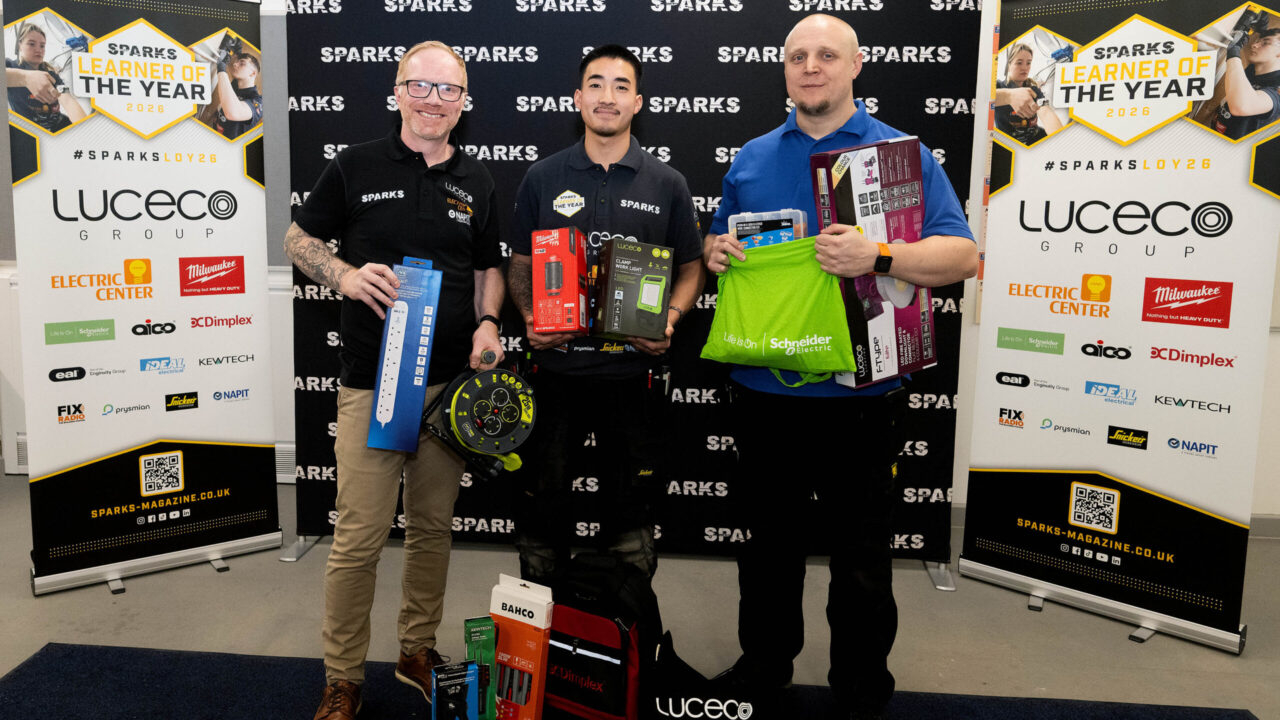
Marcus: During my apprenticeship I was given the chance to enter the regional sparks competition and won.
What support have you received during your apprenticeship?
Tautvyde: The support structure is one of the best parts of this route. I have a network of managers, which is a huge advantage-I always know exactly who to go to for specific queries without feeling like I’m "bombarding" one specific person. Between my Assessor for college work, an HR Manager for employment matters, an Apprentice Manager for the overall scheme, and my individual Placement Managers, I am never without a point of contact. This rotation ensures that you’re always supported by someone you connect with.
Joshua: I have received support from my mentors at Elborough Care Services. I also have received specialist support, Autonome Support with my independence, and my tutor Georgie has been a big help through our monthly sessions and regular contact on Teams.
All of this support has helped me stay on track and develop my skills throughout the apprenticeship.
Marcus: I’ve learned a lot with my company and they’ve helped me get to where I am today.
What part of your apprenticeship do you enjoy the most?
Tautvyde: Honestly, it’s the freedom of not having to have my entire life figured out yet. These four years are designed for discovery. Airbus is incredible at providing "extracurricular" growth—whether it’s joining unions, attending high-level training, or participating in company events. You aren't just a number, you’re an investment. The sheer amount of resources Airbus pours into our development makes me incredibly proud to work here and confident that I’ll be fully prepared for a permanent role whatever that may be.
Joshua: I have enjoyed every part of my apprenticeship. Continuing from my internship into an apprenticeship with Elborough Care Services has been a great experience. I have enjoyed working with Georgie as my tutor, Alison as my support specialist, and Autonome for my personal development.
I have also enjoyed learning new skills and taking on projects I never thought I would do, such as branding, advertising, data analysis and learning new skills that will benefit me within the future such as communication, and teamwork.
Marcus: What I enjoy most about my apprenticeship is the people who I work with as we are all close and working feels fun.
Do you have any ideas of what you want to do after your apprenticeship?
Tautvyde: Not yet, and I’ve learned that’s perfectly okay. Being in the first year, there is zero pressure to have a final destination in mind. The whole point of this journey is to spend time figuring out what I enjoy and where I excel.
Joshua: I would like to continue my marketing journey, either by staying with Elborough Care Services or by building a successful YouTube career. My goal is to create content that makes people smile and develop branding that stands out online.
Marcus: After my apprenticeship the main goal is to start my own company.
Would you recommend others to do an apprenticeship?
Tautvyde: I am a huge advocate for this path. If you want a route that leaves you with zero debt, a massive amount of industry experience, and high-standard qualifications, an apprenticeship is the way to go. There is no "catch"—it really is as good as it sounds.
My biggest piece of advice is to not talk yourself out of applying just because you feel you lack experience. At this stage, companies like Airbus aren't looking for a finished product, they are looking for a bright personality, a curiosity for how things work, and a genuine eagerness to learn.
However, don't just take any apprenticeship because of the benefits or the 'no debt' factor. Long-term satisfaction comes from working for a company that brings you fulfilment and aligns with your true self. Research, research, and research again. Look into the company's values, their sustainability goals, and how they treat their people. Never settle for just any role, find the one where you’ll be proud to wear the badge every day.
Joshua: I strongly recommend apprenticeships as they are a great way to develop skills, gain real experience, and progress in your chosen career. They offer hands‑on learning alongside high‑quality training, helping you build industry knowledge while earning a wage.
Apprentices also receive regular support, feedback, and guidance, which is ideal for people who prefer learning by doing rather than only classroom studying.
If you are thinking about doing an apprenticeship, I would recommend researching your options and looking at the resources available on the Weston College website. This will help you decide whether an apprenticeship is the right path for you.
Marcus: I would definitely recommend an apprenticeship as you get paid to learn. Even though the pay might not be a lot it’s still great to be paid for learning.
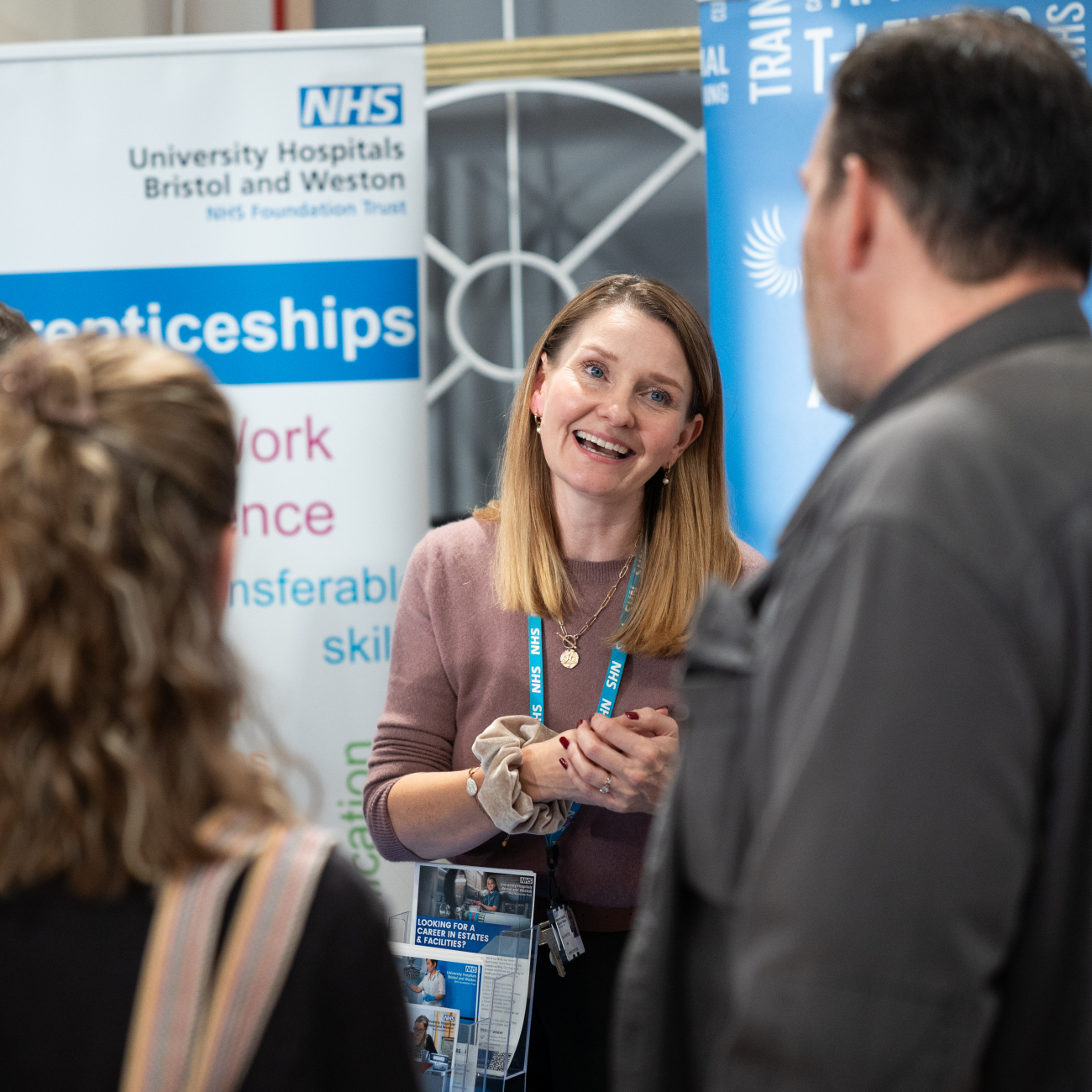
This National Apprenticeship Week, we spoke to University Hospitals Bristol and Weston NHS Foundation Trust (UHBW) about how their apprenticeships are shaping careers!
UHBW Blog -
At University Hospitals Bristol and Weston NHS Foundation Trust, we’re proud to work in partnership with Weston College and University Centre Weston to offer a wide range of apprenticeship opportunities that help learners build meaningful careers while gaining hands-on experience in the workplace.
Apprenticeships are a vital part of how we grow our workforce, develop talent, and support individuals to reach their full potential. We currently offer a broad range of Level 2 and Level 3 apprenticeships across many essential sectors, including Nursing, Nursing Associate, Healthcare Support Worker (HCSW), Electrician, Carpentry, Hospitality, Occupational Therapy and potentially Physiotherapy. This diverse offer means learners from different backgrounds and interests can find a pathway that suits their ambitions, whether they are drawn to clinical care, technical trades, or support services.
Our apprentices learn in an active, real-world workplace where they can develop skills alongside experienced professionals. Typically, learners spend one day per week studying, with the remainder of the week working in their role within UHBW. This blend of practical experience and structured learning allows apprentices to apply knowledge immediately, while receiving guidance from both their employer and Weston College or UCW. On successful completion, apprentices gain a recognised qualification, setting them up for future career progression.
At UHBW, we value attitude as much as qualifications. We look for people who are enthusiastic, willing to learn, and able to advocate for themselves in order to maximise learning opportunities. If you’re curious, proactive, and ready to grow, you’ll fit right in.
We regularly see apprentices thrive at UHBW. One standout example is a Healthcare Support Worker apprentice who was invited to appear on a podcast to share their experiences, highlighting both the impact of their role and the confidence they’ve gained through their apprenticeship journey.
Apprenticeships are a truly mutually beneficial arrangement. They help us build a skilled workforce tailored to our needs, improve retention and loyalty, and reduce recruitment and training costs. By growing our own talent, we invest in people who already understand our values, culture, and commitment to patient care.
Progression into a full-time role after completing an apprenticeship is dependent on the specific programme and the availability of vacancies. However, many apprentices do go on to secure permanent positions or progress to higher-level training within UHBW.
UHBW does not work to fixed recruitment dates, but we generally align with the usual college intake cycles. Learners are encouraged to talk to their manager about their interest, discuss progression during appraisals or supervision, and complete a careers conversation if they are unsure about the best pathway. All recruitment updates are shared via UHBW’s internal recruitment pages and Viva Engage communications.
For anyone considering an apprenticeship, our advice is simple: go for it. An apprenticeship offers a fantastic opportunity to get paid while you learn, build annual leave entitlement, develop valuable skills, work for a great employer, and gain a qualification without paying tuition fees. It’s a powerful way to start or change your career.

WHICH LEVEL IS RIGHT FOR ME?