




COURSES FOR SCHOOL LEAVERS
Your Future Starts Here
With hundreds of exciting courses, this is where your journey begins. From day one, you'll be supported, inspired, and on track to a rewarding career.
See SubjectsJoin a Career Excellence Hub and gain real-world skills, experience, and confidence to reach your goals.
Whether you're finishing school, changing direction, or learning English with our ESOL courses – we’ve got you covered.
Get started today – pick a subject and apply online in just 5 minutes!

Find Your Future Path




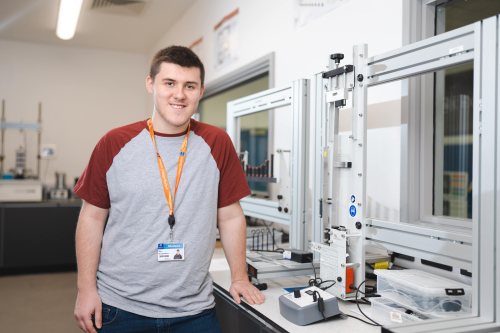








QUALIFICATIONS EXPLAINED
A Levels develop the knowledge, skills and study habits to excel at university, as well as the attributes recognised by employers.
Your academic studies will be complemented with enrichment opportunities such as trips, mentoring and work experience, providing the perfect springboard for your future career.
A Levels are assessed through exams at the end of two years of study. Most learners study three subjects - some choose four.
With an apprenticeship you’ll go straight into the workplace and be shown clear routes to progress straight into employment within a specific occupation. You can achieve nationally recognised qualifications, earn a wage, and gain skills that will see you get ahead. On average you will spend 20% of your learning time in the college and 80% within the workplace
Professional and technical qualifications are designed to provide you with the knowledge, skills and behaviours needed to gain employment within specific industries or occupations. They provide a balance between theory and practical skills development. They are suited to those who want to get hands-on experience within a particular vocational area. These programmes include work placements. Assessment is more varied and will include exams, coursework and practical work.
T Levels give you the chance to learn what a real career is like while you continue your studies. T Levels have been designed with leading businesses and employers to give you the knowledge and skills you need, including a minimum of 45 days on an industry placement – this means you will spend 80% of your learning time in College and 20% within the workplace.
LATEST NEWS
POLITICIANS from Weston-super-Mare and North Somerset visited Weston College to help students to understand how immigration affects modern politics.
Conservative MP for Weston-super-Mare, John Penrose, and UKIP politician Ian Kealey, who stood as UKIP’s parliamentary candidate for North Somerset in the 2015 General Election, visited the College on Friday 6th May.
The two politicians visited students on the social science diploma of the Access to Higher Education course, a course which provides adults with the qualifications and academic skills to progress to university.
The visit tied in with the students’ last assignment, contemporary political issues, where they are required to take part in a debate on immigration.
The two-hour debate covered a range of topics relating to immigration, including the economy, healthcare, cultural values, refugees, freedom of movement, border controls and more.
Mr Penrose said: “I was impressed by the depth of understanding on an extremely difficult and emotionally-charged issue and by the good natured style of the debate – perhaps a few MPs in Westminster could learn a bit if they were with me today.”
Sarah Rees, a qualified lawyer who lectures in Law and Social Policy at the College, said: “This was a great opportunity for students studying politics to hear first-hand from active members of parliament about a subject close to many people’s hearts.
“We are grateful to Mr Penrose and Mr Kealey for their contribution.”
Mr Kealey said: “I thought the students seemed well-informed about the topic and the issue of immigration, its economic impacts and how it affects services.”
For part two of our hair and beauty special, Sandra Bull, Weston College’s Hair and Beauty Curriculum Manager (who has over 25 years’ experience in the hairdressing industry), answers some of the most frequently asked hairdressing questions…
Click here to read part one of our hair and beauty special!
How often should I shampoo my hair?
This depends on your hair type and personal preferences. Your hair can actually clean itself, however your hair naturally dehydrates during the day from wind, pollution and sunlight, so washing it regularly is important to maintain its health.
It’s important to make sure you wash your hair with a shampoo made for your hair type, and always double wash.
Oily hair should be washed daily and dry hair should be washed a maximum of three times per week using a smaller amount of shampoo. If you’re a brunette or have curly hair you can wash it every two to three days.
How can I make my hair feel soft?
First of all, brush your hair before and after showering to get rid of any knots or tangles. Brushing before helps you to shampoo and condition your hair. When you’re in the shower, use shampoo and conditioner that matches your hair type. When shampooing, soak your hair and use lukewarm water. A good tip is to use half the amount of shampoo you usually use but wash your hair twice.
Turn the water’s heat down when conditioning and comb the conditioner evenly through your hair. To ensure the conditioner isn’t washed out, turn the shower off while doing this. Rinse the conditioner out of your hair with cold water as this seals the cuticle and gives your hair a good shine.
Don’t blow dry as this can damage and dry out your hair. Instead, use a towel to pat it dry.
How can I find out more about hairdressing?
Weston College offers a range of hair and barbering courses from introductory level right up to salon management at Level 4. These courses can give you practical experience with real clients and enable you to learn from industry professionals.
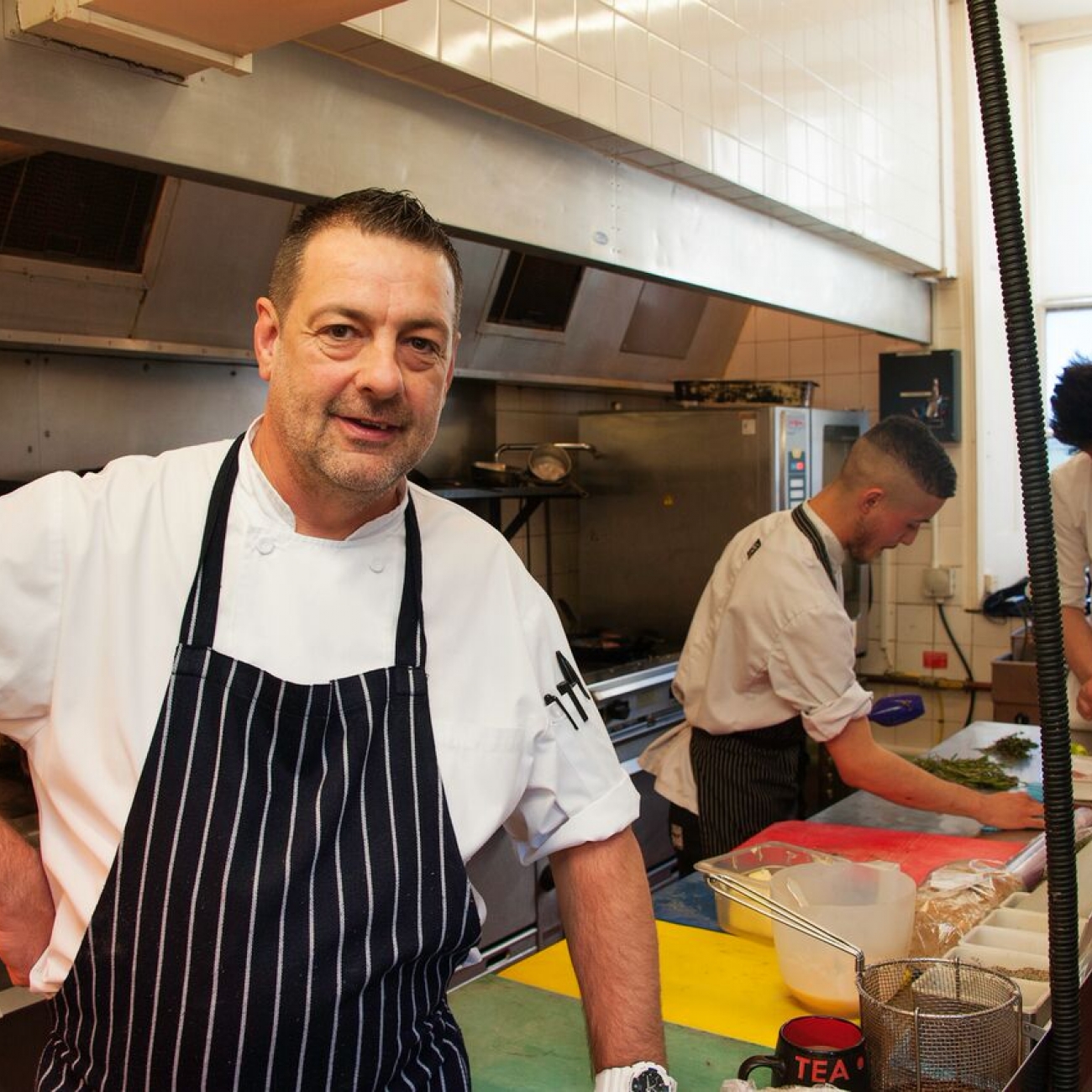
Martin Baker has recently taken the reigns as Head Chef of popular wedding venue, Rookery Manor, Weston-super-Mare.
As a professional chef, working long hours in a busy kitchen, Martin is only too aware of the importance of looking after health and diet. The tasty, calorie-rich dishes a chef cooks for guests at their workplace are often very different from the diet they tend to follow in between shifts and when off duty.
Martin has been working with Weston College through a chefs’ forum academy and has worked with students in the training kitchens on campus to give them a taste of what is expected of them once they make their way into the world of work. Martin is looking forward to welcoming catering students from Weston College into his kitchen for work experience at Rookery Manor.
Load up on fruit
Fruit and veg are packed with vitamins, minerals and fibre - Follow this rule and you’re less likely to get high cholesterol high blood pressure and some cancers - Remember your five a day!
Eat better fats
Saturated and trans fats raise bad cholesterol levels and cause heart disease. Cut out bacon, butter, untrimmed meats… also cookies and crackers are a ‘no-no’. Swap full fat milk to semi-skimmed and try a turkey burger next time you fancy its beefy cousin!
Drink lots of water
Cut out carbonated drinks, sports drinks and coffee - six to eight pints of water per day flushes out toxins!
Eat more fibre
t reduces belly fat, gives you greater energy and lowers the chance of type 2 diabetes. Eat whole grain bread and whole meal pasta. Cook with brown rice instead of white.
Cut down portion sizes
Grab a smaller plate for food – the smaller the plate, the smaller the portion – You will still feel the satisfaction of eating a full plate.
WHICH LEVEL IS RIGHT FOR ME?