




COURSES FOR SCHOOL LEAVERS
Your Future Starts Here
With hundreds of exciting courses, this is where your journey begins. From day one, you'll be supported, inspired, and on track to a rewarding career.
See SubjectsJoin a Career Excellence Hub and gain real-world skills, experience, and confidence to reach your goals.
Whether you're finishing school, changing direction, or learning English with our ESOL courses – we’ve got you covered.
Get started today – pick a subject and apply online in just 5 minutes!

Find Your Future Path






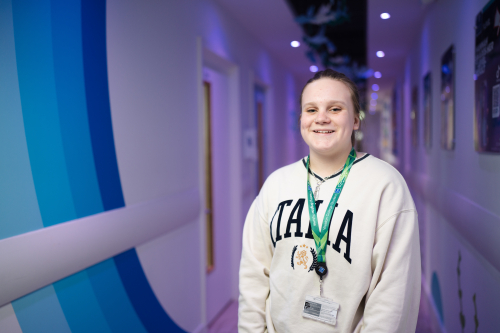
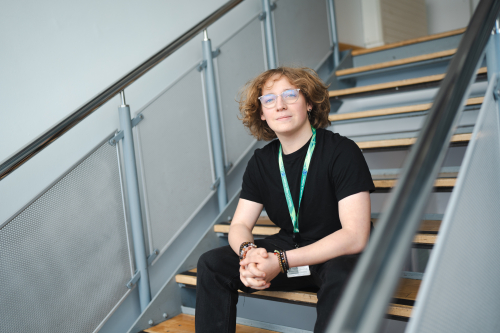


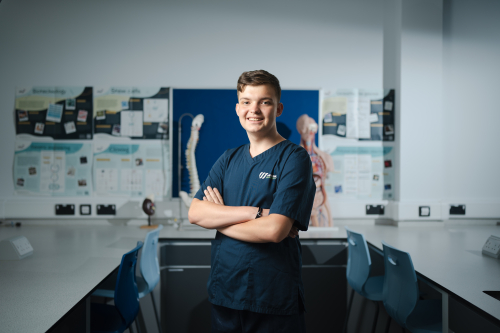





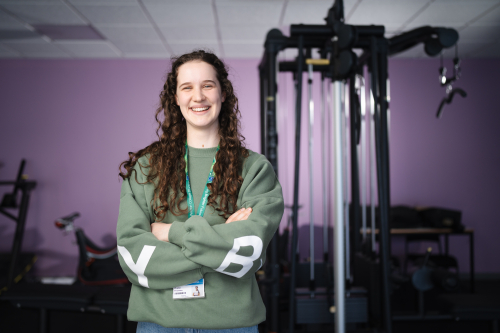


QUALIFICATIONS EXPLAINED
A Levels develop the knowledge, skills and study habits to excel at university, as well as the attributes recognised by employers.
Your academic studies will be complemented with enrichment opportunities such as trips, mentoring and work experience, providing the perfect springboard for your future career.
A Levels are assessed through exams at the end of two years of study. Most learners study three subjects - some choose four.
With an apprenticeship you’ll go straight into the workplace and be shown clear routes to progress straight into employment within a specific occupation. You can achieve nationally recognised qualifications, earn a wage, and gain skills that will see you get ahead. On average you will spend 20% of your learning time in the college and 80% within the workplace
Professional and technical qualifications are designed to provide you with the knowledge, skills and behaviours needed to gain employment within specific industries or occupations. They provide a balance between theory and practical skills development. They are suited to those who want to get hands-on experience within a particular vocational area. These programmes include work placements. Assessment is more varied and will include exams, coursework and practical work.
T Levels give you the chance to learn what a real career is like while you continue your studies. T Levels have been designed with leading businesses and employers to give you the knowledge and skills you need, including a minimum of 45 days on an industry placement – this means you will spend 80% of your learning time in College and 20% within the workplace.
LATEST NEWS

We cant wait for this years Business Award's at the Winter Gardens on Thursday 15th June! The event will celebrate the excellence of our apprentices, trainees, and learners that completed an industry placement - as well as recognising the work of our business network. We welcome nominations for anyone that you feel is deserving of recognition for the work they have completed in the last year. All entries will then be looked at by our judges and shortlisted on their merits.
The winners will be announced at the event on Thursday 15th June. Nominations are OPEN until 28th March, nominate here.
These are our judges for this year's Business Awards:
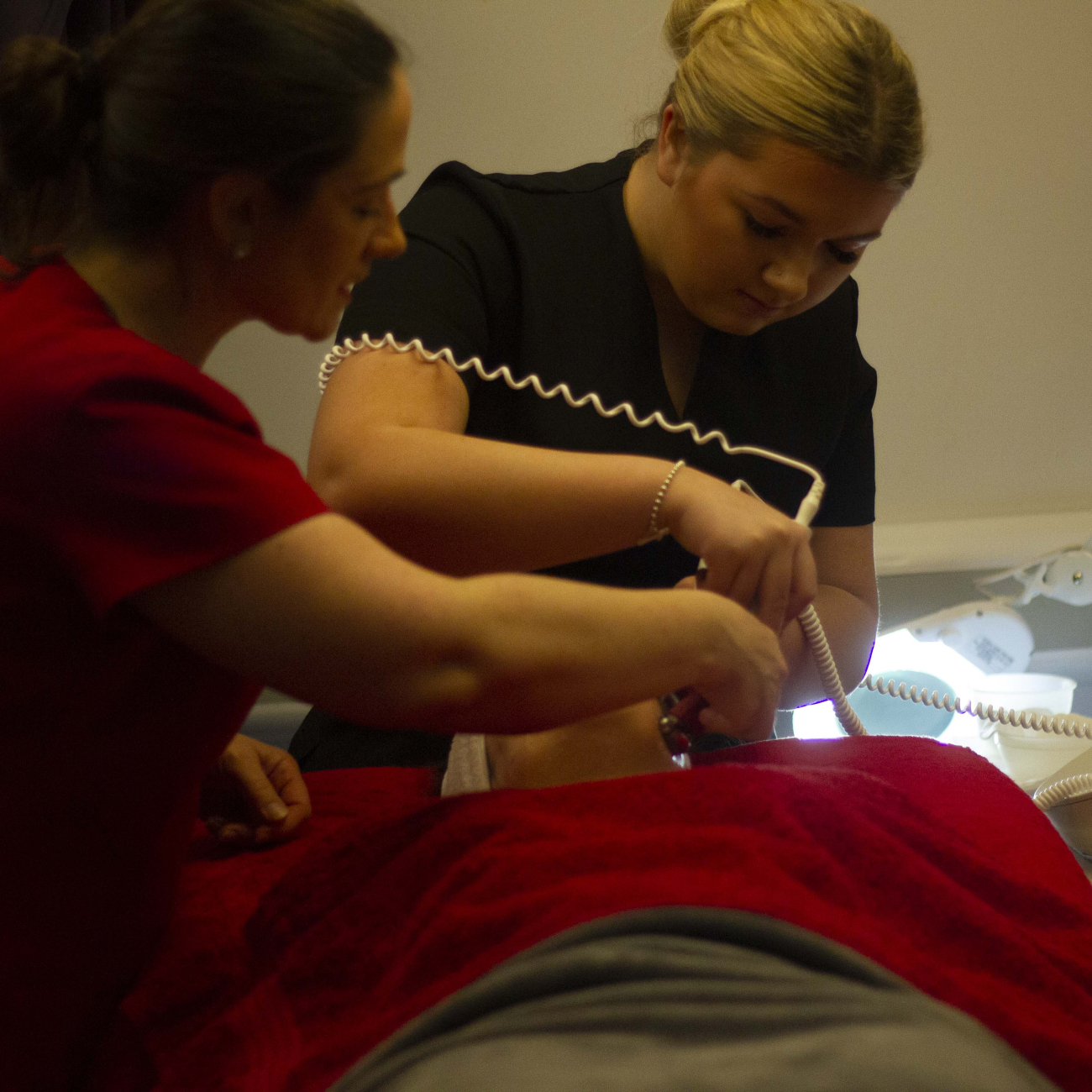
Last week, our Level 3 Beauty Therapy learners were treated to a guest lecture and demonstration from an industry professional at Guinot. Guinot, the No. 1 Beauty Salon in France, offers beauty treatments and exclusive skincare treatments for the face and body in approved beauty salons.
Jenna Ratcliffe, the Divisional Lead of Sector Services, explained the demonstration, and how this benefits the learners in their studies: “Learners focus on providing advanced skincare therapies during their course; the industry masterclass was focused on enhancing learner awareness around alternatives to aesthetic medicine. Guinot was the perfect brand to offer this insight to our learners as they have over 50 years' experience in the professional beauty therapy industry with treatments available in 70 countries.”
Jenna continued: “Learners had the opportunity to further develop electrical therapy technical skills under the direction of Michelle, our Guinot representative. Learners explored Guinot's Hydradermie, Hydraclean and Hydralift treatments and were fascinated by the results.”
At Weston College, we understand how vital live demonstrations are in bridging the gap between education and industry. Learners are aware of professional brans, however being given the opportunity to experience them first hand is far more supportive for the learner’s progression into industry.
One learner participating in the session commented: “I thoroughly enjoyed today's Guinot masterclass with Michelle. She provided so much information on the treatments and products available, allowing us to test each product out. The fragrances were phenomenal, and the quality of the product is definitely top of the range and allows me to see treatment profit margins.”
Jenna commented on the success of the visit: “I’m so thrilled that at Weston College we are able to present opportunities such as these to our learners; as our motto is ‘careers, not courses’, industry professional demonstrations opens the door for our learners to achieve those dream careers!
“Michelle from Guinot stated that she would offer any of our learners a career pathway at Guinot, stating that they were professional and very knowledgeable! We are immensely proud of our learners, and so grateful to Michelle for sharing her expertise and knowledge with us all!”
If you would like to find out more about our Hair and Beauty courses, you can do so here.
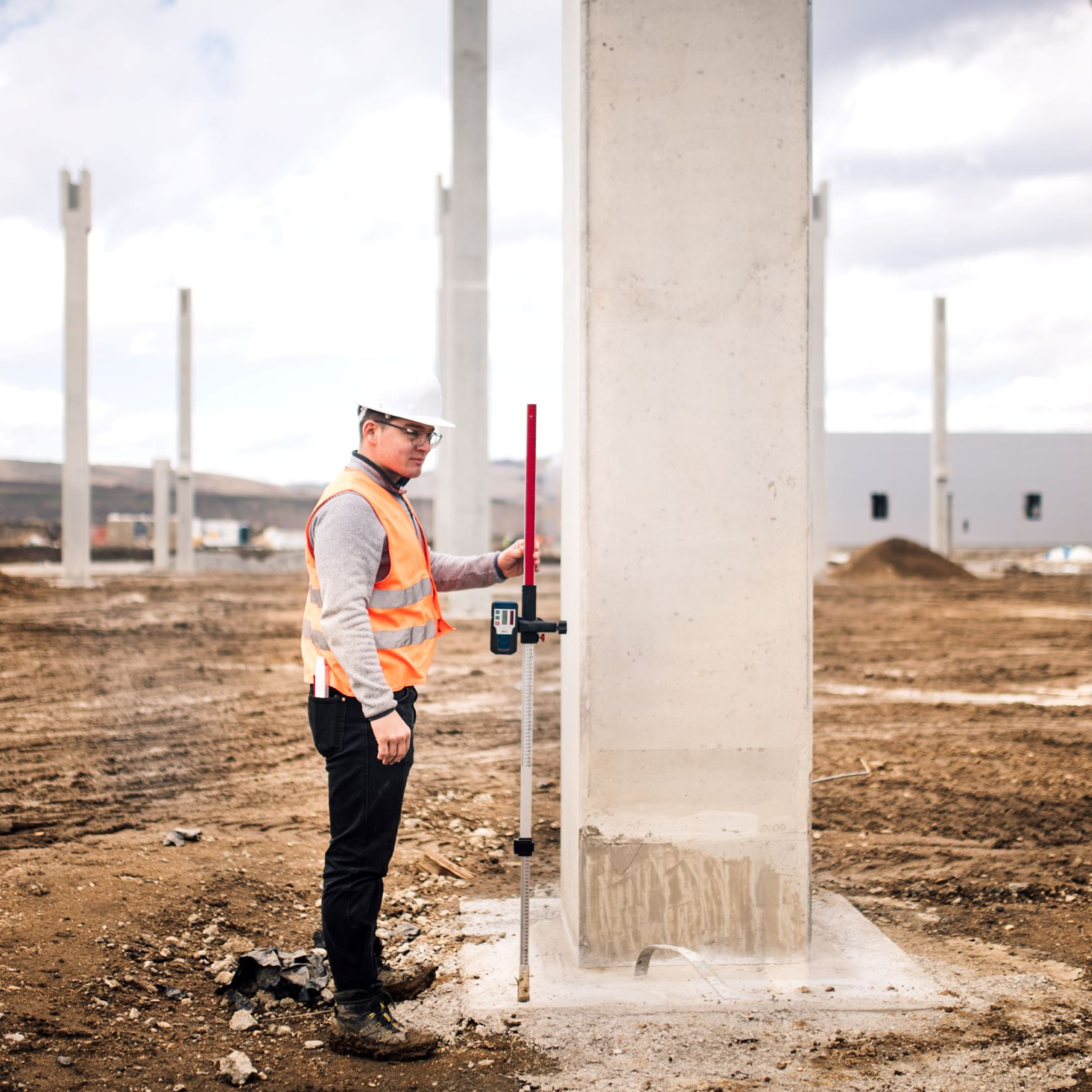
Civil Engineers play a critical role in our community; they design and manage construction projects, including roads, bridges, canals, dams, airports, sewage systems, pipelines, structural components of buildings, and railways.
Civil engineering is also one of the most in demand construction roles in the UK, with demand due to grow by 10% in the next 10 years.
We asked Paul Nethercott from the sustainable civil engineering contractor, Alun Griffiths, about life in the industry, to give an insight into a career in civils: “Civil engineering is a rewarding, creative and fun job.
"The projects we undertake are critical to the evolution of humanity and our constant ability to adapt and thrive.
"No day is ever the same, it's a team effort with good pay - and lots of fantastic progression opportunities as there simply aren't enough engineers to go around.
"There are lots of different roles that you can take in civil engineering too, including:
- Design
- Surveying
- Civil/Site Engineering
- Building Control
- Buying
- Estimating
- Planning
- Site Technical Support.”
You might be wondering how exactly to become a Civil Engineer – well, you’ve come to the right place!
There are several different routes into the industry, which can be chosen if they suit your learning style:
Apprenticeships
An apprenticeship is a fantastic way of entering the industry, and provides an opportunity to meet local organisations that are wanting to invest in and develop their future workforce.
Apprenticeships are open to anyone over the age of 16, so you could be a school leaver, or someone that wants to turn their passion into a career. As an apprentice you will be employed by the company, and complete training at college – you will be expected to work at least 30 hours a week, with the rest of your hours being training.
You can complete apprenticeships at a number of Levels, depending on your experience and skill level. We currently offer two apprenticeships in Civil Engineering, click the course below to find out more:
Civil Engineering Level 3 – 36 months
Civil Engineering Senior Technician Level 4 – 12 months
Once you have completed your apprenticeship, you can either further your development by studying the next Level, or go into full-time work.
T Levels
T Levels are a great way to start your journey into becoming a Civil Engineer.
T Levels are the new ‘Gold Standard’ in technical qualifications and are designed to ensure that learners are more employable – with a mix of classroom based learning and practical experience.
Our two-year T Level in Construction: Design, Surveying and Planning, is a Level 3 standard, and can lead on to either a Degree Apprenticeship, or a Degree.
You can also complete other Construction based courses, Engineering courses or A Levels, which can lead you on to one of our Degree Level courses, taught through University Centre Weston.
Paul Nethercott from Alun Griffiths, also told us about some of the key skills that you will need for working in civil engineering: “The industry is really welcoming to graduates and new starters, but there are certain skills that will really help you to have a long and successful career. These include:
- Attention to detail
- Being a team player
- Possessing problem-solving skills
- Being a strong communicator
- Punctuality and reliability
- Having commercial awareness.”
A big thank you to Paul Nethercott.
If you would like to find out more about our courses, join us at our next Open Evening, taking place on the 29th March, across all campuses. Click here to book your spot.
Civil Engineers play a critical role in our community; they design and manage construction projects, including roads, bridges, canals, dams, airports, sewage systems, pipelines, structural components of buildings, and railways.
Civil engineering is also one of the most in demand construction roles in the UK, with demand due to grow by 10% in the next 10 years.
We asked Paul Nethercott from the sustainable civil engineering contractor, Alun Griffiths, about life in the industry, to give an insight into a career in civils: “Civil engineering is a rewarding, creative and fun job.
"The projects we undertake are critical to the evolution of humanity and our constant ability to adapt and thrive.
"No day is ever the same, it's a team effort with good pay - and lots of fantastic progression opportunities as there simply aren't enough engineers to go around.
"There are lots of different roles that you can take in civil engineering too, including:
- Design
- Surveying
- Civil/Site Engineering
- Building Control
- Buying
- Estimating
- Planning
- Site Technical Support.”
You might be wondering how exactly to become a Civil Engineer – well, you’ve come to the right place!
There are several different routes into the industry, which can be chosen if they suit your learning style:
Apprenticeships
An apprenticeship is a fantastic way of entering the industry, and provides an opportunity to meet local organisations that are wanting to invest in and develop their future workforce.
Apprenticeships are open to anyone over the age of 16, so you could be a school leaver, or someone that wants to turn their passion into a career. As an apprentice you will be employed by the company, and complete training at college – you will be expected to work at least 30 hours a week, with the rest of your hours being training.
You can complete apprenticeships at a number of Levels, depending on your experience and skill level. We currently offer two apprenticeships in Civil Engineering, click the course below to find out more:
Civil Engineering Level 3 – 36 months
Civil Engineering Senior Technician Level 4 – 12 months
Once you have completed your apprenticeship, you can either further your development by studying the next Level, or go into full-time work.
T Levels
T Levels are a great way to start your journey into becoming a Civil Engineer.
T Levels are the new ‘Gold Standard’ in technical qualifications and are designed to ensure that learners are more employable – with a mix of classroom based learning and practical experience.
Our two-year T Level in Construction: Design, Surveying and Planning, is a Level 3 standard, and can lead on to either a Degree Apprenticeship, or a Degree.
You can also complete other Construction based courses, Engineering courses or A Levels, which can lead you on to one of our Degree Level courses, taught through University Centre Weston.
Paul Nethercott from Alun Griffiths, also told us about some of the key skills that you will need for working in civil engineering: “The industry is really welcoming to graduates and new starters, but there are certain skills that will really help you to have a long and successful career. These include:
- Attention to detail
- Being a team player
- Possessing problem-solving skills
- Being a strong communicator
- Punctuality and reliability
- Having commercial awareness.”
A big thank you to Paul Nethercott.
If you would like to find out more about our courses, join us at our next Open Evening, taking place on the 29th March, across all campuses. Click here to book your spot.
WHICH LEVEL IS RIGHT FOR ME?