




ADULT COURSES
Weston College offers adult courses in Weston‑super‑Mare for those aged 19+.
Whether you are looking to get back into work, upskill, retrain to change career entirely, get into university, start a new hobby, or gain skills for life, there is a course for you. Everything you need to create your brighter future is waiting for you at Weston College.
Click here to explore our adult courses
Here’s what we can offer:
- A mixture of classroom based lectures and/or online learning.
- Support available via your own tutor to help you succeed.
- As a Weston College student you'll also have access to all our facilities - including our Library, IT suite, welfare and employment support teams as well as the College canteen facilities.
Did you know:
- Courses up to Level 2 are fully funded if you're earning under £25,000.
- 91.88% of unemployed learners secured a positive destination on completion.
- Our courses have a 88.37% achievement rate.
If you would like to access support from our team, book one of our free Careers Advice sessions, by clicking here.
Discover our range of courses for adults aged 19+ using the search options below...
Select a subject
Enter a course code
Search courses by keyword:
Select a Career:
Accounting, AAT Certificate
This AAT (Association of Accounting Technicians) course is an entry-level accounting qualification, ideal for…
14/09/2026
18:00 - 20:30
KNIGHTSTONE CAMPUS
C2AATPE1KN-26
Accounting, AAT Certificate
This AAT (Association of Accounting Technicians) course is an entry-level accounting qualification, ideal for…
15/09/2026
-
KNIGHTSTONE CAMPUS
C2AATPD1KN-26
Accounting, AAT Diploma
This AAT (Association of Accounting Technicians) advanced level course is a mid-level accounting…
16/09/2026
09:00 - 16:30
KNIGHTSTONE CAMPUS
D3AATPDAKN-26
Accounting, AAT Diploma
This AAT (Association of Accounting Technicians) advanced level course is a mid-level accounting…
16/09/2026
17:00 - 21:00
KNIGHTSTONE CAMPUS
D3AATPE1KN-26
Barbering, Certificate
This course will give you a good level of basic training in barbering and covers all the practical skills you…
16/09/2026
16:00 - 21:00
KNIGHTSTONE CAMPUS
C2BARPEAKN-26
Barbering, Certificate
This course will give you a good level of basic training in barbering and covers all the practical skills you…
03/03/2027
17:00 - 21:00
KNIGHTSTONE CAMPUS
C2BARPEBKN-26
Counselling, Certificate
This course is aimed at those who have a range of life experiences and wish to channel them into supporting…
16/09/2026
09:30 - 14:00
SOUTH WEST SKILLS CAMPUS
C2COUPDASW-26
Counselling, Certificate
This course is aimed at those who have a range of life experiences and wish to channel them into supporting…
03/11/2026
09:30 - 16:00
SOUTH WEST SKILLS CAMPUS
C2COUPDBSW-26
Counselling, Certificate
This course is aimed at those who have a range of life experiences and wish to channel them into supporting…
05/11/2026
09:30 - 16:00
SOUTH WEST SKILLS CAMPUS
C2COUPDCSW-26
Counselling, Certificate
This course is aimed at those who have a range of life experiences and wish to channel them into supporting…
08/01/2027
09:30 - 16:00
SOUTH WEST SKILLS CAMPUS
C2COUPDDSW-26
Counselling, Certificate
This course is aimed at those who have a range of life experiences and wish to channel them into supporting…
15/09/2026
17:00 - 21:00
SOUTH WEST SKILLS CAMPUS
C2COUPEASW-26
Introductory Manual Metal Arc Welding Skills, Award
Learn the basics needed to start welding, this course is ideal for anyone who wants to become a welder or try…
08/09/2026
18:00 - 21:00
SOUTH WEST SKILLS CAMPUS
AW1MMAEASW-26
Introductory Manual Metal Arc Welding Skills, Award
Learn the basics needed to start welding, this course is ideal for anyone who wants to become a welder or try…
17/11/2026
18:00 - 21:00
SOUTH WEST SKILLS CAMPUS
AW1MMAEBSW-26
Introductory Manual Metal Arc Welding Skills, Award
Learn the basics needed to start welding, this course is ideal for anyone who wants to become a welder or try…
02/02/2027
18:00 - 21:00
SOUTH WEST SKILLS CAMPUS
AW1MMAECSW-26
Introductory Metal Inert Gas Welding Skills, Award
Learn the basics needed to start welding, this course is ideal for anyone who wants to become a welder or try…
08/09/2026
18:00 - 21:00
SOUTH WEST SKILLS CAMPUS
AW1MIGEASW-26
Introductory Metal Inert Gas Welding Skills, Award
Learn the basics needed to start welding, this course is ideal for anyone who wants to become a welder or try…
17/11/2026
18:00 - 21:00
SOUTH WEST SKILLS CAMPUS
AW1MIGEBSW-26
Introductory Metal Inert Gas Welding Skills, Award
Learn the basics needed to start welding, this course is ideal for anyone who wants to become a welder or try…
02/02/2027
18:00 - 21:00
SOUTH WEST SKILLS CAMPUS
AW1MIGECSW-26
Introductory Tungsten Inert Gas Welding Skills, Award
Learn the basics needed to start welding, this course is ideal for anyone who wants to become a welder or try…
08/09/2026
18:00 - 21:00
SOUTH WEST SKILLS CAMPUS
AW1TIGEASW-26
Introductory Tungsten Inert Gas Welding Skills, Award
Learn the basics needed to start welding, this course is ideal for anyone who wants to become a welder or try…
17/11/2026
18:00 - 21:00
SOUTH WEST SKILLS CAMPUS
AW1TIGEBSW-26
Introductory Tungsten Inert Gas Welding Skills, Award
Learn the basics needed to start welding, this course is ideal for anyone who wants to become a welder or try…
02/02/2027
18:00 - 21:00
SOUTH WEST SKILLS CAMPUS
AW1TIGECSW-26
MAG Welding Skills, Award
Learn the basics needed to start welding, this course is ideal for anyone who wants to become a welder or try…
08/09/2026
18:00 - 21:00
SOUTH WEST SKILLS CAMPUS
AW2MIGEASW-26
MAG Welding Skills, Award
Learn the basics needed to start welding, this course is ideal for anyone who wants to become a welder or try…
17/11/2026
18:00 - 21:00
SOUTH WEST SKILLS CAMPUS
AW2MIGEBSW-26
MAG Welding Skills, Award
Learn the basics needed to start welding, this course is ideal for anyone who wants to become a welder or try…
02/02/2027
18:00 - 21:00
SOUTH WEST SKILLS CAMPUS
AW2MIGECSW-26
MMA Welding Skills, Award
Learn the basics needed to start welding, this course is ideal for anyone who wants to become a welder or try…
08/09/2026
18:00 - 21:00
SOUTH WEST SKILLS CAMPUS
AW2MMAEASW-26
MMA Welding Skills, Award
Learn the basics needed to start welding, this course is ideal for anyone who wants to become a welder or try…
17/11/2026
18:00 - 21:00
SOUTH WEST SKILLS CAMPUS
AW2MMAEBSW-26
MMA Welding Skills, Award
Learn the basics needed to start welding, this course is ideal for anyone who wants to become a welder or try…
02/02/2027
18:00 - 21:00
SOUTH WEST SKILLS CAMPUS
AW2MMAECSW-26
Motor Vehicle, Diploma
This adult course is perfect if you are looking to improve your skills and knowledge of car maintenance and…
07/09/2026
18:00 - 21:00
SOUTH WEST SKILLS CAMPUS
D2VME1SW-26
Supporting Teaching and Learning in Schools, Certificate
The NCFE CACHE Level 3 Certificate in Supporting Teaching and Learning is an advanced course, it will suit…
03/09/2026
09:30 - 14:30
KNIGHTSTONE CAMPUS
CTEA3PD1KN-26
Supporting Teaching and Learning, Certificate
The Supporting Teaching and Learning Level 2 Certificate has been designed to provide students with an…
12/01/2027
16:30 - 21:00
KNIGHTSTONE CAMPUS
CTEA2PE1KN-26
TIG (Aluminium)
TIG Steel or TIG Aluminium Welding Skills, Award
Learn the basics needed to start welding, this course is ideal for anyone who wants to become a welder or try…
08/09/2026
18:00 - 21:00
SOUTH WEST SKILLS CAMPUS
AW2TIAEASW-26
LATEST NEWS
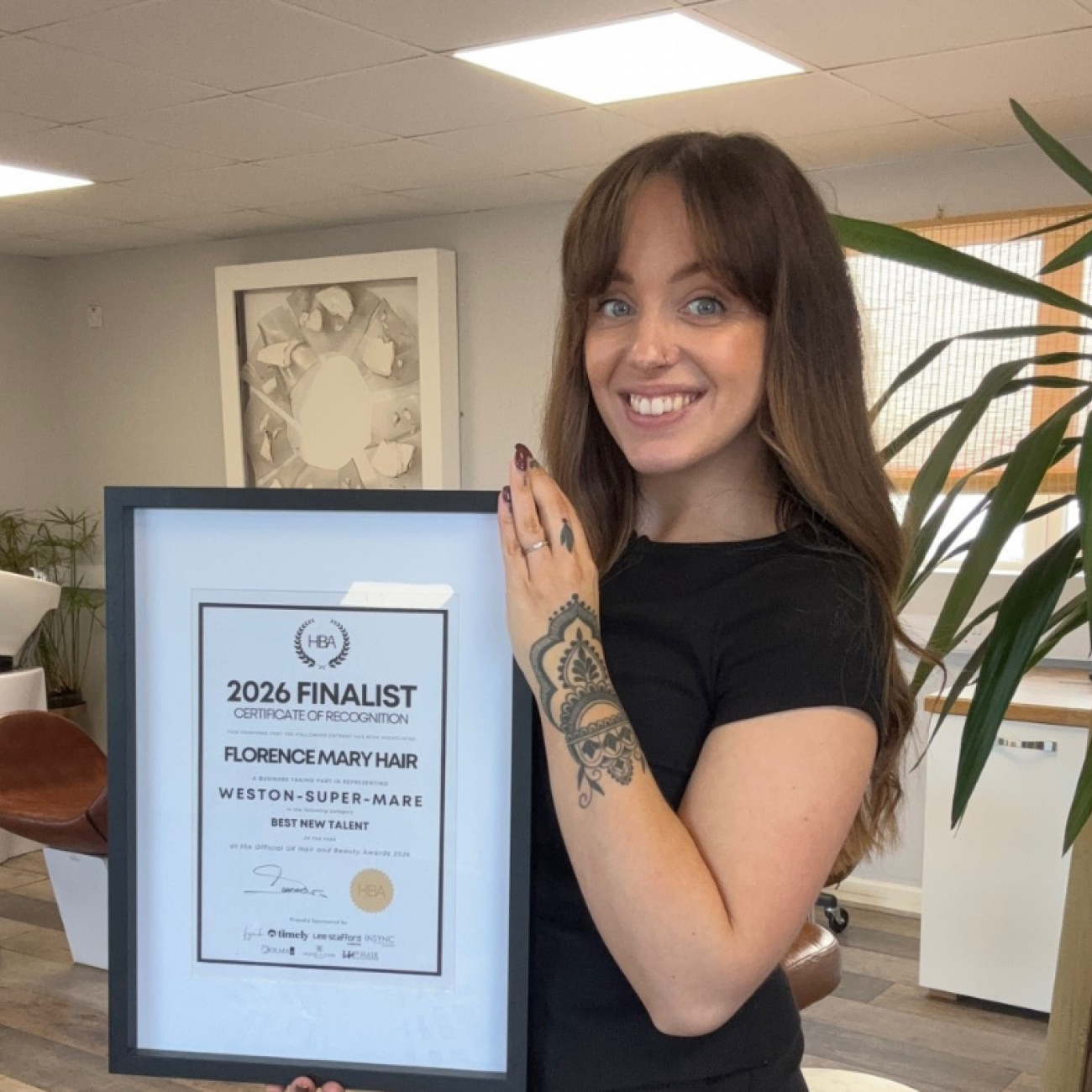
<p data-pm-slice="1 1 []">From returning to education later in life to building a successful self-employed career, Florence’s journey shows how determination and the right support can shape a fulfilling future. Now working at Blond Salon, she has turned her passion into a flexible and rewarding career. </p><p>Florence first studied Level 2 Hairdressing at 14, before returning at 27 to complete her Level 3 qualification. Experiencing college as both a teenager and an adult gave her a new perspective. “I’m a firm believer that you get out what you put in,” she says. “This time, I made sure I took every opportunity and really focused on my work.” </p><p>A key part of her learning came from working with real clients in salon sessions. “Being able to practise on actual clients was the best way for me to learn and build confidence,” she explains. Florence also credits her tutor, Nicola Smith, for creating a supportive environment and encouraging her to push herself further. “She never made us feel silly if we didn’t know something, and she’s the reason I entered competitions when I didn’t believe in myself.” </p><p>Those competitions became an unexpected highlight. “I never thought I’d do something like that, but it really helped me grow in confidence, and winning was a huge boost.” </p><p>With a clear goal to become self-employed, Florence approached her studies with purpose. After completing her course, she left her retail job to work in a salon while building her own client base. Today, she enjoys a career that fits around her life. “I genuinely enjoy going to work. I get to spend my days with amazing clients and still have that balance with my family.” </p><p>Florence believes the industry is full of opportunities and encourages others to stay open-minded. “Say yes to opportunities, even if they don’t seem relevant at the time. The people you meet and the experience you gain will always help you in the future.” </p><p>Her advice to aspiring stylists is to think about their goals and find the right environment to grow. “Find a salon that matches your values and will help you learn. If it’s not helping you grow, don’t be afraid to move on.” </p><p>Reflecting on her journey, she adds, “I’d tell my younger self to take more risks and not worry about other people. College is such a short time, so make the most of it.” </p><p>For anyone considering the course, Florence sees it as the perfect starting point. “College gives you the foundation - but in this industry, you should never stop learning.” </p><p> </p><p>If you're interested in finding out more about our Hair and Barbering courses, click <a href="https://www.weston.ac.uk/what-can-i-study/courses-16-18-year-olds/hair-…;

<p>Richard Hanney, Head of Construction at Weston College, discusses the mental health challenges facing the construction industry, and the college’s approach to supporting students.</p><p> </p><p><strong>Can you introduce construction at Weston College?</strong></p><p>At Weston College, construction is more than just learning a trade – it’s about developing skilled, work ready individuals who understand both the technical and human side of the industry. We deliver a wide range of programmes across trades including <a href="https://www.weston.ac.uk/what-can-i-study/courses-16-18-year-olds/i-wan…;, <a href="https://www.weston.ac.uk/what-can-i-study/courses-16-18-year-olds/i-wan…;, <a href="https://www.weston.ac.uk/what-can-i-study/courses-16-18-year-olds/i-wan…;, <a href="https://www.weston.ac.uk/what-can-i-study/courses-16-18-year-olds/i-wan…;, and <a href="https://www.weston.ac.uk/what-can-i-study/courses-16-18-year-olds/i-wan…;, all rooted in real world application. Our focus is on high standards, professional behaviours, and building a culture that reflects industry expectations from day one. We don’t just train learners to pass qualifications; we prepare them to thrive in demanding, fast paced environments.</p><p> </p><p><strong>How do you prepare learners for the realities of the workplace? </strong></p><p>We mirror industry as closely as possible. That means clear expectations around punctuality, standards, teamwork, and accountability. From day one, learners are expected to present themselves professionally in industry standard uniform and bring their own tools, helping to build pride, responsibility, and a true sense of belonging to the trade.</p><p>Learners experience real life working conditions through employer set projects, live briefs, and meaningful work experience. Alongside this, we’ve worked with employers to define the “top 10 tasks” for each trade, the core, practical skills that allow learners to contribute from their very first day on site or in an apprenticeship.</p><p>We also place a strong emphasis on behaviours, how to communicate, how to respond to pressure, and how to take pride in their work. The goal is simple: when they step onto site, nothing feels unfamiliar, and they are ready to add value immediately.</p><p> </p><p><strong>How do you support them with mental and emotional challenges? </strong></p><p>We take a proactive, whole learner approach. Mental health and wellbeing are embedded into tutorials, personal development sessions, and day today interactions. Staff are trained to spot early signs of struggle, and we create environments where learners feel safe to talk. We also connect them with wider support services where needed.</p><p>A key part of our approach is recognising the reality of construction as a predominantly male industry, where mental health challenges are often underreported. National data shows that suicide rates in construction are significantly higher than in many other sectors, and this is often linked to stigma, pressure, and a culture where individuals feel they have to “just get on with it.” We address this directly with our learners.</p><p>This academic year, our construction team has responded to several high profile incidents involving learner wellbeing. Our collaborative, proactive approach, working closely with college support services and external stakeholders, has been a strong demonstration of our culture and ethos in action, ensuring learners receive the right support at the right time.</p><p>We work hard to break down those barriers early, normalising conversations around men’s mental health and reinforcing that speaking up is not a weakness, but a strength. We encourage learners to look out for each other, to check in, and to understand that a simple conversation can make a real difference. Just as importantly, we educate them that mental health is no different to physical health , if something isn’t right, it needs support, not silence.</p><p>Ultimately, we are not just preparing learners to work in construction, we are preparing them to navigate its pressures in a healthier, more sustainable way, both for themselves and for the teams they will be part of.</p><p> </p><p><strong>Why does construction face such high levels of mental health issues?</strong></p><p>Construction faces a unique combination of pressures that, when layered together, significantly increase the risk of poor mental health. At its core, it is a high demand, high pressure industry. Tight deadlines, long hours, physically demanding work, and constant pressure to deliver all contribute to chronic stress and fatigue. Research consistently highlights stress, anxiety, and depression as the most common forms of psychological distress among construction workers.</p><p>Beyond the day today pressures, there are wider structural challenges. Job insecurity, fluctuating workloads, financial pressure, and working away from home can all lead to social isolation and strain on personal relationships. These factors don’t just affect performance on site, they impact life outside of work, creating a cycle that is difficult to break.</p><p>There is also a strong link between physical and mental health in construction. Long-term pain, injury, and fatigue are common, and evidence shows these can contribute directly to psychological distress over time.</p><p>Critically, the industry often lacks consistent, visible support systems. Limited social support, poor help seeking behaviours, and a lack of integrated mental health provision mean that issues can build up unnoticed. In some cases, individuals turn to unhealthy coping mechanisms such as alcohol or substance use, which further compounds the problem.</p><p>When you combine all of this, high pressure, physical strain, job insecurity, and limited support, you create an environment where mental health challenges are more likely to develop and less likely to be addressed early. That is why the industry continues to see disproportionately high levels of mental health issues compared to many other sectors.</p><p> </p><p><strong>What cultural norms in construction make it hard to talk about mental health?</strong></p><p>One of the biggest barriers in construction is cultural rather than structural. The industry has long been built on values such as toughness, resilience, and self-reliance. While these are important qualities, they have often been interpreted in a way that discourages openness, where showing vulnerability is seen as weakness rather than strength.</p><p>Research shows that in male dominated industries like construction, individuals are more likely to adopt and reinforce “masculine norms” such as emotional control, independence, and reluctance to seek help. In particular, a strong emphasis on self-reliance has been identified as a key factor linked to poorer mental health outcomes.</p><p>There is also a persistent stigma around mental health. Many workers feel uncomfortable discussing personal struggles, and conversations tend to stay at surface level. Evidence shows that deeper discussions about mental health are rare, and individuals often mask their difficulties, sometimes until a crisis point, which is why serious incidents can appear to come “out of the blue.”</p><p>The social dynamics on site can reinforce this. Banter, humour, and a tough communication style are part of the culture and can build strong team bonds, but they can also act as a barrier. It is often easier to deflect with humour than to open up about how you’re really feeling.</p><p>Finally, there is often a lack of confidence in how to respond. Many workers and managers simply don’t feel equipped to have conversations about mental health, which means opportunities to support each other are missed.</p><p>Changing this doesn’t mean losing the identity of the industry, it means evolving it. The next step for construction is to redefine strength, where resilience includes the ability to speak up, support others, and recognise when something isn’t right.</p><p> </p><p><strong>How do these pressures affect wellbeing?</strong></p><p>If left unchecked, these pressures don’t just lead to stress they compound into sustained psychological distress. Research shows that construction workers commonly experience overlapping issues such as stress, anxiety, depression, and fatigue, often all at once rather than in isolation.</p><p>What makes construction particularly challenging is how these pressures build over time. Tight deadlines, long hours, and physical strain create cumulative stress, which can lead to burnout, reduced concentration, and poor decision making. On site, that has real consequences mental fatigue is directly linked to lower safety awareness, increased incident rates, and reduced quality of work.</p><p>There is also a wider human impact. Evidence shows that poor mental health in construction doesn’t stay at work it affects relationships, increases social isolation, and can lead to harmful coping mechanisms such as substance use.</p><p>At its most serious, the consequences are stark. Suicide rates in construction remain significantly higher than the national average, highlighting what happens when pressure, stigma, and lack of support intersect over time.</p><p>In short, this isn’t just a wellbeing issue it’s a performance, safety, and human issue combined.</p><p> </p><p><strong>Why is a focus on mental health so important in construction?</strong></p><p>Because mental health underpins everything the industry relies on safety, productivity, and people.</p><p>Research consistently shows that psychological distress has a direct impact on safety outcomes, productivity, and overall work quality. When individuals are struggling mentally, they are less focused, less engaged, and more likely to make mistakes. In a high risk environment like construction, that can be the difference between a near miss and a serious incident.</p><p>There is also a clear business case. Mental health related issues account for hundreds of thousands of lost working days across the industry, alongside increased absenteeism and reduced performance.</p><p>But beyond performance, this is about sustainability of the workforce. The industry is already facing skills shortages if people are burning out, leaving, or not entering the sector due to its reputation, that challenge only grows.</p><p>We’ve made significant progress in physical safety over the last 20 years. The next step is clear: mental health needs to be treated with the same level of priority, structure, and accountability. Not as an initiative but as a core part of how we operate.</p><p> </p><p><strong>What can learners do to support themselves and others?</strong></p><p>The starting point is awareness. Learners need to understand that mental health is part of the job, not separate from it. Recognising early signs of stress whether that’s fatigue, frustration, or withdrawal is critical, because research shows these issues often build gradually over time.</p><p>Secondly, we encourage them to challenge the culture they are entering. Evidence shows that in construction, many individuals don’t seek help and often mask how they’re feeling, which is why serious issues can appear to come “out of the blue.” Learners have an opportunity to be part of changing that by talking, checking in with each other, and creating peer support networks from day one.</p><p>There’s also a practical element: knowing where to go for support, whether that’s a tutor, employer, or external service. Confidence in accessing help is just as important as recognising the need for it.</p><p>Ultimately, we want learners to take responsibility not just for their own wellbeing, but for the team around them. In construction, no one works alone and that applies to mental health just as much as it does to safety.</p><p> </p><p><strong>What could a mentally healthier industry look like in 10 years?</strong></p><p>A mentally healthier construction industry would look very different but in many ways, it would feel familiar.</p><p>The biggest shift would be cultural. Research highlights that stigma, macho culture, and poor help seeking behaviours are key barriers today. In 10 years, those barriers should be significantly reduced. Conversations about mental health would be normalised no different to discussions about physical safety.</p><p>From a structural perspective, we would see consistent systems in place across the industry: trained managers who understand mental health, clear support pathways, and proactive wellbeing strategies embedded into day to day operations. Evidence already shows that organisational support and open communication are among the most effective ways to reduce psychological distress.</p><p>Most importantly, individuals would feel confident speaking up early before issues escalate. That’s the real shift: moving from reactive support to preventative culture.</p><p> </p><p><strong>How would the industry change if mental health matched physical safety in priority?</strong></p><p>It would be transformational.</p><p>We know from decades of progress in physical safety that when the industry prioritises something, it improves. The same principle applies here. If mental health was treated with equal importance measured, discussed, and embedded into daily practice you would see tangible changes across the board.</p><p>Safety would improve, because workers would be more focused and less fatigued. Productivity would increase, as individuals are more engaged and able to perform at their best. Teams would be stronger, with better communication and trust.</p><p>Crucially, retention would improve. Research shows that poor mental health contributes to people leaving the industry, while stigma discourages new entrants. Addressing this would not only protect the current workforce but also make construction more attractive to the next generation.</p><p>Ultimately, it would shift construction from being seen as a high-pressure, high-risk environment to a high performance, people focused industry. One that delivers not just on projects but on the wellbeing of the people who build them.</p>
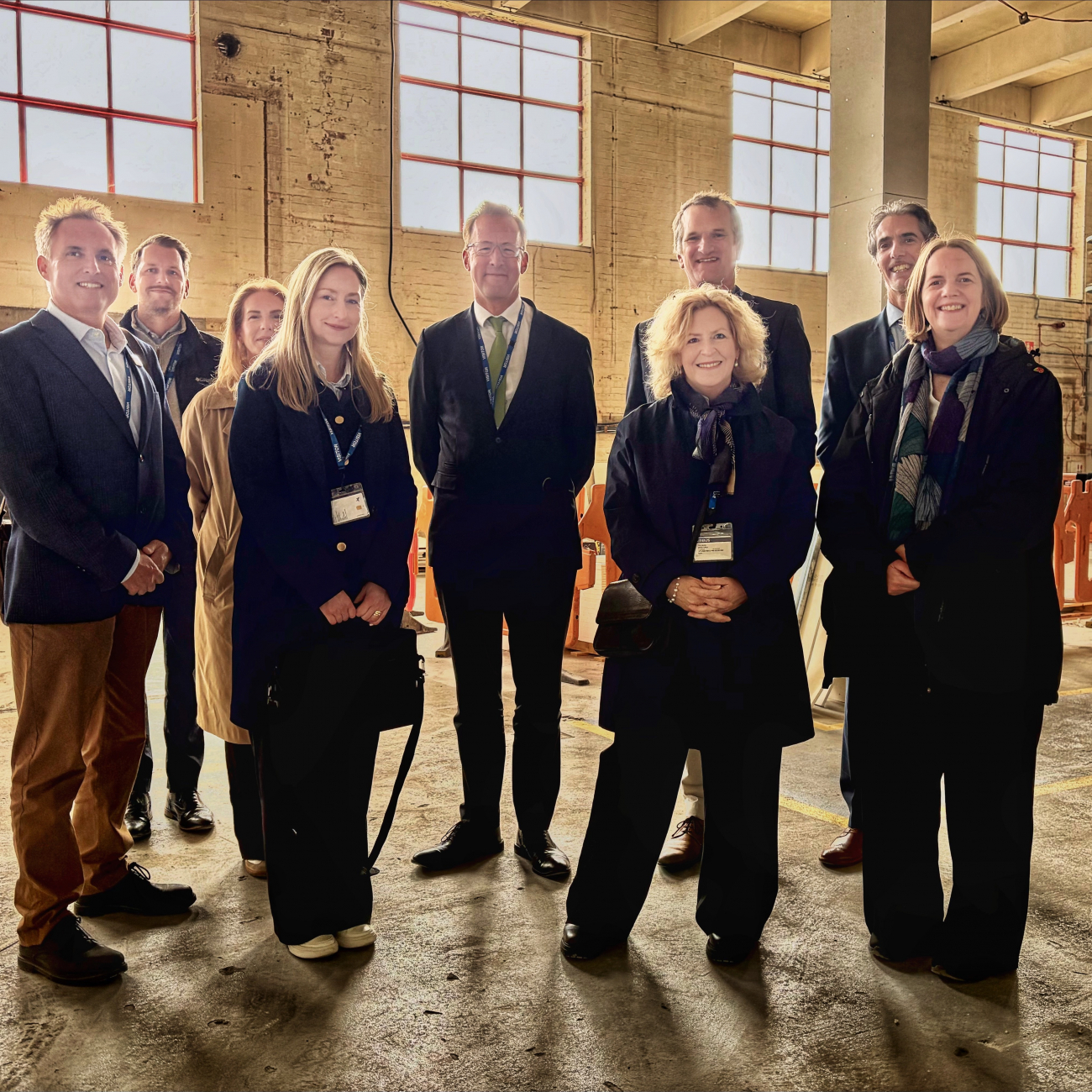
<p>Weston College Group was proud to welcome senior representatives from the <strong>Department for Business and Trade (DBT)</strong> and the <strong>West of England Combined Authority (WECA)</strong> to its new <a href="https://www.weston.ac.uk/aerospace-skills-academy"><strong>Aerospace Skills Academy</strong></a> at <strong>Airbus, Filton,</strong> for a special visit highlighting the future of technical skills development in the region.</p><p>Visitors included Chris Barton CMG, Director for Local and International Growth at the Department for Business and Trade; Matt Cross, Deputy Director for Regions and Markets; Stefano Pucello, Regional Manager for Gloucestershire and Wiltshire; and Antony Marritt, Head of Enterprise, Inward Investment and Innovation at WECA.</p><p>The delegation toured the state-of-the-art facility, accompanied by Holly Stokes, Head of Early Careers at Airbus Filton, who joined Weston College Group leaders in showcasing how the Academy is helping to build a pipeline of highly skilled talent for the aerospace sector.</p><p>The visit provided an opportunity to discuss how further education providers, employers and regional stakeholders can continue to work together to strengthen skills infrastructure, support inward investment and create progression routes into high-value careers across the South West.</p><p>During the visit, Weston College Group also shared the recent announcement that it has been named as one of only four colleges nationally to be recognised as a Technical Excellence College for Advanced Manufacturing.</p><p>Pat Jones, Principal and Chief Executive of Weston College Group, said:</p><p><em>"It was a pleasure to welcome colleagues from the Department for Business and Trade and WECA to our Aerospace Skills Academy and to demonstrate the impact that strong partnerships with employers such as Airbus and others can have on developing the workforce of the future.</em></p><p><em>Being recognised as one of only four Technical Excellence Colleges for Advanced Manufacturing is a significant milestone for Weston College Group and reflects our commitment to delivering exceptional technical education that supports learners, employers and the wider economy."</em></p><p>Weston College Group continues to invest in specialist facilities and employer partnerships to ensure learners gain the skills, experience and confidence needed to thrive in advanced manufacturing, engineering and aerospace careers.</p>
WHAT OUR STUDENTS SAY

Machine operator
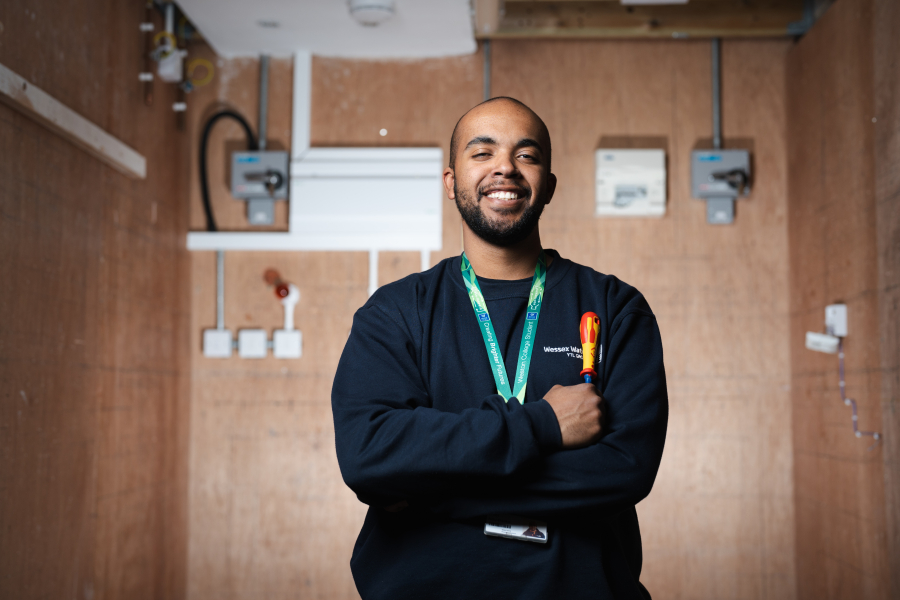
Electrical and Mechanical Maintenance Apprenticeship with Wessex Water